Electric vehicle and energy storage systems demand exceptional protection for their cable assemblies, and PTFE sleeving has emerged as the gold standard for this critical application. High-voltage battery systems, charging infrastructure, and energy storage modules experience extreme thermal cycling, chemical exposure, and electrical stress that standard insulation materials cannot withstand reliably. PTFE sleeving provides the robust barrier protection these systems need, ensuring long-term performance and safety across demanding operational environments.
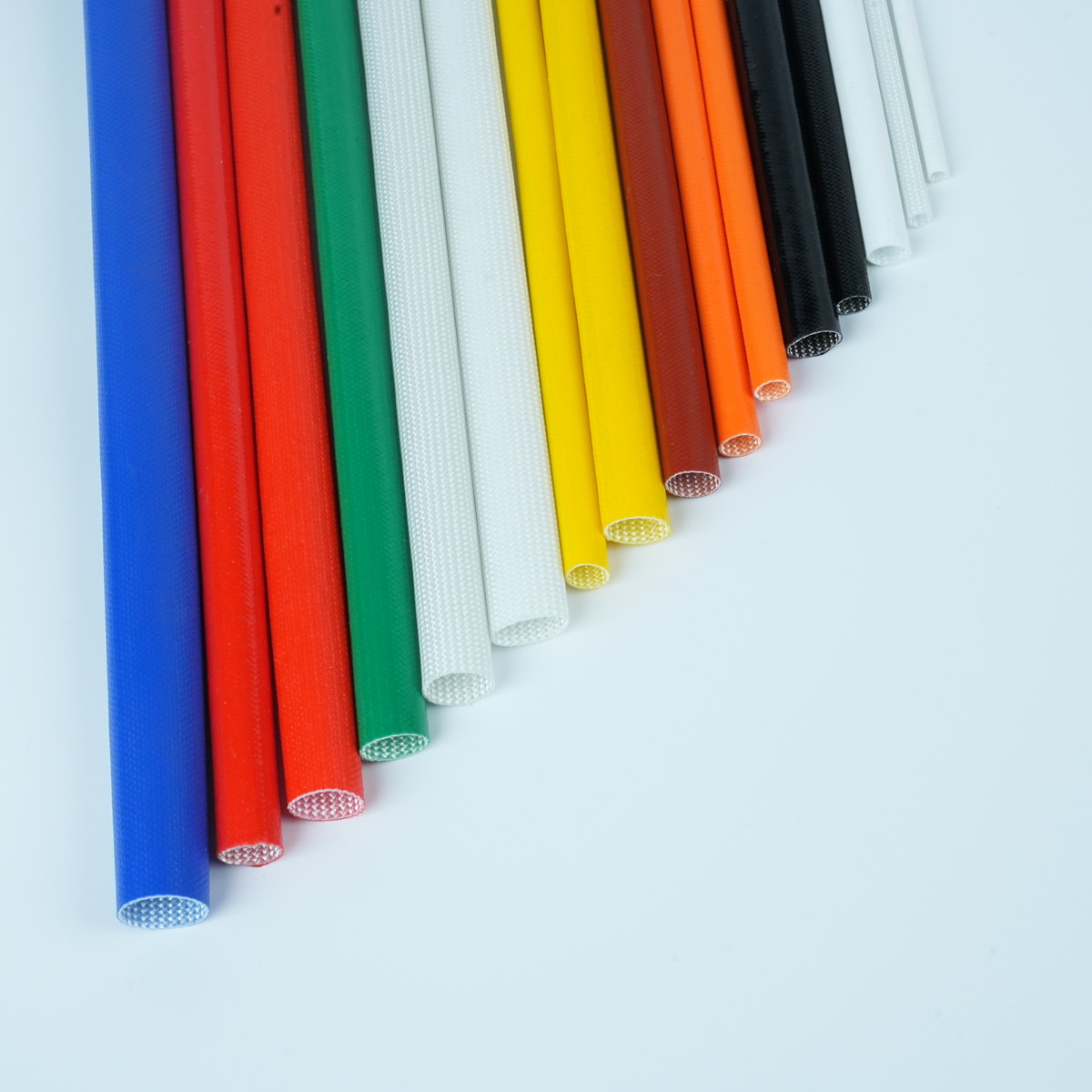
Understanding how to properly implement PTFE sleeving in these sophisticated systems is essential for engineers and procurement professionals responsible for battery cable design and assembly. PTFE tubing offers unique advantages in electrical insulation that extend far beyond basic protection. The material's inherent chemical resistance, thermal stability, and dielectric properties make it the preferred choice for applications where failure is not an option. This guide explores the practical implementation strategies, key considerations, and installation best practices that maximize the performance and reliability of PTFE sleeving in modern EV and energy storage architectures.
Understanding PTFE Sleeving in High-Voltage Applications
Core Advantages for Electrical Insulation
PTFE sleeving delivers exceptional electrical insulation properties that outperform many alternative materials in demanding battery and energy storage environments. The material maintains its dielectric strength across a wide temperature range, from cryogenic conditions to extreme heat exposure, which is critical for thermal cycling that occurs during rapid charging and discharging cycles. Electrical insulation quality directly impacts system safety, efficiency, and operational longevity, making material selection foundational to design integrity.
When cables experience voltage stress combined with thermal fluctuations, conventional sleeves can degrade, crack, or lose adhesion, creating safety hazards and system failures. PTFE tubing resists these degradation mechanisms through its molecular structure, which maintains flexibility and protective integrity even after thousands of thermal cycles. For EV powertrains operating from minus 40 degrees Celsius to over 100 degrees Celsius, this performance consistency is non-negotiable for meeting automotive safety standards and warranty requirements.
Chemical Resistance and Environmental Durability
The chemical resistance of PTFE sleeving makes it uniquely suited for energy storage systems where cable exposure to battery electrolytes, coolants, and various industrial fluids is unavoidable. Unlike rubber or standard thermoplastic sleeves that soften or degrade when exposed to these substances, PTFE tubing remains inert and maintains its protective barrier indefinitely. This chemical resistance extends the service life of critical battery interconnects and eliminates premature failure modes caused by material breakdown.
In utility-scale energy storage installations, cables often route through harsh environments where they contact corrosive agents, oils, and aggressive cleaning compounds. PTFE sleeving provides absolute protection against these chemical threats without requiring additional barriers or replacement schedules. The material's inertness also eliminates concerns about leaching compounds that might compromise electrolyte purity or introduce contaminants that reduce battery performance and lifespan.
Installation and Design Considerations for EV Systems
Proper Sizing and Application Methods
Selecting the correct PTFE sleeving diameter and wall thickness is crucial for ensuring adequate electrical insulation while maintaining mechanical integrity during assembly and operation. The sleeve must fit snugly over conductors without crimping or restricting bundle flexibility, yet provide sufficient wall thickness to withstand voltage requirements and mechanical stress. For high-voltage battery packs operating at 400 volts or higher, electrical insulation standards typically demand minimum wall thicknesses that PTFE tubing specifications must satisfy.
Heat shrink PTFE sleeving offers advantages in manufacturing environments where pre-assembly and final cable preparation occur in controlled factory conditions. The material can be positioned during initial assembly, then heat-shrunk to create a permanent, form-fitting protective layer that accommodates bundle geometry precisely. This method ensures consistent electrical insulation performance and eliminates gaps or misalignment that compromise protection. For field repair and maintenance, manual sleeving installation requires careful technique to avoid kinks or uneven coverage that degrades insulation quality.
Thermal Management and Voltage Rating Coordination
PTFE tubing maintains its dielectric properties even when carrying continuous current that generates significant heat along conductor paths. The material's low thermal conductivity actually provides beneficial insulation, slowing heat dissipation in ways that can be advantageous in some energy storage designs. However, designers must ensure that voltage ratings, wall thickness, and operating temperatures work in concert to maintain electrical insulation safety margins throughout the cable's operational life.
In rapid-charging EV systems, cables experience transient overvoltage spikes and sustained high currents that generate cumulative thermal stress. PTFE sleeving rated for continuous operation at expected temperature peaks ensures that electrical insulation degradation does not occur prematurely. Coordination between cable gauge selection, expected power delivery rates, and PTFE tubing specifications prevents scenarios where electrical insulation fails before other system components reach end-of-life.
Implementation in Energy Storage Architectures
Battery Pack Interconnect Protection
Energy storage modules require robust protection at every interconnection point where high-current paths transition between battery cells and system electronics. PTFE sleeving provides this critical protection while maintaining the mechanical flexibility needed for vibration resistance and thermal expansion accommodation. The material's chemical resistance ensures that exposure to battery electrolyte does not compromise electrical insulation integrity, even in systems where occasional micro-leakage or moisture condensation occurs inside pack enclosures.
In modular energy storage systems with hot-swap capability, cables experience repeated mating and unmating cycles that stress insulation materials mechanically. PTFE tubing resists the abrasion and wear that would compromise standard sleeves, maintaining electrical insulation performance across thousands of connection cycles. This durability is especially important for grid-scale battery systems where maintenance operations occur frequently and downtime represents significant economic loss.
Thermal Barrier Applications in Tight Spaces
Modern EV battery packs and energy storage modules prioritize compact design that reduces weight and cost while maximizing power density. In these constrained environments, PTFE sleeving provides dual-function protection by serving as both electrical insulation and thermal barrier between adjacent current-carrying paths. The material's low thermal conductivity helps maintain temperature gradients that thermal management systems rely on for safe operation, while preventing electrical crosstalk or potential arc pathways between conductors at different potentials.
When PTFE tubing is combined with strategic thermal interface materials, engineers can create highly efficient energy storage designs that meet both electrical insulation and thermal performance requirements. The material's compatibility with thermal interface compounds means that additional cooling systems can be applied over PTFE sleeving without degradation or performance loss. This integration capability makes PTFE sleeving a foundational element in next-generation energy storage thermal management strategies.
FAQ
What temperature range can PTFE sleeving safely handle in EV applications?
PTFE tubing maintains its electrical insulation properties across extremely wide temperature ranges, typically from minus 60 degrees Celsius to plus 250 degrees Celsius or higher, depending on specific product specifications. In EV battery systems, even the most aggressive thermal cycling profiles fall well within this range, ensuring that electrical insulation performance remains consistent regardless of ambient conditions or internal heating effects. This thermal stability eliminates a major failure mode that affects standard polymer sleeves and contributes significantly to long-term system reliability.
How does PTFE sleeving compare to alternative insulation materials for energy storage cables?
PTFE sleeving outperforms most alternative materials in chemical resistance, thermal stability, and dielectric consistency, though it typically carries higher material costs than standard polymers. For energy storage systems where failure rates translate directly to economic loss and safety liability, the superior performance of PTFE tubing justifies the investment. Alternative materials like PVC or rubber degrade when exposed to electrolytes and thermal extremes, requiring more frequent replacement and creating higher lifecycle costs despite lower initial purchase prices.
Can PTFE sleeving be installed in existing cable assemblies, or must it be included during initial manufacturing?
PTFE tubing can be retrofitted onto existing cables during field maintenance or upgrade operations, though factory installation typically provides superior results and ensures consistent electrical insulation coverage. Heat-shrink PTFE sleeving requires controlled heating equipment and proper technique to apply correctly and maintain insulation quality. For new system builds and major assembly operations, specifying PTFE sleeving during the manufacturing phase ensures optimal integration and eliminates compatibility concerns.
 EN







