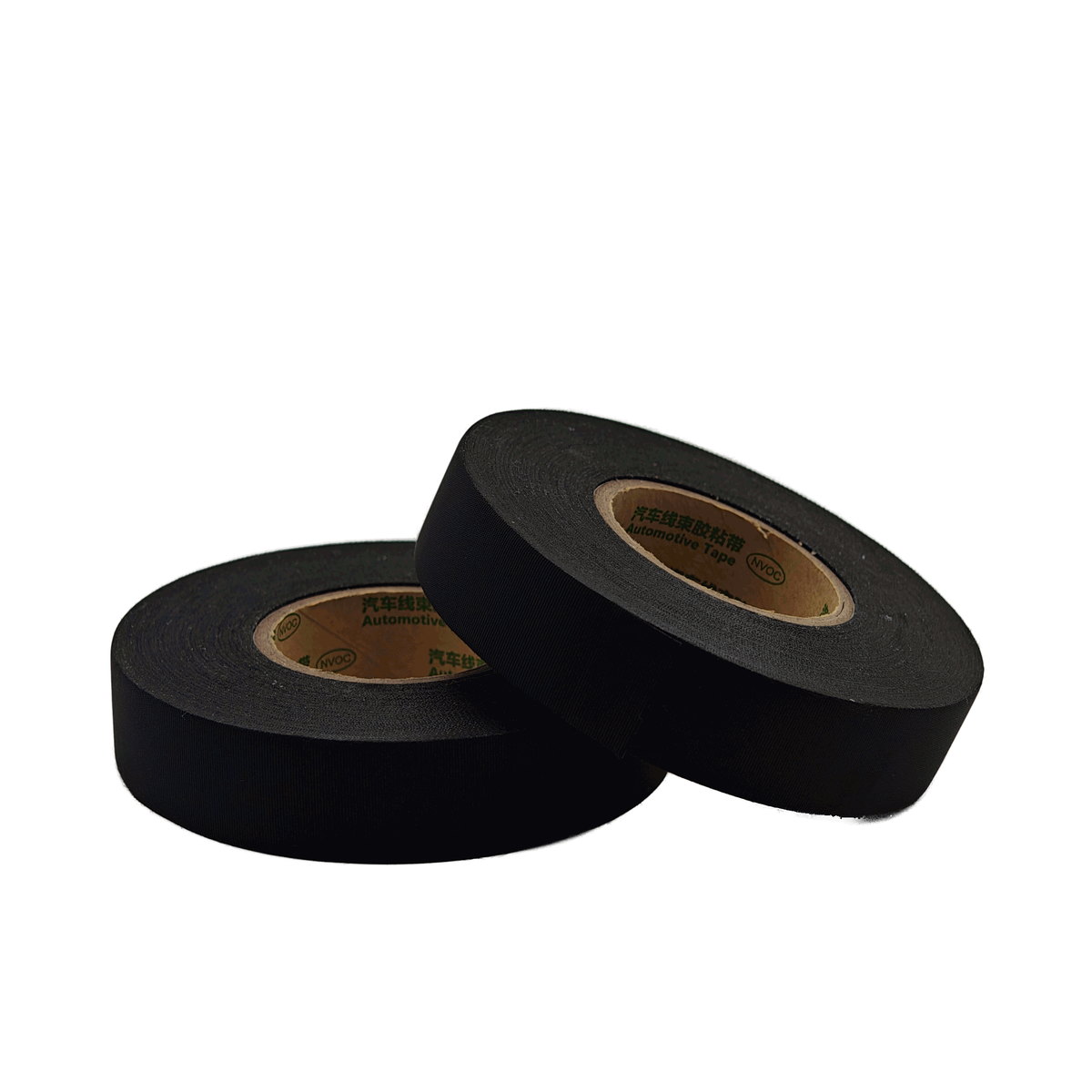
Electric vehicle and energy storage systems demand robust protection for high-voltage cables and wire harnesses. The integrity of these electrical systems directly impacts vehicle performance, safety, and longevity. Acetate cloth tape has emerged as a critical component in modern cable management, offering thermal stability, mechanical durability, and reliable electrical insulation across demanding EV and battery applications.
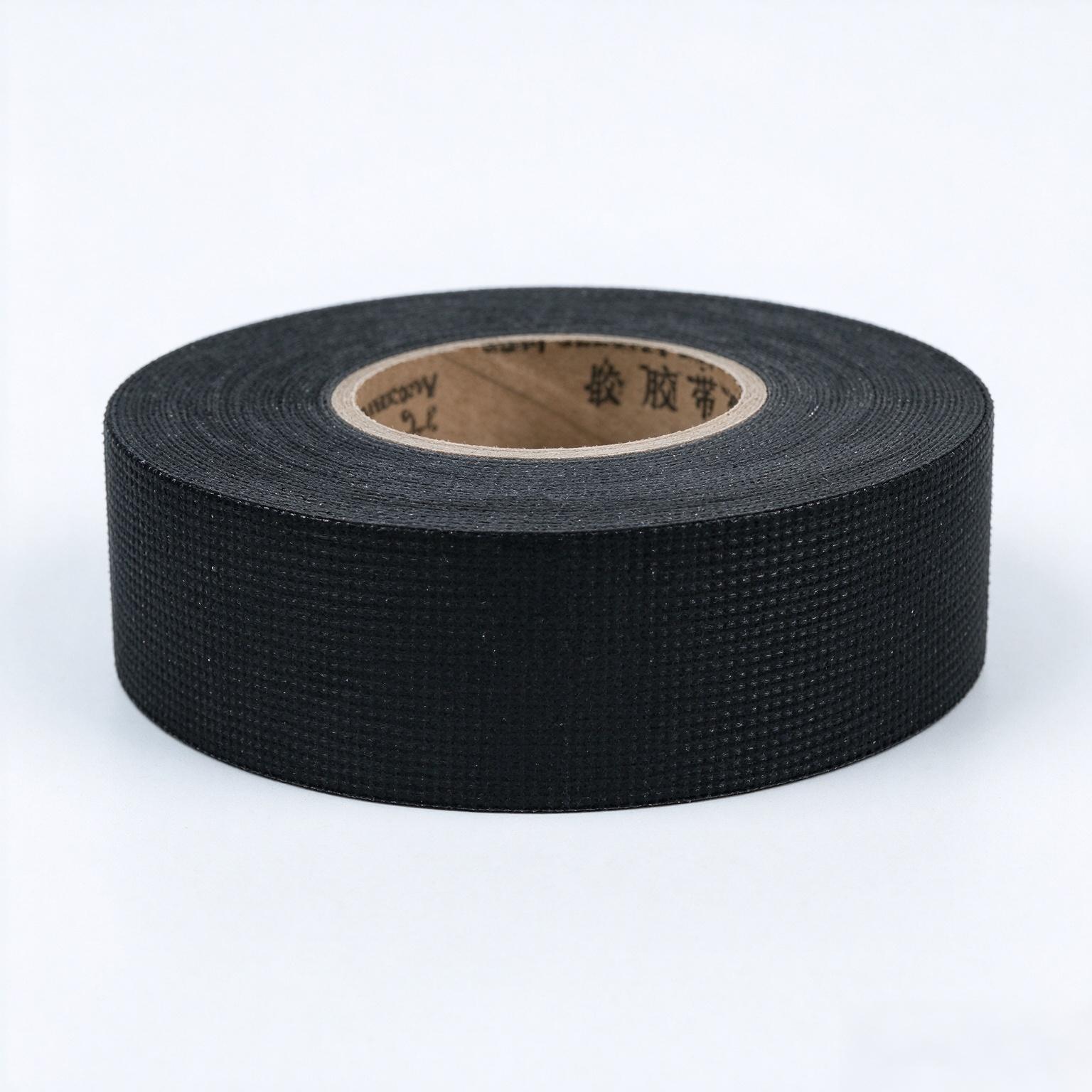
Effective cable protection requires understanding how different materials perform under thermal, mechanical, and electrical stress. Cloth tape solutions have become essential for securing wire harnesses, insulating conductor junctions, and protecting cable assemblies from vibration, abrasion, and environmental exposure. This guide explores practical application techniques, performance requirements, and selection considerations for cloth tape in high-voltage energy systems.
Understanding Acetate Cloth Tape for Cable Applications
Material Composition and Performance Properties
Acetate cloth tape combines woven acetate fibers with adhesive backing to create a conformable, tear-resistant wrapping solution. The cloth base provides mechanical strength while maintaining flexibility around curved cable geometries. The adhesive formulation ensures stable adhesion across temperature ranges typical in EV battery modules and power distribution networks. This combination delivers superior holding power compared to single-layer films or synthetic polymer tapes, making it ideal for wire harness tape applications that require both conformability and durability.
The material structure enables consistent electrical insulation properties even after thermal cycling, vibration exposure, and mechanical stress. Unlike plastic films that can crack or peel under temperature fluctuation, the woven cloth construction maintains integrity through repeated expansion and contraction cycles common in automotive battery systems. This stability makes acetate cloth tape particularly valuable for long-term cable protection in energy storage installations where reliability and minimal maintenance are critical business requirements.
Thermal and Electrical Characteristics
Acetate cloth tape maintains performance across the temperature range encountered in modern EV powertrains, typically from ambient conditions up to 120°C or higher depending on formulation. The electrical insulation properties remain consistent across this range, preventing dielectric breakdown at cable joints and splice points. The cloth weave structure naturally resists electrical conduction while allowing controlled adhesive penetration for secure bonding. These thermal and electrical characteristics make cloth tape an effective component in comprehensive electrical insulation strategies for battery management systems and high-voltage interconnects.
Application Techniques for EV and Energy Storage Systems
Cable Wrapping and Securing Methods
Proper application of acetate cloth tape begins with surface preparation. Clean the cable or harness area with a solvent-free cloth to remove dust, oil, or residual adhesive that might compromise adhesion. Unwrap the tape roll and position it at a slight angle to the cable axis, allowing the cloth material to conform naturally to the surface geometry. Begin wrapping with moderate tension, overlapping each wrap by approximately 50 percent to ensure complete coverage and redundant insulation layers. The overlapping technique creates a protective barrier that resists unraveling and provides secondary coverage if the outer layer experiences minor abrasion.
For wire harness tape applications in battery modules, wrap around the harness bundle at regular intervals spaced 25–50 millimeters apart, depending on vibration exposure and cable diameter. At terminal connections and splice points, increase the number of wraps to three or four complete rotations, then extend the coverage slightly beyond the junction point. Press firmly after each rotation to activate the adhesive contact with the surface. This systematic wrapping creates uniform protection without gaps, maintaining electrical insulation integrity and mechanical stability throughout the harness routing path within the vehicle or energy storage enclosure.
Managing Corners and Complex Cable Geometries
Complex cable routing in EV battery packs often includes tight bends, branch points, and junction areas requiring specialized wrapping approaches. When acetate cloth tape encounters a corner or bend, maintain slight tension while allowing the cloth weave to stretch naturally around the curved surface. The flexibility of the tape material prevents bridging or gapping that would compromise insulation coverage. At T-junctions where multiple harnesses meet, wrap each branch separately first, then apply additional layers of cloth tape that span across the junction point, ensuring all connection areas remain fully insulated and mechanically secured.
For areas with significant temperature variation or high vibration exposure, consider applying cloth tape in two perpendicular directions, creating a reinforced lattice pattern that prevents peeling or shifting under dynamic stress. This cross-wrap technique is particularly valuable for harnesses passing through mechanical vibration zones near motors or battery cooling systems. The resulting multi-directional coverage distributes mechanical loads more effectively than single-direction wrapping, extending the service life of the electrical insulation system and reducing the risk of adhesive failure in high-stress environments.
Performance Benefits and System Integration
Mechanical Stability and Vibration Resistance
Electric vehicle powertrains and energy storage systems experience significant vibration during operation, ranging from motor-driven oscillations to suspension-transmitted road inputs. Acetate cloth tape provides exceptional vibration damping characteristics that reduce cable movement and prevent fraying or insulation damage from repetitive flexing. The cloth weave structure absorbs mechanical energy more effectively than rigid plastic tubing, while the adhesive backing maintains consistent contact between the tape and cable surface even during high-amplitude vibration events. This performance characteristic directly extends cable service life and maintains system reliability throughout the vehicle operational envelope.
The mechanical durability of cloth tape also provides protection against abrasion from adjacent components, cable routing hardware, and thermal cycling expansion. In battery module housings where space constraints require dense cable packing, the conformable nature of acetate cloth tape allows multiple harnesses to nest together without sharp contact points that would cause insulation damage. The tape surface resists cutting or puncturing from nearby sharp edges, creating a protective barrier that reduces field failures related to cable insulation breakdown.
Environmental and Thermal Protection
Energy storage and EV systems operate across diverse environmental conditions, including humidity, temperature extremes, and occasional chemical exposure from battery electrolyte or cooling fluid contact. Acetate cloth tape provides a moisture-resistant outer layer that prevents electrolyte wicking into cable insulation while allowing the underlying electrical insulation to remain dry and functional. The adhesive formulation resists breakdown from battery acid vapors and common automotive fluids, maintaining consistent performance across the system lifecycle. When combined with appropriate cable core insulation materials, cloth tape creates a comprehensive protection system that addresses both electrical and environmental challenges in modern battery and power distribution architectures.
The thermal management properties of acetate cloth tape support heat dissipation from high-current cables by allowing thermal energy to transfer through the cloth weave structure rather than being trapped by non-breathable plastic films. This feature becomes increasingly important in high-power EV fast-charging systems where peak currents generate significant localized heating. By maintaining adequate thermal management alongside electrical insulation, cloth tape contributes to overall system efficiency and helps prevent thermal hotspots that might compromise adjacent components or accelerate insulation degradation.
FAQ
What temperature range does acetate cloth tape support in EV systems?
Acetate cloth tape typically maintains performance from ambient temperature up to 120°C to 140°C depending on specific formulation and adhesive chemistry. This range covers normal EV battery module operating temperatures and provides thermal margin for transient high-current events. For applications requiring extended temperature performance, verify the technical specifications of specific cloth tape products to ensure compatibility with your system's thermal profile and peak temperature exposure scenarios.
How does cloth tape compare to plastic film for wire harness tape applications?
Cloth tape offers superior conformability, mechanical damping, and tear resistance compared to plastic film alternatives. The woven structure provides better vibration absorption and maintains electrical insulation integrity through repeated thermal cycling. Plastic film may be more cost-effective for simple applications but typically exhibits brittleness at low temperatures and reduced adhesion stability under long-term thermal stress. For demanding EV and energy storage applications where reliability and durability are critical, cloth tape generally delivers superior performance and longer service life.
Can acetate cloth tape be applied over existing cable insulation?
Yes, acetate cloth tape can be applied directly over most standard cable insulation materials, including PVC, polyethylene, and cross-linked polyethylene. Surface cleanliness is essential for reliable adhesion, so remove any dust, dirt, or previous adhesive residue before application. Ensure the underlying cable insulation is not damaged or exposed, as the cloth tape provides secondary protection but does not repair existing insulation defects. Proper surface preparation and systematic wrapping techniques ensure maximum adhesion and long-term performance of the cloth tape system.
 EN