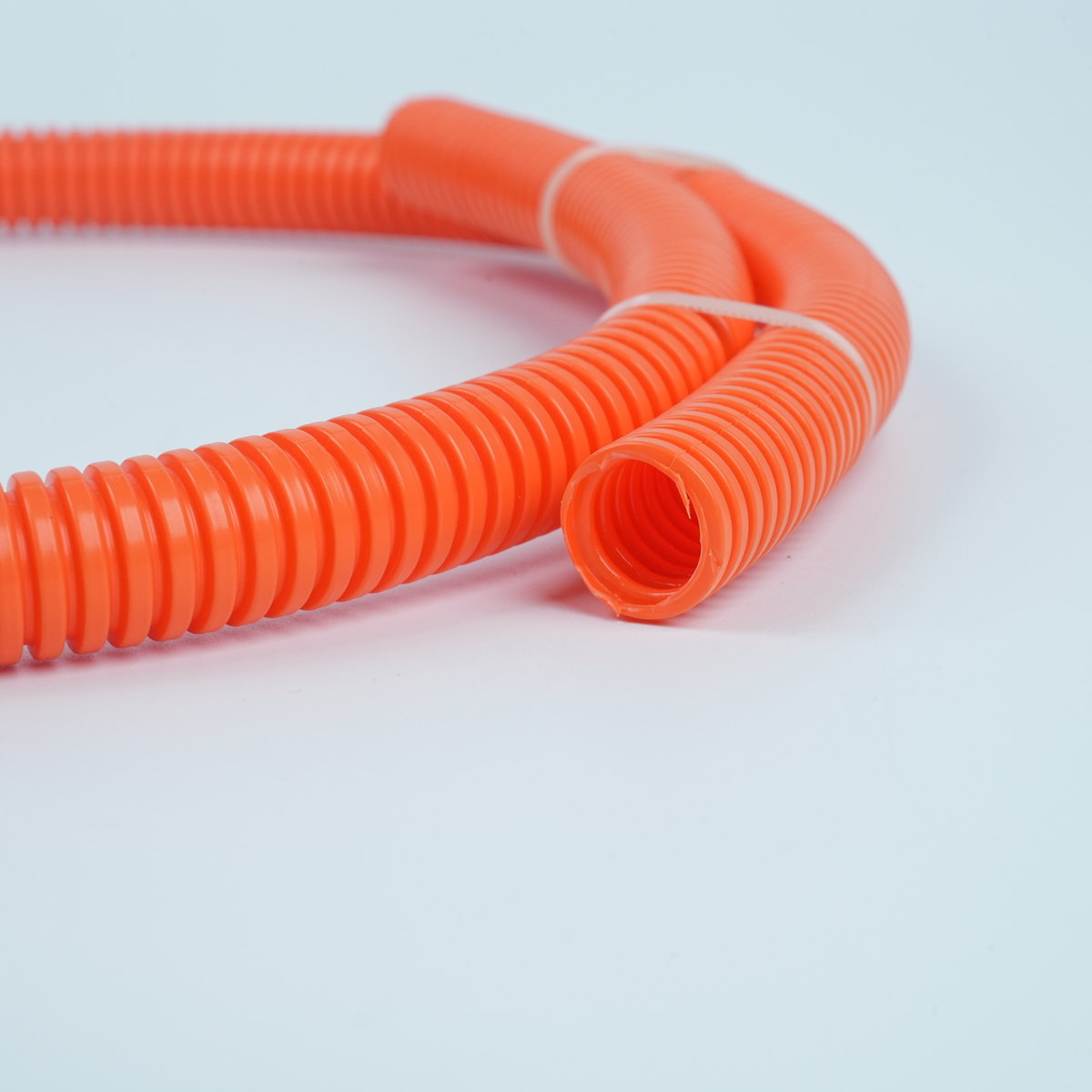
Standardizing wire loom conduit sizes across equipment platforms is a critical operational challenge for manufacturers and system integrators. When different production lines, assembly stations, or product variants use inconsistent cable routing specifications, maintenance becomes complicated, inventory management suffers, and production efficiency declines. The lack of standardization forces technicians to stock multiple conduit sizes, increases the risk of installation errors, and creates compliance tracking difficulties. Organizations that invest in a structured approach to wire loom standardization typically experience faster assembly times, reduced waste, and improved system reliability across their entire equipment portfolio.
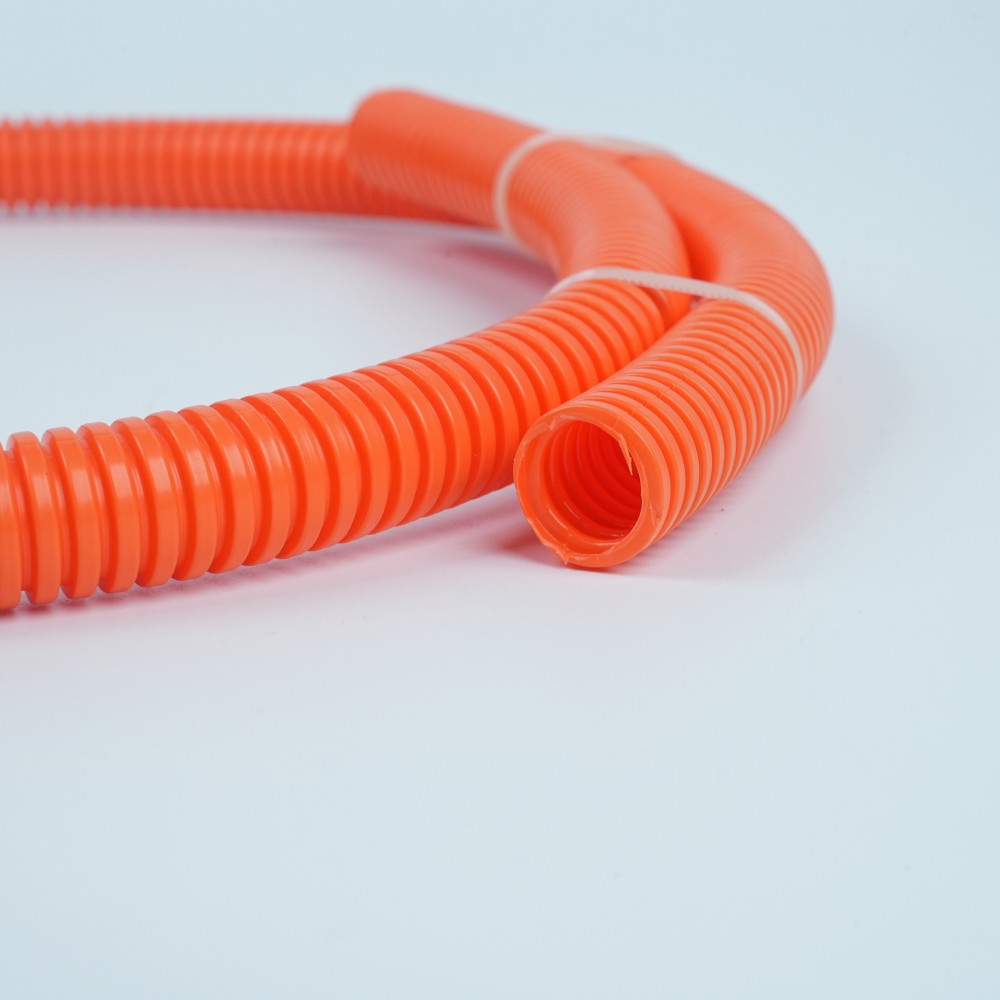
Creating a unified cable conduit specification framework requires careful assessment of current conditions, clear definition of performance requirements, and systematic rollout across all affected platforms. This approach transforms cable routing from a fragmented, reactive process into a strategic, scalable operation that supports growth and reduces hidden costs. Understanding the specific drivers behind conduit standardization—and the practical steps to implement it—positions your organization to maintain consistency while adapting to evolving equipment demands.
Assessing Current Cable Routing Practices
Identifying Inconsistencies in Wire Loom Specifications
The first step in any standardization initiative is to conduct a thorough audit of how cable routing is currently managed across your equipment platforms. Different engineering teams may have independently specified wire loom solutions based on immediate project constraints rather than long-term organizational strategy. Document the current conduit diameter, material composition, flame retardancy ratings, flexibility requirements, and installation methods used in each platform. This inventory reveals gaps, redundancies, and hidden costs associated with fragmented cable routing practices. When multiple wire loom sizes coexist in your operations, purchasing power is diluted, spare parts inventory grows unnecessarily complex, and technician training becomes more demanding.
Evaluating Performance Requirements Across Platforms
Not all equipment platforms have identical cable routing demands. Some systems operate in harsh industrial environments with extreme temperature fluctuations, while others function in climate-controlled assembly areas. Environmental factors—chemical exposure, UV sensitivity, mechanical abrasion, and thermal cycling—must inform your cable conduit strategy. Review electrical safety standards, industry certifications, and customer specifications that apply to each platform. By mapping performance needs systematically, you can identify which platforms can share a common wire loom conduit specification and which genuinely require specialized solutions. This analytical foundation ensures your standardization effort produces practical, compliant specifications rather than forcing unsuitable compromises.
Defining the Standard Wire Loom Conduit Specification
Establishing Core Cable Routing Parameters
A robust wire loom conduit standard must address multiple technical dimensions simultaneously. Conduit diameter should be selected to accommodate the anticipated cable bundle sizes while maintaining proper strain relief and accessibility for maintenance. Material selection—typically nylon or polyethylene for general applications, flame-retardant variants for safety-critical environments—must balance cost, durability, and regulatory compliance. Document the standard specification clearly, including minimum bend radius, operating temperature range, UV and chemical resistance ratings, and installation requirements. Cable routing standardization also includes defining how the wire loom conduit connects to cable routing hardware, attachment points, and maintenance access provisions. Clear technical documentation prevents interpretation errors and enables consistent implementation across all production teams.
Building Flexibility into the Standard Specification
While standardization emphasizes consistency, an effective wire loom conduit standard must accommodate genuine platform differences without fragmenting into multiple conflicting standards. Create a tiered approach: define a primary standard for the majority of your equipment platforms, then establish one or two alternative specifications for platforms with genuinely different requirements. For example, high-temperature production equipment might require flame-retardant cable conduit, while standard industrial assembly operations could use general-purpose wire loom. This tiered structure keeps your cable routing complexity manageable while respecting legitimate operational differences. When new platforms are designed, engineers should reference these pre-established standards rather than creating ad hoc specifications. This discipline prevents standard creep and maintains the strategic benefits of standardization over time.
Implementing Standardization Across Your Equipment Portfolio
Creating a Phased Rollout Strategy
Transitioning from fragmented cable routing to standardized wire loom conduit requires careful planning and staged execution. Begin with platforms currently in production or undergoing planned upgrades, rather than attempting simultaneous changes across all equipment. Update engineering drawings, bill-of-materials templates, and assembly documentation to reference the new standard wire loom conduit specifications. Train production teams on proper installation techniques, including correct conduit sizing, secure attachment methods, and maintenance procedures. Establish purchasing agreements with qualified suppliers to ensure consistent availability of standard cable conduit components at competitive pricing. A phased approach reduces disruption, allows your teams to gain confidence with new procedures, and creates momentum for broader adoption.
Monitoring Performance and Gathering Feedback
Once standardized wire loom conduit specifications are in use, continuous monitoring ensures the specifications remain effective and identifies refinement opportunities. Track installation efficiency metrics, warranty claims related to cable routing, and maintenance feedback from field service teams. If certain platforms consistently encounter cable conduit issues despite using the standard specification, investigate whether the standard genuinely fits that platform's requirements or whether installation practices need improvement. Schedule periodic reviews to assess whether new materials, higher-performance cable conduit options, or modified specifications might enhance future equipment platforms. This feedback loop prevents your standardization initiative from becoming static and ensures your wire loom standards evolve with changing business needs and technological advances.
FAQ
What factors determine the correct wire loom conduit diameter for a given application?
Conduit diameter should accommodate the total cross-sectional area of the cable bundle being routed, typically allowing 20–30 percent additional space for thermal expansion and future modifications. Consider the bend radius requirements—tighter bends may require larger diameter cable conduit to prevent damage to internal wires. Environmental factors such as temperature cycling, abrasion exposure, and cable stiffness also influence diameter selection. Consulting with your cable supplier and reviewing industry standards for wire loom sizing helps ensure proper specification for each platform.
How can standardized cable routing reduce long-term operational costs?
Standardized wire loom conduit reduces costs through improved purchasing power, simplified inventory management, faster technician training, and reduced installation errors. When your organization purchases consistent cable conduit specifications in larger volumes, unit costs typically decrease. Technicians familiar with one standard cable conduit type work more efficiently than teams juggling multiple specifications. Fewer spare parts variants mean lower inventory carrying costs and less waste from obsolete components. Reduced installation errors translate directly to fewer field service calls and warranty claims, multiplying your return on standardization investment.
Should all equipment platforms use identical wire loom conduit specifications?
While standardization aims for consistency, a tiered approach with one primary standard and one or two alternative specifications for genuinely different environments is often more practical than forcing identical specifications across all platforms. High-temperature equipment, for example, typically requires flame-retardant cable conduit, while standard production environments may use general-purpose wire loom. The key is limiting variation to truly necessary differences rather than allowing unnecessary fragmentation. This balanced approach maximizes standardization benefits while respecting legitimate platform-specific requirements.
 EN