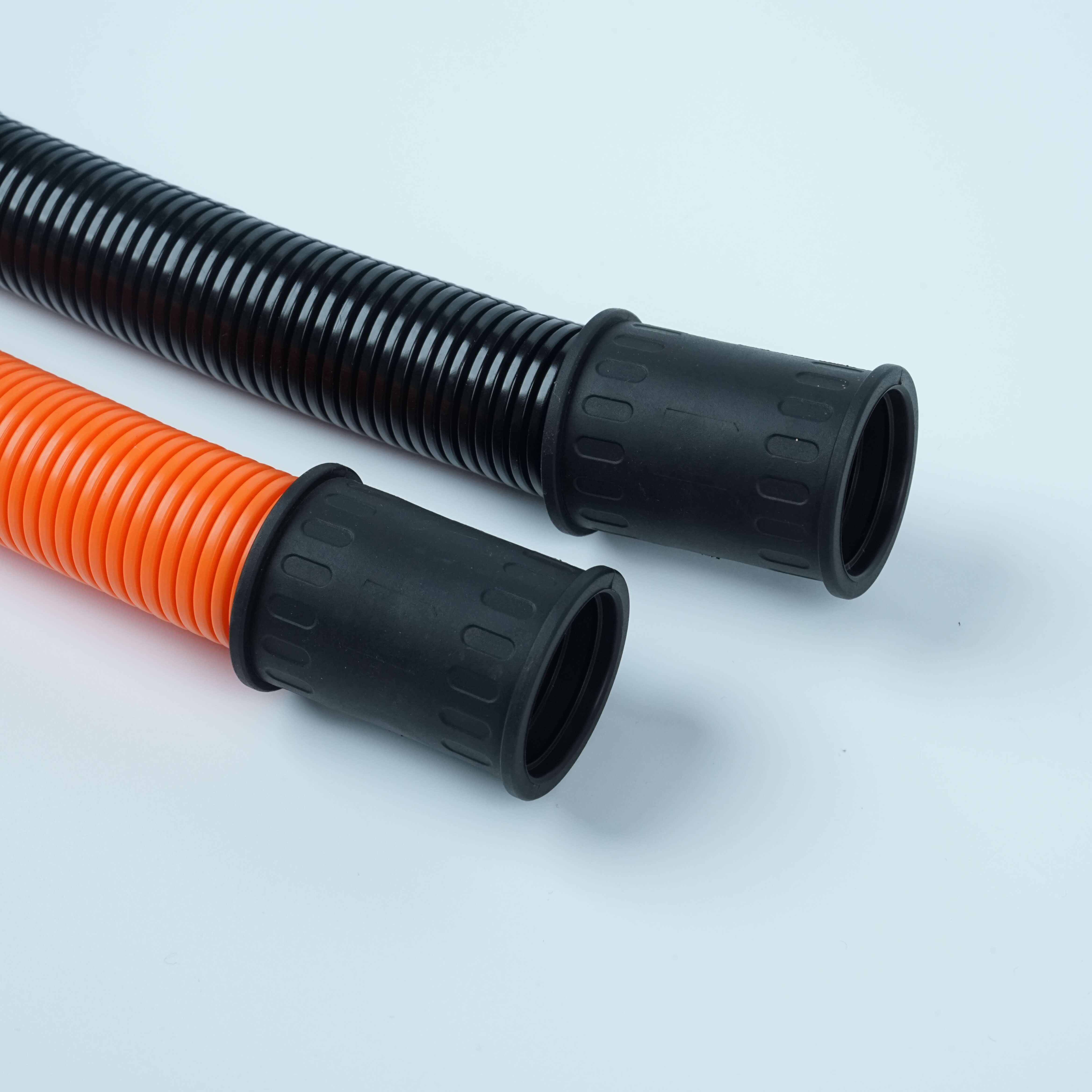
Selecting the right wire loom conduit is essential for organizing and protecting automotive electrical systems. Vehicle manufacturers and aftermarket installers depend on durable cable routing solutions to ensure long-term reliability, safety, and ease of maintenance. The choice between materials, wall thickness, and split versus continuous loom designs directly impacts how well cables withstand temperature swings, mechanical stress, and environmental degradation under the hood.
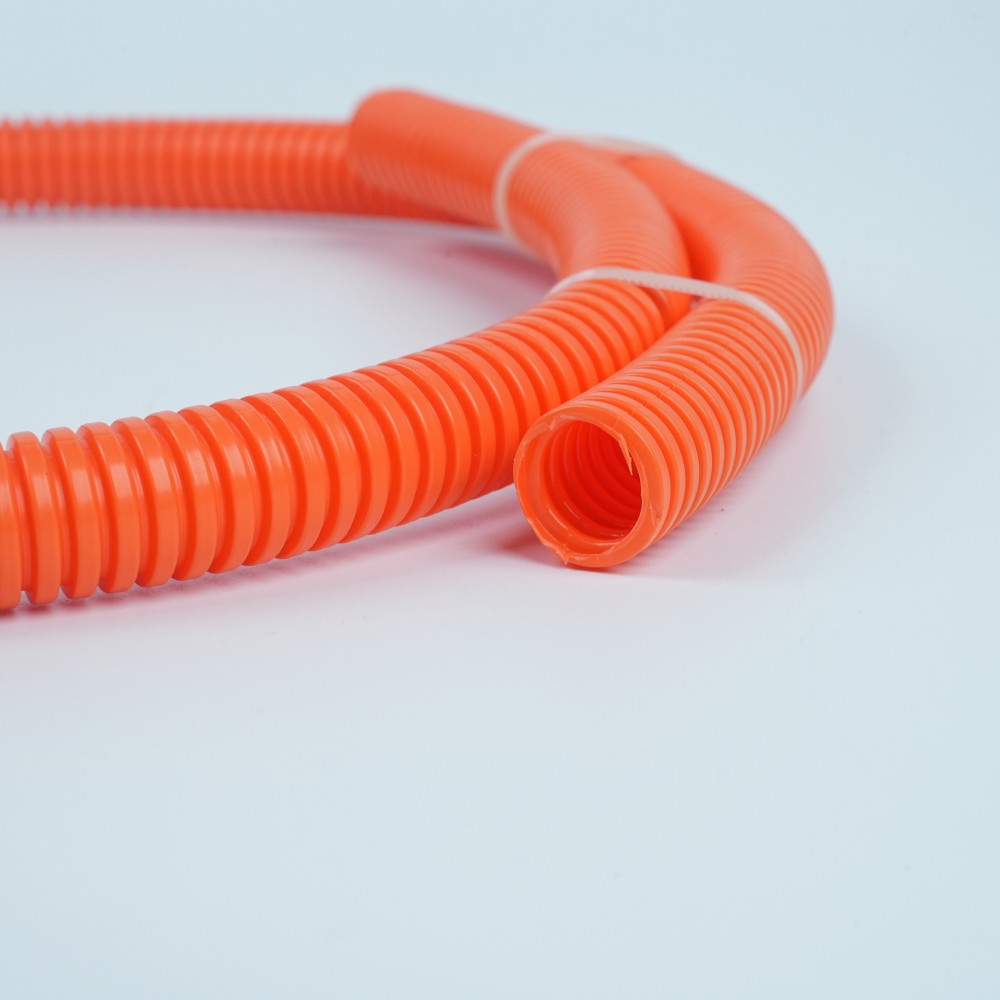
This guide walks through the critical selection criteria for wire loom used in automotive applications. Understanding material properties, flame retardance, flexibility, and installation ease helps technicians and engineers choose the correct conduit type for each cable routing scenario. Whether you are designing an original equipment assembly or retrofitting an existing vehicle, the right wire loom decision prevents cable chafe, electrical faults, and system failures.
Understanding Wire Loom and Cable Routing Fundamentals
What Wire Loom Does for Automotive Cable Routing
Wire loom serves as a protective sleeve that bundles and shields automotive cables from abrasion, heat, and moisture. In engine bays, wire loom conduit channels power leads, sensor wires, and control lines along engine blocks, through firewall passages, and across chassis members. Split loom and continuous conduit designs both organize cable routing while reducing assembly labor and improving service access when repairs are needed.
Proper cable routing with wire loom prevents cross-talk between high-voltage and low-voltage circuits, reduces electromagnetic interference, and extends wire insulation life. When cables run unprotected through tight spaces or over sharp edges, abrasion damages insulation within months. Wire loom conduit barriers prevent contact with hot surfaces, moving components, and corrosive fluids that automotive environments generate constantly.
Core Differences Between Split Loom and Continuous Options
Split loom features a longitudinal slit running its entire length, allowing technicians to open and close the conduit without removing every wire. This design accelerates installation on retrofit projects and simplifies future cable additions or replacements. Continuous wire loom conduit offers no opening, requiring cables to be threaded through end-to-end, which demands more planning but delivers maximum cable bundling and protection once installed.
The split loom choice suits scenarios where maintenance access is frequent or cable configurations change. Continuous conduit excels in permanent, high-stress engine bay environments where the sealed design resists fluid intrusion and vibration better. Many automotive assemblers use split loom for service-heavy areas and continuous conduit in sealed compartments, optimizing both protection and serviceability across vehicle architectures.
Material Selection and Performance Characteristics
Nylon and Polyethylene Wire Loom Options
Nylon-based wire loom conduit dominates automotive applications because it balances flame retardance, flexibility, and cost-effectiveness. Automotive-grade nylon compounds withstand engine bay temperatures up to 120°C or higher, resist oil splash, and meet flammability standards required by major manufacturers. Polyethylene alternatives offer lower cost but reduced temperature ratings and are typically reserved for underbody routing where heat exposure is minimal.
Flame-retardant formulations are non-negotiable for engine bay placement, especially near fuel lines or ignition sources. Most OEM specifications call for UL 94 V-0 or similar flame classification to ensure conduit does not propagate fire if exposed to electrical faults or high-temperature events. Checking material data sheets confirms that wire loom meets your vehicle's thermal and safety requirements before committing to large production volumes.
Sizing and Wall Thickness for Durability
Wire loom internal diameter must accommodate all bundled cables with minimal crushing during installation and vibration. Undersizing causes conductor insulation damage and heat buildup; oversizing wastes space and may not bundle cables securely. Standard diameters range from 6 mm to 25 mm for typical automotive harnesses, and manufacturers publish bundle capacity tables showing maximum wire gauge and count per loom diameter.
Wall thickness governs abrasion resistance and impact tolerance. Thicker conduit protects cables through rough service environments but increases weight and cost. Light-duty routing through protected cavities suits 1.2 mm walls, while engine bay cable routing typically demands 1.5 to 2.0 mm wall thickness to resist hose contact, moving parts, and thermal cycling stress. Balancing protection needs against vehicle weight targets drives final material specifications.
Selection Criteria and Installation Best Practices
Evaluating Heat, Chemical, and Vibration Exposure
Assess the physical routing path to identify temperature zones, chemical contact points, and vibration sources. Cables running beside exhaust manifolds experience sustained high heat; wire loom in these zones must tolerate 130°C or higher. Oil spray near the engine block requires conduit with enhanced fluid resistance; fuel line proximity demands flame-retardant materials that meet strict regulatory thresholds.
Vibration analysis determines whether cables need the security of continuous conduit or the serviceability of split loom. Engine mounts, transmission lines, and suspension attachment points transmit high-frequency vibration that loosens poorly secured wire loom bundles. Running split loom along these paths and securing it at frequent intervals prevents fatigue failure and intermittent electrical faults that prove difficult to diagnose later.
Color Coding and Installation Efficiency
Colored wire loom conduit accelerates assembly verification and troubleshooting by visually separating power, ground, and signal circuits. Red loom typically bundles positive supplies; black organizes grounds and returns. This organizational clarity reduces assembly errors and helps technicians quickly trace circuits during vehicle diagnostics or repair procedures. Standardizing color coding across vehicle platforms also reduces technician training time and improves repair quality consistency.
Secure wire loom conduit using adhesive-backed clips, nylon cable ties, or factory fasteners spaced 150 to 300 mm apart depending on vibration intensity. Avoid over-tightening fasteners, which crushes conduit and damages enclosed cables. Route loom away from sharp edges, moving components, and pinch points that could cut through the protective sleeve during vehicle operation or service work.
FAQ
What thickness of wire loom conduit should I choose for engine bay cable routing?
Engine bay applications typically require 1.5 to 2.0 mm wall thickness to withstand heat, vibration, and mechanical contact. Light-duty underbody routing can use thinner 1.0 to 1.2 mm walls if cost is the primary driver. Always verify specific thickness against your cable bundle size, temperature exposure zone, and vehicle manufacturer specifications to ensure adequate protection throughout the vehicle service life.
Can split loom conduit be used for high-temperature engine bay applications?
Yes, flame-retardant split loom rated for 120°C or higher performs well in engine bay cable routing. The longitudinal slit does not compromise heat resistance; it simply allows easy access for cable additions or removals. Choose UL 94 V-0 rated split loom materials to meet automotive fire safety standards while maintaining the serviceability advantages that retrofit and maintenance-heavy installations require.
How do I determine the correct internal diameter for my automotive harness wire loom?
Calculate the total cross-sectional area of all bundled cables, then select conduit diameter that provides approximately 20 percent fill margin. Most manufacturers publish bundle capacity charts specifying maximum wire gauge, conductor count, and gauge mix per loom size. Oversizing by one step improves serviceability without adding significant cost; undersizing risks conductor insulation damage and thermal stress that shortens wire life.
 EN