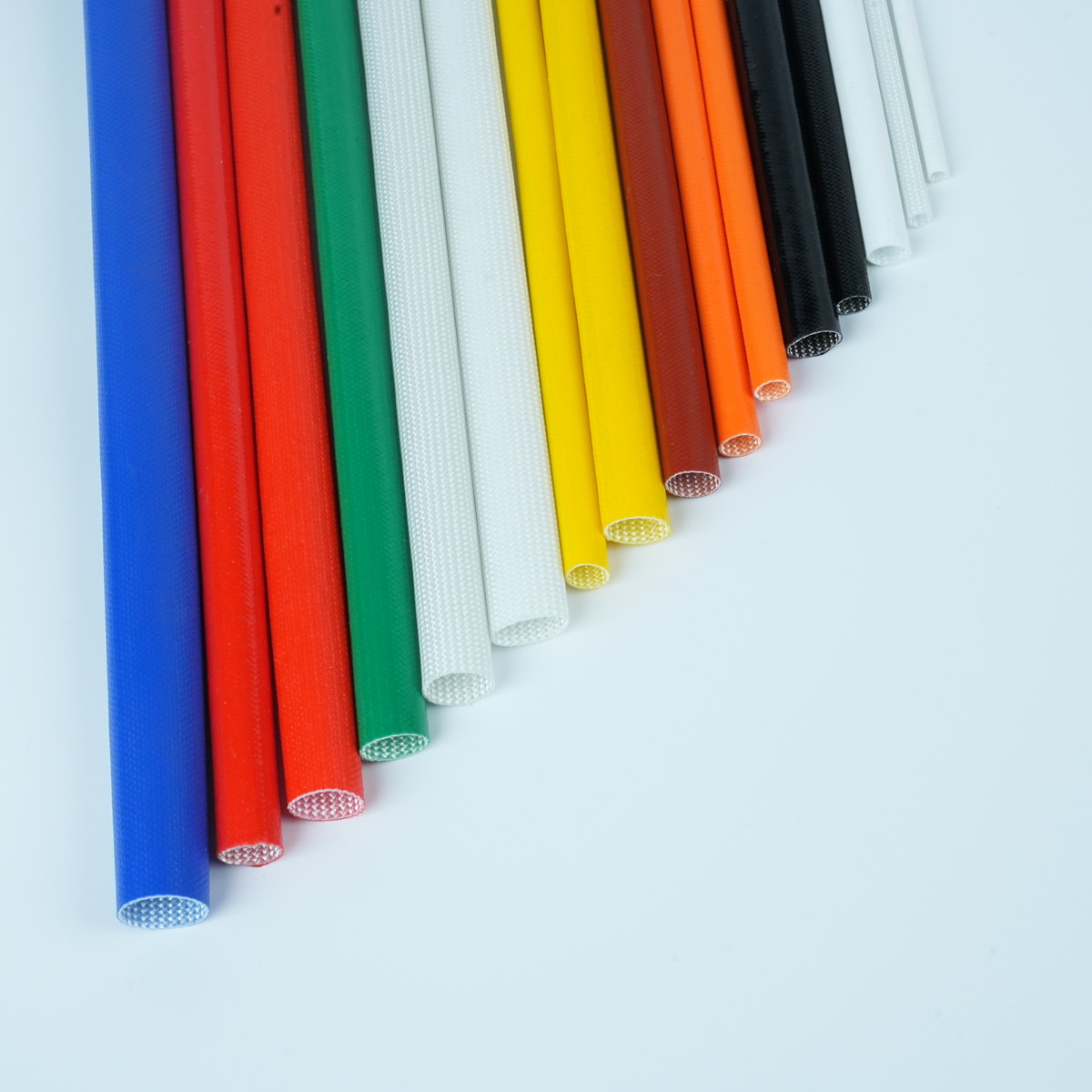
Solar cable routing demands careful attention to protection and durability, particularly in environments where temperature fluctuations and UV exposure pose constant threats. Fiberglass sleeving has emerged as a critical component in solar installations, providing robust protection for cables that must withstand harsh outdoor conditions. Selecting the right fiberglass sleeving requires understanding the specific demands of your solar system, the environmental factors at play, and the performance characteristics that matter most for long-term reliability.
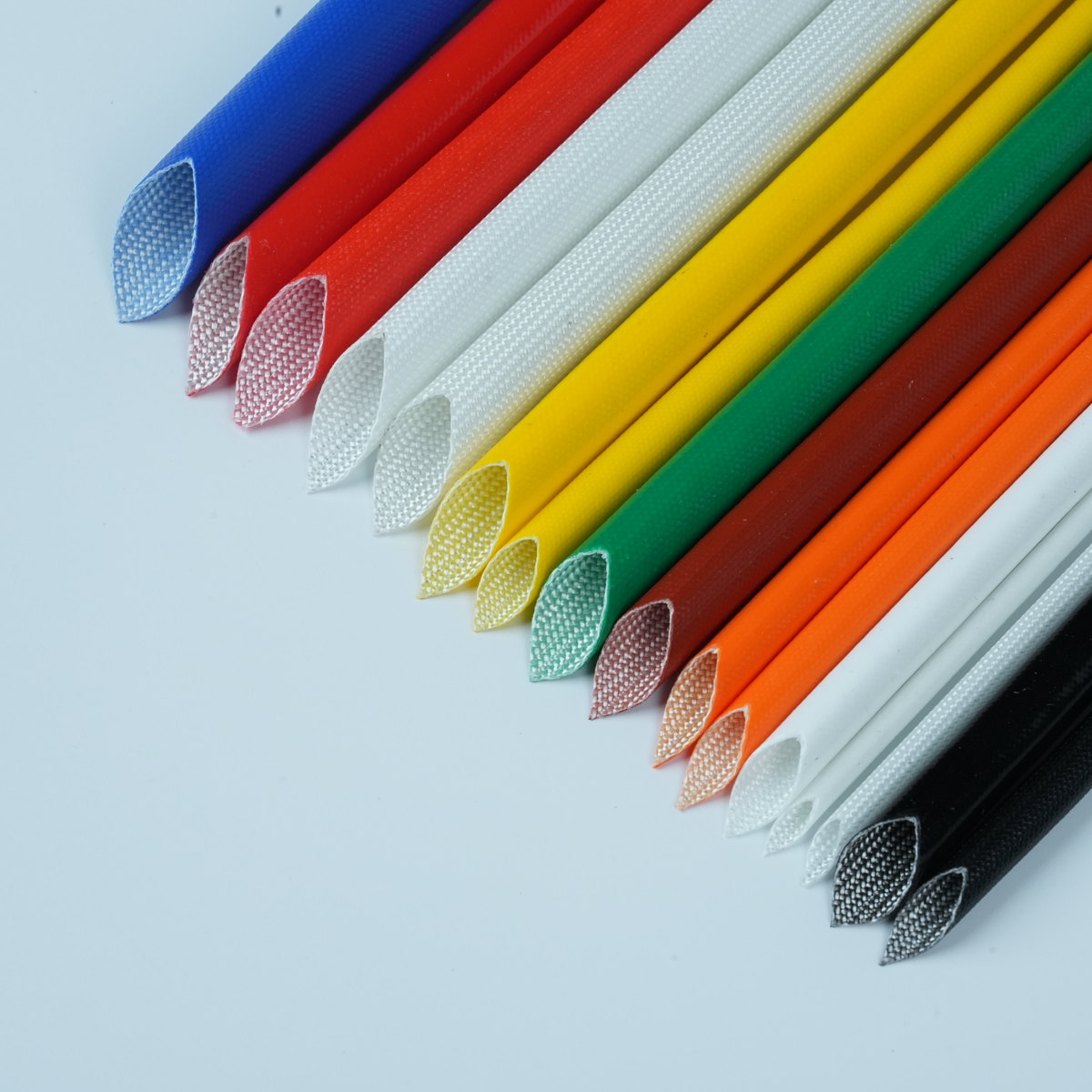
The selection process involves evaluating multiple technical factors, including heat resistance ratings, insulation properties, and overall cable durability. Solar installations expose cables to temperature extremes, mechanical stress, and chemical degradation that standard protective materials cannot reliably withstand. Investing time upfront to choose appropriate protection ensures system longevity and reduces maintenance costs over the years.
Understanding Heat Resistance and Temperature Requirements
Assessing Your Solar System's Temperature Environment
Solar cable installations experience significant temperature variations depending on geographic location, roof design, and seasonal changes. In direct sunlight, exposed cables can reach temperatures 20 to 30 degrees Celsius above ambient air temperature, particularly on dark-colored roofing materials or metal surfaces. Your selection of fiberglass sleeving must account for both the highest anticipated temperatures and the thermal cycling stress that repeated heating and cooling cycles impose on protective materials. Heat resistance becomes the primary performance criterion, as inadequate protection can lead to insulation degradation and potential system failures.
Matching Temperature Ratings to Solar Applications
Different solar installations require different levels of heat resistance protection. Residential rooftop systems typically experience temperatures up to 80–90 degrees Celsius under peak conditions, while ground-mounted arrays in extreme climates might reach 100 degrees Celsius or higher. High temperature insulation products must be selected with margins of safety that exceed maximum expected temperatures by 20–30 percent. This approach ensures that fiberglass sleeving maintains its structural integrity and protective properties even during unexpected temperature spikes or during the cable's full operational lifespan, which typically spans 25 years or more for modern solar systems.
Wire Protection and Material Durability
Evaluating Mechanical Protection Needs
Beyond thermal considerations, wire protection involves shielding cables from mechanical damage, abrasion, and UV exposure. Solar installations frequently route cables through areas where they contact metal roof penetrations, sharp edges, or mounting hardware. Fiberglass sleeving provides a durable barrier that resists punctures and cuts that would otherwise compromise cable insulation. The material's inherent strength also protects against rodent damage and environmental debris impact, particularly important in areas prone to storms or high winds. Quality wire protection extends cable lifespan and maintains system safety by preventing electrical faults that could trigger fires or electrocution hazards.
Chemical and Environmental Resistance
Solar cables installed outdoors face exposure to moisture, salt spray, UV radiation, and various atmospheric pollutants. High temperature insulation materials must resist these environmental stressors without degrading or losing their protective properties. Fiberglass sleeving with appropriate resin systems and UV-resistant coatings maintains flexibility and strength throughout the system's operational life. The selection process should verify that the material specification includes resistance to moisture penetration, salt corrosion, and ozone exposure. These environmental factors become especially critical in coastal installations or regions with heavy industrial air pollution.
Selection Criteria and Practical Implementation
Thickness, Diameter, and Fit Specifications
Proper sizing ensures that fiberglass sleeving provides effective protection without creating installation difficulties or thermal management problems. The sleeving diameter must accommodate the cable gauge while allowing snug coverage that prevents slipping or bunching. Thickness selection involves balancing mechanical protection requirements against installation flexibility and bend radius considerations. Thicker materials provide superior durability but reduce flexibility, potentially complicating routing through tight spaces. A thickness range of 1.0 to 2.0 millimeters typically satisfies most solar cable applications, though specific installations may require adjustment based on routing complexity and mechanical hazard assessment.
Installation and Maintenance Considerations
During installation, fiberglass sleeving must be applied consistently along cable runs, with particular attention to termination points and sharp bends where protection is most critical. The material should be secured with appropriate fasteners or adhesive that maintain contact with the cable surface throughout thermal cycling. Routine maintenance inspections should verify that sleeving remains intact and properly positioned, addressing any separation or damage promptly. Proper installation techniques and ongoing maintenance ensure that heat resistance and wire protection performance meet design specifications throughout the system's operational lifespan, maximizing return on investment and minimizing downtime risk.
FAQ
What temperature ratings should I specify for fiberglass sleeving in solar applications?
Most solar cable installations require high temperature insulation rated for continuous operation at 125 to 150 degrees Celsius, with peak intermittent ratings of 180 degrees Celsius or higher. Select materials with temperature ratings that exceed your system's maximum anticipated operating temperature by at least 25 degrees Celsius to ensure adequate safety margins. Installation location, roof color, and climate zone all influence the appropriate temperature specification for your specific application.
How does fiberglass sleeving compare to other cable protection methods for heat resistance?
Fiberglass sleeving offers superior heat resistance compared to standard PVC jackets or fabric wraps, making it the preferred choice for solar applications where temperature exposure is significant. The material maintains structural integrity across wide temperature ranges and resists UV degradation that compromises competing products. Wire protection from fiberglass sleeving also exceeds most alternative materials, providing mechanical durability that justifies its slightly higher cost through extended cable lifespan.
Can fiberglass sleeving be applied to existing solar cable installations?
Yes, fiberglass sleeving can typically be retrofitted to existing installations, though the process requires careful routing to avoid disturbing electrical connections or creating strain on cable terminations. The installation approach depends on cable routing complexity and whether sections must be removed for sleeving application. Professional installation ensures that heat resistance and wire protection benefits are fully realized and that all electrical safety codes are properly satisfied.
 EN