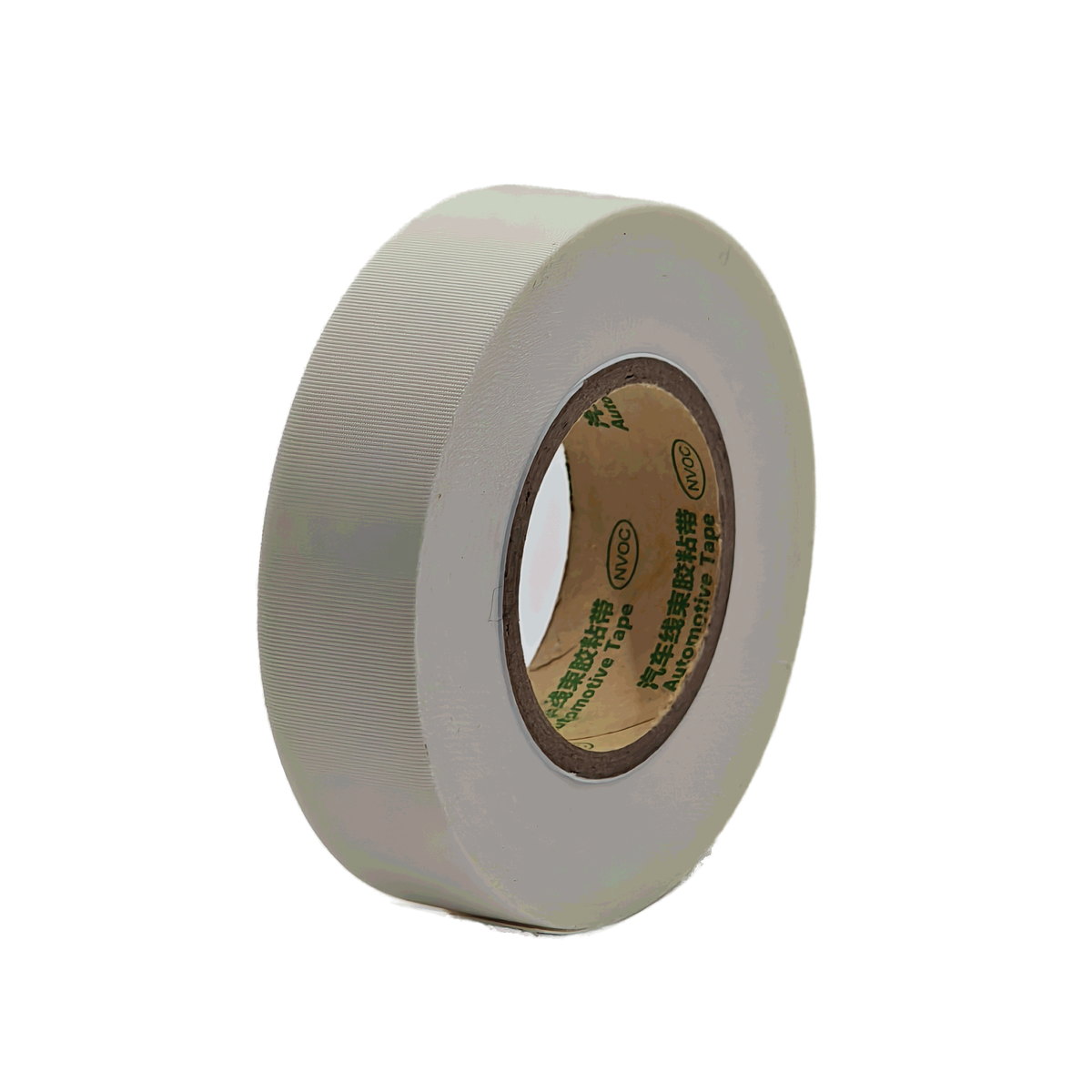
Solar installations demand precision and reliability at every level, especially in cable management and routing. The right materials protect your investment and ensure long-term performance in challenging outdoor environments. Acetate cloth tape has emerged as a trusted solution for securing and organizing solar cables, offering superior performance compared to conventional wrapping methods.
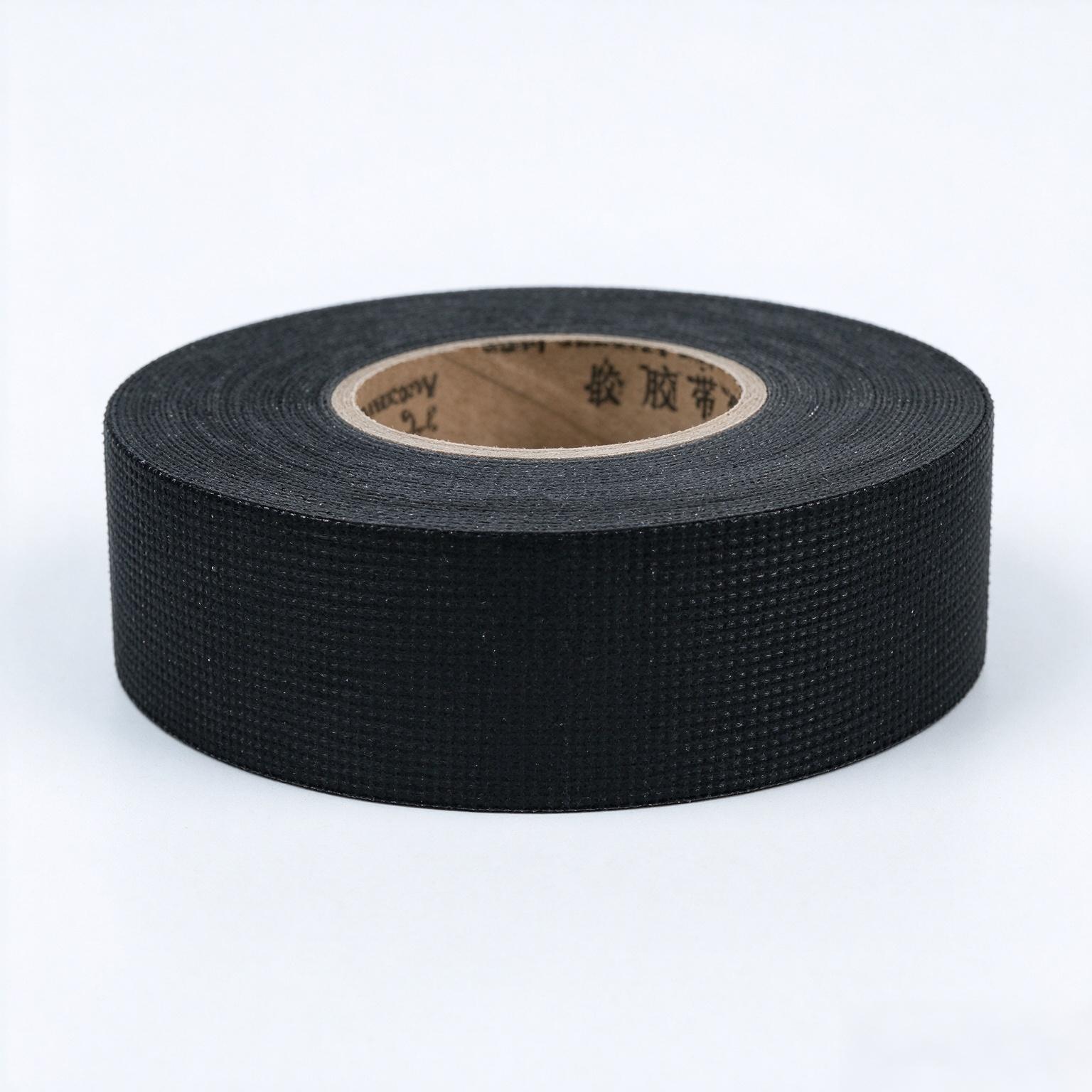
Selecting the correct acetate cloth tape for your solar cable routing project requires understanding key material properties, environmental factors, and performance specifications. This guide walks you through the essential criteria to make an informed decision that enhances safety, durability, and system efficiency in your solar energy installation.
Understanding Acetate Cloth Tape Properties and Benefits
Core Material Composition and Performance
Acetate cloth tape combines a woven acetate backing with adhesive formulations designed specifically for demanding industrial applications. The fabric structure provides exceptional tear resistance and conformability around irregular cable shapes and routing angles. This tape maintains its integrity under thermal cycling, moisture exposure, and UV radiation, making it ideal for outdoor solar installations where temperature fluctuations are constant.
The adhesive system in quality acetate cloth tape formulations ensures strong initial tack and long-term hold without degrading in sunlight. Unlike standard PVC tape that hardens and becomes brittle over time, acetate cloth tape retains its flexibility, preventing cracking and delamination that could expose cables to environmental damage. This durability directly translates to reduced maintenance costs and improved system reliability throughout the installation lifecycle.
Heat Resistant Tape Advantages in Solar Environments
Heat resistant tape formulations used in premium acetate cloth tape products offer continuous temperature ratings up to 140°C or higher, depending on the specific product variant. Solar cable routing environments experience significant temperature stress, particularly where cables run along metal structures or are exposed to direct sunlight. Acetate cloth tape rated for high heat performance prevents adhesive breakdown and material degradation under these extreme conditions.
The combination of heat resistant tape technology with acetate fabric creates a synergistic protective layer that shields cables from both thermal stress and mechanical abrasion. This dual protection mechanism extends cable service life and reduces the risk of insulation compromise that could lead to electrical failures or safety hazards in your solar system.
Application-Specific Selection Criteria for Cable Wrapping
Cable Wrapping Techniques and Tape Width Selection
Proper cable wrapping requires careful consideration of tape width, which typically ranges from 12mm to 50mm depending on cable bundle size and routing complexity. For small diameter solar cables common in residential installations, narrower tape widths between 12mm and 25mm provide precise control and minimize material waste. Larger commercial installations with thicker cable bundles benefit from wider tape configurations that cover more surface area per application pass.
The cable wrapping process involves spiraling tape around the cable bundle at consistent tension and overlap intervals. Acetate cloth tape's conformability ensures complete surface contact even when wrapping irregular bundles or cables with multiple components. This conformability prevents air pockets that could trap moisture or allow cable movement that compromises the protective layer.
Adhesive Strength and Environmental Compatibility
When selecting cable wrapping materials, adhesive strength must match your specific routing environment. Outdoor solar installations benefit from premium acetate cloth tape formulations featuring enhanced adhesive systems that maintain bond strength despite exposure to UV radiation, temperature cycling, and humidity variations. Testing the tape on representative cable samples under your actual environmental conditions helps ensure the adhesive performance meets long-term requirements.
Environmental compatibility extends beyond simple adhesion, encompassing resistance to cleaning agents, saltwater exposure in coastal installations, and chemical compatibility with cable insulation materials. High-quality heat resistant tape formulations incorporate additives that prevent adhesive migration into cable insulation, which could compromise electrical properties or cause premature failure of the protective wrapping.
Integration with Automotive Harness Standards and Best Practices
Harness Organization and Routing Discipline
Although automotive harness applications differ from solar installations, the organizational principles underlying quality automotive harness tape selection directly apply to solar cable management. Automotive harness standards emphasize systematic cable bundling, clear routing paths, and protective wrapping that withstands mechanical stress and thermal cycling. These same disciplines enhance solar installation quality and safety when applied with appropriate material modifications for solar-specific demands.
The automotive harness industry has established rigorous testing protocols for cable wrapping materials, including abrasion resistance, flame resistance, and adhesive durability under thermal shock. Acetate cloth tape formulations that meet automotive harness compatibility standards typically exceed standard solar installation requirements, providing a significant safety margin in performance and longevity.
Material Certification and Performance Standards
Selecting acetate cloth tape for solar applications becomes more straightforward when you reference established standards from automotive and electrical industries. Many quality tape products carry certifications indicating compliance with automotive harness specifications, electrical safety standards, and environmental durability requirements. These certifications provide objective evidence of performance characteristics rather than relying solely on manufacturer claims.
Cross-referencing automotive harness standards with solar installation guidelines helps ensure your tape selection meets or exceeds all applicable requirements. This approach to specification verification builds confidence in material choices and reduces risk of performance failures or safety incidents after installation completion.
FAQ
What thickness of acetate cloth tape should I use for optimal solar cable protection?
Acetate cloth tape thickness typically ranges from 0.15mm to 0.35mm depending on the specific product formulation. For solar cable routing, a thickness between 0.20mm and 0.25mm provides an ideal balance between protective coverage and ease of application. Thicker formulations offer enhanced mechanical protection but may be more difficult to wrap smoothly around cables, while thinner options provide better conformability but slightly reduced physical protection.
How does heat resistant tape performance degrade under extended sunlight exposure?
Quality heat resistant tape formulations incorporate UV-stabilizing additives that slow adhesive degradation and material brittleness when exposed to continuous sunlight. While all materials experience some degradation under extended UV exposure, premium acetate cloth tape products maintain usable performance for 15 to 25 years in typical solar installation environments. Regular visual inspections every 3 to 5 years help identify any tape sections requiring replacement before significant degradation occurs.
Can acetate cloth tape be used as a substitute for traditional cable conduit in solar installations?
Acetate cloth tape serves as an excellent supplementary protection layer and organization tool but should not completely replace rigid cable conduit where mechanical protection is critical. Cable wrapping with acetate cloth tape works best as a secondary layer that organizes cables and provides UV and thermal protection. For installations where cables run through high-traffic areas or face potential mechanical damage, combining acetate cloth tape wrapping with conduit provides comprehensive protection that exceeds either method alone.
 EN