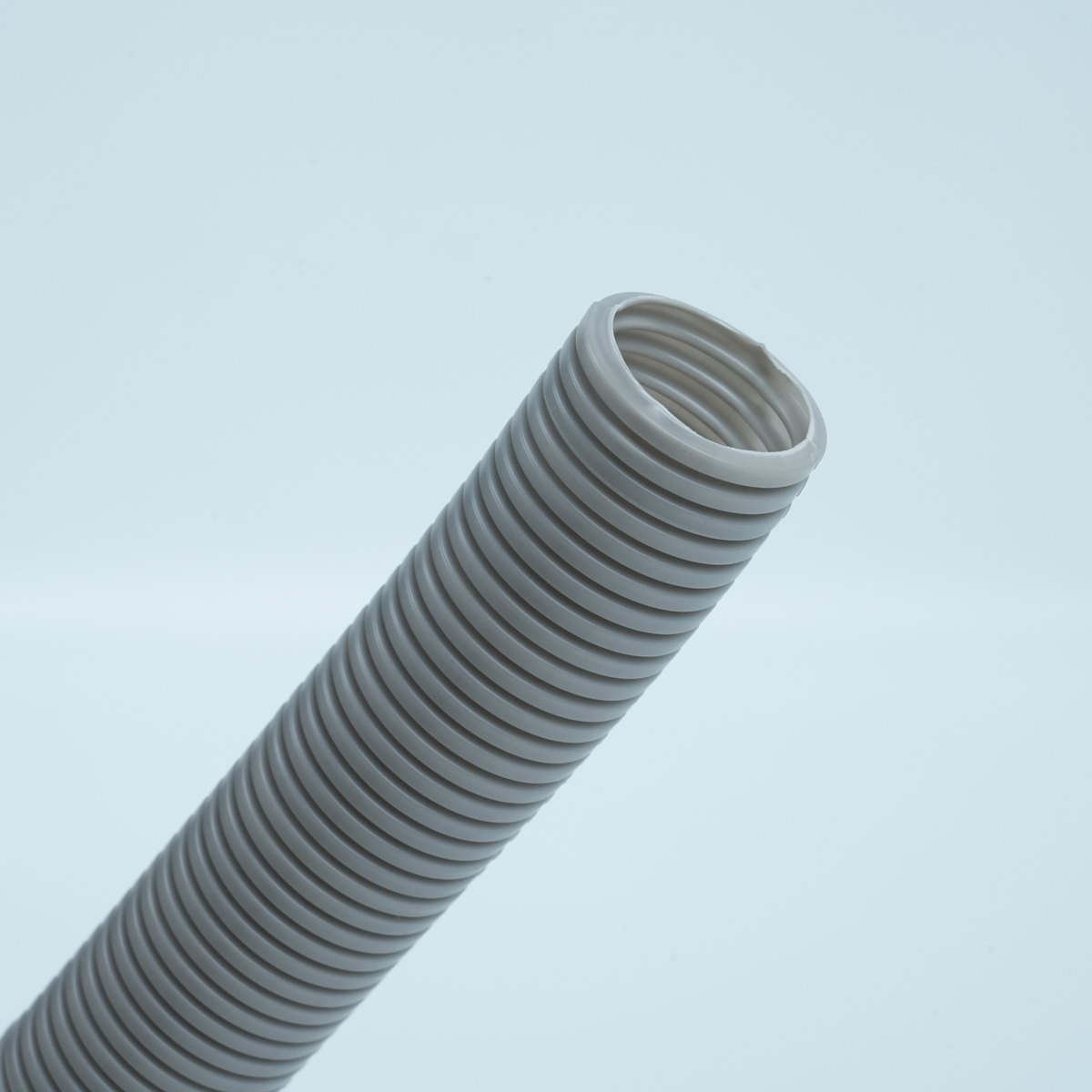
Routing wire loom conduit through tight bends is one of the most common challenges in automotive wiring installations. When space is limited and cable density is high, improper routing can lead to cable damage, signal degradation, and premature system failures. Understanding how to navigate tight bends without crowding your cables is essential for any technician or engineer working with complex wiring harnesses. The difference between a well-routed installation and a problematic one often comes down to planning, material selection, and technique. This guide walks you through proven strategies to handle even the most challenging routing scenarios while maintaining optimal wire harness protection.
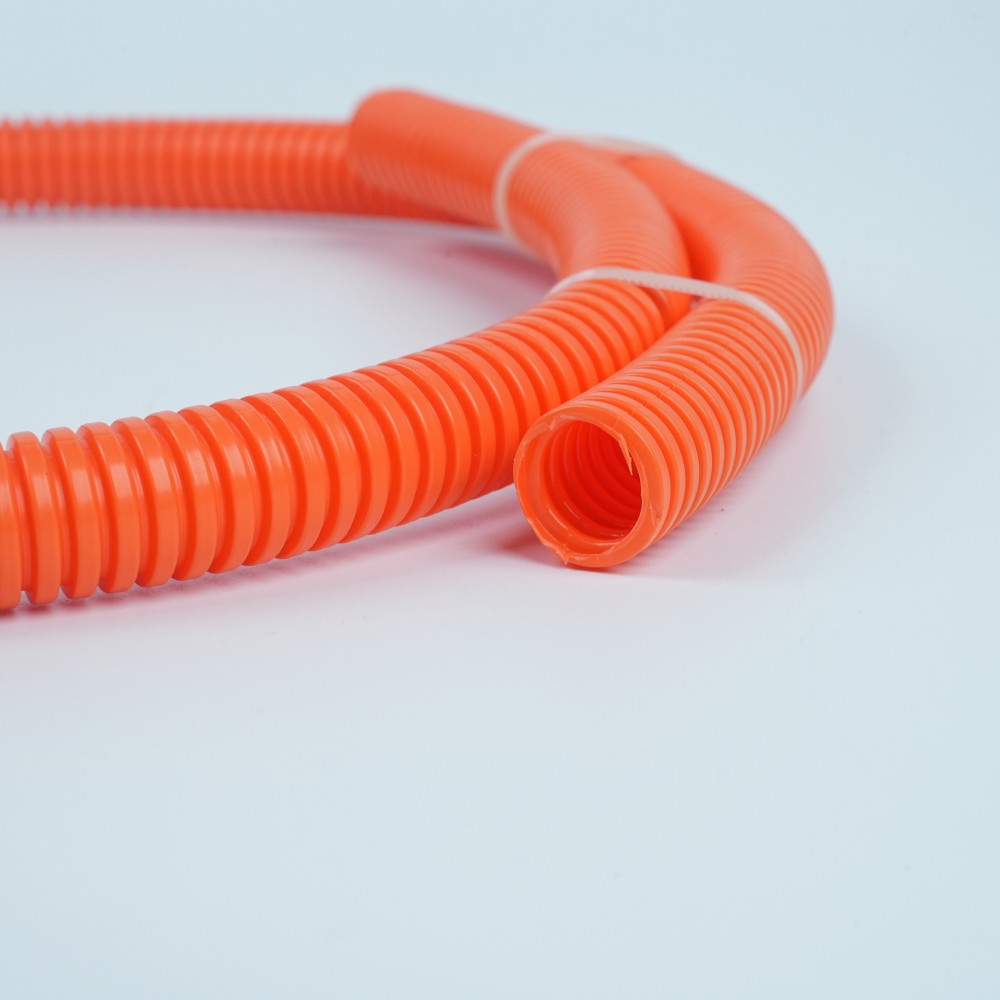
Before attempting to route automotive wiring through constrained spaces, you need to assess both the physical environment and your cable requirements. The key is selecting appropriate wire harness protection materials and understanding bend radius limits for your specific conduit type. Split loom remains one of the most popular choices because it combines flexibility with ease of installation, but it requires careful handling in tight scenarios. Your success depends on preemptive planning, proper material sizing, and understanding how different conduit types respond to bending stress.
Understanding Bend Radius Limitations and Cable Crowding
Every conduit and cable has a minimum bend radius specification that must be respected to prevent damage. When you force wire harness protection material beyond its rated bend radius, you risk crushing internal conductors, breaking insulation, and creating failure points. Crowding cables inside the conduit compounds this problem because each wire competes for space, increasing internal friction and pressure during the bend. The tighter the bend radius required, the more critical it becomes to avoid overfilling the conduit with cables.
Calculating Safe Cable Fill Percentages
Industry standards recommend that automotive wiring bundles should not exceed 50 percent of the total conduit cross-sectional area. This guideline becomes even more important when navigating tight bends where internal pressure increases. To calculate your safe fill level, measure the total diameter of all cables you need to bundle, then select a wire loom conduit size that provides adequate clearance. For example, if your combined cable diameter is 0.5 inches, choose a conduit with an internal diameter of at least 1.0 to 1.2 inches. This approach ensures that individual wires can move freely during installation and bending without excessive crowding.
Matching Conduit Type to Your Bend Scenario
Split loom offers excellent flexibility and can accommodate tighter bends than rigid conduit, making it ideal for automotive wiring applications where space is limited. Corrugated nylon conduit provides superior wire harness protection while maintaining reasonable flexibility for moderate bends. When your application requires extreme bend radius reduction, corrugated options specifically engineered for tight bends will outperform standard split loom. Test fit your wire bundles in representative bends before committing to full installation to verify that your selected conduit can handle the actual routing requirements without crowding.
Practical Routing Techniques for Congested Cable Paths
Successfully routing cables through tight spaces requires a methodical approach that prioritizes protection without sacrificing functionality. Your routing strategy should begin with a detailed path map showing all turns, bends, and constraint points. Identify where cables will experience the most stress and consider those locations as critical design elements. The goal is to achieve smooth, gradual transitions rather than sharp angles that concentrate pressure on individual wires within the conduit.
Segmenting and Staggering Cable Bundles
One effective technique for managing automotive wiring in tight spaces is to segment your cable bundle into smaller, independent groups rather than combining all wires into a single large conduit. This approach allows you to route each segment through the most efficient path available, reducing crowding at critical bends. For instance, power cables might follow one path while signal wires take a slightly different route, each protected by appropriately sized wire harness protection. This segmentation strategy is particularly valuable when your layout includes multiple tight bends at different angles.
Using Gradual Bend Transitions
Sharp 90-degree turns demand extreme caution because they concentrate stress at a single point within the split loom. Instead, plan routing paths that use multiple gentle bends to achieve the same directional change. A 45-degree turn followed by another 45-degree turn, spaced several inches apart, distributes cable stress much more evenly than a single sharp corner. This gradual transition approach also allows better control during installation and reduces the risk of cable crowding at the bend point. When space absolutely requires a tight bend, select wire loom conduit with superior flexibility and verify that your cable bundle size stays well within the safe fill percentage.
Installation Best Practices for Tight Bend Routing
Proper installation technique directly impacts whether your wire harness protection performs as intended in challenging routing scenarios. The way you prepare cables, feed them through the conduit, and secure the assembly all influence whether crowding occurs and whether individual wires remain properly protected. Taking time during installation to verify proper cable placement prevents problems that would only become apparent after the system is operational. Your installation approach should focus on smooth, controlled cable movement and consistent support throughout the routing path.
Pre-Installation Cable Preparation
Before inserting cables into your selected wire loom conduit, organize them according to diameter and function. Larger diameter power cables should be positioned toward the outer edge of the bundle, while smaller signal wires can occupy center positions. Some technicians use flexible tape guides or cardboard templates during tight-bend routing to maintain cable spacing and prevent crowding during insertion. This preparation step significantly reduces installation time and improves the final routing quality, especially when working with automotive wiring that must maintain precise cable positioning for electromagnetic compatibility.
Controlled Cable Feeding Through Bends
When feeding cables through tight bends, move slowly and deliberately rather than rushing the insertion process. Apply steady, even pressure and pause frequently to check for resistance or signs that cables are bunching at the bend point. If you encounter excessive resistance, stop and verify that your wire harness protection size is appropriate for your cable bundle. Never force cables through a conduit that appears too snug, as this almost certainly indicates internal crowding that will compromise protection and cable lifespan. Use split loom or other expandable wire loom conduit varieties that allow you to visually inspect cable positioning during installation and adjust as needed.
Supporting Conduit at Critical Points
After routing cables through tight bends, secure the assembly with support clamps positioned at intervals appropriate for the installation environment. In automotive wiring applications, support spacing typically ranges from 6 to 12 inches depending on vibration exposure and bend severity. This support strategy prevents cable shift during vehicle operation and ensures that your wire harness protection maintains consistent positioning throughout the routing path. Pay special attention to tight bend locations where support becomes even more critical because that is where internal stress concentrates.
FAQ
What is the typical minimum bend radius for split loom in tight routing applications?
Most quality split loom products specify a minimum bend radius of approximately 1.5 times the conduit outer diameter. For example, a 0.5-inch diameter split loom should not be bent tighter than 0.75 inches radius. However, this specification assumes proper cable fill percentage and smooth bending rather than sharp creases. Always consult your specific wire loom conduit manufacturer's documentation and perform a test bend with your actual cable bundle before committing to final installation routing.
Can automotive wiring and power cables share the same wire loom conduit through tight bends?
Mixing power and signal cables in a single wire loom conduit through tight bends is generally possible but requires careful planning to avoid electromagnetic interference and excessive crowding. Many technicians choose to maintain separate conduits for power and signal circuits, especially when routing is constrained. If you must combine them, keep power cables and signal wires separated within the conduit using internal dividers or careful positioning to maintain wire harness protection integrity. Tight bends increase internal pressure, which makes separation more challenging and makes monitoring cable crowding more critical.
How do I know if my cables are experiencing crowding within the conduit?
Signs of cable crowding include resistance during installation, visible compression or flattening of the conduit, and difficulty confirming that individual wires are moving freely within the split loom. After installation, inspect the conduit during operation for signs of stress or deformation at bend locations. If you notice any of these indicators, your wire harness protection is likely inadequate for your routing application. Consider upgrading to larger conduit diameter or segmenting your cable bundle into separate routing paths to reduce pressure and ensure proper wire loom conduit performance.
 EN