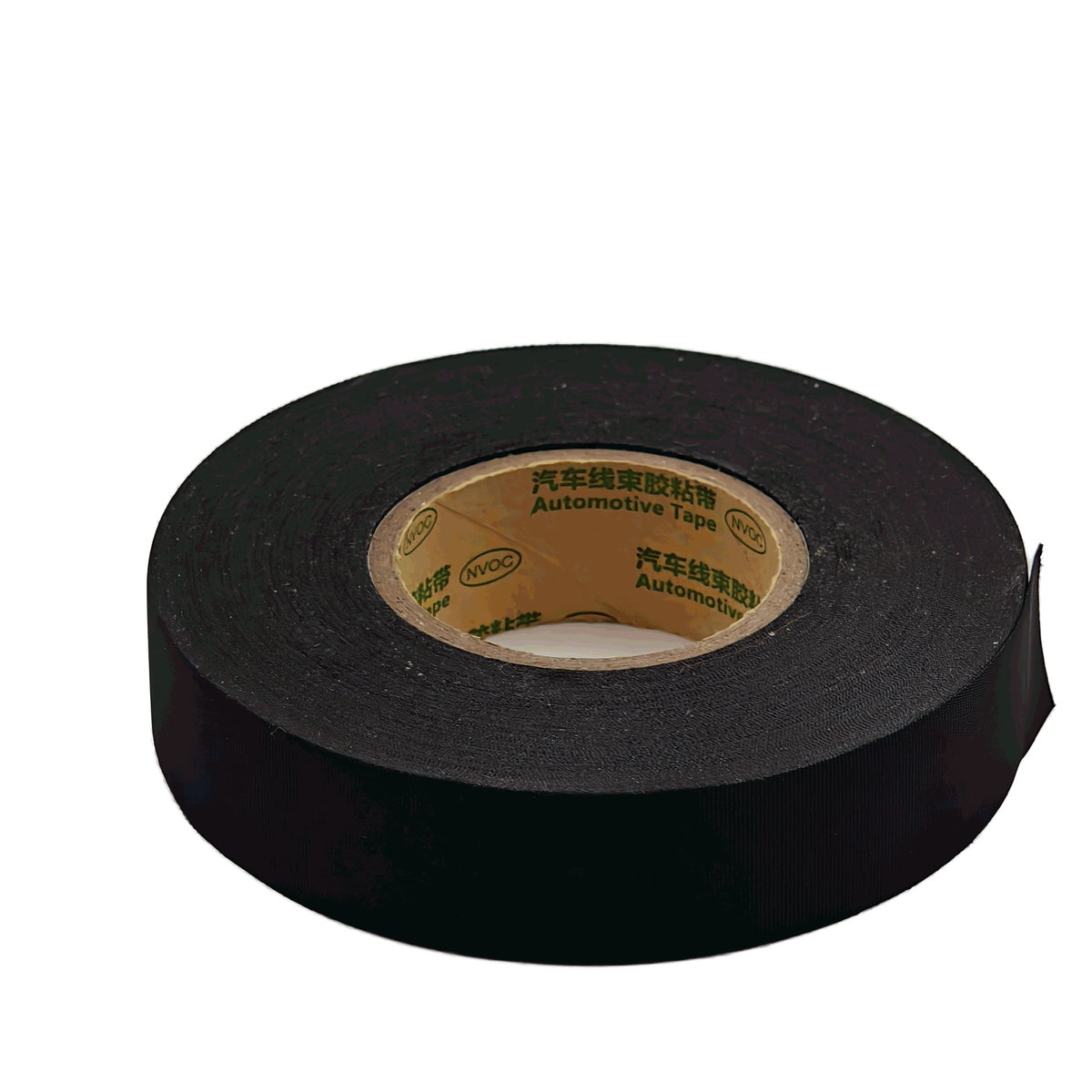
Installation projects in electrical and industrial applications demand precision, durability, and efficiency. One of the most overlooked factors in reducing project timelines is selecting the right materials for your specific application. The right acetate cloth tape can dramatically cut installation time by streamlining cable wrapping, improving adherence, and eliminating rework. This material science solution has become essential for professionals who need to balance speed with reliability on job sites.
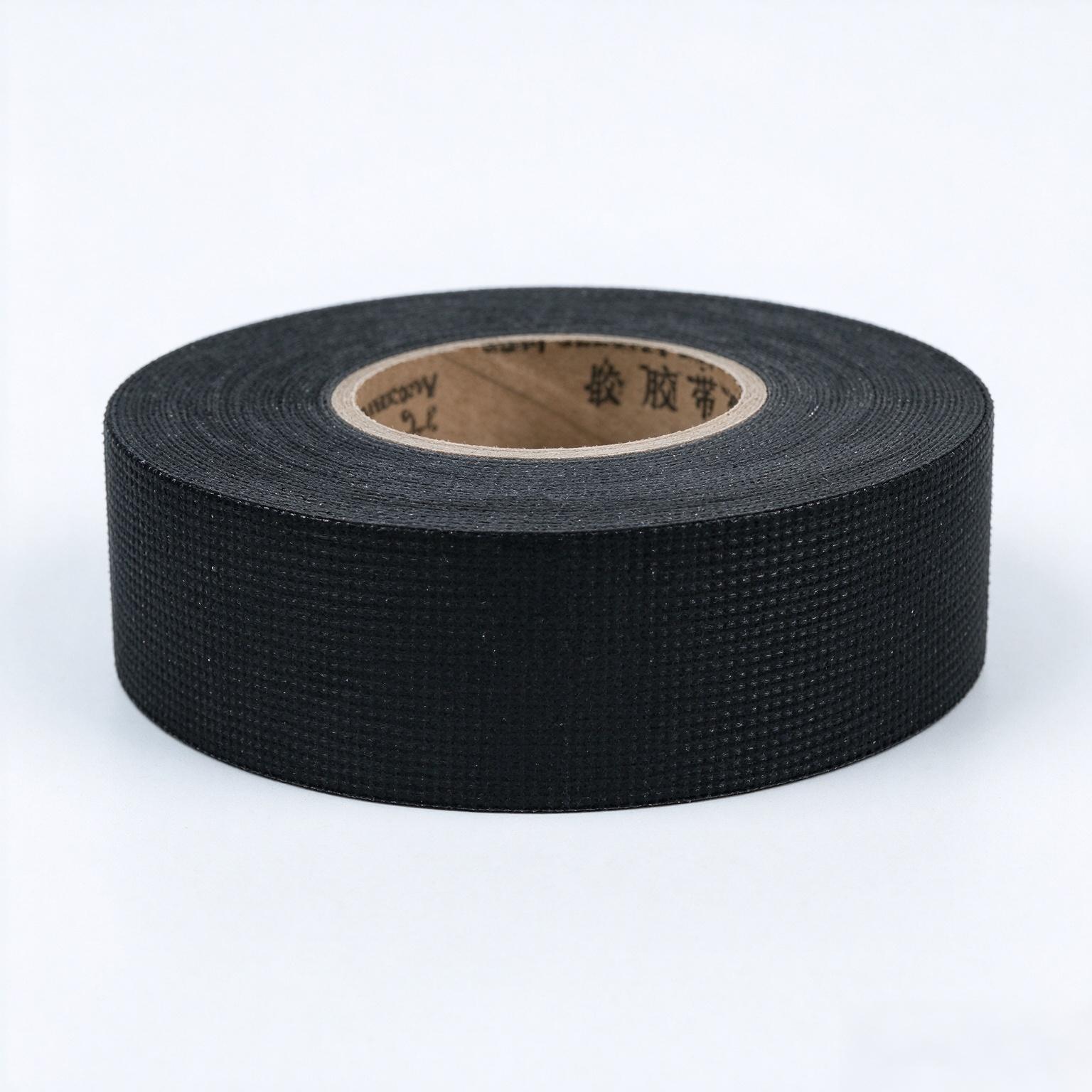
Installation speed directly impacts project budgets and labor costs. When you invest in quality tape designed for your workflow, you reduce installation time significantly compared to generic alternatives. The consistency, strength, and adhesive performance of a well-engineered product eliminate common delays such as tape slippage, adhesive failure, and repeated application cycles. Understanding how to leverage the right tape specification transforms installation from a time-consuming bottleneck into a streamlined process.
Why Material Selection Impacts Installation Speed
The Role of Heat Resistant Tape in Cable Wrapping
Cable wrapping represents a major portion of installation labor on many projects. Heat resistant tape that maintains its integrity under operational conditions ensures that your cable wrapping stays intact without requiring reinforcement or replacement. When tape fails due to temperature fluctuation or environmental exposure, technicians must unwrap, clean, and re-wrap cables, multiplying installation time exponentially. Quality heat resistant tape eliminates this costly rework cycle and ensures first-pass success.
The adhesive formulation in professional-grade tape directly affects how quickly technicians can complete wrapping tasks. Superior adhesive that bonds immediately without requiring pressure or curing time allows workers to move faster through each installation phase. Poor adhesive performance forces workers to apply multiple overlapping layers or wait for curing, both of which extend installation schedules and increase material waste.
Electrical Insulation Standards and Time Efficiency
Electrical insulation requirements are non-negotiable in industrial applications, but meeting these standards should not require excessive installation time. Tape that achieves superior electrical insulation properties in a single, correctly-applied layer saves time compared to products requiring multiple passes or additional wrapping materials. When electrical insulation is engineered into the tape composition, you eliminate the need for supplementary insulation methods that would add labor hours to your project timeline.
Compliance testing and quality assurance also benefit from using the right material. Tape that consistently meets electrical insulation benchmarks reduces inspection time, rework requests, and project delays caused by failed quality checks. Technicians gain confidence in their work when using a proven product, which translates into faster, cleaner installations with fewer false starts.
Technical Advantages That Accelerate Installation
Cable Wrapping Efficiency and Application Speed
Cable wrapping with professional tape is fundamentally different from using generic alternatives. The backing material, adhesive composition, and thickness must balance tear resistance with handling ease. Tape that tears cleanly and applies smoothly eliminates fumbling and repositioning, allowing technicians to wrap cable runs efficiently without frustration or delays. The right product unrolls predictably, conforms to complex cable geometry, and stays in place during application without constant re-tensioning.
Surface preparation time also decreases when using tape designed for fast adhesion. Products engineered for immediate bonding eliminate the need for primer applications or extended drying periods. This direct-application capability means technicians spend less time preparing surfaces and more time completing actual wrapping work, cutting installation hours substantially on large projects involving dozens or hundreds of cable runs.
Durability and Reduced Maintenance Interruptions
Installation time extends well beyond the initial application phase when you factor in maintenance and remediation. Heat resistant tape that maintains flexibility and adhesion across temperature extremes prevents edge lifting, adhesive degradation, and premature failure that would require technicians to return for repairs. This reliability eliminates unscheduled maintenance windows that disrupt operations and extend overall project timelines.
The material composition of quality electrical insulation tape includes UV stabilizers, heat resistance properties, and chemical compatibility that keep it performing through years of operational stress. When tape remains stable under field conditions, installation teams can focus on new projects rather than managing chronic failures from inadequate materials. This compounds time savings across your entire maintenance and installation portfolio.
Practical Implementation Strategies
Selecting the Right Tape Specification for Your Application
The first step toward faster installation is matching tape specifications to your actual application requirements. Cable wrapping in high-heat environments demands different thermal performance than general-purpose wrapping. Electrical insulation needs vary by voltage class, environmental exposure, and regulatory requirements. Selecting heat resistant tape with specifications that match your exact operational conditions ensures compatibility without oversizing or undersizing the product, which wastes both money and installation time through handling unnecessary material thickness or inadequate performance.
Working with technical datasheets helps identify performance margins that matter for your installation speed. Some tape products specify minimum temperature ranges, maximum adhesion dwell times, and application thickness recommendations that directly influence how quickly your crew can complete work. Understanding these parameters before beginning installation prevents surprises and rework.
Training and Workflow Optimization
Even excellent materials require proper application technique to deliver maximum speed benefits. Training your installation teams on the specific handling characteristics of your chosen electrical insulation tape ensures consistent technique and eliminates common mistakes that slow progress. Teaching crews the proper tension, overlap spacing, and temperature conditions for application creates uniform results that pass inspection faster and require less rework.
Standardizing tape selection across your organization also improves installation speed through worker familiarity. When teams consistently use the same heat resistant tape product, they develop muscle memory and best-practice workflows that accelerate application. This consistency also simplifies procurement, reduces inventory complexity, and ensures predictable performance across all your projects.
FAQ
What makes acetate cloth tape superior for cable wrapping applications?
Acetate cloth tape combines excellent electrical insulation properties with superior tensile strength and conformability that alternatives cannot match. The cloth backing provides tear resistance and flexibility while the adhesive delivers immediate bonding without pressure or curing. These combined qualities mean faster application, fewer adhesion failures, and wrapping that stays secure through operational stresses, eliminating rework and reducing installation time significantly compared to paper-backed or plastic alternatives.
How does heat resistant tape prevent installation delays from failure?
Heat resistant tape maintains adhesion and structural integrity across temperature extremes that cause degradation in standard products. When tape fails due to thermal cycling or high-temperature environments, technicians must return to problem areas for remediation, extending installation timelines indefinitely. Quality heat resistant tape prevents edge lifting, adhesive breakdown, and material brittleness, ensuring that initial wrapping remains effective throughout the equipment lifecycle without requiring rework or maintenance interruptions.
Can using the right electrical insulation tape reduce overall project costs beyond labor time savings?
Yes, because superior electrical insulation products eliminate rework, reduce inspection failures, and minimize maintenance callbacks that consume resources long after initial installation. When tape performs reliably, you avoid the hidden costs of repeated visits, material waste from failed applications, and downtime from equipment failures caused by inadequate insulation. The investment in quality cable wrapping tape pays dividends through operational reliability, worker efficiency, and reduced total cost of ownership across your entire installation and maintenance program.
 EN