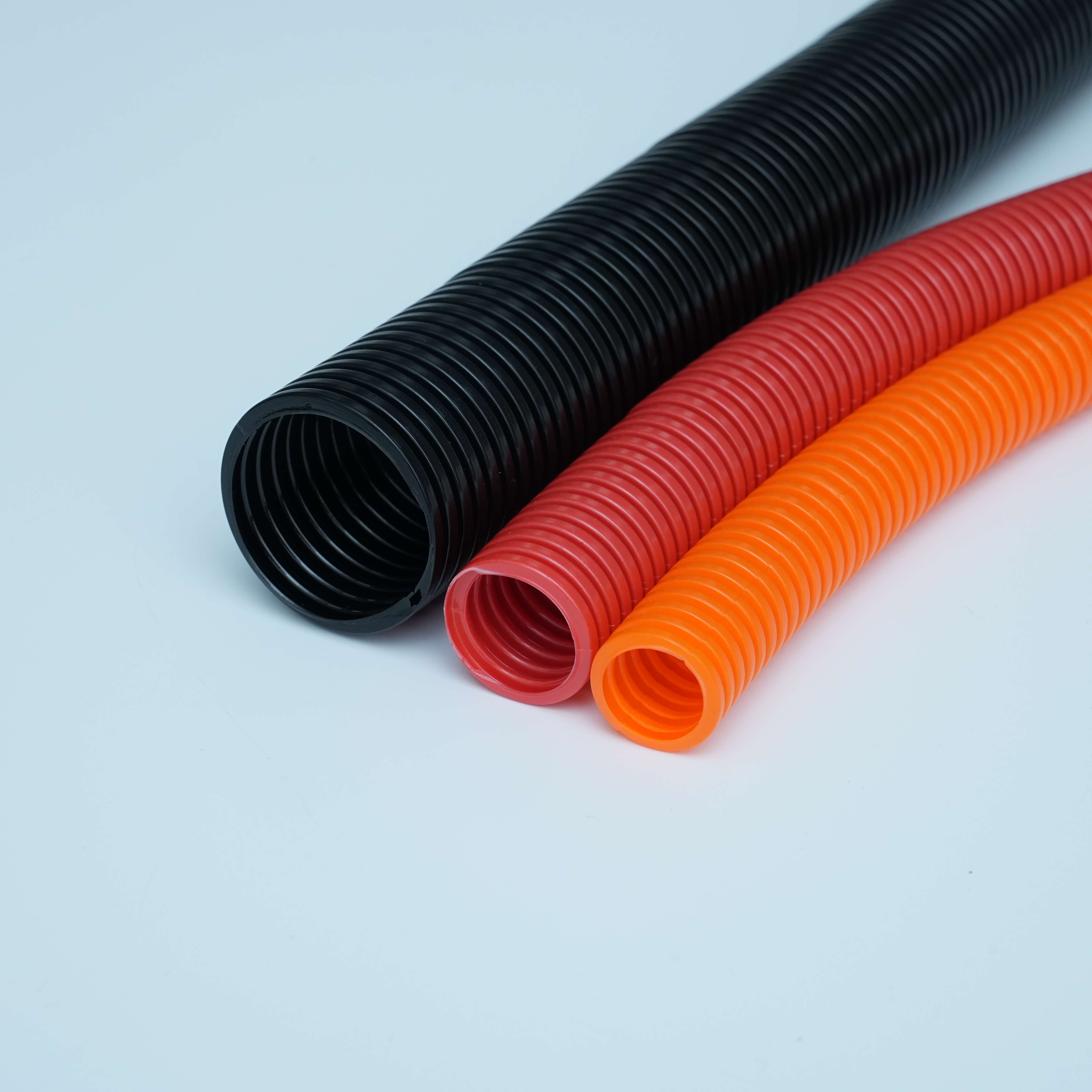
Harness chafing represents one of the most persistent challenges in automotive wiring systems, often leading to costly failures, safety hazards, and unexpected downtime. When electrical harnesses rub against sharp edges, abrasive surfaces, or moving components, the insulation degrades rapidly, exposing bare wires and creating short circuits. The solution lies not in expensive rewiring projects but in strategic deployment of proper wire loom conduit routing techniques that protect your automotive wiring investment.
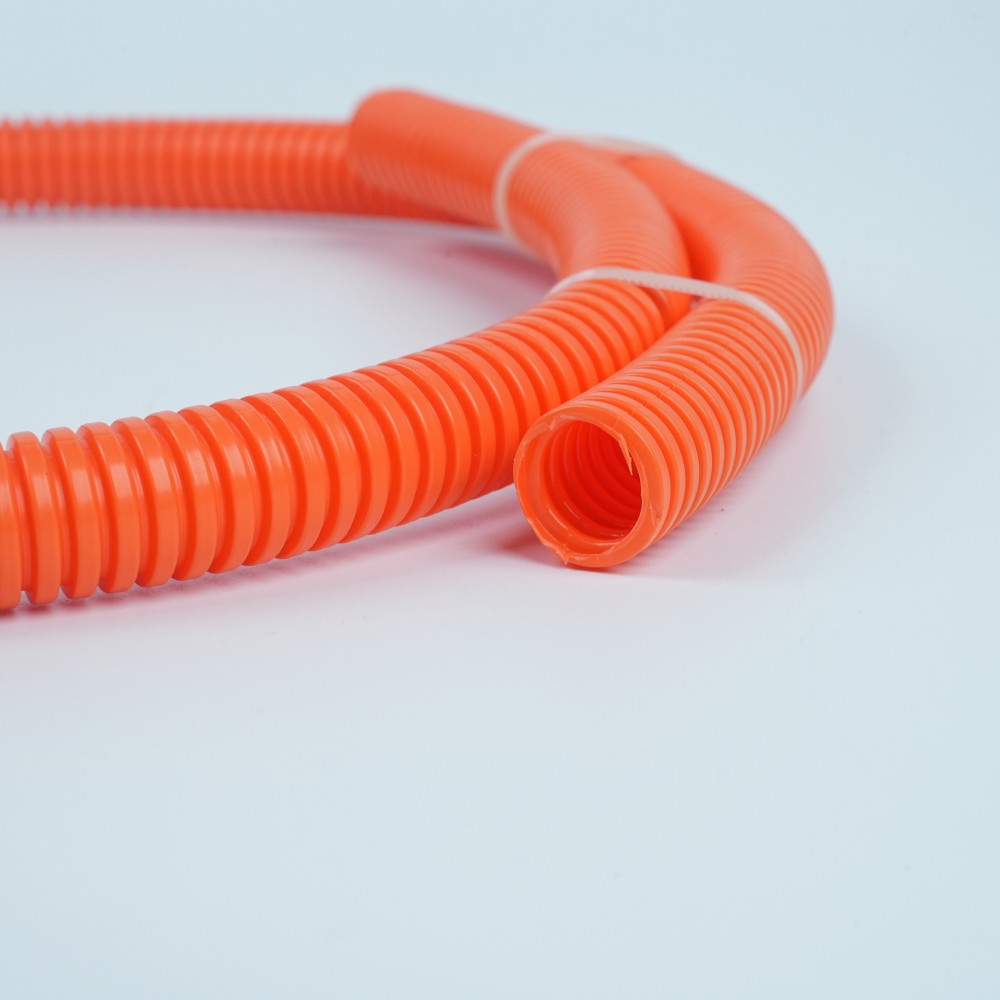
Understanding the root causes of harness damage and implementing preventive routing strategies transforms wire harness protection from an afterthought into a proactive maintenance discipline. Proper split loom application, combined with thoughtful conduit placement, dramatically extends the operational lifespan of your wiring systems while reducing troubleshooting time and replacement expenses. This guide walks you through the essential practices that keep automotive wiring safe, organized, and resistant to the environmental and mechanical stressors that threaten system integrity.
Understanding Harness Chafing and Wire Harness Protection
What Causes Chafing in Automotive Wiring
Harness chafing occurs when wires experience repeated friction against hard surfaces, sharp edges, or moving parts within the engine bay or chassis. Every vehicle vibrates during operation, and this constant motion causes wires to shift and rub against nearby structures, mounting brackets, or each other. Engine heat cycles, moisture ingress, and exposure to oils further compromise insulation integrity, accelerating breakdown. Without proper wire harness protection measures, even minor rubbing quickly transforms healthy insulation into compromised, hazardous conditions.
Why Correct Routing Prevents Damage
Strategic routing eliminates unnecessary contact between wires and abrasive points, while split loom and other protective conduit systems create a physical barrier against external threats. When automotive wiring follows a planned path that avoids sharp edges, high-heat zones, and moving components, the harness experiences dramatically reduced stress. Correct routing also improves air circulation around wires, helping dissipate heat and moisture that would otherwise accelerate insulation degradation. The investment in proper wire loom conduit routing pays dividends through improved reliability, simpler diagnostics, and extended equipment service life.
Best Practices for Wire Loom Conduit Routing
Selecting the Right Split Loom and Conduit Materials
Split loom serves as the foundation of any effective wire harness protection strategy, offering flexibility, ease of installation, and excellent abrasion resistance. When selecting split loom products, evaluate the material composition to ensure compatibility with your specific automotive wiring environment. Flame-retardant nylon conduit withstands high-temperature engine compartments better than standard plastic, while thicker-walled designs provide superior protection in high-vibration areas. The split design allows simple retrofitting without requiring harness disassembly, making split loom particularly valuable in maintenance and repair scenarios where downtime must be minimized.
Mapping Your Routing Strategy
Before deploying any wire loom conduit, create a detailed routing plan that identifies potential chafing points, temperature zones, and mechanical interference areas. Study the path from the power source to each component, noting sharp edges, moving hinges, abrasive surfaces, and areas exposed to fluids or heat. Use protective conduit to shield the harness as it transits these risky zones, securing the loom with adhesive-backed clips or cable ties positioned every 6 to 12 inches. Proper automotive wiring routing also considers future access for maintenance, ensuring technicians can easily locate fault points and perform repairs without removing protective layers.
Installation Techniques for Maximum Effectiveness
Effective wire harness protection requires careful attention to installation details that many technicians overlook. Begin by cleaning the harness surface thoroughly to ensure adhesive backing or clips adhere properly to split loom. Route conduit away from direct contact with moving parts, engine coolant lines, and high-heat areas that exceed the thermal rating of your chosen material. Secure the loom at regular intervals to prevent slack that could allow wires to shift inside the conduit and contact rough inner surfaces. Terminate the split loom neatly at connection points, using caps or tape to seal the ends and prevent moisture infiltration that compromises wire harness protection over time.
Addressing Common Chafing Scenarios in Automotive Applications
Engine Compartment Challenges
The engine compartment presents the most hostile environment for automotive wiring, combining high temperatures, vibration, corrosive fluids, and numerous sharp edges. Harnesses routed near alternators, power steering pumps, or fan assemblies face extreme thermal cycling and physical wear. Deploy heavy-duty split loom rated for continuous temperatures above 200 degrees Fahrenheit in these zones, securing the wire loom conduit well away from rotating components. Use additional layers of conduit in areas where harnesses must cross sharp bracket edges, protecting your automotive wiring investment with redundant defense against inevitable vibration and heat exposure.
Bulk Harness Protection Strategies
Large wire bundles require systematic wire harness protection approaches that prevent internal wires from shifting and chafing against each other. Divide oversized harnesses into smaller logical groups, then apply split loom to each section individually rather than attempting to encase massive bundles in single conduit. This technique improves flexibility, simplifies installation, and ensures even protection across all wires within the harness. When multiple harnesses run parallel, maintain adequate separation between them and use split loom to create distinct pathways that prevent wire-to-wire contact, particularly in high-vibration environments where movement amplifies physical stress.
FAQ
How often should I inspect my wire loom conduit for damage?
Inspect wire loom conduit annually during scheduled maintenance, or immediately after any mechanical work that disturbs the engine bay. Look for cracks, splits, flattening, or areas where the conduit has shifted, exposing unprotected wires. Early detection of conduit damage prevents catastrophic harness failures and keeps your automotive wiring investment secure. Pay particular attention to high-vibration zones where split loom deteriorates fastest due to repeated flexing and stress.
Can split loom be used in high-temperature engine compartments?
Yes, flame-retardant split loom specifically engineered for automotive applications withstands continuous temperatures up to 220 degrees Fahrenheit and brief spikes even higher. When selecting wire loom conduit for engine compartments, always verify the temperature rating exceeds your vehicle's peak operating temperature plus a safety margin. Standard plastic split loom degrades rapidly in extreme heat, so invest in premium materials rated for your specific automotive wiring environment to ensure long-term wire harness protection.
What is the best way to secure split loom to wiring harnesses?
Adhesive-backed split loom provides the fastest installation, while mechanical fasteners using cable ties or dedicated clips offer superior durability in high-vibration applications. Many professionals combine both methods, using adhesive at entry and exit points with cable ties every 6 to 8 inches along the harness length. For automotive wiring subject to extreme vibration, mechanical fastening every 6 inches ensures the wire loom conduit remains stable and continues providing consistent wire harness protection throughout the service life of your vehicle.
 EN