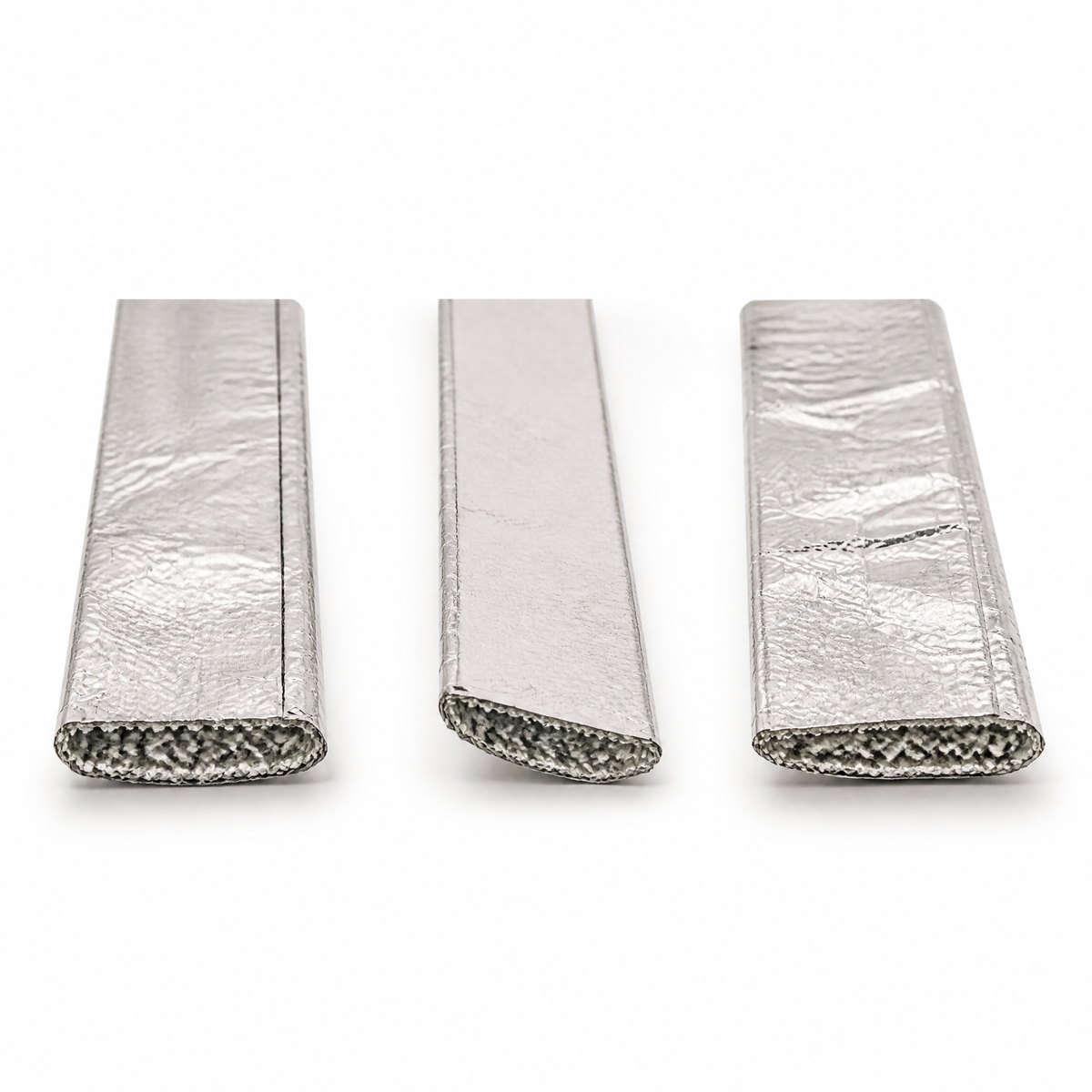
Snagging during wire harness sleeve installation is one of the most common challenges technicians face in automotive wiring applications. When protective sleeves catch on connector pins, sharp edges, or rough surfaces, the installation becomes time-consuming and potentially damaging to both the sleeve material and underlying conductors. Understanding the root causes of snagging and implementing preventive strategies ensures faster assembly, better quality outcomes, and reduced labor costs in manufacturing and field service environments.
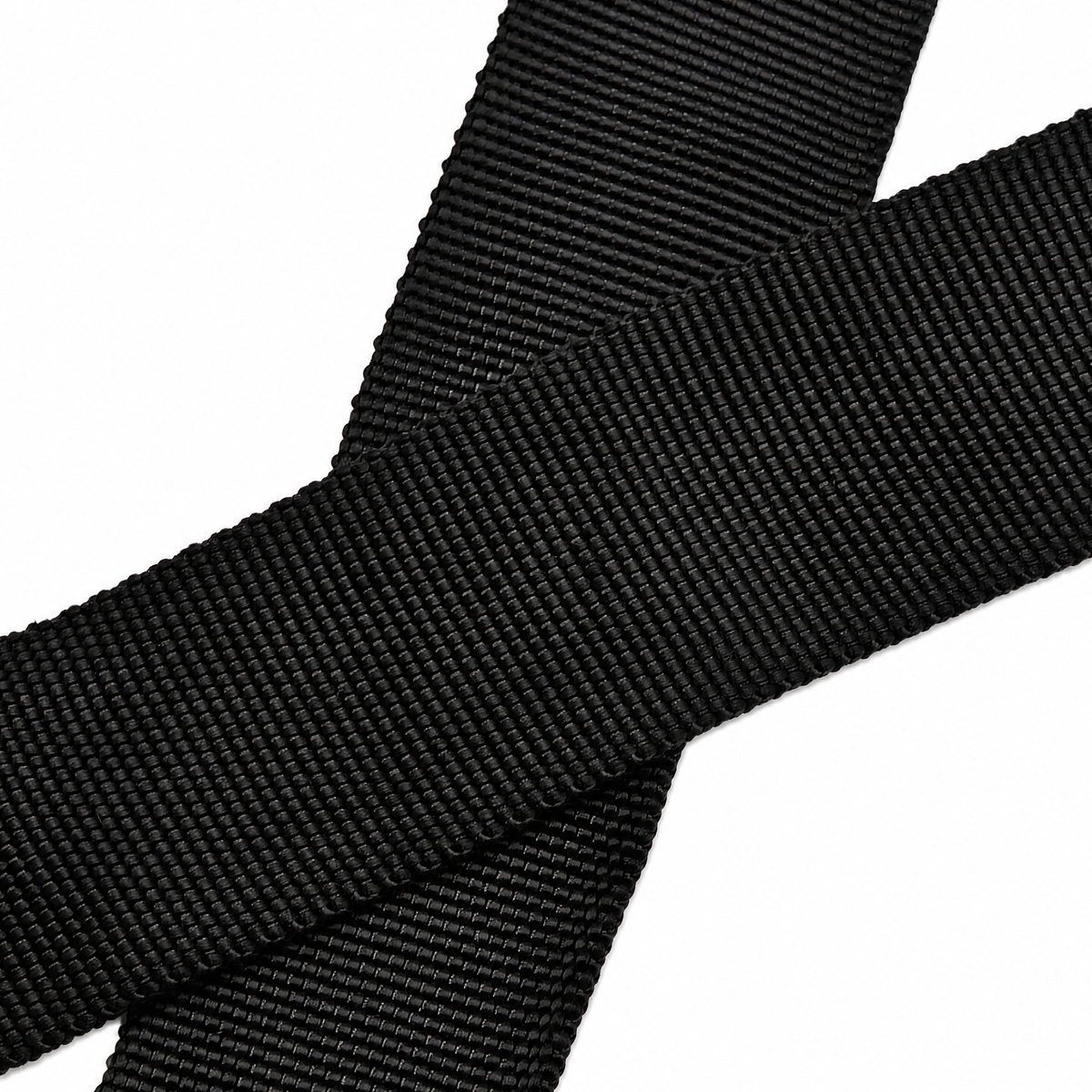
Snagging occurs when the braided or woven structure of wire sleeving encounters obstacles during the threading process. Whether you are working with automotive wiring harnesses in production environments or performing field repairs, preventing snagging requires attention to material selection, surface preparation, and installation technique. Proper abrasion resistance and sleeve design directly impact installation efficiency and the long-term durability of protected conductors.
Understanding Snagging Causes in Wire Sleeving Installation
Root Factors Behind Snagging Events
Snagging typically originates from three primary sources: rough or damaged connector pins and housings, improper wire harness assembly practices, and incompatible wire sleeving materials. Connector terminals often have micro-burrs or sharp edges from stamping and forming operations. When a wire harness sleeve attempts to pass through these connectors during assembly, the braided fibers catch on these imperfections. The automotive wiring industry experiences significant snagging problems when sleeves lack sufficient flexibility or have low abrasion resistance in high-contact areas.
Environmental and Material Variables
Temperature fluctuations, humidity, and storage conditions can affect the rigidity and brittleness of wire sleeving materials. Sleeves stored in cold environments or exposed to prolonged UV light may become less flexible and more prone to catching. The abrasion resistance of the material determines how well it withstands contact with rough surfaces during installation. Premium automotive wiring applications demand sleeves constructed from monofilament braided or tightly woven fabrics that resist snagging while maintaining durability throughout the harness lifecycle.
Material Selection and Sleeve Design Strategies
Choosing High-Performance Wire Harness Sleeve Materials
Selecting the right wire harness sleeve material is fundamental to preventing snagging. Monofilament braided sleeves offer superior abrasion resistance compared to conventional multifilament designs because they present fewer loose fibers that can catch on obstacles. Polyester and polyethylene terephthalate based sleeves provide excellent flexibility and durability for automotive wiring applications. The tightness of the braid pattern directly influences both protective capability and installation ease. Looser braids may allow better airflow but increase snagging risk, while extremely tight braids reduce flexibility and create tension during threading.
Sleeve Diameter and Fit Optimization
Proper diameter selection minimizes snagging by ensuring the sleeve does not bind or compress excessively during installation. A wire sleeving that is too tight creates resistance and encourages fibers to catch on connector edges. Conversely, oversized sleeves may shift or bunch during assembly, exposing conductors to abrasion resistance loss. Matching the sleeve inner diameter to the bundled wire cross-section with approximately 10 to 15 percent clearance allows smooth passage through connectors while maintaining protective contact. Tapered sleeve designs that gradually reduce diameter toward termination points can significantly reduce snagging in high-density automotive wiring harnesses.
Installation Best Practices for Snagging Prevention
Pre-Installation Preparation Techniques
Before threading any wire harness sleeve onto conductors or through connectors, inspect all contact points for rough edges or burrs. Use deburring tools or fine abrasive media to smooth connector terminals, housing edges, and any sharp wire terminations. Applying a light lubricant such as silicone-based dry lubricant to the connector entry points creates a slippery surface that reduces friction and snagging probability. Some technicians apply heat-shrink tubing at the leading edge of the wire harness sleeve to create a smooth, tapered insertion point that glides past potential catch points. Protecting the leading edge with electrical tape wrapped in a smooth, cone-shaped configuration also works effectively in field service environments.
Threading and Installation Methodology
Controlled, steady pressure during sleeve insertion prevents sudden jerking that can catch fibers on connector surfaces. Pull the wire sleeving straight and align it perpendicular to connector entries to avoid angled insertions that increase snagging risk. In high-volume manufacturing settings, installing specialized guide sleeves or pilot tubes ahead of the actual protective sleeve reduces contact between the main wire harness sleeve and rough connector edges. When working with complex automotive wiring harnesses that include multiple branch points or connectors, cut and install sleeve segments individually rather than threading one continuous piece. This modular approach eliminates the need to navigate difficult connector configurations while the entire harness is enclosed, thereby reducing snagging incidents significantly.
FAQ
What specific features should I look for in a quality wire harness sleeve to minimize snagging?
Look for monofilament braided construction with tight, consistent weave patterns that provide superior abrasion resistance and minimal loose fibers. The sleeve should offer excellent flexibility without becoming brittle in temperature extremes. Materials designed specifically for automotive wiring applications typically include UV protection and chemical resistance. Verify that the inner surface is smooth and free from imperfections that might create internal friction points during installation.
Can abrasion resistance ratings help predict snagging performance during installation?
Abrasion resistance ratings indicate how well a wire sleeving withstands rubbing and contact damage, which correlates directly with resistance to snagging on sharp edges and connector burrs. Higher abrasion resistance usually means tighter, more durable fiber construction that resists catching. However, abrasion resistance alone does not guarantee low snagging; flexibility and smooth surface finish are equally important for trouble-free installation of your wire harness sleeve.
Are there industry standards that address wire sleeving installation practices and snagging prevention?
Standards such as UL and SAE provide guidelines for wire sleeving material properties, including abrasion resistance and temperature ratings, but specific installation methodologies vary by application. Automotive wiring manufacturers often develop internal procedures based on their connector designs and production environments. Consulting with your wire sleeving supplier about application-specific recommendations ensures you select materials and techniques optimized for your particular automotive wiring harnesses and connector configurations.
 EN