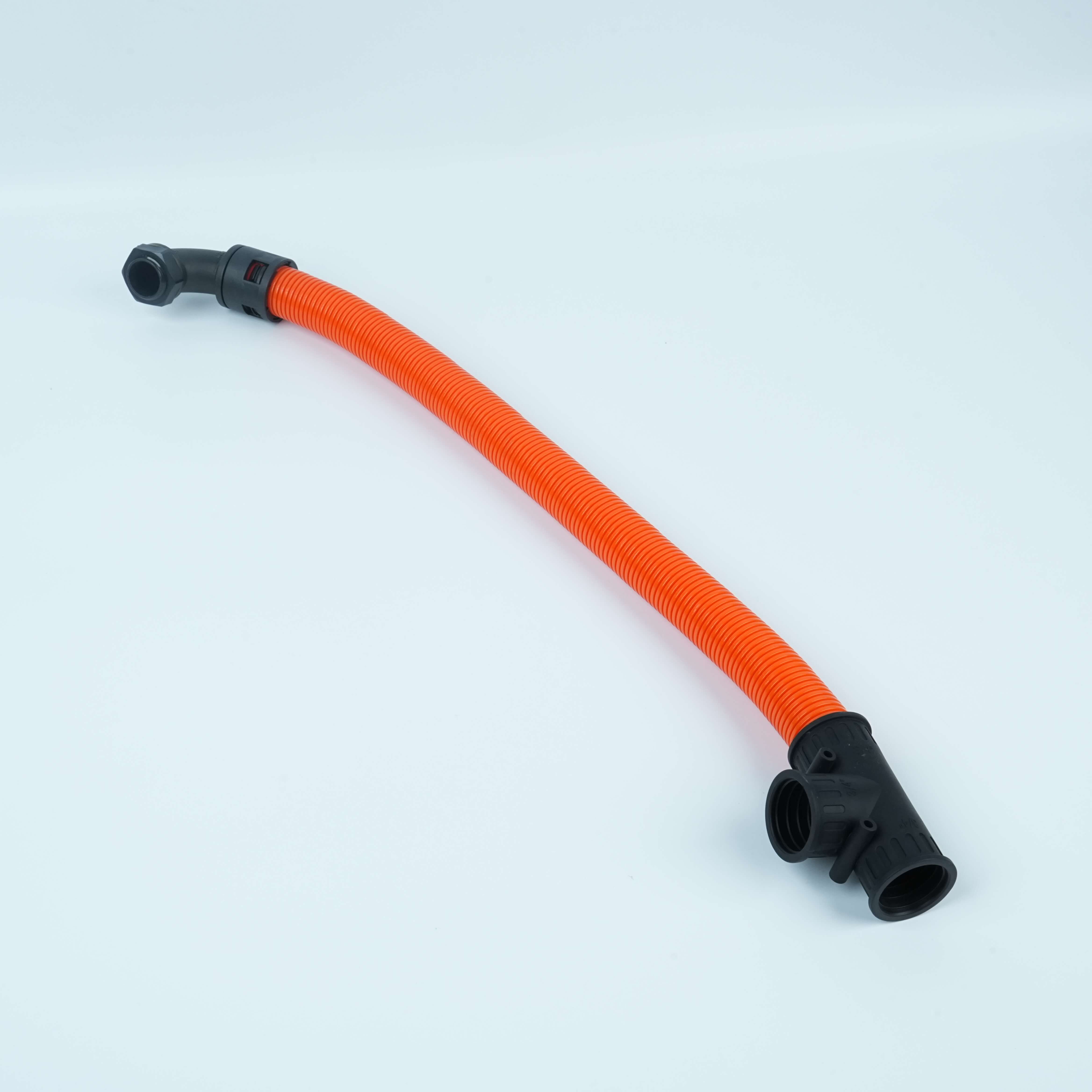
Effective planning of wire loom conduit routing is critical for maintaining electrical system integrity, safety, and longevity in machinery and control systems. When engineers and technicians fail to plan routing strategically, they risk cable damage, system downtime, and costly repairs. The process of designing wire loom conduit pathways requires understanding mechanical constraints, thermal environments, vibration patterns, and accessibility needs specific to each industrial application. Proper wire loom conduit installation protects cables from abrasion, chemical exposure, and environmental hazards while improving system maintainability.
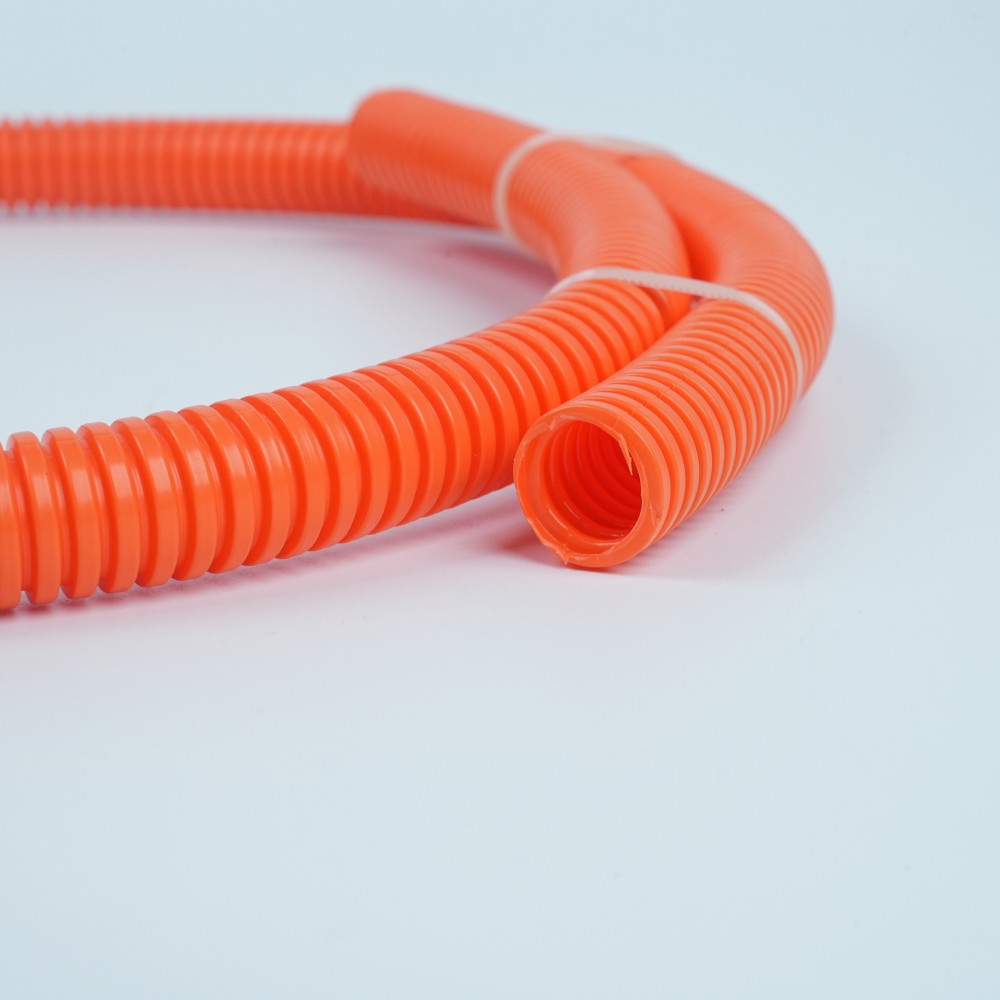
Planning wire loom conduit routing involves multiple technical considerations that go beyond simply running cables from point A to point B. The routing strategy must account for machinery vibration, temperature fluctuations, mechanical interference zones, and future maintenance access. Engineers must evaluate cable conduit materials, sizing, support systems, and environmental protection requirements before finalizing any routing design. This comprehensive approach ensures that wire harness protection standards are met while minimizing installation costs and operational risks.
Assessing Environmental and Mechanical Constraints
Identifying Machinery Vibration and Movement Zones
Machinery vibration represents one of the most significant threats to unprotected cables and wiring systems. When routing cable conduit through areas subject to high vibration, engineers must select flexible materials that absorb movement without transmitting stress to individual conductors. The wire loom conduit must be secured at regular intervals using appropriate clamps and supports designed for vibration dampening. Areas near rotating equipment, hydraulic pumps, and compressors require special attention, as these components generate continuous or intermittent vibration that can fatigue cable jackets over time.
Proper cable conduit selection includes evaluating flexibility ratings, bend radius specifications, and material durability under dynamic stress. Nylon and polyethylene conduits offer excellent vibration resistance when properly supported, while rigid metal conduits may transmit vibration directly to cables. The routing plan must include detailed documentation of support spacing, clamp types, and vibration isolation techniques specific to each machinery section. This information becomes essential during installation verification and future maintenance operations.
Evaluating Temperature Ranges and Thermal Environment
Temperature extremes significantly impact wire harness protection effectiveness and conduit material performance. Machinery operating zones often include areas where cables experience temperatures ranging from sub-zero during equipment startup to elevated temperatures near heat-generating components. The selected cable conduit must maintain flexibility and protective integrity across the full temperature range expected in each routing zone. Engineers should specify temperature-rated materials and identify zones requiring thermal insulation, heat shielding, or additional protective layers.
Thermal planning also involves understanding heat dissipation patterns and avoiding routing cables through unnecessary hot zones when alternative paths exist. Wire loom conduit installed near steam lines, welding zones, or electrical cabinets requires flame-retardant materials and additional mechanical protection. Documentation should identify specific temperature ranges for each conduit section, material specifications meeting those requirements, and any supplemental thermal protection measures required for compliance with machinery safety standards.
Designing Optimal Routing Pathways
Mapping Physical Space and Interference Points
Successful wire loom conduit routing begins with detailed three-dimensional mapping of machinery layout, moving parts, and structural elements. Engineers must identify potential interference points where conduit or cables could contact rotating shafts, sliding mechanisms, or hinged covers. The routing plan should document clearance distances from all moving components, ensuring that cable conduit maintains safe separation even during maximum equipment extension or articulation. This spatial planning phase typically involves field verification, CAD modeling, or collaborative review with machinery operators and technicians.
The routing pathway should follow natural mechanical boundaries, use existing cable tray systems, and avoid areas subject to frequent mechanical disturbance. Where cable conduit must cross machinery frames or attach to moving components, engineers should design mounting solutions that accommodate motion without stressing the conduit itself. Documentation should include photographs, equipment serial numbers, and reference points enabling technicians to follow the planned routing during installation and future maintenance cycles.
Planning for Access and Future Maintenance
Maintenance accessibility directly impacts system reliability and reduces downtime during troubleshooting or component replacement activities. Wire loom conduit routing should be planned with future access in mind, avoiding configurations that trap cables in inaccessible locations or create complex removal sequences. Engineers should identify points where cable conduit can be temporarily removed or disconnected without disturbing other system components. The routing plan must document maintenance access points, support clamp removal sequences, and any special tools required for safe conduit service.
Cable conduit should be labeled or color-coded to identify its contents, routing destination, and associated machinery subsystems. This labeling strategy accelerates troubleshooting when system issues arise and helps technicians understand system architecture during maintenance operations. The routing plan documentation should include photographic reference points, dimensional sketches showing support locations, and detailed instructions for conduit removal and reinstallation procedures.
Selecting Materials and Support Systems
Choosing Appropriate Cable Conduit Materials
Material selection for wire loom conduit depends on environmental conditions, mechanical stress levels, and regulatory compliance requirements. Nylon conduits offer excellent flexibility, vibration damping, and cost-effectiveness for most industrial applications. Polyethylene conduits provide superior chemical resistance in environments with oil, coolant, or corrosive vapor exposure. Flame-retardant grades become necessary in machinery where fire safety regulations or operational hazards demand enhanced protection. The routing plan should specify material type for each conduit section, enabling procurement teams to order correct materials and technicians to verify proper installation.
Wire harness protection standards often mandate specific material properties, flame ratings, and performance certifications. Engineers must review machinery safety directives, equipment manufacturer specifications, and facility compliance standards before finalizing material selections. The chosen cable conduit must accommodate the combined bundle of wires or cables without exceeding fill ratios, ensuring conductors remain protected and heat dissipates appropriately through conduit walls.
Specifying Support and Securing Mechanisms
Support system design ensures wire loom conduit remains stable under normal operation and environmental stress. The routing plan must specify support spacing, clamp types, mounting hardware, and installation techniques appropriate for each machinery zone. Adhesive-backed clamps work well on flat surfaces, while screw-mounted brackets provide superior holding strength on structural members. The support system should prevent conduit sag, minimize stress on connection points, and accommodate thermal expansion or contraction in temperature-sensitive areas.
Cable conduit supporting mechanisms must be compatible with machinery materials and not create corrosion or galvanic compatibility issues. Stainless steel hardware provides durability in corrosive environments, while standard steel hardware requires protective coatings in moisture-exposed areas. The routing plan documentation should include specifications for all hardware components, torque values for fasteners, and spacing intervals for support placement throughout the machinery installation.
FAQ
What is the primary purpose of planning wire loom conduit routing before installation?
Planning wire loom conduit routing before installation establishes a blueprint for cable protection, maintenance access, and system reliability. By identifying environmental hazards, mechanical constraints, and thermal zones before work begins, engineers prevent costly installation mistakes and ensure the cable conduit system meets safety and performance requirements. Advance planning also reduces installation time, improves documentation accuracy, and enables technicians to predict maintenance needs throughout system lifetime.
How does automotive wiring installation differ from general industrial machinery wiring?
Automotive wiring involves compact spaces, high vibration environments, and temperature extremes requiring specialized cable conduit materials and routing strategies. Vehicle-specific applications demand conduit systems rated for engine compartment temperatures, road vibration frequencies, and moisture exposure patterns unique to mobile equipment. While industrial machinery may use rigid support systems and fixed routing paths, automotive wiring frequently requires flexible conduit sections that accommodate vehicle motion and suspension movement. Both applications require wire harness protection but prioritize different environmental factors based on equipment operating conditions.
What documentation should be included in a completed wire loom conduit routing plan?
A comprehensive routing plan should include dimensional sketches or CAD drawings showing cable conduit pathways, support locations, and clearance points from machinery components. Documentation must specify material types, flame ratings, support hardware, and any special environmental protections for each conduit section. Photographic reference points help technicians locate routing features during installation and future maintenance operations. The plan should also include access procedures, maintenance instructions, labeling specifications, and contact information for engineering questions or clarification needs during implementation phases.
 EN