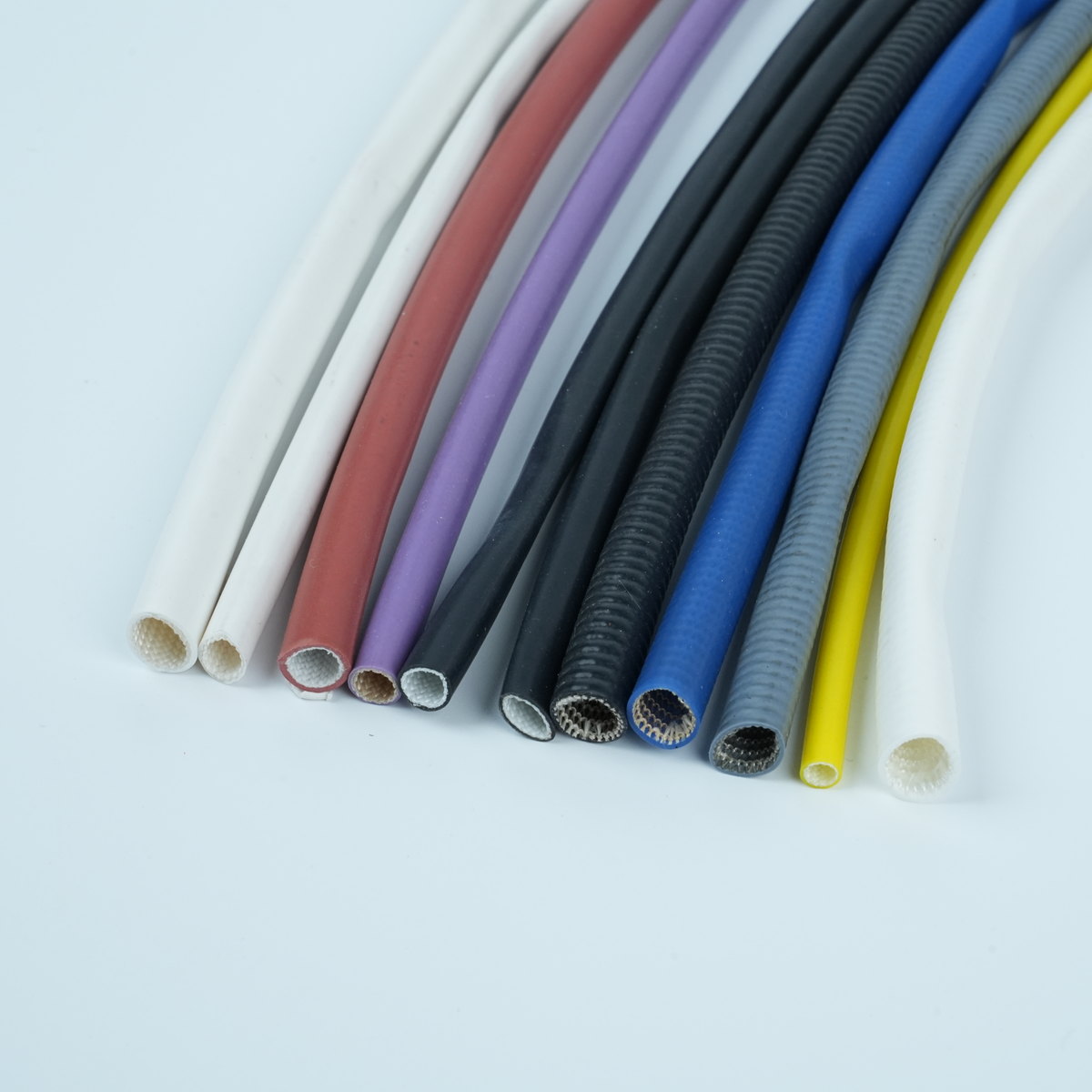
Validating a fiberglass sleeve before mass production is critical to ensuring product reliability, meeting regulatory standards, and avoiding costly failures in the field. A comprehensive validation strategy prevents defects from reaching customers and protects your brand reputation in competitive industrial markets. Without proper testing protocols, you risk production delays, warranty claims, and damage to customer relationships that can take years to rebuild.
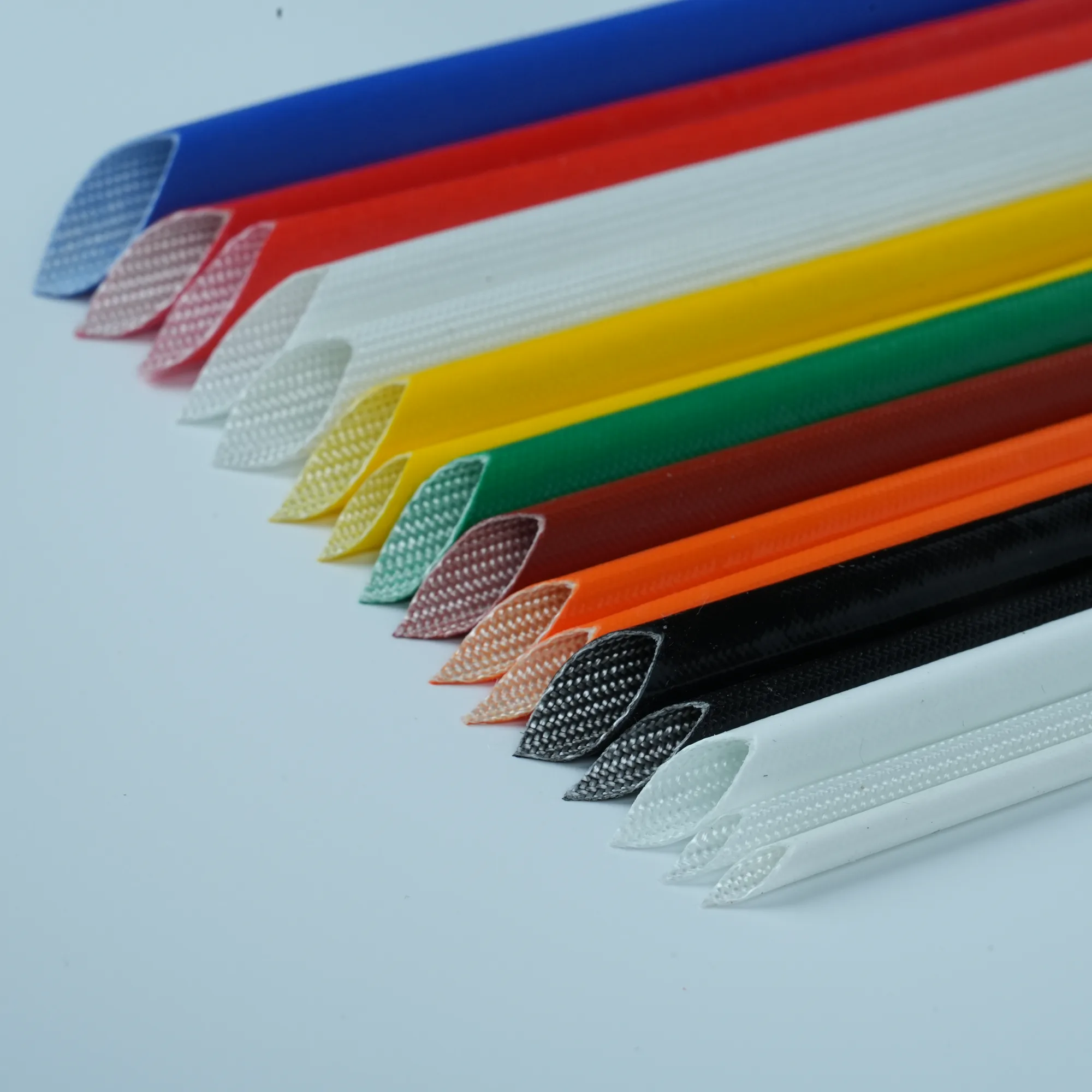
Planning your fiberglass sleeve validation process requires a structured approach that covers material properties, environmental performance, manufacturing consistency, and end-use conditions. This article walks through the key planning steps that industrial manufacturers and procurement teams should follow to establish a robust validation framework.
Define Clear Validation Objectives and Success Criteria
Understanding Your Application Requirements
The first step in planning fiberglass sleeve validation is identifying exactly how the product will be used in its intended application. Wire insulation demands differ significantly from heat resistant sleeve applications in automotive or aerospace contexts. Cable protection in high-temperature environments requires different test parameters than flexible tubing for general-purpose electrical assembly. Document the operating temperature range, voltage exposure, mechanical stress, chemical contact, and humidity levels your fiberglass sleeve must withstand during its service life.
Establishing Performance Benchmarks
Create measurable success criteria before testing begins. Heat resistant sleeve validation should specify minimum dielectric strength, maximum shrinkage rates, tensile strength retention after aging, and flame spread classification targets. Wire insulation specifications must include pull-off strength, insulation resistance, and elongation percentages. Cable protection requirements should define burst pressure, tear resistance, and abrasion performance thresholds. These benchmarks become the foundation for accepting or rejecting production batches and provide documented evidence of product fitness for your customers' applications.
Design a Comprehensive Testing Protocol
Selecting Critical Test Parameters
Your validation plan must include thermal cycling tests to verify that heat resistant sleeve maintains integrity through repeated temperature extremes. Tensile testing measures whether fiberglass sleeve construction withstands mechanical stress without rupture or permanent deformation. Chemical resistance testing exposes samples to fluids, oils, or solvents your customers will encounter. Flame testing demonstrates compliance with UL, IEC, or other regulatory standards applicable to wire insulation in your target markets. Dielectric breakdown testing confirms electrical safety performance. Create a matrix that assigns each test a priority level based on application criticality.
Sample Size and Statistical Planning
Insufficient sample sizes lead to unreliable conclusions that may allow defective products into production. Plan to test at least 10 to 20 samples per test condition for fiberglass sleeve validation, depending on your manufacturing volume and risk tolerance. Use statistical methods like Design of Experiments to identify which variables most affect cable protection performance. Document your sampling methodology so that if field issues arise, you can quickly locate the root cause in your validation data. Stratified sampling across different production batches, supplier lots, and manufacturing shifts ensures your validation reflects real production variation.
Execute Validation with Traceability and Documentation
Creating a Test Execution Plan
Schedule validation testing well in advance of your planned production launch. Heat resistant sleeve components often require extended aging protocols that span weeks or months, so build adequate time into your project timeline. Assign responsibility to qualified testing personnel or certified laboratories with relevant accreditation. Pre-production validation of fiberglass sleeve should be completed and documented before any commercial manufacturing begins. Establish backup suppliers for critical test materials to avoid delays if primary vendors experience shortages affecting your cable protection component sourcing.
Recording and Analyzing Results
Maintain detailed records of every test result, including environmental conditions during testing, equipment calibration dates, and operator identities. Wire insulation performance data should be traceably linked to the fiberglass sleeve batch code, material supplier, and manufacturing date. Create visual trends showing how heat resistant sleeve performance varies across your test matrix. If results fall below your established success criteria, immediately investigate root causes before proceeding with mass production. Use failure analysis to determine whether issues stem from material selection, processing parameters, supplier quality, or test procedure inadequacy. This investigation protects your production from launching with known deficiencies.
FAQ
What testing standards apply to fiberglass sleeve validation?
Standards vary by application and geography. Wire insulation typically must meet UL 1581, IEC 60811, or similar electrical safety standards. Heat resistant sleeve often requires UL 1682, automotive specifications like ASTM D4380, or aerospace standards like AS5000. Cable protection components in hazardous environments may need flammability certification per UL 94 or equivalent. Verify which standards your customers specify in their purchase orders or technical requirements, then include those specific test methods in your validation plan for fiberglass sleeve before committing to mass production.
How long should fiberglass sleeve validation take?
Timeline depends on test complexity and aging duration. Basic mechanical and electrical tests for wire insulation may complete in two to four weeks. Heat resistant sleeve validation including thermal cycling and hot-air aging can extend to eight to sixteen weeks. Complex cable protection applications with multiple environmental stress combinations may require three to six months. Begin planning validation at least six months before your target production start date to allow time for supplier material evaluation, initial prototype testing, design refinement, and full-scale validation of your fiberglass sleeve.
What happens if validation tests reveal defects?
Failed tests indicate you must adjust materials, processing, or design before mass production begins. If wire insulation fails dielectric testing, investigate resin type, fiber composition, or manufacturing pressure. If heat resistant sleeve shrinks excessively, examine cure temperature or binder formulation. Cable protection puncture failures may require thicker walls or different fiber weave. Do not proceed to mass production until your fiberglass sleeve consistently passes all established success criteria across the full sample set. This investment in validation prevents far more expensive field recalls and protects your reputation in industrial markets.
 EN