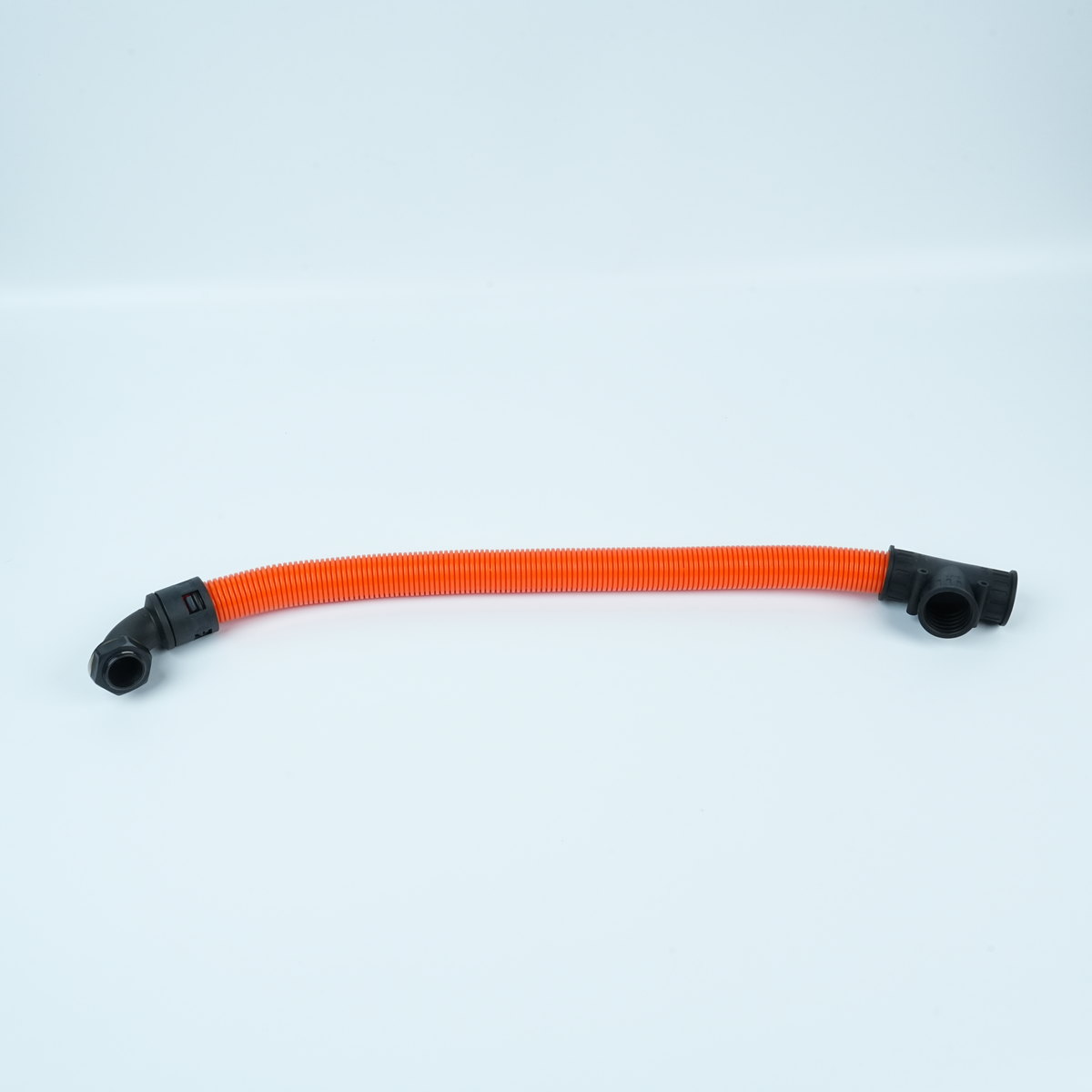
Proper planning of corrugated conduit routing is fundamental to the reliability and safety of machinery and control systems. When electrical wires and cables run through industrial environments, they face constant threats from mechanical stress, temperature fluctuations, and environmental contaminants. A well-designed corrugated conduit system protects these critical pathways while ensuring efficient installation and maintenance access. The success of your machinery installation depends heavily on thoughtful routing decisions made during the design phase.
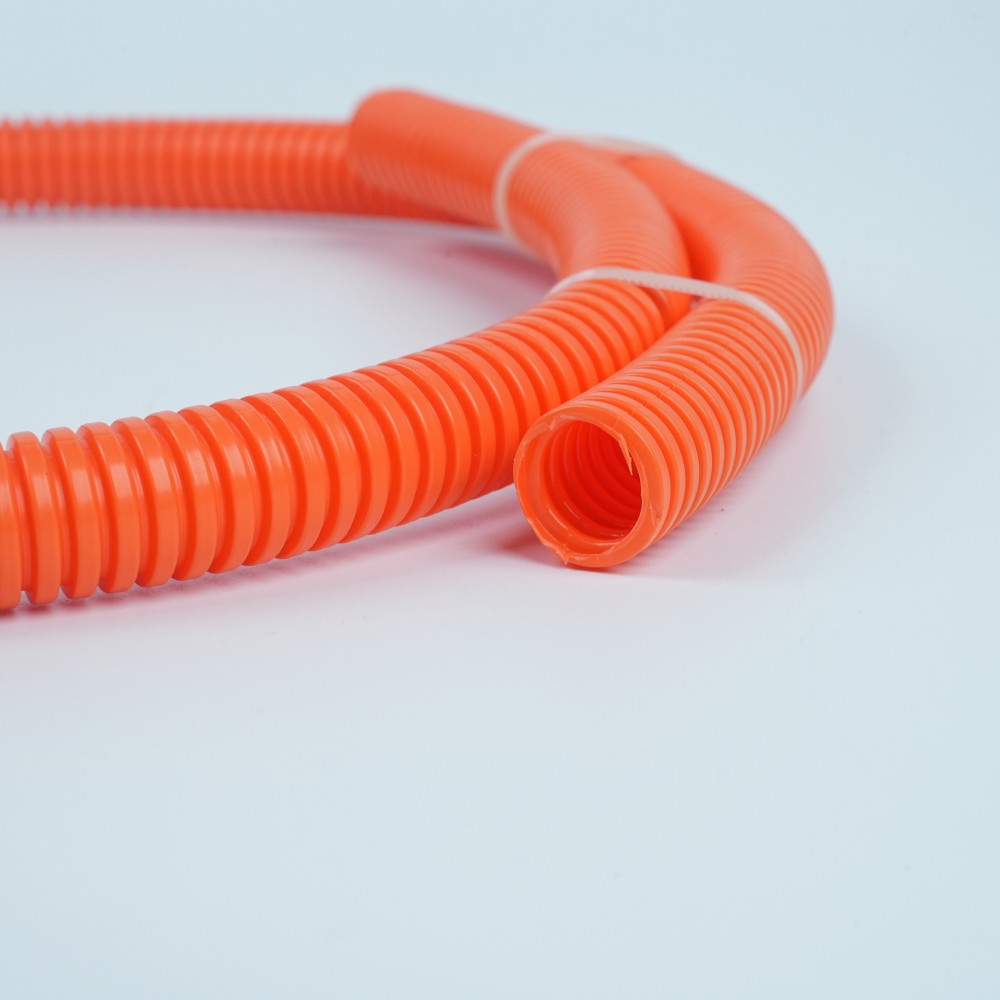
Understanding the fundamentals of cable conduit planning allows engineers and technicians to avoid costly retrofits, system failures, and safety violations. Machinery control systems demand precision routing that accommodates vibration, heat cycling, and component accessibility. This guide walks you through the essential considerations for planning corrugated conduit routes that support both current operational demands and future system modifications.
Assessing Environmental and Operational Requirements
Understanding Machine Environment Conditions
Before selecting a corrugated conduit, you must evaluate the specific environment where machinery operates. Industrial settings present diverse challenges: high-temperature zones near furnaces, wet areas in food processing plants, chemical exposure in manufacturing facilities, and vibration-prone sections near heavy machinery. Each environment demands different wire protection solutions. Temperature ranges, humidity levels, chemical compatibility, and UV exposure intensity should all inform your cable conduit material selection. Documentation of these conditions becomes your foundation for routing decisions and material specifications.
Load and Vibration Analysis
Machinery generates substantial vibration that directly impacts cable conduit integrity. Heavy presses, injection molding machines, and rotating equipment create constant mechanical stress on installed flexible conduit systems. Vibration-induced damage leads to insulation wear, conductor exposure, and eventual electrical faults. Calculate the vibration frequencies and amplitudes that your conduit will encounter during normal operation. Clamp spacing, routing angles, and conduit material selection must all account for these vibration patterns. Inadequate vibration management shortens wire protection lifespan and increases maintenance costs significantly.
Designing the Routing Path and Layout Strategy
Establishing Logical Conduit Corridors
Effective machinery routing begins with mapping your conduit corridors before installation. Group cable conduit runs into logical pathways that follow machine frameworks, structural supports, and existing infrastructure. Separate power circuits from control signal wiring to minimize electromagnetic interference. Plan routes that avoid sharp bends, high-temperature zones, and chemical spray areas whenever possible. Cable conduit routing should maintain minimum bend radius specifications for your chosen flexible conduit type to preserve conductor integrity. Clear documentation of planned corridors facilitates installation coordination and future modifications.
Spacing and Support Structure Design
Proper support intervals prevent conduit sagging and movement under load or vibration. Clamp spacing depends on conduit size, operating temperature, and environmental exposure. Most machinery routing standards recommend support points every 18 to 24 inches for horizontal runs and closer intervals for vertical sections. Wire protection effectiveness improves when conduit routing follows existing structural members rather than creating new mounting points. Use cushioned clamps that prevent point loading and maintain conduit shape during machinery operation. Inadequate support creates stress points where flexible conduit can crack, split, or fail prematurely.
Optimizing Accessibility and Maintenance Considerations
Planning for Future Access and Modifications
Industrial machinery undergoes periodic upgrades, repairs, and component replacements throughout its operational life. Your cable conduit planning must accommodate these inevitable modifications without requiring complete system redesign. Leave slack in cable conduit runs where possible to allow for future reroutings. Label all conduit sections clearly to identify circuit functions and endpoints. Design junction points and connection areas where technicians can add or replace conductors without disturbing the entire cable routing system. Accessibility planning reduces downtime during maintenance and prevents accidental damage to existing wiring during service work.
Troubleshooting and Inspection Routes
Complex machinery benefits from conduit routing that permits easy troubleshooting and visual inspection. Position cable conduit runs where technicians can observe condition without disassembling guard structures or removing equipment covers. Install breakout points at logical intervals to allow circuit testing and individual wire inspection. Flexible conduit routing that permits manual cable testing reduces diagnostic time when faults occur. Many facilities implement color-coded conduit systems or numbered section markers to simplify identification during emergency repairs. Well-planned wire protection strategies incorporate troubleshooting efficiency as a core design objective.
Material Selection and Specification for Different Routing Scenarios
Choosing Conduit Material Based on Environmental Exposure
The material composition of your cable conduit determines performance in specific machinery environments. Flame-retardant nylon offers excellent resistance to oils, greases, and common industrial chemicals while providing good flexibility for tight routing around equipment. Polypropylene variants provide superior chemical resistance in harsh processing environments. Polyethylene options work well in outdoor or high-moisture applications. Your wire protection selection must balance chemical compatibility, temperature rating, cost, and installation complexity. Specification sheets from manufacturers provide critical data on UV resistance, temperature limits, and flame ratings that align with machinery safety standards.
Sizing Conduit for Cable Bundle Requirements
Properly sized cable conduit accommodates all conductors while maintaining space for air circulation and thermal management. Overstuffed conduit traps heat and degrades insulation prematurely. Industry standards typically recommend filling conduit to no more than 40 percent of internal cross-sectional area for multiple conductors. Account for potential future additions when specifying flexible conduit sizes during planning stages. Undersized cable conduit forces awkward routing angles that exceed bend radius limits and damage conductor insulation. Accurate calculation of conductor bundle requirements prevents costly conduit replacements and ensures reliable wire protection throughout machinery operation.
FAQ
What is the standard bend radius for industrial corrugated conduit?
Standard bend radius for most flexible conduit ranges from 8 to 12 times the conduit outer diameter, depending on material composition and wall thickness. Exceeding maximum bend radius causes conductor damage, insulation cracking, and intermittent electrical faults. Always consult manufacturer specifications for your specific corrugated conduit type, as reinforced or thick-walled varieties may have different bend requirements than standard flexible conduit products.
How often should installed conduit routing be inspected for damage?
Cable conduit inspection frequency depends on machinery operating intensity, environmental conditions, and vibration levels. Machinery in harsh environments warrants quarterly cable conduit inspections for cracking, abrasion, and separation. Standard manufacturing environments typically benefit from semi-annual wire protection inspections. Visual inspection should focus on support clamp integrity, conduit surface condition, and connection point security. Documentation of inspection findings helps predict maintenance needs and prevents unexpected electrical failures during critical production periods.
Can corrugated conduit be used for both power and control circuits in the same routing path?
While physically possible, industry best practices recommend separating power and control circuits into different cable conduit runs to minimize electromagnetic interference. If space constraints require shared cable conduit routing, use shielded control cables and maintain maximum separation within the conduit bundle. Shield grounding becomes critical when mixing power and signal wiring in the same flexible conduit system. When possible, plan machinery routing that accommodates separate power and control pathways to ensure signal integrity and compliance with control system noise immunity specifications.
 EN