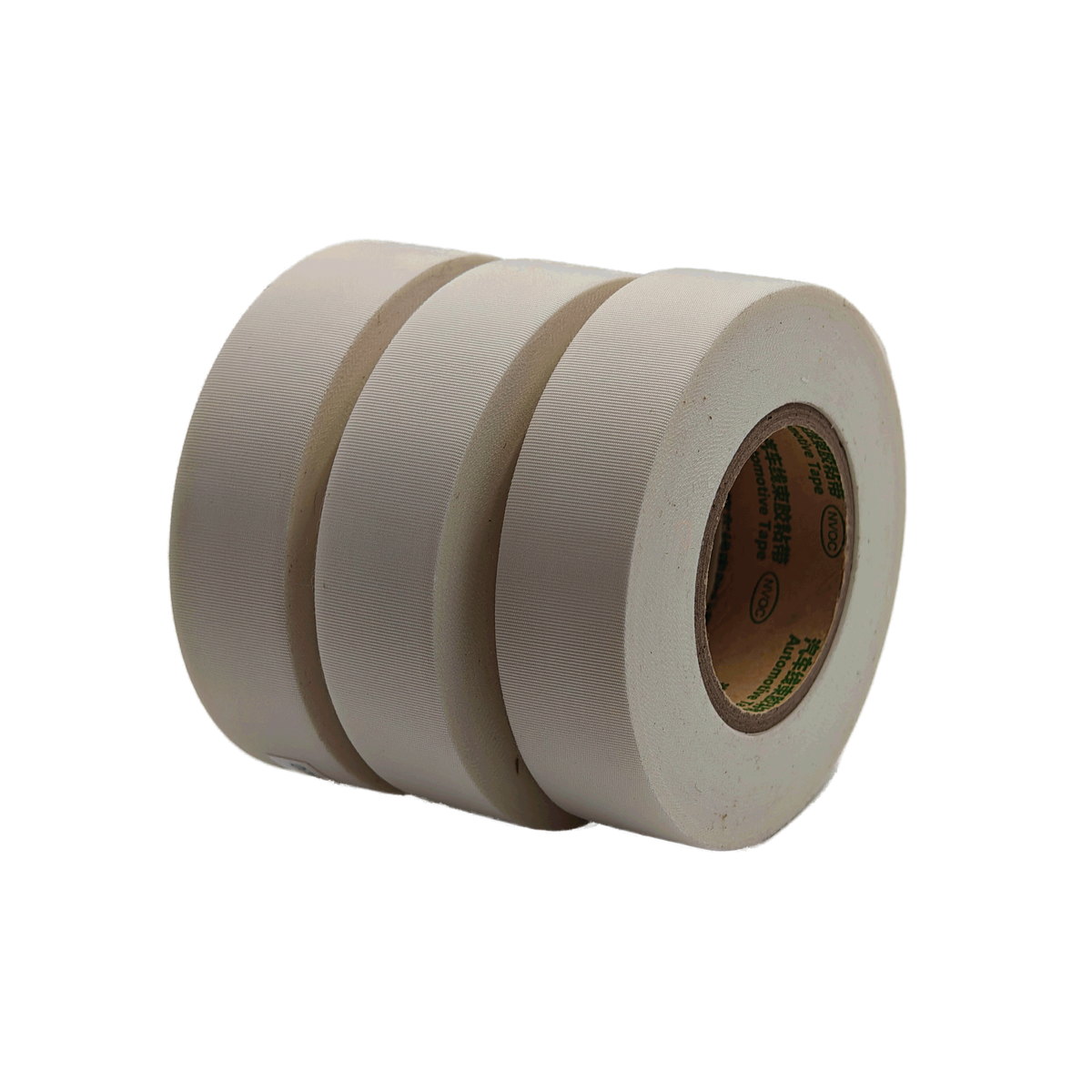
Dense wire harness layouts demand precision planning, and acetate cloth tape plays a critical role in organizing, protecting, and securing complex electrical systems. In automotive applications and industrial environments, the proper selection and placement of acetate cloth tape directly impacts harness durability, maintainability, and thermal performance. This guide explores how to strategically plan acetate cloth tape integration into your wire harness design, ensuring optimal coverage without compromising flexibility or access points.
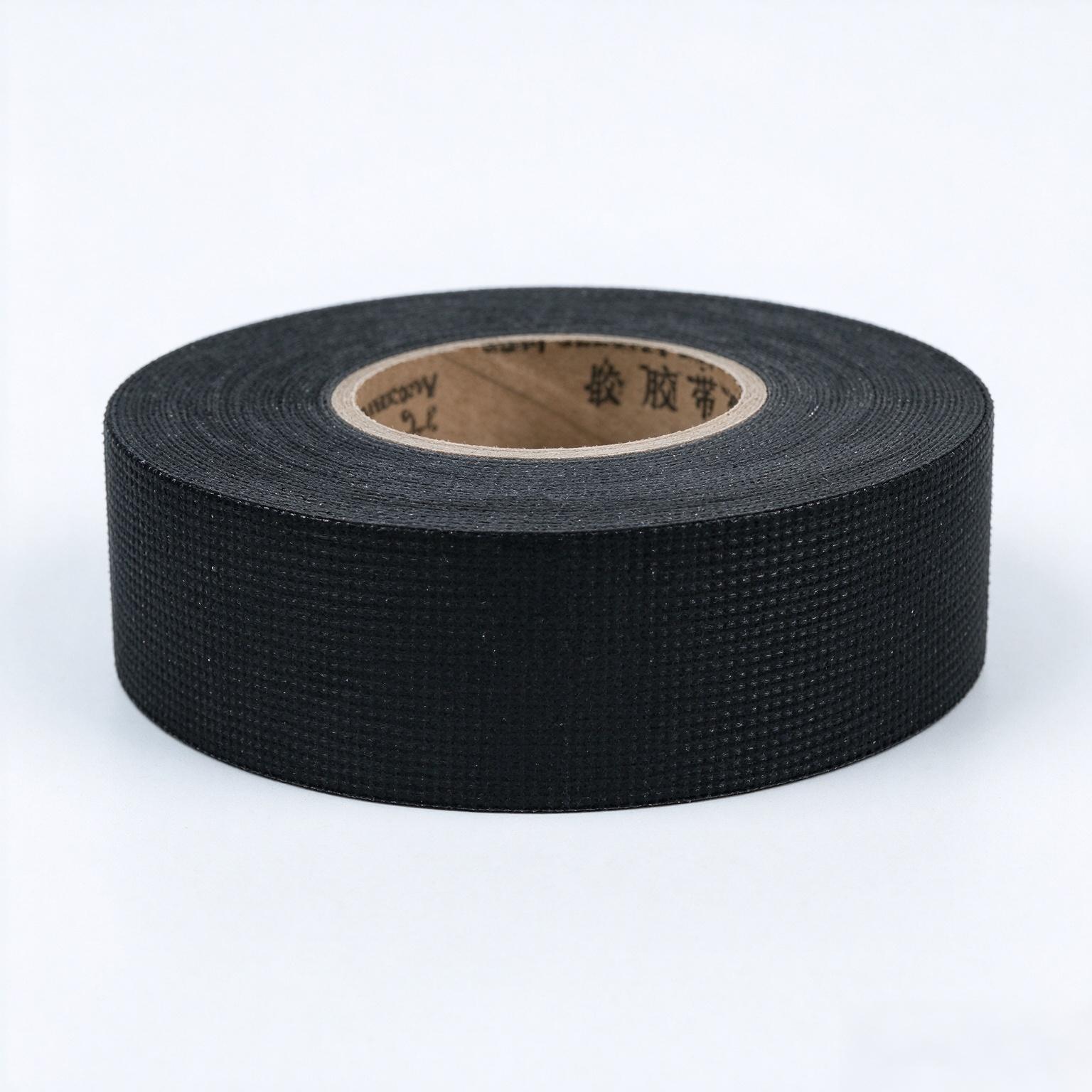
Understanding the constraints of your specific harness layout is the foundation for effective tape planning. Dense configurations leave minimal room for error, requiring a methodical approach that balances protection requirements with space limitations. By anticipating heat zones, mechanical stress points, and service accessibility needs before laying out tape, you minimize rework and ensure your wire harness meets both performance and reliability standards.
Understanding Density Constraints in Wire Harness Design
Mapping Space and Identifying Critical Zones
In automotive harness applications, wire density varies significantly across different sections of the vehicle. Engine compartments present the most challenging environments, where high heat, vibration, and tight spatial constraints demand careful planning. When evaluating your wire harness tape strategy, begin by mapping out bundle diameters, connector locations, and routing paths. This spatial awareness reveals where cloth tape must provide protection without adding bulk, and where flexibility becomes essential for installation and future service access.
Identifying thermal zones within your automotive harness layout helps determine where acetate cloth tape offers the most value. Zones near exhaust components, radiators, or engine blocks require different tape specifications than cooler areas. Dense configurations amplify thermal stress, as multiple wires generate cumulative heat. Marking these zones on your harness schematic ensures that cloth tape placement prioritizes protection where temperatures peak, preventing insulation degradation and maintaining electrical performance throughout the harness lifecycle.
Balancing Protection with Space Efficiency
The core challenge in dense wire harness layouts involves providing comprehensive protection while respecting severe space constraints. Cloth tape for wire harness applications must be applied strategically to avoid unnecessary bulk accumulation at bundle intersections and connection points. Calculating the optimal tape width and overlap ratio for your specific wire gauge and bundle diameter prevents gaps in coverage while eliminating redundant layering that consumes valuable space and complicates assembly.
Tape overlap patterns significantly impact both protection and space efficiency in automotive harness design. A 50 percent overlap standard works well in moderate-density layouts, but dense configurations may benefit from reduced overlap in non-critical zones while maintaining full coverage in high-stress areas. Wire harness tape planning requires balancing these trade-offs, ensuring that density constraints do not compromise the protective function that cloth tape is meant to provide throughout the harness routing.
Strategic Placement Methodology for Acetate Cloth Tape
Planning Tape Segments Around Connector Hubs
Connector hubs represent natural anchor points for planning cloth tape distribution in dense harness layouts. These areas experience concentrated mechanical stress from repeated connection cycles and vibration exposure. When planning acetate cloth tape placement, prioritize full coverage around connector entry points and transition zones where wires diverge into separate branches. In automotive harness applications, this approach ensures that stress concentrations remain protected while maintaining the clean geometry needed for dense packing.
The transition from main trunk to individual wire branches demands careful tape planning. Dense configurations require seamless coverage at these junction points, preventing abrasion and maintaining consistent protection as the harness undergoes thermal cycling and mechanical stress. Cloth tape for wire harness systems must wrap these transition zones completely, securing individual conductors while preventing fraying and movement that could lead to insulation contact or chafing against surrounding components.
Managing Multi-Layer Configurations in High-Density Areas
Some dense wire harness sections cannot achieve adequate protection with a single tape layer due to complexity and exposure conditions. Multi-layer cloth tape configurations require precise planning to avoid excessive bulk while ensuring complete coverage. The first layer provides primary protection, while secondary layers target specific high-stress zones identified during your density mapping phase. This targeted approach maintains the space efficiency critical in automotive harness applications while delivering the redundancy that mission-critical electrical systems demand.
Planning multi-layer tape application involves sequencing your tape placement to minimize handling and rework. Begin with circumferential wrapping to establish the base protection layer, then apply oriented strips to reinforce areas identified as high-stress. This sequential planning methodology reduces installation complexity and ensures consistent quality across dense harness sections. Wire harness tape must be applied with adequate pressure to activate adhesive fully, which becomes more challenging in high-density configurations where workspace limitations affect application efficiency.
Implementation and Quality Verification for Dense Layouts
Pre-Assembly Planning and Documentation
Detailed harness documentation becomes essential when planning acetate cloth tape for dense configurations. Create visual guides showing exact tape placement, overlaps, and segment lengths for each harness section. These specifications prevent inconsistency during manufacturing and streamline quality verification processes. Automotive harness standards require traceability and consistency, making thorough documentation a critical component of your tape planning methodology. Digital mapping or annotated drawings help manufacturing teams execute your plan precisely, reducing scrap and rework in dense layouts where errors prove costly to correct.
Material preparation is equally important as spatial planning. Pre-cut tape segments according to your documented specifications reduce installation time and ensure uniform overlap patterns throughout the harness. For dense wire harness tape applications, pre-cutting also allows verification that segment lengths match design specifications before tape contacts the conductor bundle, preventing installation errors that require disassembly and rework.
Quality Verification and Adjustment Procedures
Post-application quality checks ensure your cloth tape planning delivers intended protection in dense configurations. Visual inspection confirms complete coverage, adequate overlap, and proper adhesion across all tape segments. Mechanical testing validates that tape withstands expected vibration, thermal cycling, and bending stresses without separation or delamination. These verification steps are especially critical in automotive harness applications, where field failures create safety risks and expensive warranty claims.
When density constraints create coverage challenges, document alternative approaches and exceptions for future reference. Recording actual tape consumption, installation time, and field performance against your original plan builds valuable data for optimizing future harness designs. This continuous improvement cycle ensures your wire harness tape planning methodology evolves with your manufacturing capabilities and application requirements, delivering better protection and efficiency across successive design iterations.
FAQ
What factors should I prioritize when planning acetate cloth tape placement in dense harness layouts?
Prioritize thermal zones, mechanical stress concentration points, and connector hubs as your primary tape placement targets. Begin by mapping spatial constraints and identifying where bulk limitations are most severe, then allocate cloth tape to maximize protection where risk is highest while respecting density constraints. Thermal exposure and vibration stress should guide your coverage decisions, ensuring that wire harness tape defends against the specific hazards present in each layout section. This risk-based approach ensures efficient use of available space while maintaining comprehensive protection throughout the harness.
How does cloth tape for wire harness applications handle the thermal challenges in dense automotive layouts?
Acetate cloth tape provides thermal insulation that protects conductors from radiant heat exposure, but its performance depends on material selection and application technique. In dense layouts where multiple conductors generate cumulative heat, proper spacing and ventilation planning becomes essential alongside tape selection. Wire harness tape acts as a thermal barrier between conductors and external heat sources, but cannot dissipate internally generated heat effectively. Choose tape specifications rated for your maximum operating temperature, and plan cooling strategies such as selective spacing in high-heat zones to complement tape protection in automotive harness applications.
Can acetate cloth tape be safely applied to pre-assembled dense wire harnesses, or must planning occur during initial design?
Ideally, planning should occur during initial harness design to optimize wire routing, spacing, and tape placement before assembly begins. However, remedial cloth tape application is possible if your density constraints and geometry allow adequate access for tape installation. Pre-planning enables superior results because routing and gauge selection can be optimized around tape requirements, whereas retrofit tape application works within fixed constraints. Wire harness tape planning integrated into design phases ensures better protection, faster assembly, and fewer costly modifications than attempting comprehensive taping on completed harnesses in dense configurations.
 EN