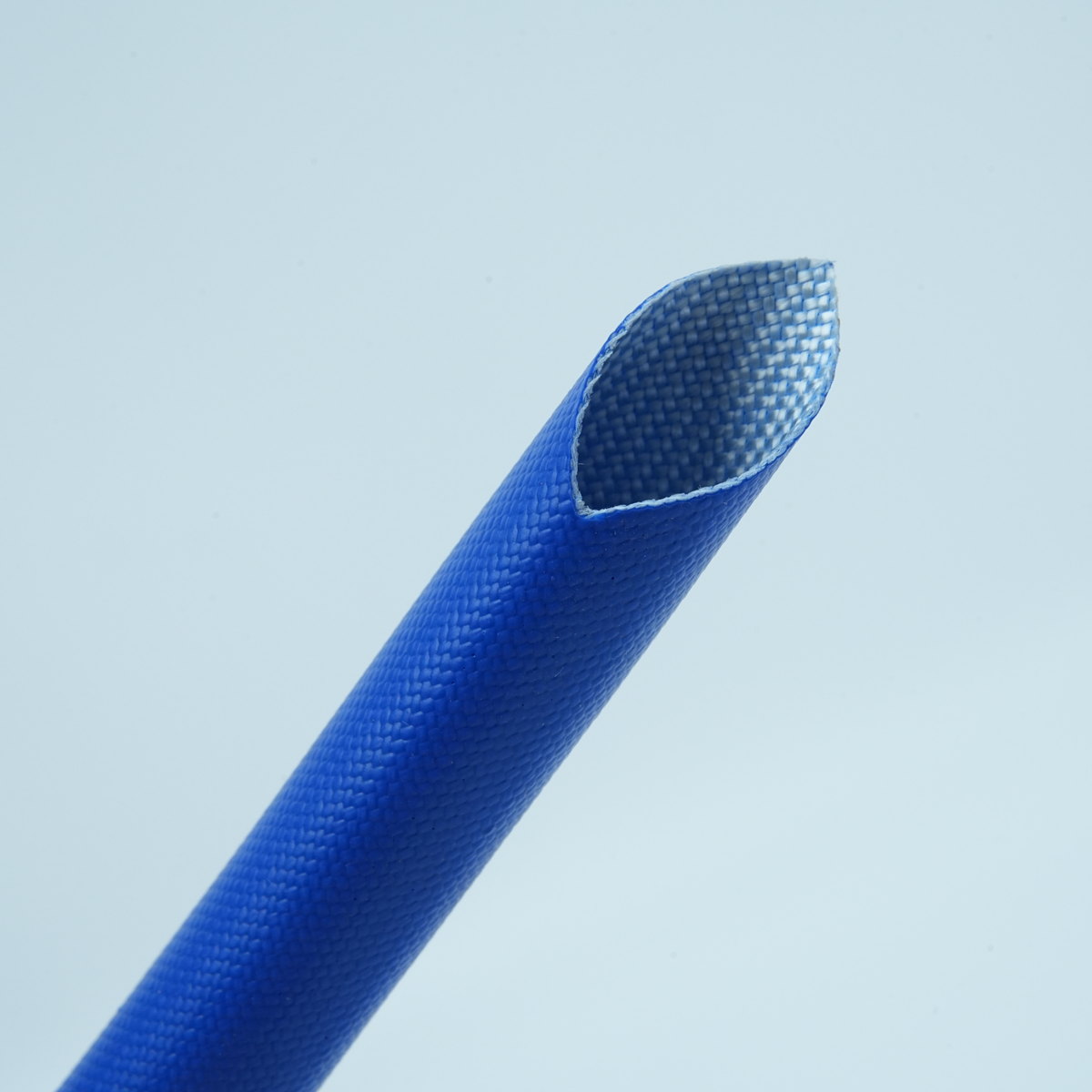
Selecting the right combination of cable protection components is essential for maintaining system reliability and safety in industrial environments. Fiberglass sleeving serves as a foundational layer in many cable protection strategies, but its effectiveness multiplies when paired with complementary components. Understanding how to integrate fiberglass sleeving with other protection elements ensures your cables remain protected against mechanical damage, thermal stress, and environmental hazards throughout their operational lifespan.
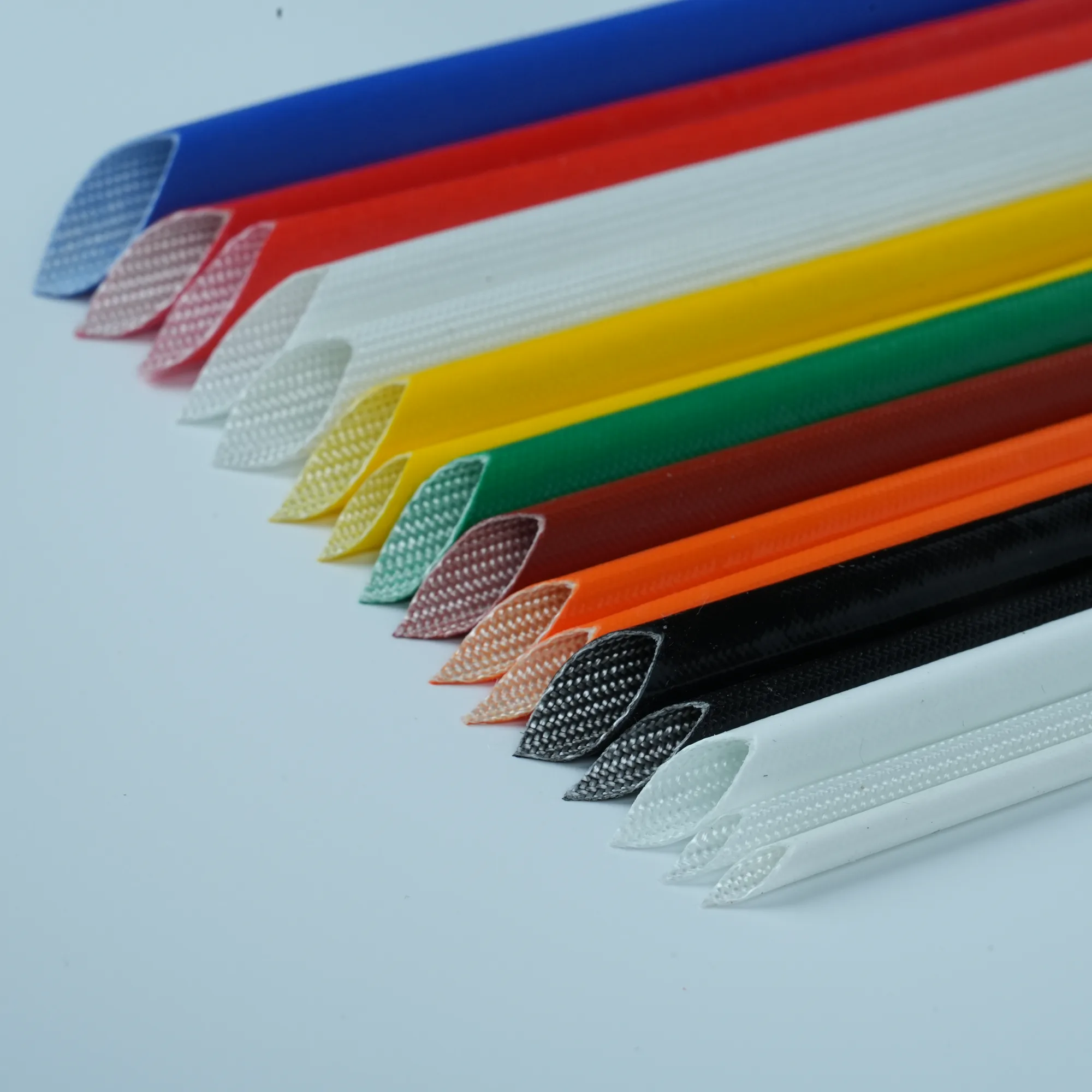
Cable protection is not a one-size-fits-all solution. Different applications demand different approaches, and experienced engineers recognize that layering protection methods creates a more robust defense against multiple failure modes. This article explores proven strategies for combining fiberglass sleeving with heat shrink tubing, braided sleeves, foam padding, and conduit systems to achieve comprehensive wire protection across diverse industrial settings.
Core Functions of Fiberglass Sleeving
Fiberglass sleeving provides mechanical abrasion resistance and thermal insulation that forms the base of most multilayer cable protection strategies. The material's inherent stiffness maintains cable organization within tight routing paths, while its naturally high melting point offers thermal stability in moderate-heat environments. When selected with appropriate thickness and weave density, fiberglass sleeving protects cables from sharp edges, rough handling, and environmental exposure during installation and throughout service life.
The versatility of fiberglass sleeving makes it suitable for both temporary and permanent installations. Unlike some protection methods that degrade over time, quality fiberglass sleeving maintains its structural integrity across decades of operation. This longevity makes it an economical choice for applications where cable replacement is difficult or where downtime costs justify preventive protection investments.
Why Layering Matters in Cable Protection
A single protection component rarely addresses all cable vulnerabilities simultaneously. High-temperature environments require thermal barriers that may not provide mechanical strength, while abrasion-prone routing paths need mechanical protection that alone cannot seal against moisture. By pairing fiberglass sleeving with specialized components, you create a defense system where each layer handles specific threats while supporting adjacent layers' effectiveness. This redundancy ensures failure of one component does not immediately expose cables to damage.
Strategic Pairing of Fiberglass Sleeving with Complementary Components
Combining Fiberglass Sleeving with Heat Shrink Tubing
Heat shrink tubing creates an essential outer seal that prevents moisture, dust, and chemical ingress while fiberglass sleeving provides mechanical strength beneath. The pairing works by first sliding fiberglass sleeving onto the cable, then positioning heat shrink tubing over the sleeved section and applying controlled heat to create a waterproof barrier. This combination delivers superior wire protection in wet environments, marine applications, and outdoor installations where moisture infiltration represents the primary failure mechanism. The heat-activated adhesive layer in many heat shrink formulations bonds tightly to the fiberglass surface, creating a unified protective envelope.
Application sequence matters significantly when combining these materials. Installing fiberglass sleeving first allows the heat shrink to grip securely without slipping during thermal contraction. Temperature selection also requires attention, as excessive heat can degrade underlying cable insulation, while insufficient heat leaves the heat shrink tubing loose and ineffective. Industrial practice typically involves measuring the heat shrink's original inner diameter and cable diameter to confirm proper sizing before thermal application.
Integrating Fiberglass Sleeving with Braided Sleeves
Braided sleeves offer flexibility and aesthetic benefits that complement fiberglass sleeving's rigidity, particularly in applications requiring frequent cable movement or repositioning. The open-weave structure of braided sleeves allows heat dissipation while the interlocking fibers provide additional abrasion resistance at the cable's exterior. Many technicians sandwich fiberglass sleeving beneath braided sleeves to isolate cables from sharp contact points while allowing the braided outer layer to accommodate vibration and thermal cycling without cracking or fracturing.
The combination performs exceptionally well in automotive engine bays, industrial machinery areas, and aerospace cable bundles where electromagnetic shielding may also be required. Conductive braided sleeves can provide EMI protection when paired with fiberglass sleeving underneath, creating a multi-function protective assembly. This layered approach reduces component count while improving installation efficiency compared to combining multiple separate protection strategies.
Pairing Fiberglass Sleeving with Foam Padding and Conduit
Foam padding around fiberglass sleeving offers excellent vibration damping and impact absorption for cables routing through high-vibration equipment. The compressible foam layer accepts shock energy that would otherwise transfer to the cable, while the fiberglass sleeving maintains shape and prevents the foam from compressing excessively. This pairing is particularly valuable in drilling operations, compressor installations, and manufacturing environments where mechanical shock represents a significant risk factor.
Rigid conduit systems provide maximum mechanical protection when combined with fiberglass sleeving, creating a solution for the most demanding routing scenarios. The fiberglass sleeving protects individual conductors from conduit abrasion while the conduit itself defends against crushing loads, crushing impacts, and external mechanical hazards. This combination enables cable installation in high-traffic areas, outdoor trenches, and industrial settings where cables may encounter direct mechanical abuse. When selecting conduit diameters, ensure adequate space exists for the fiberglass-sleeved cables to pass through without excessive compression.
Practical Implementation and Selection Guidelines
Assessing Environmental and Operational Requirements
Effective cable protection begins with comprehensive environmental analysis. Identify all potential threats: thermal stress, moisture exposure, mechanical abrasion, chemical contact, UV radiation, and vibration patterns. Document operating temperatures, humidity levels, and expected cable service life. This assessment determines which cable sleeving materials and complementary components will deliver adequate performance. A cable routed through a controlled indoor panel requires different wire protection than an identical conductor exposed to outdoor temperature cycling and weather exposure.
Consider also the installation environment and maintenance accessibility. Some protection combinations are permanent and difficult to remove, while others allow future cable replacement without complete system redesign. Electrical insulation requirements must be verified against equipment standards and local electrical codes. The combination of fiberglass sleeving with certain heat shrink products may achieve specific dielectric strength ratings required by regulatory bodies or equipment manufacturers.
Installation Best Practices for Multicomponent Protection
Proper sequencing prevents installation errors and ensures all components function as designed. Begin by measuring cable diameter accurately, then select fiberglass sleeving with appropriate inner diameter for snug fit without constriction. Apply sleeving along the entire vulnerable cable length, considering transition points where protection begins and ends. When adding heat shrink tubing over fiberglass sleeving, ensure the heat shrink diameter accommodates both the cable and underlying sleeve without excessive tightness that could damage insulation during thermal contraction.
Allow adequate cooling time after heat shrink application before subjecting cables to mechanical stress or thermal cycling. This permits the heat shrink adhesive to set completely and the material to return to its standard hardness. For conduit installations, verify that fiberglass-sleeved cables move freely through the conduit without binding, particularly at transition bends and exit points. Test the completed installation under simulated operating conditions when feasible, confirming that all protective elements remain properly positioned and do not shift during vibration or thermal cycling.
FAQ
Can fiberglass sleeving be used alone or must it always be combined with other protection components?
Fiberglass sleeving delivers adequate protection for many applications when used independently, particularly in controlled indoor environments with moderate temperature ranges and minimal moisture exposure. However, applications involving moisture, temperature extremes, or aggressive chemical environments benefit significantly from additional cable sleeving or complementary components. Combining fiberglass sleeving with other materials creates redundancy and extended service life in challenging conditions, though single-layer protection may satisfy requirements for straightforward applications with limited environmental stressors.
How do temperature ratings of fiberglass sleeving compare when paired with heat shrink tubing versus braided sleeves?
Fiberglass sleeving alone typically supports temperatures to 200°C or higher depending on manufacturing specifications, while heat shrink tubing's rating depends on the specific formulation and resin system. Braided sleeves generally do not restrict temperature capability since they remain open-weave structures. When combining materials, the lowest temperature rating in the assembly becomes the system limit. Always verify that all paired components maintain compatible temperature ratings under your application's maximum operating conditions to prevent premature failure of any component.
What is the proper installation sequence when combining multiple cable protection components?
Install fiberglass sleeving first as the foundation layer closest to the cable, then add subsequent components in order of increasing rigidity or adhesion strength. Heat shrink tubing typically goes over fiberglass sleeving, followed by any braided sleeves or foam padding as outer layers. Rigid conduit represents the outermost layer in most configurations. This inside-to-outside sequence prevents damage to underlying components during installation and ensures each layer can be installed without disturbing previously applied protection, creating a reliable multilayer defense system for comprehensive wire protection.
 EN