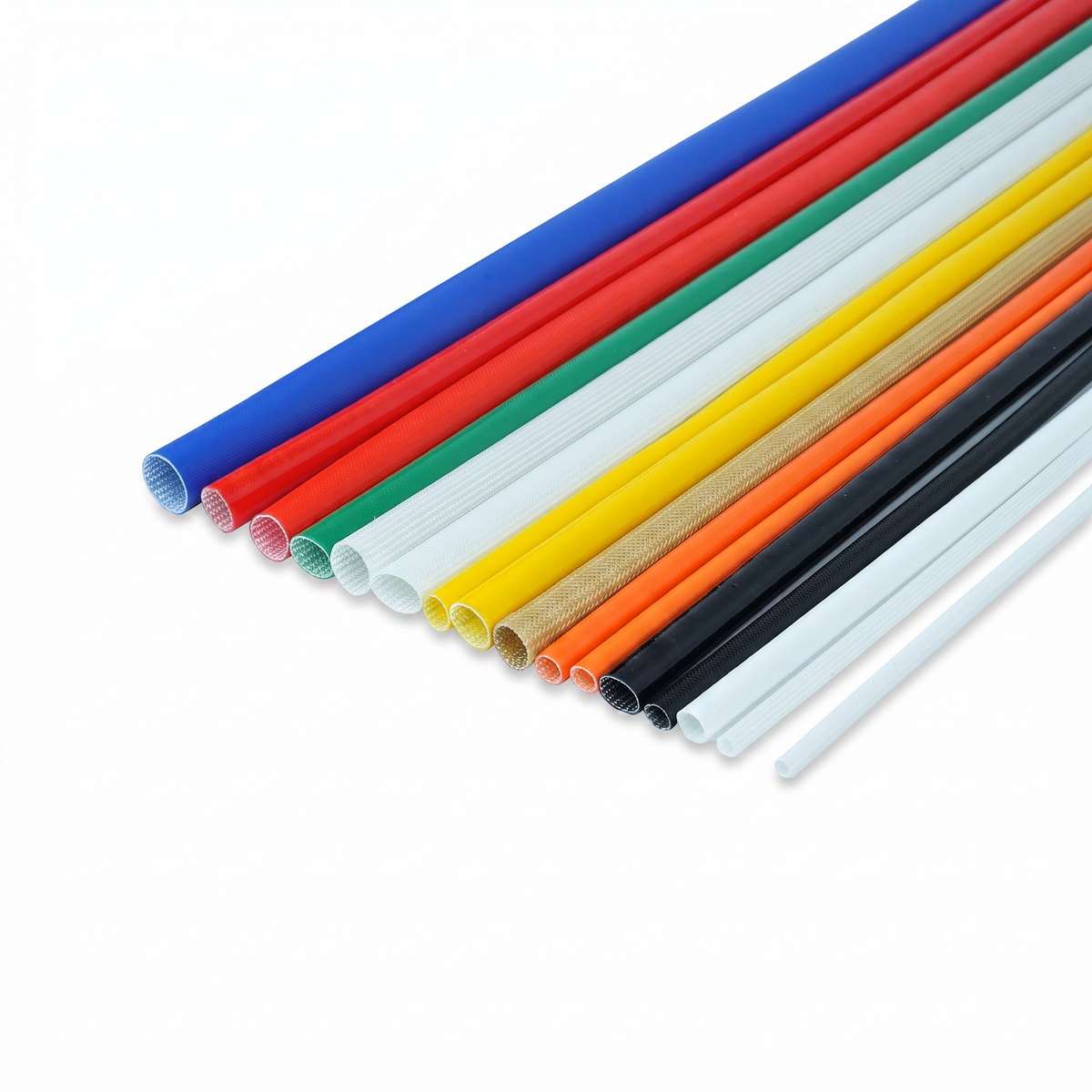
Selecting the correct fiberglass sleeving for your electrical and automotive applications requires careful attention to wire diameter and bundle size. Improper sizing can lead to inadequate protection, poor thermal management, and potential system failure. Understanding how to match these critical dimensions ensures your cable sleeving performs reliably under demanding conditions and delivers the heat resistance your project demands.
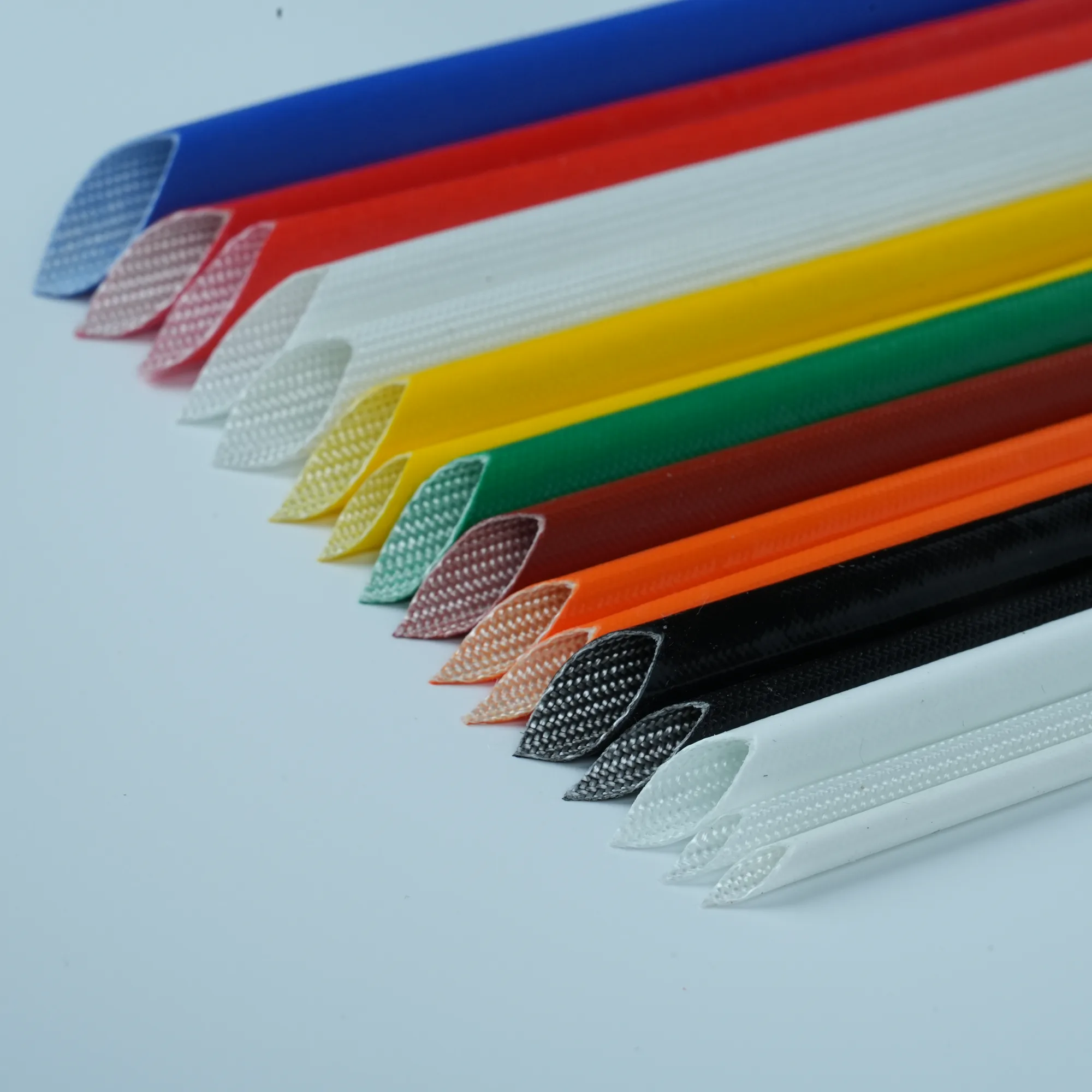
The process of selecting appropriate cable sleeving involves measuring your conductors accurately, calculating bundle cross-sections, and understanding the expansion characteristics of silicone-fiberglass composites. This guide walks you through the essential steps to achieve proper fit and maximum protection, whether you're working on automotive wiring harnesses, industrial machinery, or high-temperature applications where heat resistance is non-negotiable.
Understanding Wire Diameter Measurement and Requirements
Measuring Single Wire and Conductor Gauges
Begin by measuring the outer diameter of individual wires or conductors using precision calipers. Wire gauge directly influences the inner bore diameter you need in your automotive wiring sleeving. Standard measurement practices require checking multiple points along the conductor to account for insulation variations, jacket irregularities, or manufacturing tolerances. For automotive wiring applications, typical conductor diameters range from 0.5mm to 4mm, depending on amperage requirements and vehicle system specifications.
The fiberglass sleeving you select must accommodate the wire diameter with appropriate clearance. Too tight a fit restricts installation and can damage the conductor insulation during application, while excessive clearance allows the sleeving to shift, reducing its protective and thermal effectiveness. Most heat resistance ratings for cable sleeving assume the tubing maintains contact with the conductor surface, so proper sizing ensures optimal performance in both continuous and intermittent high-temperature environments.
Accounting for Insulation Thickness and Jacket Materials
Wire insulation thickness adds to the overall conductor diameter you must accommodate. PVC-insulated wires, silicone-rubber-jacketed conductors, and polyimide-coated conductors each present different outer profiles. When selecting cable sleeving, measure the insulated wire, not the bare copper core. This ensures your fiberglass sleeving fits properly over the actual conductor assembly you'll be protecting. Industrial automotive wiring often uses thicker insulation than standard automotive gauge wire, so verification is essential before purchasing bulk quantities.
Temperature-rated insulation materials also affect how the conductor responds to heat. Silicone-rubber insulation expands more at elevated temperatures than PVC, so your cable sleeving clearance must account for this thermal expansion. Quality fiberglass sleeving with proper heat resistance characteristics will remain flexible and protective even as both the wire insulation and the outer sleeving respond to temperature changes in automotive engine compartments or industrial environments.
Calculating Bundle Size and Cross-Sectional Fit
Grouping Wires and Determining Total Bundle Diameter
When bundling multiple conductors, arrange them in the most compact practical configuration, then measure the largest diameter across the bundle. For circular bundles, this is the overall diameter; for flat or irregular bundles, measure the longest dimension. Cable sleeving bore diameter must accommodate this maximum bundle cross-section without excessive compression. Tight bundling improves heat dissipation and reduces overall harness volume, but the fiberglass sleeving must still slip over the bundle freely during installation without pinching individual wires.
Many engineers create mockup bundles using representative wire samples before ordering full quantities of cable sleeving. This practical approach reveals installation challenges, thermal management concerns, and whether your selected heat resistance rating will perform adequately. For automotive wiring harnesses, bundle diameters typically range from 3mm to 15mm depending on the number and gauge of conductors required for engine bay, chassis, or body system applications.
Wall Thickness and Expansion Capacity
Fiberglass sleeving wall thickness influences both its heat resistance and its ability to accommodate bundle size variations. Thicker walls provide superior abrasion resistance and thermal insulation but occupy more radial space. Standard cable sleeving typically features wall thicknesses between 0.5mm and 2mm, chosen based on the mechanical protection and heat resistance requirements of your application. For automotive wiring in engine compartments, heat resistance needs often justify thicker walls despite the slight reduction in available internal bore diameter.
The material composition of your fiberglass sleeving also matters. Silicone-fiberglass blends offer superior heat resistance and flexibility compared to pure fiberglass. When selecting automotive wiring sleeving, specify the exact wall thickness and material combination appropriate for your temperature exposure and mechanical protection needs. This precision ensures the cable sleeving maintains its protective characteristics throughout its service life while accommodating the bundle size you've established.
Material Selection for Heat Resistance and Performance
Silicone-Fiberglass Composite Characteristics
Silicone-fiberglass composite cable sleeving offers exceptional heat resistance, flexibility, and durability for demanding applications. The silicone outer layer provides UV resistance, ozone protection, and maintains flexibility across a wide temperature range, while the fiberglass inner reinforcement delivers mechanical strength and structural integrity. This combination makes fiberglass sleeving ideal for automotive wiring harnesses exposed to engine heat, exhaust components, and continuous thermal cycling. Heat resistance ratings typically range from 200°C to 300°C depending on the specific silicone formulation and fiberglass weave density.
When selecting cable sleeving for your specific application, match the heat resistance rating to your worst-case temperature exposure. Automotive engine bay wiring may encounter sustained temperatures of 120°C to 150°C under normal conditions, with potential spikes above 180°C near exhaust manifolds or turbocharger components. Specifying sleeving with adequate heat resistance margin prevents degradation, insulation breakdown, and potential electrical failures during the vehicle's service life.
Installation and Long-Term Performance Considerations
Proper installation of cable sleeving directly impacts its long-term heat resistance performance. The sleeving should be threaded over the bundle during harness assembly, positioned to protect vulnerable sections, and secured as needed using cable ties or adhesive-lined sleeves at termination points. For automotive wiring applications, ensure the fiberglass sleeving doesn't restrict wire routing or create stress points where the harness bends repeatedly. Movement and vibration can cause premature wear of the sleeving material, compromising both the heat resistance and mechanical protection your application requires.
Environmental factors beyond temperature also influence cable sleeving performance. UV exposure, ozone from nearby electrical equipment, moisture ingress, and chemical exposure from fuels or coolants can degrade lower-quality sleeving over time. Automotive wiring installations benefit from high-quality silicone-fiberglass compositions that resist these environmental stressors while maintaining their heat resistance and flexibility throughout the vehicle's operational life. Periodic inspection of harness conditions and sleeving integrity ensures early detection of any degradation requiring maintenance or replacement.
FAQ
What happens if fiberglass sleeving is too tight for the wire bundle?
If the cable sleeving is too tight, installation becomes difficult and risks damaging conductor insulation during threading. The compressed fiberglass sleeving may lose some flexibility, reducing its ability to accommodate thermal expansion, and the constricted bundle may experience elevated localized temperatures due to restricted airflow and heat dissipation. For automotive wiring, this compression can lead to premature insulation failure and potential short circuits under thermal stress.
How do you account for temperature changes when selecting sleeving size?
Account for thermal expansion by adding a small clearance margin beyond the cold bundle diameter when selecting your cable sleeving bore size. Silicone-rubber insulation expands approximately 1-2% at maximum temperature, and fiberglass sleeving undergoes similar dimensional changes. Specifying a heat resistance rating well above your expected operating temperature and providing adequate clearance ensures the sleeving remains protective and flexible throughout thermal cycling, particularly important for automotive wiring exposed to engine bay temperature extremes.
Can fiberglass sleeving be reused if removed from a bundle?
Fiberglass sleeving can often be reused if removed carefully without cutting or tearing the material. However, repeated removal and reinstallation may compromise the sleeving's heat resistance effectiveness and flexibility. For critical automotive wiring applications, replacing the cable sleeving after removal ensures consistent protection and thermal management. The relatively low cost of quality fiberglass sleeving compared to the consequences of electrical failure makes replacement the prudent choice for safety-critical systems.
 EN