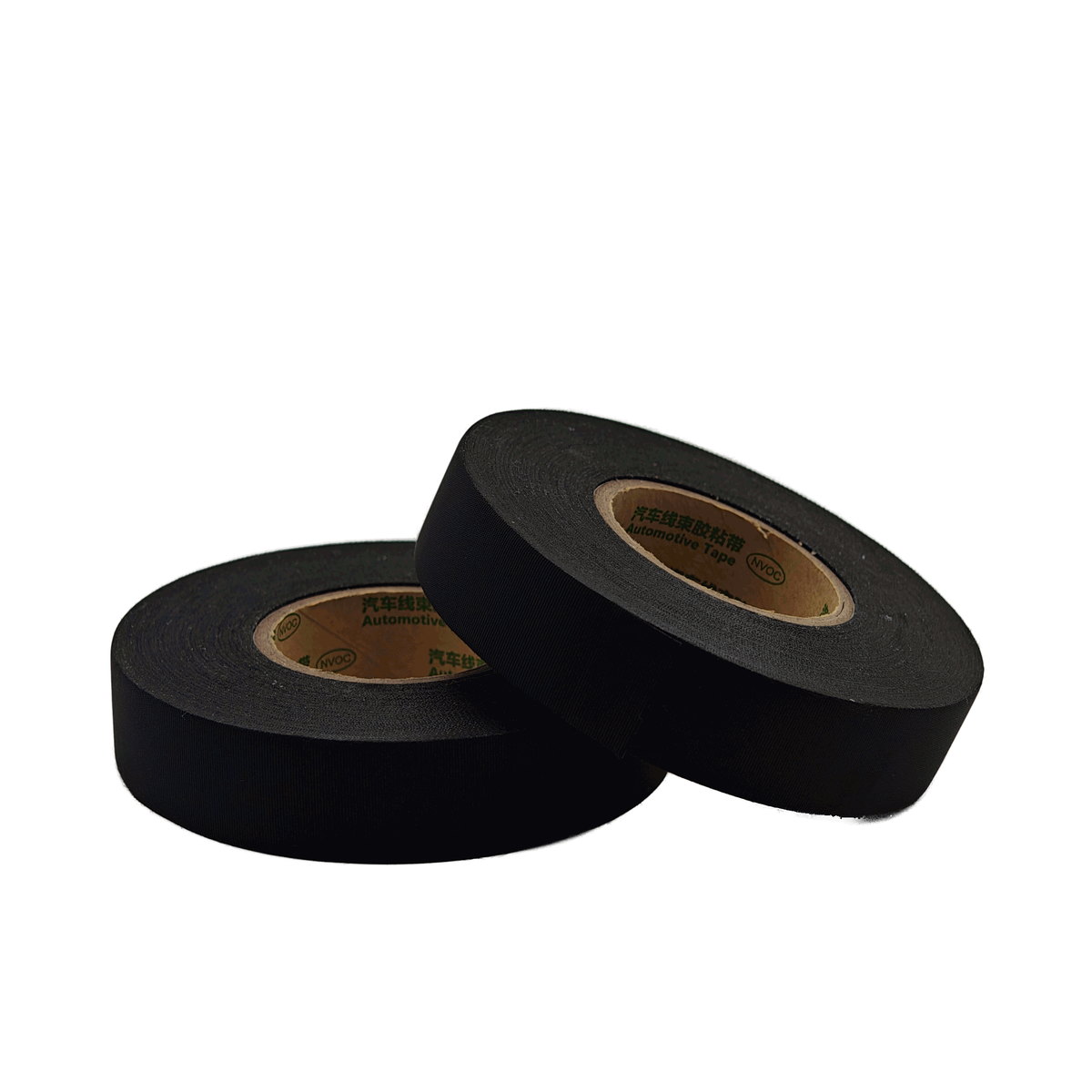
Incoming inspection of acetate cloth tape is a critical quality control process that directly impacts the reliability of electrical assemblies, wire harness applications, and insulation systems. Manufacturing teams and procurement specialists must establish rigorous inspection protocols to prevent defective materials from entering production workflows. The quality of cloth tape used in motor winding, cable wrapping, and harness protection determines whether finished products meet electrical safety standards, withstand thermal stress, and maintain long-term performance under operational conditions.
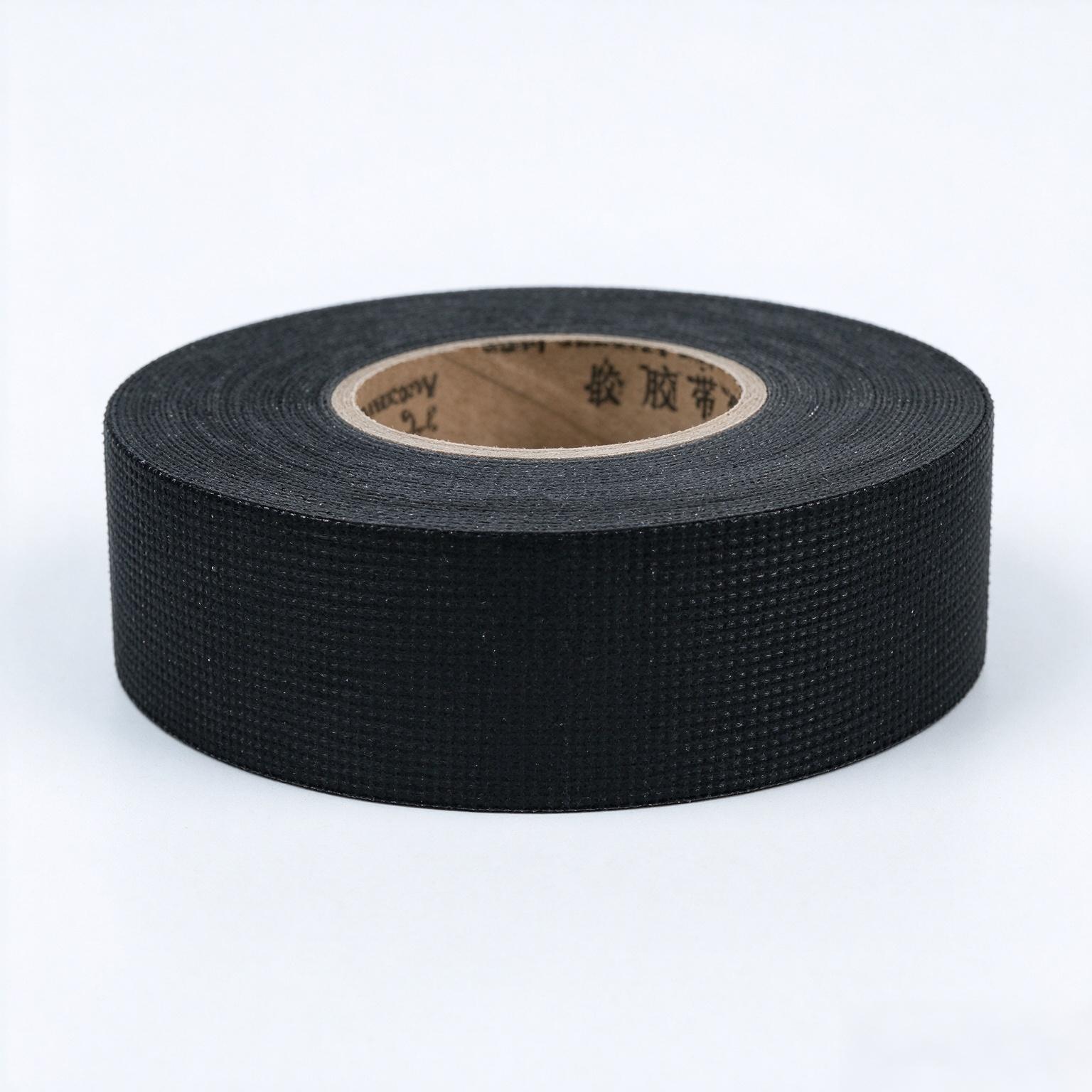
Effective incoming inspection requires understanding material specifications, recognizing common defects, and applying standardized testing methods. When receiving shipments of cloth tape for wire harness manufacturing or electrical insulation applications, inspection teams must verify adhesive consistency, backing fabric integrity, dimensional accuracy, and performance characteristics before acceptance. This guide walks through the essential inspection steps that protect your production quality and ensure compliance with industry standards.
Visual and Physical Characteristics Assessment
Inspecting Adhesive Properties
The adhesive layer is the functional core of acetate cloth tape. During incoming inspection, adhesive quality directly affects whether the tape will bond reliably to wire harnesses, motor components, or cable bundles. Examine the adhesive coating for uniform color, consistent thickness, and absence of visible defects such as bubbling, bleeding, or separation from the backing. Run your finger gently across the tape surface to detect sticky residue or uneven adhesive distribution, which indicates quality concerns that could compromise product performance.
For electrical insulation applications, the adhesive must maintain stable properties across temperature ranges. Check if the adhesive leaves any tacky residue on nearby surfaces or if it hardens excessively. Press a small sample onto a clean surface and observe how quickly it releases or if it leaves permanent marks. These tactile tests reveal whether the adhesive composition meets specification and whether it will perform consistently during wire harness assembly and subsequent thermal cycling.
Examining Cloth Backing Fabric
The cloth backing of acetate cloth tape provides mechanical strength, tear resistance, and structural stability for wire harness applications and cable wrapping tasks. Inspect the weave pattern for uniformity, checking that yarn density remains consistent across the entire roll. Bent, broken, or missing fibers indicate manufacturing defects that weaken the tape's ability to withstand tension, abrasion, or handling stress during assembly. Hold the cloth tape against light to detect any thin spots, holes, or areas where the weave becomes loose or irregular.
Test the tear resistance by attempting to tear the tape in both directions. The backing should resist tearing and show clean, straight fracture lines rather than ragged, unraveling edges. For electrical insulation duties, the cloth must maintain structural integrity when exposed to solvents, oils, or moisture that may contact it during service. Bend the tape repeatedly and inspect the backing for cracking, separation, or delamination, which would render it unsuitable for reliable electrical insulation performance.
Dimensional and Performance Verification
Measuring Width, Length, and Thickness Accuracy
Acetate cloth tape dimensions must match purchase specifications to ensure compatibility with winding equipment, harness jigs, and application fixtures. Use a precision ruler or digital caliper to verify that tape width remains consistent within acceptable tolerance, typically plus or minus 0.5 millimeters for standard cloth tape products. Measure multiple samples across different portions of the roll to confirm uniformity, as width variation indicates inconsistent manufacturing that could cause fitting problems or adhesion failures in wire harness assembly.
Thickness consistency is equally critical for electrical insulation applications. Use a tape gauge or precision micrometer to measure the total tape thickness, including both the cloth backing and adhesive layer. Variations in thickness affect how the tape conforms to cable geometry, how smoothly it winds around motor coils, and whether it maintains proper electrical insulation under compression. Document measurements in your incoming inspection log to establish a baseline for batch quality tracking and to identify trends that might signal supplier manufacturing drift.
Testing Adhesion Strength and Release Properties
Tape adhesion strength determines whether the cloth tape will remain securely bonded to wire harnesses, cables, or motor components throughout the product lifecycle. Perform a simple peel test by applying a sample of acetate cloth tape to a smooth test surface, then attempting to peel it back at a 180-degree angle. The tape should resist peeling with consistent force and show partial adhesive transfer to the test surface rather than clean separation. Inconsistent adhesion signals either inadequate adhesive coating or poor adhesive curing, both of which would compromise electrical insulation integrity and harness durability.
For electrical insulation applications, verify that the tape does not leave excessive residue or adhesive buildup on equipment rollers or handling surfaces. Some applications require controlled release properties where the tape must not bond excessively to underlying materials but still provide adequate electrical insulation. Test whether the tape releases cleanly from release liners or protective backing without tearing the cloth substrate. These checks ensure that the cloth tape functions as intended during both manufacturing assembly and long-term service conditions.
Compliance and Documentation Standards
Verifying Material Certifications and Batch Traceability
Every incoming shipment of acetate cloth tape should include material certifications documenting adhesive composition, cloth fiber type, temperature rating, and electrical insulation properties. Request batch test reports from suppliers showing that the cloth tape meets relevant standards such as UL, IEC, or industry-specific electrical insulation requirements. Cross-reference batch codes, manufacturing dates, and lot numbers against your purchase order to ensure traceability and to enable rapid identification if defects emerge after production begins.
Store complete documentation in your quality management system, linking each incoming inspection record to the corresponding supplier batch. This documentation becomes essential if electrical insulation failures or wire harness defects occur in the field, enabling root cause analysis and rapid corrective action. Maintain a supplier performance database that tracks defect rates, adhesion consistency, and dimensional accuracy across multiple incoming inspections. This historical data guides purchasing decisions and supplier qualification processes, ensuring that your acetate cloth tape supply chain remains reliable and consistent.
Recording Inspection Results and Establishing Accept/Reject Criteria
Create a standardized incoming inspection checklist specific to acetate cloth tape that documents adhesive appearance, cloth backing integrity, dimensional measurements, adhesion test results, and overall batch acceptance status. Establish clear accept/reject criteria aligned with your product performance requirements and electrical insulation standards. Reject batches showing adhesive defects, cloth backing damage, dimensional drift beyond tolerance, or inadequate adhesion strength. Document rejected materials and notify suppliers immediately, creating feedback loops that drive continuous improvement in cloth tape manufacturing quality.
Photograph representative samples of both accepted and rejected batches to build a visual quality reference library. This visual documentation helps inspection teams recognize subtle defects and maintains consistency across multiple inspectors. Train your quality team to understand how defects in incoming acetate cloth tape translate into downstream problems with wire harness durability, electrical insulation performance, and product reliability. Strong incoming inspection discipline prevents costly field failures and supports your company's reputation for manufacturing excellence.
FAQ
What are the primary defects to watch for in incoming acetate cloth tape?
Common incoming defects include uneven or insufficient adhesive coating, holes or loose weaves in the cloth backing, inconsistent width or thickness, poor adhesion strength, and deviation from specified color or appearance. Additionally, watch for separation between the cloth and adhesive layer, excessive tackiness or insufficient tack, and any sign of moisture exposure or storage damage. Detecting these defects during incoming inspection prevents them from compromising wire harness quality and electrical insulation performance in downstream manufacturing and field service.
How frequently should incoming inspection samples be tested for acetate cloth tape batches?
Industry best practice typically involves inspecting at least 100 meters or one complete roll from each incoming shipment for visual defects and performing adhesion and dimensional tests on multiple representative samples distributed across the batch. For critical applications involving electrical insulation or high-reliability wire harness assembly, implement more frequent sampling or even 100 percent inspection of rolls until supplier quality proves consistently stable. Establish sampling plans based on lot size, supplier history, and your company's risk tolerance for defective cloth tape reaching production.
What standards should acetate cloth tape meet for electrical insulation applications?
Acetate cloth tape used for electrical insulation typically must comply with UL standards, IEC electrical safety specifications, or customer-specific quality requirements. Request your supplier provide test reports documenting insulation resistance, dielectric breakdown, thermal aging resistance, and flame propagation characteristics. Verify that the cloth tape maintains electrical insulation performance across the temperature range where it will be used and that adhesive materials do not degrade electrical properties under elevated temperature or humidity conditions.
 EN