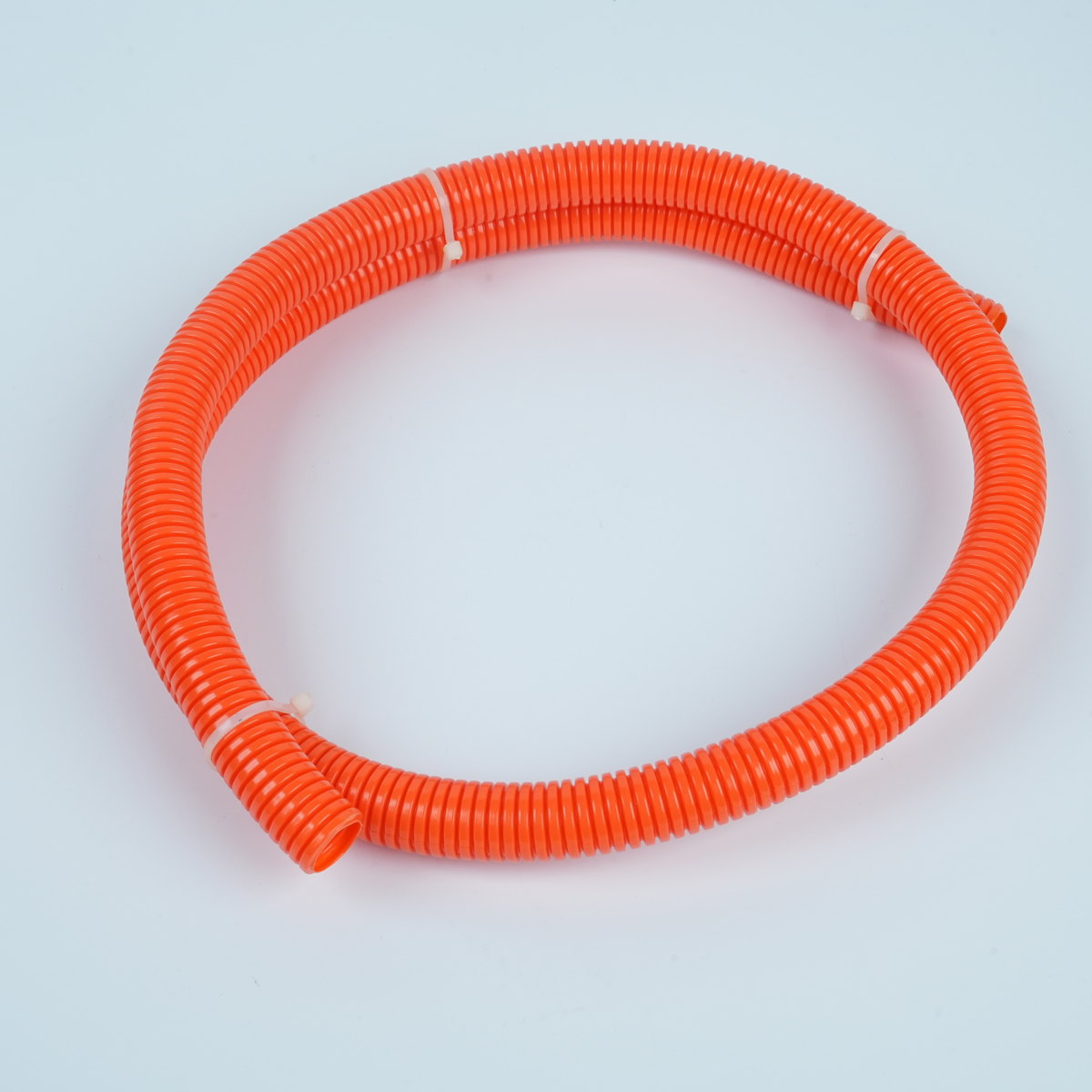
Selecting the right wire loom conduit is critical for ensuring electrical safety, durability, and optimal system performance across industrial and commercial installations. The evaluation process requires careful assessment of material composition, environmental conditions, installation requirements, and long-term maintenance considerations. Organizations that invest time in evaluating conduit options upfront experience fewer installation delays, reduced maintenance costs, and improved system reliability.
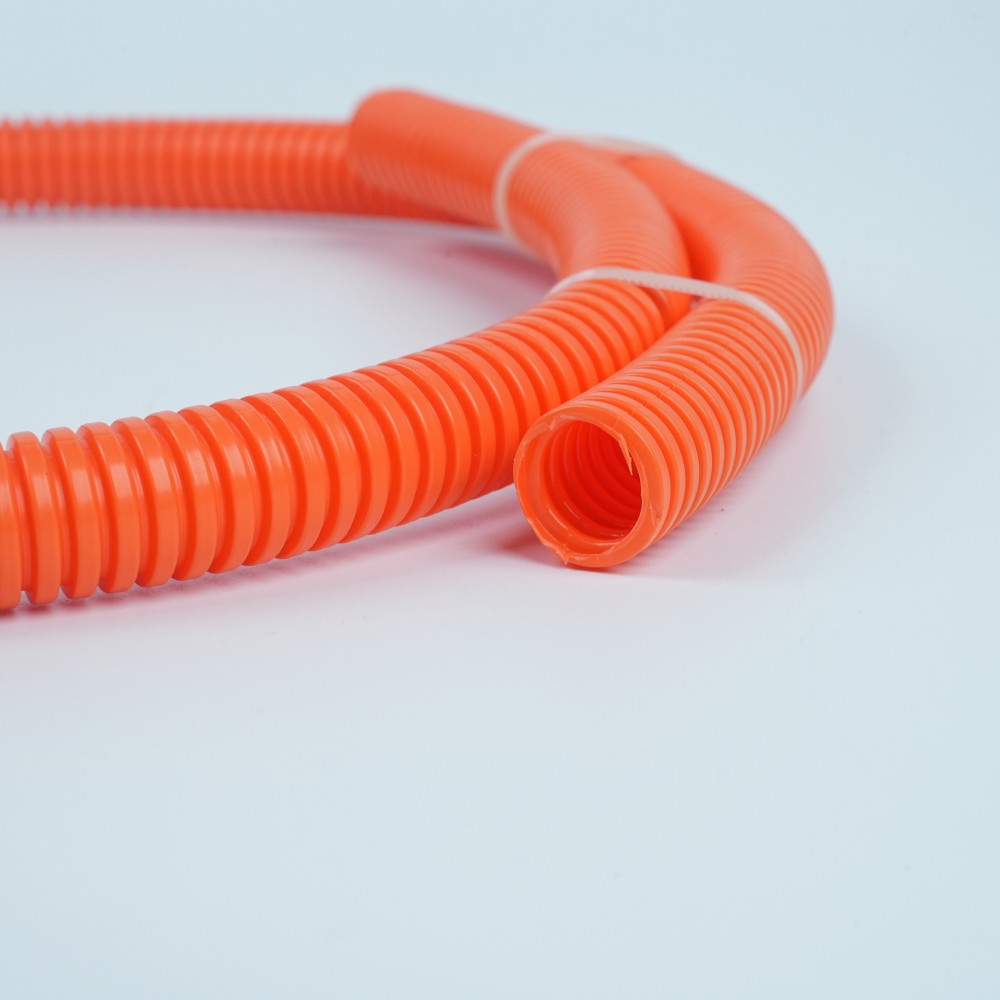
Evaluating wire loom involves understanding material specifications, protection ratings, flexibility requirements, and compatibility with your specific cable routing infrastructure. The right conduit solution protects wires from mechanical damage, moisture, chemicals, and temperature extremes while maintaining ease of installation and future serviceability. This guide walks through essential evaluation criteria to help you select appropriate split loom and cable routing systems for your electrical insulation needs.
Material Properties and Protection Standards
Understanding Nylon and Flame-Retardant Specifications
Most modern wire loom conduit utilizes nylon construction due to its excellent balance of flexibility, durability, and cost-effectiveness. Flame-retardant nylon formulations provide critical safety compliance for applications where fire risk is a concern, particularly in aerospace, automotive, and industrial environments. When evaluating split loom options, confirm that materials meet relevant industry standards such as UL, CSA, or military specifications applicable to your project.
Material thickness directly affects the protection level your cable routing system provides. Thicker conduit walls offer superior mechanical damage resistance and better long-term durability against environmental stress. Conversely, thinner-wall options reduce overall cable bundle diameter, which can be advantageous in space-constrained installations. Your evaluation should balance protective requirements against dimensional constraints specific to your application.
Chemical and Environmental Compatibility
Different electrical insulation environments demand different material responses. Wire loom conduit must resist oils, solvents, UV exposure, ozone, and extreme temperatures depending on installation location. Evaluate whether standard nylon meets your environmental requirements or whether specialized materials such as polyester or fluoropolymer-based split loom would provide better long-term protection. Industrial facilities with aggressive chemical exposure typically require premium conduit grades.
Temperature range specifications are equally important during evaluation. Standard nylon conduit operates effectively between minus 40 and plus 80 degrees Celsius, but specialized formulations extend these limits significantly. Review your facility's temperature profile, including seasonal variations and equipment-generated heat, to ensure the selected wire loom conduit maintains structural integrity throughout its service life.
Cable Routing Configuration and Installation Factors
Diameter Sizing and Bundle Capacity
Proper cable routing begins with accurate diameter assessment during the evaluation phase. Wire loom conduit is available in sizes ranging from one-quarter inch to over two inches in diameter, with each size accommodating different wire bundle configurations. Undersizing restricts cable movement and creates installation stress, while oversizing wastes material and complicates routing geometry. Measure your actual cable bundle diameter and add twenty to thirty percent to establish appropriate split loom sizing.
Consider not only current cable requirements but also future expansion possibilities when evaluating conduit diameter. Many industrial facilities underestimate future cable routing needs, forcing expensive retrofit work. Selecting slightly larger wire loom conduit during initial installation provides expansion capacity at minimal additional cost, improving long-term system flexibility and reducing maintenance disruptions.
Flexibility and Installation Ease
The flexibility rating of your selected wire loom conduit directly impacts installation labor and long-term serviceability. Flexible conduit allows sharp bends and accommodates complex routing paths without requiring additional fittings or connectors. During evaluation, test the flexibility of candidate materials by simulating your actual installation geometry. Overly rigid conduit requires more routing infrastructure and increases installation complexity.
Split loom design enables faster installation compared to spiral-wound alternatives because technicians can open the conduit lengthwise to insert cables without feeding them end-to-end. This feature significantly reduces labor time and potential cable damage during installation. Evaluate the quality of the split seam and locking mechanism to ensure the conduit remains securely closed during operation and withstands repeated opening and closing cycles throughout the system's life.
Performance Verification and Compliance Assessment
Electrical Safety and Grounding Capabilities
Electrical insulation performance is the primary function of wire loom conduit, and your evaluation must confirm appropriate dielectric strength ratings. Standard nylon conduit provides excellent electrical insulation, but some applications require conductive or static-dissipative cable routing solutions. Review your electrical codes and equipment manufacturer specifications to determine whether standard insulating wire loom or specialized conductive split loom is necessary.
Grounding continuity becomes critical in high-noise electrical environments or where equipment protection requires reliable ground paths. Some conduit formulations incorporate conductive properties to facilitate grounding, while others remain purely insulating. During evaluation, consult with your electrical engineer or systems integrator to determine whether your cable routing infrastructure requires conductive features or whether standard insulating wire loom conduit suffices.
Testing and Certification Verification
Legitimate manufacturers provide comprehensive test reports documenting their wire loom conduit performance across flame rating, tensile strength, flexibility, chemical resistance, and temperature tolerance specifications. Request these certifications during your evaluation process and verify they meet applicable standards for your industry. Look for independent third-party testing results rather than relying solely on manufacturer claims.
Evaluation should include confirmation that the selected split loom carries appropriate Underwriters Laboratory marks or equivalent certifications for your region. UL or CSA listing indicates the product has undergone rigorous testing and meets established safety requirements. Unverified or uncertified conduit poses regulatory compliance risks and may violate building codes or equipment warranties, creating significant liability exposure.
FAQ
What factors most influence wire loom conduit selection for electrical projects?
The primary evaluation factors include cable bundle diameter, environmental conditions such as temperature and chemical exposure, flexibility requirements for routing complexity, flame-retardant specifications for safety compliance, and future expansion capacity. Your specific application's electrical codes, equipment manufacturer requirements, and installation constraints will guide which factors carry the most weight in your decision.
How does split loom differ from other cable routing options?
Split loom conduit opens lengthwise along its seam, allowing cables to be placed inside without threading through from one end. This design dramatically reduces installation labor compared to spiral-wound or welded conduit options. Split loom also simplifies maintenance and cable additions throughout the system's operational life, making it the preferred choice for most industrial cable routing applications.
Should I always select the thickest wire loom conduit available?
Thicker conduit provides superior mechanical protection and durability, but thinner-wall options may be preferable in space-constrained installations or applications where cable bundle diameter must remain minimal. Evaluate your specific environment's mechanical stress levels and space limitations to determine the optimal balance between protection and dimensional efficiency for your wire loom conduit selection.
 EN