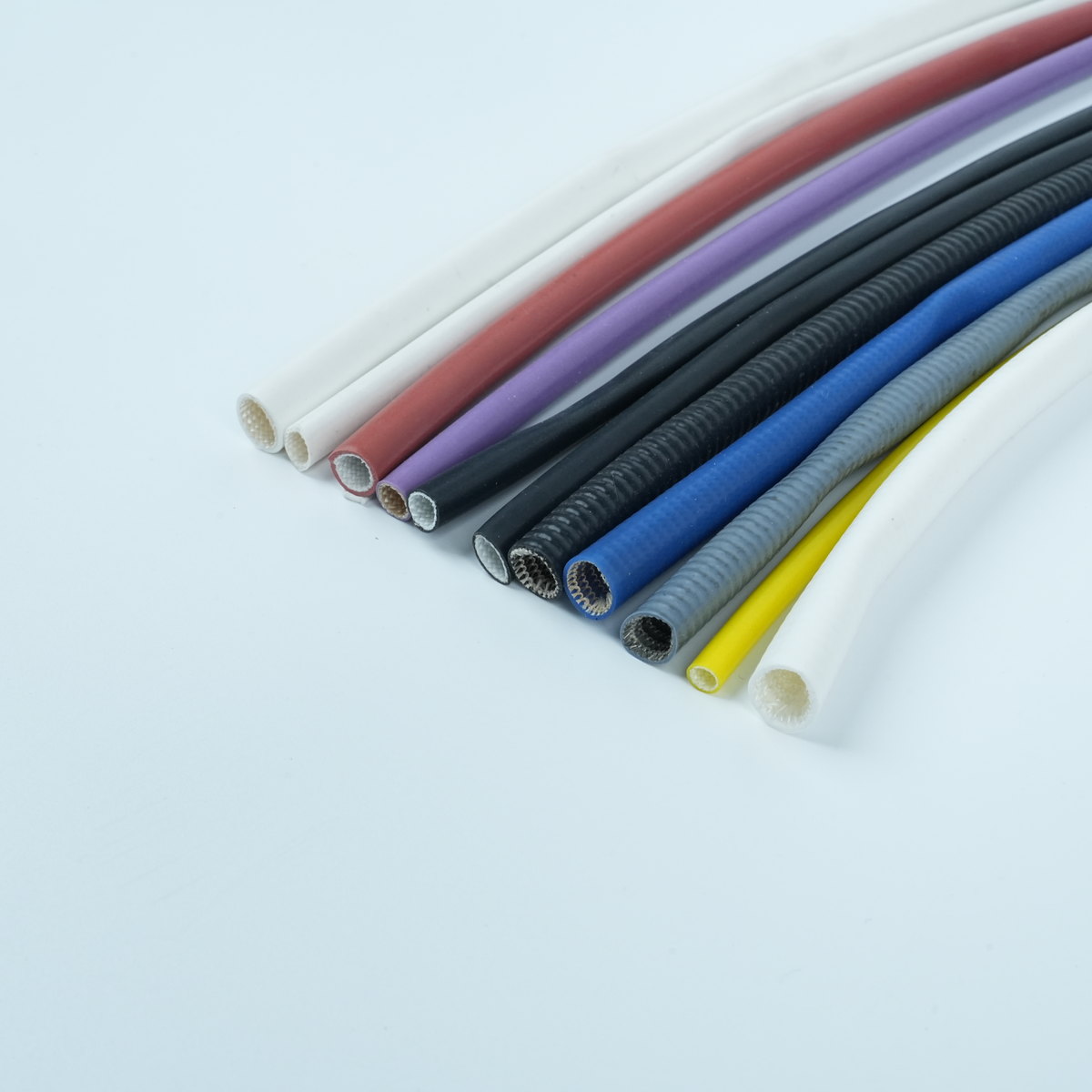
Selecting the right fiberglass sleeve requires understanding how surface contact and cable protection work together to maintain system reliability. In industrial applications, wires and cables face constant exposure to heat, mechanical abrasion, and chemical contact. A fiberglass sleeve serves as a critical barrier, but its effectiveness depends on proper evaluation of surface contact quality and protection capability. Without careful assessment, you risk electrical failures, safety hazards, and costly downtime. This guide walks you through the essential criteria for evaluating fiberglass sleeve performance in your specific application.
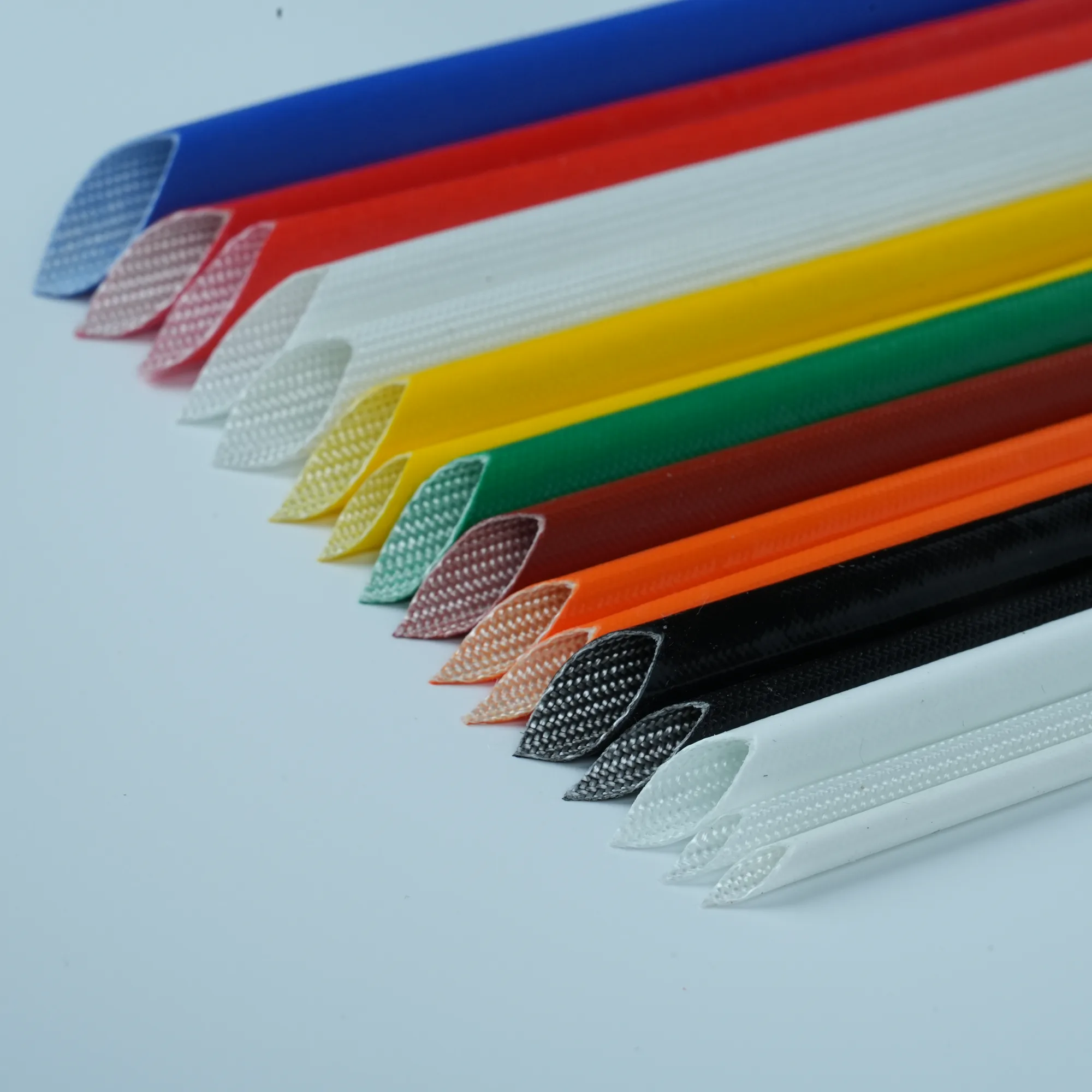
The quality of electrical insulation depends on consistent, full-coverage protection between the cable and its environment. High temperature conditions compound this challenge, as materials expand, contract, and degrade at different rates. Understanding how your fiberglass sleeve maintains contact under thermal stress, mechanical load, and aging conditions is fundamental to long-term performance. This evaluation process combines material science, application requirements, and practical testing protocols.
Understanding Surface Contact in Fiberglass Sleeves
The Role of Material Composition
Surface contact quality begins with understanding the fiberglass sleeve material structure. Fiberglass provides excellent thermal and electrical insulation properties, but the weave pattern and coating determine how well it maintains contact with the underlying cable. A tightly woven fiberglass structure with consistent coating ensures uniform contact across the cable surface. Loose weaves or thin coatings allow gaps where moisture, contaminants, or heat can penetrate, compromising electrical insulation integrity. When evaluating candidates, inspect the fiber density and coating uniformity under magnification to identify potential weak points.
Thermal Expansion and Contraction
High temperature environments create expansion and contraction cycles that stress the interface between cable and sleeve. As the fiberglass sleeve heats and cools, it must maintain consistent contact without creating air gaps that reduce electrical insulation effectiveness. Poor-quality sleeves develop micro-gaps over time, which accelerate electrical degradation and wire insulation breakdown. Test thermal cycling behavior by subjecting sleeve samples to your expected temperature range repeatedly and measuring contact resistance or dielectric strength after each cycle. Materials with similar thermal expansion coefficients to the underlying cable maintain better surface contact throughout the operational life.
Cable Protection Capabilities and Assessment
Mechanical Protection Against Abrasion
Cable protection extends beyond electrical insulation to include mechanical safeguards. Fiberglass sleeves must resist abrasion from moving parts, sharp edges, and handling stress. The durability of the sleeve surface determines how long it can protect wire insulation from external damage. High temperature applications often involve vibration, flexing, or contact with rough surfaces that can wear through inadequate protection layers. When evaluating a fiberglass sleeve, conduct abrasion resistance tests using standard methods like ASTM D4157 to simulate real operational conditions. Measure the depth and pattern of wear after defined friction cycles to predict long-term durability.
Chemical and Environmental Resistance
Industrial environments expose cables to oils, coolants, solvents, and moisture that degrade both the cable and its protective sleeve. A high-quality fiberglass sleeve provides a barrier that resists these chemical attacks while maintaining electrical insulation properties. Evaluation requires testing the sleeve material against the specific chemicals present in your facility. Immersion tests lasting several weeks reveal whether the fiberglass sleeve swells, embrittles, or loses contact under chemical exposure. Environmental resistance also includes UV stability, especially for outdoor or window-exposed applications where ultraviolet light degrades unprotected materials rapidly.
Practical Evaluation Protocols and Testing
Dielectric Strength and Electrical Performance
The primary function of electrical insulation is preventing current flow between conductors or to ground. Dielectric strength measures this capability under high voltage stress. Test the fiberglass sleeve by applying gradually increasing voltage until breakdown occurs, comparing results against industry standards or your specific safety margins. High temperature operation typically reduces dielectric strength, so testing at your maximum operating temperature provides the most relevant data. A fiberglass sleeve that passes room-temperature testing but fails at high temperature is unsuitable for critical applications. Measure both the initial breakdown voltage and any changes after thermal cycling or chemical exposure to identify materials with stable long-term performance.
Contact Quality Measurement
Direct measurement of surface contact between cable and fiberglass sleeve ensures consistent quality. Contact resistance testing reveals gaps or inconsistencies in the sleeve-to-conductor interface. Use a four-wire ohm measurement technique to eliminate lead resistance and detect contact issues smaller than visual inspection can reveal. Poor contact readings indicate material defects, inadequate coating coverage, or incompatibility between cable diameter and sleeve inner dimensions. Consistency across the full length of the sleeve confirms uniform manufacturing quality. Repeat measurements after thermal cycles and mechanical stress to verify that contact remains stable throughout operational life.
Selecting the Right Fiberglass Sleeve for Your Application
Matching Sleeve Properties to Environmental Demands
No single fiberglass sleeve design suits all applications. High temperature environments require different material selections than moderate-temperature installations. Consider the specific combination of temperature range, mechanical stress, chemical exposure, and electrical requirements your cables face. A fiberglass sleeve rated for 200 degrees Celsius performs differently than one rated for 400 degrees Celsius, with higher-temperature materials typically offering reduced flexibility and higher cost. Align your evaluation criteria with these specific environmental factors rather than defaulting to the highest-rated material available. Over-specification wastes resources, while under-specification creates reliability risks.
Cost-Performance Trade-offs
Budget constraints often pressure selection decisions, but choosing an inadequate fiberglass sleeve based on cost creates far greater expenses through failures and system downtime. Evaluate the total cost of ownership, including installation labor, expected service life, and the financial impact of cable failure in your specific operation. A more expensive sleeve with superior high temperature resistance and chemical stability may cost less overall than repeatedly replacing failed cables protected by cheaper alternatives. Establish minimum acceptable performance standards before requesting quotes, and verify that lower-cost options truly meet these standards through testing data rather than relying on manufacturer claims alone.
FAQ
What is the difference between fiberglass sleeve and other cable insulation materials?
Fiberglass sleeves offer superior high temperature capability compared to PVC or rubber alternatives, maintaining electrical insulation properties above 200 degrees Celsius where other materials soften or degrade. Fiberglass provides better mechanical protection through its rigid, durable structure while maintaining flexibility for installation. The material resists oils and chemicals more effectively than most polymeric insulation, extending service life in harsh industrial environments. However, fiberglass sleeves typically cost more upfront and require specialized installation techniques compared to simpler wrap-style insulation options.
How often should I test fiberglass sleeve contact quality during operation?
Initial contact quality testing before installation establishes baseline performance, but periodic verification depends on your application criticality and environmental severity. Systems operating continuously at high temperature or in corrosive environments benefit from testing every one to two years or following major maintenance events. Less demanding applications may require testing only during scheduled facility maintenance windows. If operational performance data indicates stable electrical characteristics, testing intervals can be extended. Develop a predictive maintenance schedule based on the specific failure modes and degradation patterns observed in your installation.
Can a fiberglass sleeve improve electrical insulation for existing cables?
Yes, retrofitting existing cables with a fiberglass sleeve provides substantial protection improvement when the original wire insulation shows age-related degradation or when operating conditions have changed. The sleeve must slide over the cable without excessive force that could damage existing insulation, requiring careful size matching and sometimes using talcum powder or similar lubricants for installation. This approach extends cable life cost-effectively without complete replacement, though it works best for cables not yet showing severe damage. Always verify that the sleeve maintains proper electrical insulation performance and contact quality before returning the retrofitted cable to service.
 EN