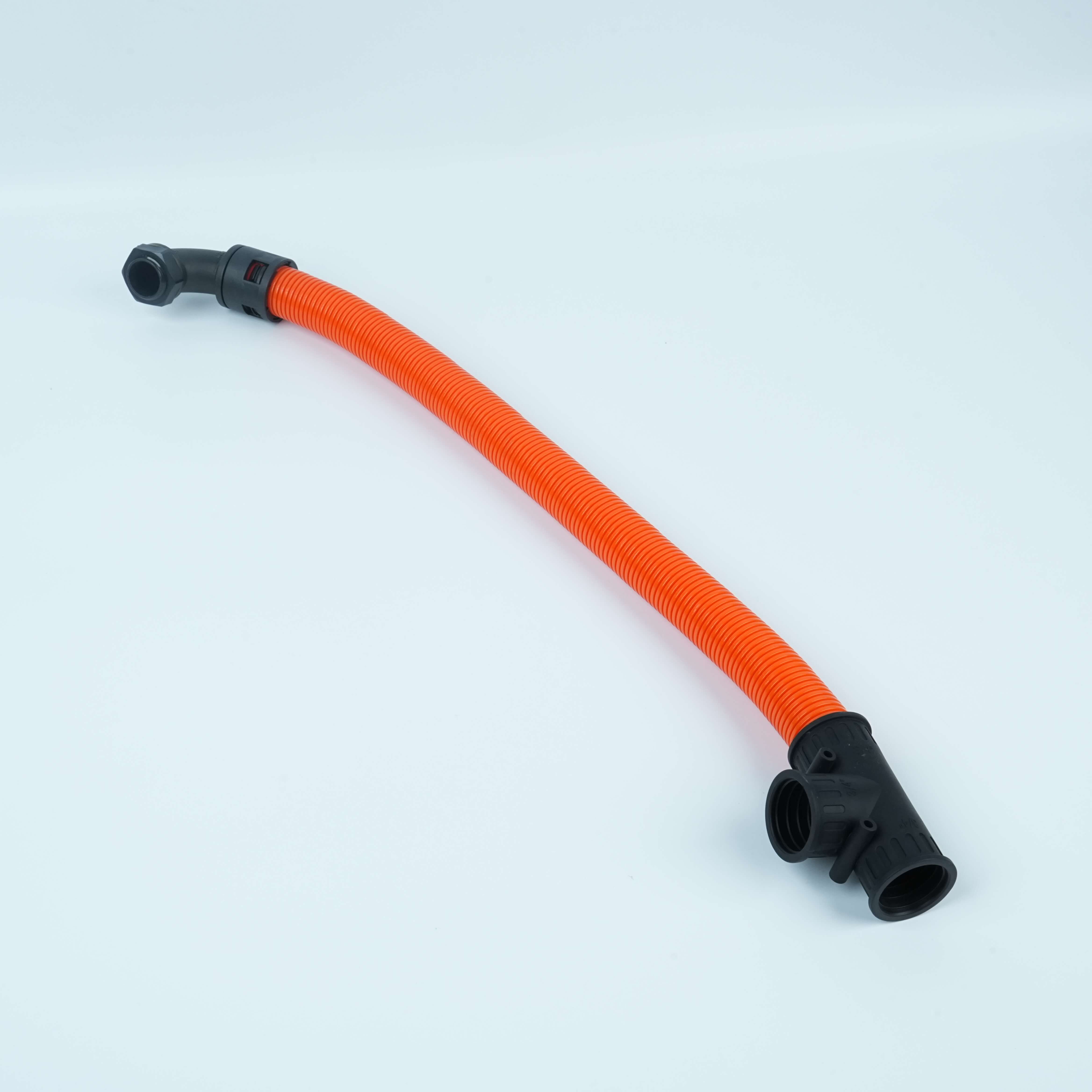
Defining fit and tolerance requirements for wire loom conduit is a critical step in ensuring reliable cable routing and long-term system performance in industrial environments. Many engineers underestimate the precision needed when specifying cable conduit, treating it as a simple protection mechanism rather than a component with exacting dimensional and functional requirements. The reality is that improper fit tolerances lead to installation failures, cable damage, system downtime, and costly rework.
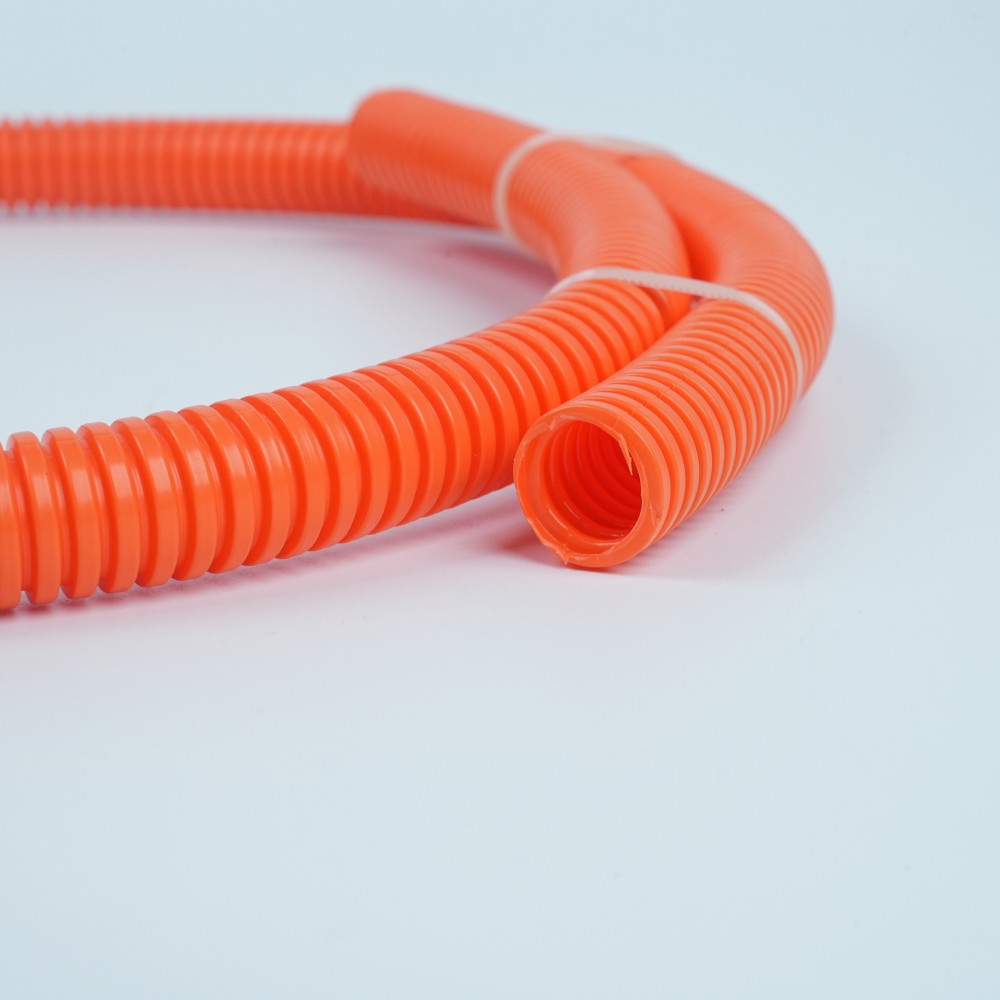
Understanding the relationship between internal diameter, wall thickness, and the cables being routed is fundamental to effective cable conduit selection and application. When specifications are vague or incomplete, manufacturers default to standard dimensions that may not suit your specific cable routing needs. This guide walks you through the complete process of defining fit and tolerance parameters for wire loom systems, enabling you to select and deploy cable conduit that performs reliably from installation through the life of your equipment.
Understanding Fit and Tolerance Fundamentals
Core Dimensional Parameters
Wire loom conduit fit is determined by three primary dimensional factors: internal diameter, external diameter, and wall thickness. The internal diameter must accommodate the cables you intend to route without excessive compression or damaging contact. Cable routing through undersized conduit causes insulation abrasion, signal degradation, and premature failure. Conversely, oversized cable conduit wastes materials, increases installation costs, and creates slack that allows cables to shift and rub against sharp conduit edges.
Tolerance refers to the acceptable range of variation in these dimensions from the nominal specification. A wire loom with loose tolerances may have an internal diameter that fluctuates significantly along its length, creating inconsistent cable support. Tight tolerances ensure uniform diameter, consistent cable routing performance, and predictable fit across your entire cable management system. Industrial applications typically demand tighter tolerance control than consumer applications because the cost of failure is measured in production downtime and safety risk.
Tolerance Classes and Industrial Standards
Most cable conduit systems follow established tolerance classifications that simplify specification and ensure consistency across suppliers. ISO and ASTM standards define tolerance grades that communicate acceptable dimensional variation. Understanding these classes allows you to specify appropriate precision levels without over-engineering and inflating costs. A general-purpose cable routing application may tolerate ±0.5mm variation, while aerospace or medical device applications may require ±0.1mm or tighter.
When defining your tolerance requirements, begin by identifying the application criticality. High-vibration industrial environments, temperature cycling scenarios, and high-frequency signal transmission demand tighter tolerances and more stable cable conduit materials. Standard commercial tolerance classes typically work well for general manufacturing and control system cable routing. Specialized applications warrant consultation with your cable conduit supplier to verify that their manufacturing process can consistently achieve your specified tolerances.
Defining Fit Requirements for Your Cable Routing System
Cable Bundle Diameter and Fill Factor Analysis
The first step in defining wire loom fit is calculating the total cross-sectional area of all cables that will occupy the conduit. Measure or obtain from datasheets the outer diameter of each individual cable, then calculate the combined diameter of the cable bundle. Most industrial practice recommends a fill factor between 40 and 60 percent, meaning the cables should occupy 40 to 60 percent of the available internal conduit volume. This provides adequate space for cable movement, thermal expansion, and proper air circulation while ensuring cables remain stable and organized.
For cable routing applications with mixed cable sizes, create a worst-case bundle scenario that includes all cables at their maximum rated dimensions. Some cables expand when heated, so account for thermal growth in your fill factor calculation. A cable that measures 8mm at ambient temperature may reach 8.4mm at operating temperature. If your conduit fit tolerance is too tight, thermal expansion creates unacceptable pressure on the cable bundle, leading to insulation stress and potential failure.
Environmental and Performance Constraints
The operating environment significantly influences fit tolerance requirements for cable conduit. Industrial machinery subject to vibration and mechanical shock demands tighter tolerances and higher-durability materials to prevent cable movement inside the loom. Temperature cycles cause expansion and contraction, so your specified tolerance range must account for dimensional changes in both the conduit and the cables during thermal cycling. Wire loom designed for stable indoor environments can tolerate looser specifications than conduit used in vehicles, outdoor installations, or extreme-temperature settings.
Chemical exposure also affects fit tolerance definition. Hydraulic fluid, coolant, or solvent contact can cause cable conduit to swell or soften, altering internal diameter and degrading fit performance. When specifying cable routing for chemically aggressive environments, consult material compatibility data and request tolerance verification after exposure testing. Some synthetic rubber or PVC formulations maintain dimensional stability better than standard nylon under chemical exposure, but this improved performance comes at higher material cost.
Specifying Tolerance Requirements and Validation
Documentation and Supplier Communication
Clear tolerance specification prevents misunderstandings with cable conduit manufacturers and ensures you receive conduit that meets your actual application requirements. Include in your specification sheet the nominal internal diameter, the acceptable tolerance range (stated as plus/minus deviation), the measurement methodology, and any special test or inspection requirements. Reference applicable standards such as ISO 286 or ASTM D3055 to establish a common dimensional language with suppliers of wire loom products.
When communicating cable routing requirements to conduit suppliers, provide sample cables or detailed cable specifications so the manufacturer understands your fill factor and fit constraints. Request that suppliers confirm their manufacturing tolerances can achieve your specified range. If a supplier cannot meet your tolerances consistently, ask whether looser tolerances would still satisfy your application needs, or whether you require alternative cable conduit materials with better dimensional stability.
Testing and Validation Protocols
Before deploying wire loom conduit in production, validate that received material meets your tolerance specification. Simple go/no-go gauges or calipers allow quick verification that internal and external dimensions fall within acceptable ranges. For critical applications, measure multiple samples along the length of each conduit spool to confirm uniform tolerances throughout the material. Thermal cycling tests reveal whether your cable conduit maintains dimensional stability across the expected operating temperature range.
Practical fit testing involves routing your actual cable bundle through sample conduit and verifying that insertion force, cable movement, and positional stability meet your expectations. This hands-on validation catches fit issues that dimensional analysis alone might miss. Document the results to establish baseline performance criteria for incoming material inspection. If future cable conduit lots fail these tests, notify your supplier immediately so manufacturing adjustments can be made before defective material reaches production.
FAQ
What is the standard fill factor for cable routing applications?
Industrial best practice recommends a fill factor between 40 and 60 percent for cable routing, meaning cables should occupy 40 to 60 percent of the available internal volume of the wire loom conduit. This range provides adequate space for cable movement, thermal expansion, and thermal dissipation while keeping cables organized and preventing damage. The specific fill factor you choose depends on cable types, operating temperature, vibration environment, and accessibility requirements for future cable additions or replacements.
How do temperature cycles affect wire loom fit tolerances?
Temperature cycles cause both the cable conduit and the cables to expand and contract. If your specified tolerances are too tight, thermal expansion during heating can create damaging pressure on the cable bundle. Conversely, excessive contraction during cooling can create slack and allow cables to shift and rub. Always account for the maximum operating temperature range when defining your tolerance specification, and select conduit materials with low thermal expansion coefficients to minimize dimensional changes across your operating environment.
What tolerance class should I specify for general industrial cable routing?
General industrial applications typically tolerate ±0.5mm to ±1.0mm variation in internal diameter, corresponding to ISO tolerance class H7 or similar grades. Specialized applications such as aerospace, medical devices, or high-frequency signal transmission may require tighter tolerances like ±0.1mm to ±0.25mm. Consult your cable conduit supplier to confirm that their manufacturing process can consistently achieve your specified tolerance class, and verify that tighter tolerances do not impose cost penalties that exceed the benefit to your application.
 EN