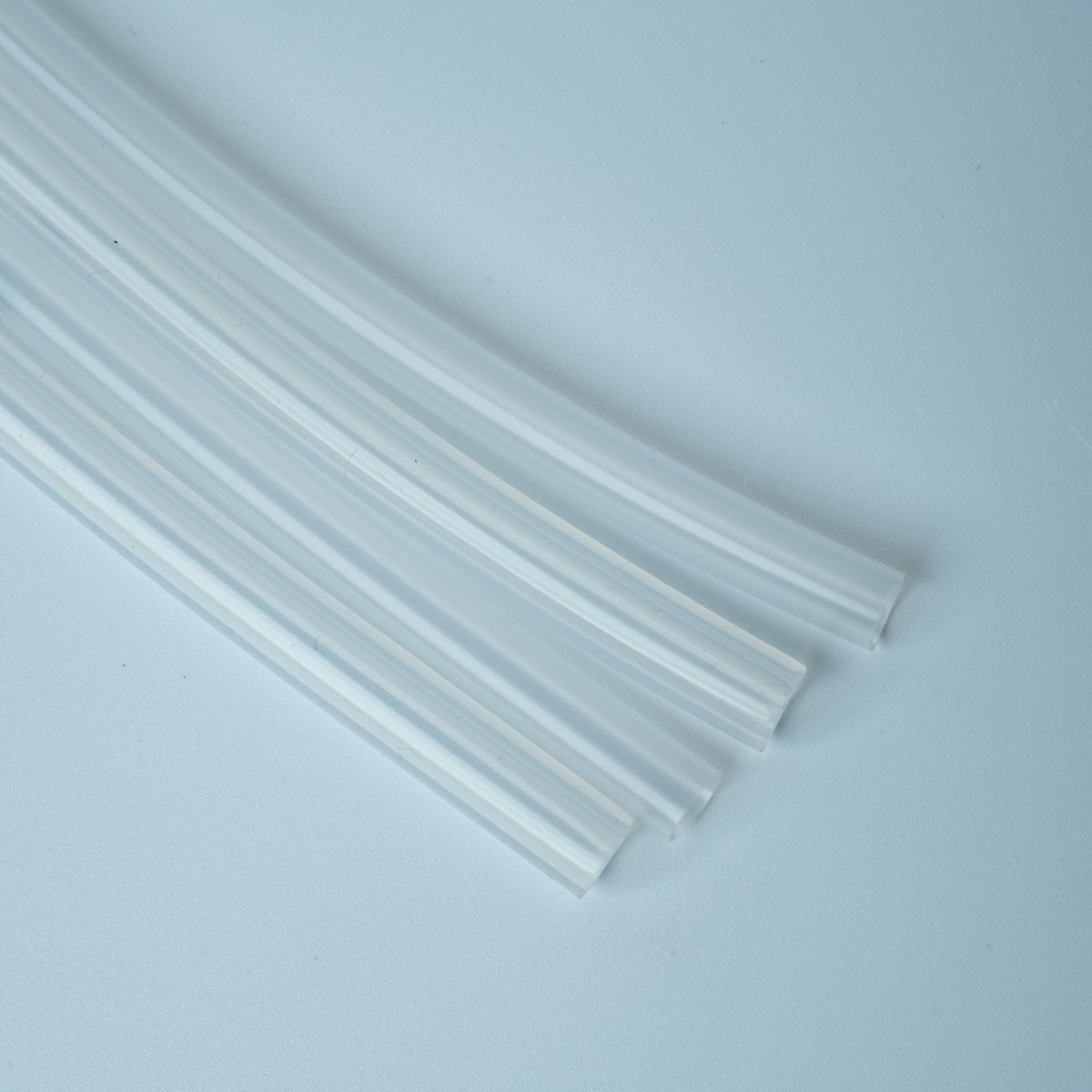
Defining fit and tolerance requirements for PTFE sleeving is essential for ensuring optimal performance in demanding industrial applications. Precision in these specifications directly impacts equipment reliability, operational safety, and overall system efficiency. Without proper fit and tolerance parameters, even high-quality PTFE sleeving may fail to deliver the chemical resistance, wire insulation, and high temperature protection that industrial operations demand. This guide explores the critical steps and considerations for accurately defining these requirements.
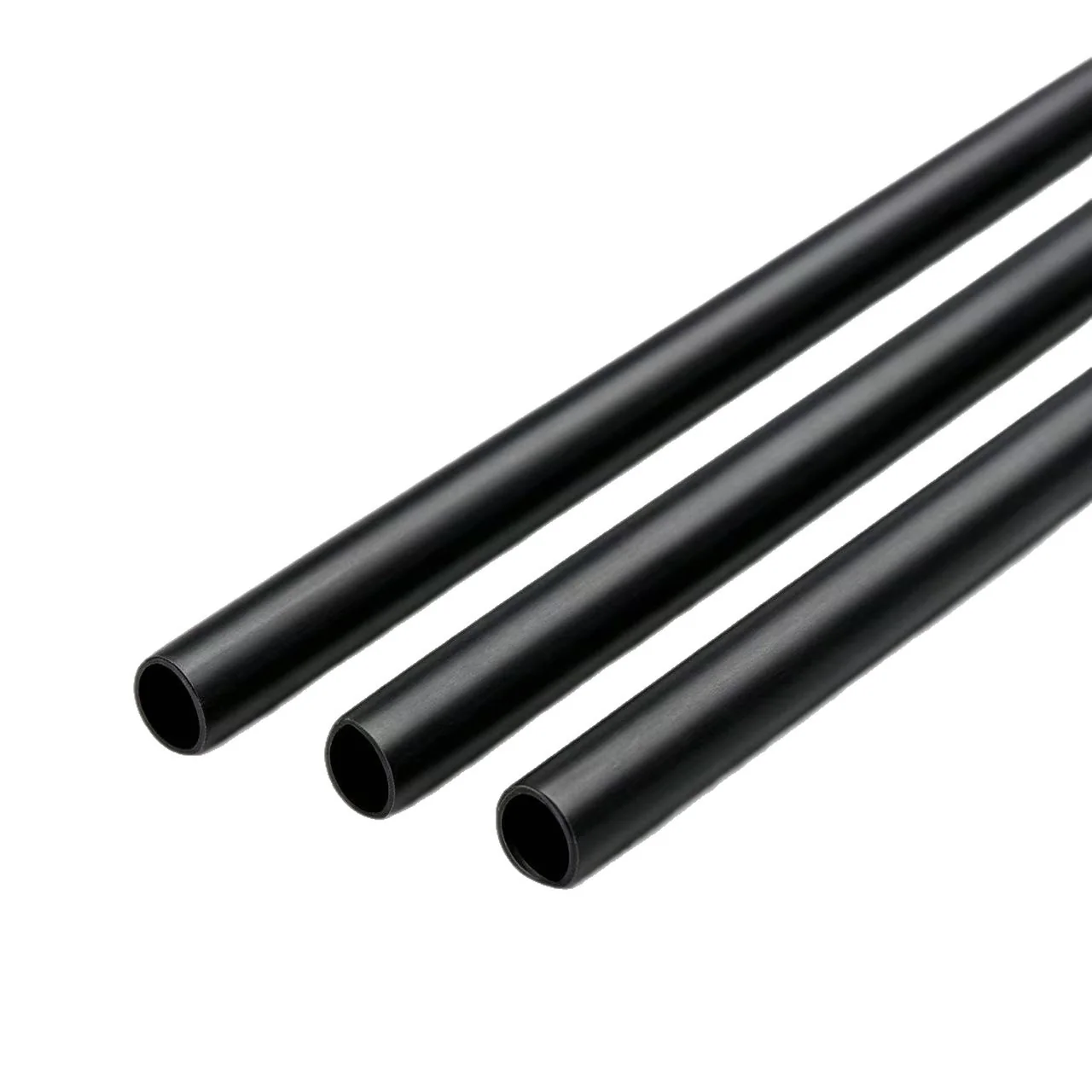
The process of determining fit and tolerance requirements begins with a comprehensive understanding of your application environment and operational constraints. PTFE sleeving must accommodate varying wire diameters, connector sizes, and thermal expansion cycles while maintaining consistent chemical resistance and wire insulation properties. Engineers and procurement specialists need to establish clear dimensional parameters that prevent both excessive looseness and dangerous over-compression of the underlying wire or component.
Understanding Core Dimensional Requirements
Measuring Wire and Component Dimensions
Accurate measurement forms the foundation of successful PTFE sleeving specification. Begin by measuring the outer diameter of the wire, cable, or component that requires protection. Use precision calipers or micrometers to capture accurate readings across multiple points along the length. Different wire gauges, connector types, and assembly configurations demand different inner diameter tolerances for the sleeving. Document baseline dimensions before accounting for high temperature expansion, insulation layers, or protective coatings already present on the wire.
Next, consider the maximum operating temperature and the thermal expansion characteristics of both your wire material and the PTFE sleeving itself. PTFE exhibits minimal expansion across a wide temperature range, which makes it ideal for high temperature applications. However, the underlying wire or component may expand differently, creating potential gaps or compression stress. Calculate the dimensional changes expected at maximum operating temperature and adjust your tolerance specifications accordingly to maintain reliable wire insulation and chemical resistance.
Selecting Appropriate Inner Diameter Tolerances
Inner diameter tolerance selection requires balancing competing needs. Too loose, and the PTFE sleeving may slip or rotate, compromising wire insulation and chemical resistance protection. Too tight, and you risk damaging the wire insulation during installation or creating excessive stress that degrades long-term performance. Industry standards typically recommend tolerances between minus 0.005 and plus 0.010 inches for general applications, though high temperature and specialized chemical resistance environments may require tighter specifications.
Work with your material supplier to understand the manufacturing tolerances they can consistently deliver for your specified inner diameter. PTFE sleeving manufacturers typically hold tighter tolerances on larger diameter products than on very small tubing. Request certified dimensional data for your exact product specification. This transparency ensures that every reel delivered maintains the fit characteristics your system design requires.
Chemical Resistance and Material Compatibility
Assessing Chemical Exposure and Compatibility
Chemical resistance is a primary reason engineers select PTFE sleeving for demanding applications. However, fit and tolerance specifications must account for chemical exposure effects on dimensional stability. Some aggressive chemicals can cause slight swelling or shrinkage in materials over extended contact periods. PTFE itself resists virtually all chemicals at normal conditions, but your tolerance design should include a safety margin that accommodates potential dimensional changes in underlying wire insulation materials that may be exposed to splash, vapor, or direct chemical contact.
Evaluate the specific chemicals your sleeving may contact during manufacturing, assembly, storage, and operation. Create a compatibility matrix that maps each chemical to potential effects on wire insulation and tolerance requirements. For applications involving aggressive solvents, oils, or corrosive substances, consider specifying PTFE sleeving with slightly larger inner diameter tolerances to accommodate any dimensional changes without creating dangerous compression stress. This proactive approach maintains both chemical resistance and reliable wire insulation across the full service life.
Temperature Effects on Chemical Resistance Performance
High temperature environments introduce complexity when defining tolerance requirements for PTFE sleeving. Many chemicals become more aggressive at elevated temperatures, potentially affecting the wire insulation material inside the sleeving. Your tolerance specifications must account for thermal effects on both the PTFE sleeving and any underlying materials. PTFE maintains its chemical resistance up to its maximum continuous operating temperature, typically around 260°C, but the wire insulation inside requires protection across the same temperature range.
Establish clear high temperature testing protocols to validate that your selected fit and tolerance parameters maintain adequate wire insulation and chemical resistance under maximum operating conditions. This may include thermal cycling tests, chemical immersion tests at elevated temperature, and dimensional stability measurements after exposure. The investment in comprehensive testing during the specification phase prevents costly failures and ensures that your PTFE sleeving delivers consistent performance throughout its service life.
High Temperature Performance and Tolerance Stability
Thermal Expansion and Contraction Considerations
High temperature applications demand careful tolerance planning because thermal cycling creates repeated stress on the fit between PTFE sleeving and the component it protects. PTFE exhibits a coefficient of linear expansion of approximately 75 to 100 parts per million per degree Celsius, which is relatively low compared to many polymers. However, the materials inside the sleeving often expand more, creating the potential for internal stress or gap formation during thermal cycling.
Design your tolerance specifications to maintain adequate clearance at maximum operating temperature while preventing dangerous looseness at room temperature. A practical approach involves calculating expected dimensional changes at both room temperature and maximum operating temperature, then selecting inner diameter tolerances that accommodate this range safely. Include a minimum clearance margin of at least 0.002 inches at maximum temperature to ensure that thermal stress does not compromise wire insulation or chemical resistance. Test prototypes through complete thermal cycles to verify that fit remains stable and reliable.
Long-Term Dimensional Stability in Demanding Environments
Extended exposure to high temperature environments can gradually affect dimensional stability, even with PTFE sleeving. Establish tolerance specifications that account for potential long-term creep or dimensional change. PTFE exhibits minimal creep compared to other polymers, but very long service intervals or continuous high temperature exposure may warrant slightly looser initial tolerances to prevent over-compression stress. Document your high temperature requirements clearly and communicate them to your PTFE sleeving supplier to ensure they understand your application demands.
Request material certification and dimensional stability data for extended high temperature exposure from your supplier. This transparency helps verify that your specified tolerance range remains valid throughout the intended service life. Regular inspection and measurement of installed PTFE sleeving in critical applications provides valuable feedback for future specifications and helps identify any drift in dimensional stability before failures occur.
FAQ
What is the typical inner diameter tolerance range for standard PTFE sleeving applications?
Most standard PTFE sleeving applications use inner diameter tolerances of minus 0.005 to plus 0.010 inches. However, high temperature applications, demanding chemical resistance requirements, or specialized wire protection may require tighter specifications such as minus 0.003 to plus 0.005 inches. Always verify that your selected tolerance range can be consistently manufactured and measured by your supplier.
How do thermal cycles affect fit tolerance requirements for PTFE sleeving?
Thermal cycles cause the wire or component inside the sleeving to expand and contract at different rates than the PTFE sleeving itself. Your tolerance specifications must accommodate this differential movement without creating excessive compression stress or dangerous gaps. Design your tolerances so that adequate clearance exists at maximum operating temperature while maintaining secure fit at ambient conditions. High temperature applications require more generous tolerance planning than room temperature applications.
Does chemical resistance impact how we define fit tolerances for PTFE sleeving?
Yes, chemical exposure can affect both the PTFE sleeving and underlying materials, potentially causing slight dimensional changes over time. Your tolerance specifications should include a safety margin to accommodate any dimensional drift in wire insulation materials caused by chemical contact. Additionally, aggressive chemicals at elevated temperatures may require wider tolerances to prevent over-compression stress that could degrade long-term chemical resistance and wire insulation protection.
 EN