When selecting a protective solution for cables and wires in demanding industrial environments, the choice between PTFE sleeving and heat shrink tubing significantly impacts system reliability, longevity, and safety. Both materials offer distinct advantages and serve different application scenarios, yet many engineers struggle to determine which option best suits their specific requirements. Understanding the core differences between these two cable protection methods is essential for making an informed decision that balances performance, cost, and operational demands.
Your application environment, temperature range, chemical exposure, and mechanical stress are the primary factors guiding this selection. This guide walks you through the functional differences, performance characteristics, and decision criteria that help you identify whether PTFE sleeving, heat shrink tubing, or a hybrid approach delivers the optimal outcome for your installation.
Understanding Material Composition and Structure
PTFE Sleeving Characteristics
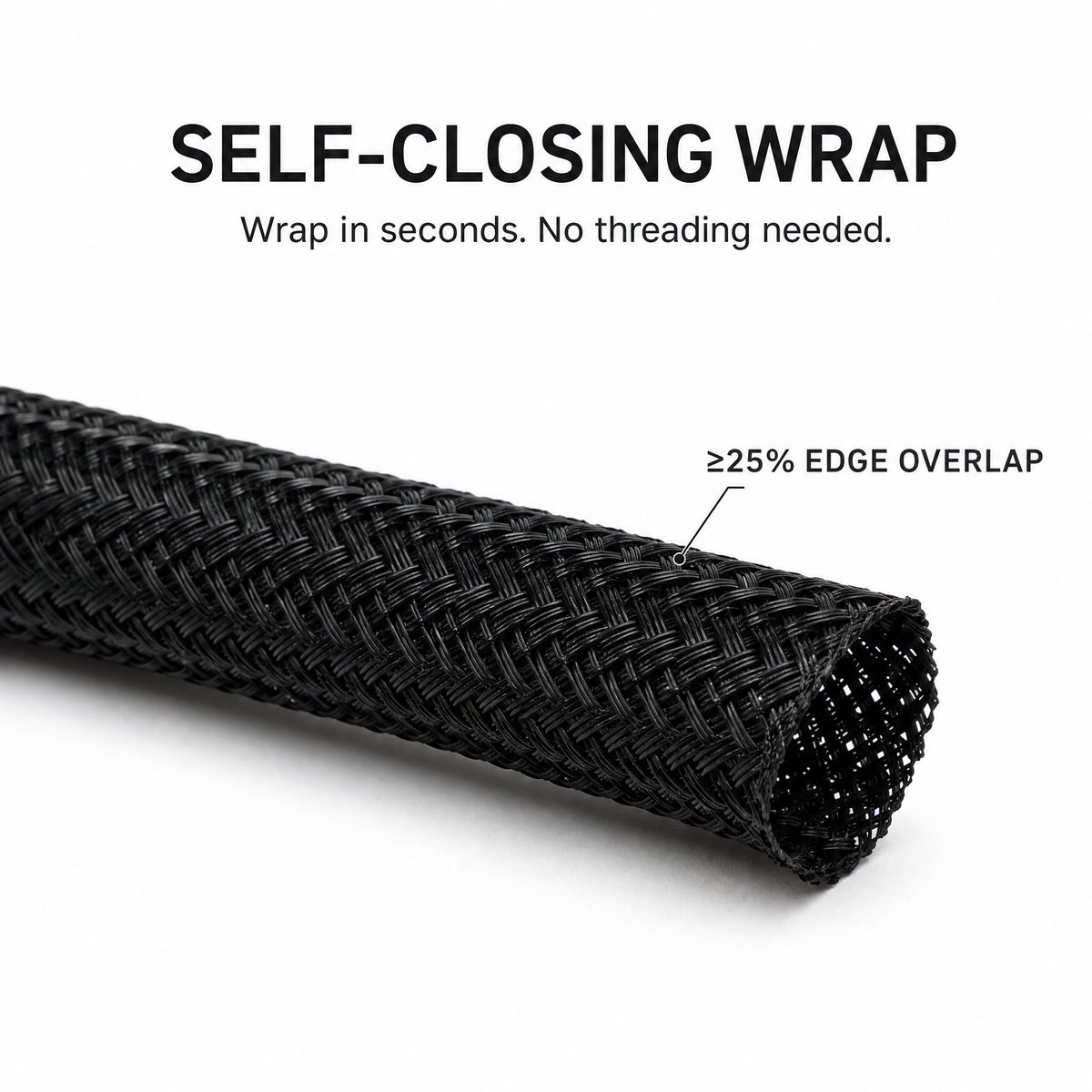
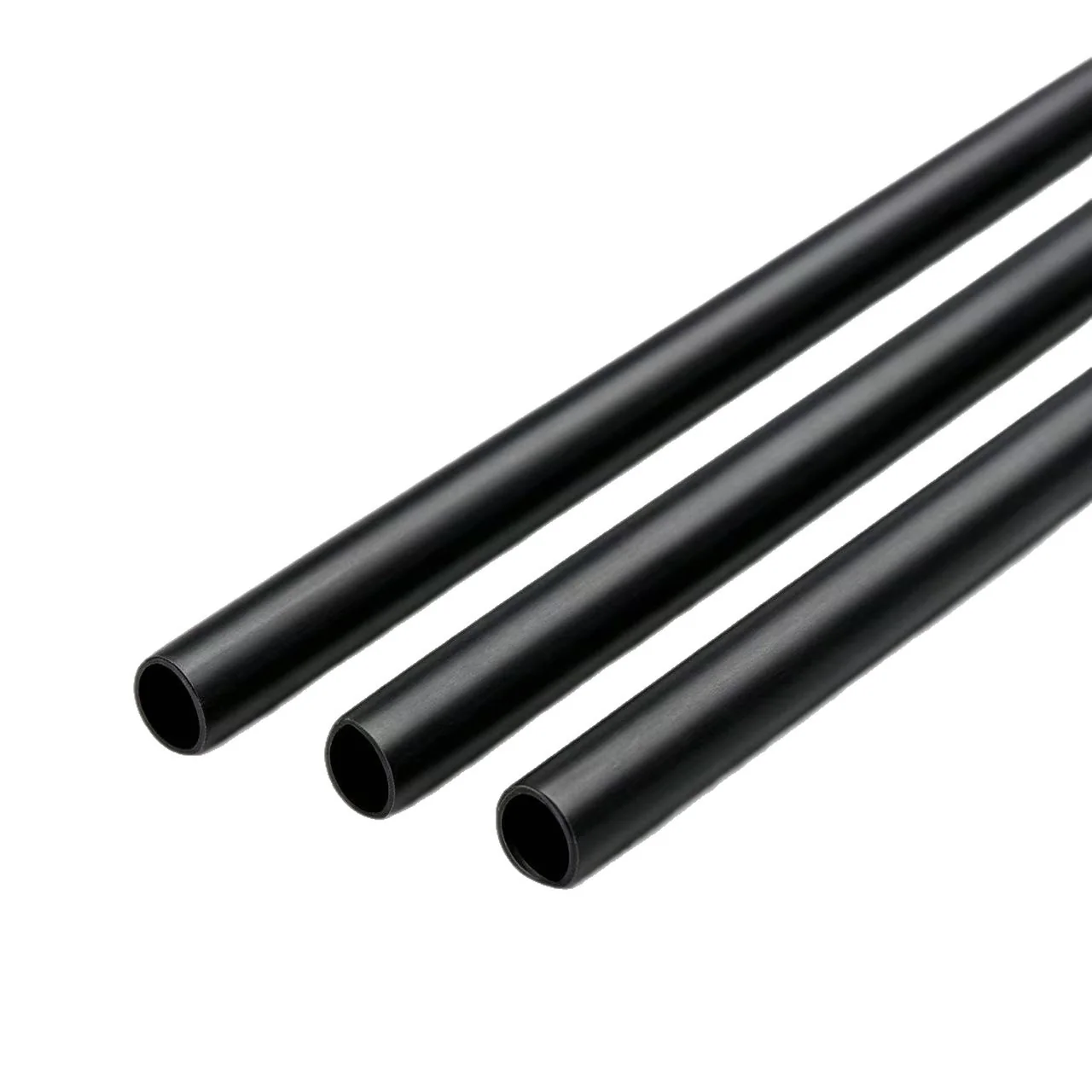
PTFE sleeving is a continuous, open-ended tube made from polytetrafluoroethylene that slides over cables without requiring heat application. The material maintains its structural integrity across an exceptionally wide temperature range, typically from minus 200 degrees Celsius to plus 260 degrees Celsius. Unlike heat shrink tubing, PTFE sleeving does not bond to the underlying conductor and remains mechanically positioned through friction fit or mechanical fastening methods. This non-adhesive nature makes PTFE sleeving ideal for applications where the protective layer must be removable for maintenance, inspection, or reconfiguration without damaging the underlying insulation.
Heat Shrink Tubing Properties
Heat shrink tubing is a pre-expanded polymer sleeve that radially contracts when exposed to elevated temperatures, creating a tight, sealed barrier around the protected conductor. The material bonds to itself and often adheres to the underlying surface, forming an integrated protective layer. Common polymer compositions include polyolefin, fluoropolymers, and silicone, each offering distinct high temperature capabilities and chemical resistance profiles. Heat shrink tubing provides excellent cable protection through mechanical compression and environmental sealing, making it particularly effective in applications involving moisture, dust, or corrosive atmospheres. The elastic recovery properties of heat shrink formulations ensure consistent contact pressure over extended operational lifespans.
Temperature Performance and Application Fit
High Temperature Demands and Material Selection
High temperature environments represent a critical selection factor between these two cable protection solutions. PTFE sleeving excels in extreme high temperature applications because the material does not degrade, embrittle, or lose protective properties across the full operating range. Aerospace, automotive engine compartments, furnace controls, and industrial ovens frequently specify PTFE sleeving due to its exceptional thermal stability. Heat shrink tubing formulations vary widely in high temperature rating, with standard polyolefin types typically rated to 120 degrees Celsius and premium fluoropolymer variants reaching 200 to 250 degrees Celsius. When your system operates consistently above 180 degrees Celsius, PTFE sleeving becomes the more reliable choice because it maintains consistent performance without thermal cycling stress.
Thermal Cycling and Mechanical Stress
Thermal cycling—repeated expansion and contraction as temperatures fluctuate—accelerates degradation in heat shrink tubing materials over extended product lifespans. PTFE sleeving exhibits superior dimensional stability during thermal cycling because the material expansion coefficient remains consistent across temperature ranges and the non-bonded structure accommodates micro-movements without generating internal stress. In applications experiencing frequent temperature swings, such as aerospace systems, welding equipment, or intermittent industrial processes, PTFE sleeving outperforms traditional heat shrink tubing by maintaining cable protection integrity over thousands of thermal cycles without cracking, delamination, or loss of sealing effectiveness.
Cable Protection Mechanisms and Environmental Resistance
Mechanical Protection and Abrasion Resistance
PTFE sleeving provides outstanding mechanical abrasion resistance, withstanding rubbing against sharp edges, rough surfaces, and mechanical handling without puncturing or degrading. The material's low-friction surface naturally resists dust accumulation and simplifies cleaning in contaminated environments. Heat shrink tubing offers comparable abrasion resistance through radial compression force, which maintains the protective layer tight against the conductor during impact and vibration exposure. Both materials effectively prevent cable protection degradation from mechanical contact, though PTFE sleeving's non-adhesive structure allows inspection of underlying insulation without destructive removal, making it preferable when future maintenance accessibility is a priority.
Chemical and Electrical Insulation Performance
PTFE sleeving delivers exceptional electrical insulation properties with dielectric strength remaining stable across the entire temperature range, making it suitable for high-voltage applications, aerospace systems, and sensitive electronic installations. The material exhibits outstanding chemical resistance to oils, solvents, fuels, and aggressive industrial compounds, making it ideal for environments combining high temperature exposure with chemical contamination. Heat shrink tubing formulations provide adequate electrical insulation for standard industrial voltages, though premium fluoropolymer grades match PTFE performance in electrical insulation and chemical resistance. Cable protection specifications often require superior dielectric breakdown and chemical compatibility, where PTFE sleeving demonstrates consistent reliability without formulation variability. When your application demands both high temperature performance and demanding chemical resistance, PTFE sleeving emerges as the technically superior cable protection solution due to its inherent material properties rather than formulation-dependent performance.
Installation Complexity and Total Cost Considerations
Installation Methods and Equipment Requirements
PTFE sleeving installation requires only cable feeding through the pre-sized tube without specialized heat application equipment, reducing installation complexity and labor training requirements. The process tolerates minor diameter variations and accommodates connectors or components protruding along the cable path. Heat shrink tubing installation demands precise heat application—typically using hot air guns, immersion heaters, or infrared elements—requiring operator training, equipment maintenance, and quality verification to ensure complete shrinkage without material degradation. Improper heat application causes incomplete shrinkage, material charring, or insufficient sealing, compromising cable protection effectiveness. For high-volume production installations or field maintenance scenarios with limited technical resources, PTFE sleeving installation simplicity often translates to reduced labor costs and higher consistency.
Long-Term Cost Structure and Lifecycle Value
PTFE sleeving generally commands higher initial material cost per linear foot compared to standard heat shrink tubing, yet delivers superior total cost of ownership through extended product lifespan, reduced replacement cycles in high temperature environments, and simplified maintenance procedures. Heat shrink tubing offers lower initial acquisition cost but may require replacement if thermal cycling or environmental exposure degrades the material faster than projected. Industrial cable protection systems operating in extreme high temperature applications often justify PTFE sleeving investment through reduced downtime, fewer protection system failures, and extended intervals between maintenance inspections. When your application involves continuous operation above 150 degrees Celsius or repeated thermal cycling, PTFE sleeving typically demonstrates superior lifecycle economics despite higher initial material investment.
FAQ
Can PTFE sleeving and heat shrink tubing be used together?
Yes, hybrid approaches combining PTFE sleeving with heat shrink tubing or adhesive-lined heat shrink solutions frequently appear in advanced cable protection systems. PTFE sleeving positioned as the primary high temperature barrier, with heat shrink tubing applied over connection points or terminations, delivers redundant cable protection while optimizing material performance for specific environmental challenges. This combination approach addresses situations where maximum high temperature performance combines with a requirement for sealed terminal connections, offering comprehensive cable protection across the entire cable assembly.
What temperature limits define when PTFE sleeving becomes necessary?
PTFE sleeving becomes the practical choice when cable protection requirements exceed 160 to 180 degrees Celsius continuously, or when thermal cycling frequency exceeds standard industrial expectations. Below 120 degrees Celsius, high-quality heat shrink tubing generally provides adequate cable protection at lower cost. Between 120 and 180 degrees Celsius, the decision depends on thermal cycling frequency, chemical exposure severity, and expected product lifespan, where PTFE sleeving delivers better long-term reliability when these factors are severe.
Does PTFE sleeving provide environmental sealing equivalent to heat shrink tubing?
PTFE sleeving does not seal cable ends or termination points as completely as adhesive-lined heat shrink tubing, making it less suitable for applications requiring moisture or dust barrier sealing. However, PTFE sleeving offers superior protection for the cable body itself against high temperature exposure and mechanical abrasion. Applications requiring both high temperature performance and sealed terminal connections often combine PTFE sleeving for the cable run with specialized sealing methods at connection points, delivering comprehensive cable protection across the entire system.
 EN