Selecting the right material for wire protection and electrical insulation is a critical decision in industrial applications, manufacturing, and electrical system design. Two of the most commonly evaluated solutions are fiberglass sleeving and heat shrink tubing, each offering distinct advantages and limitations depending on your specific operational requirements. Understanding the differences between these two cable sleeving technologies will help you make an informed choice that aligns with your performance, durability, and cost objectives.
Both materials serve essential roles in protecting conductors from environmental hazards, mechanical damage, and thermal exposure. However, they operate on fundamentally different principles and excel in different scenarios. This guide walks you through the key characteristics of each option, helping you evaluate which solution delivers the protection, flexibility, and reliability your application demands.
Understanding Material Composition and Core Protection Mechanisms
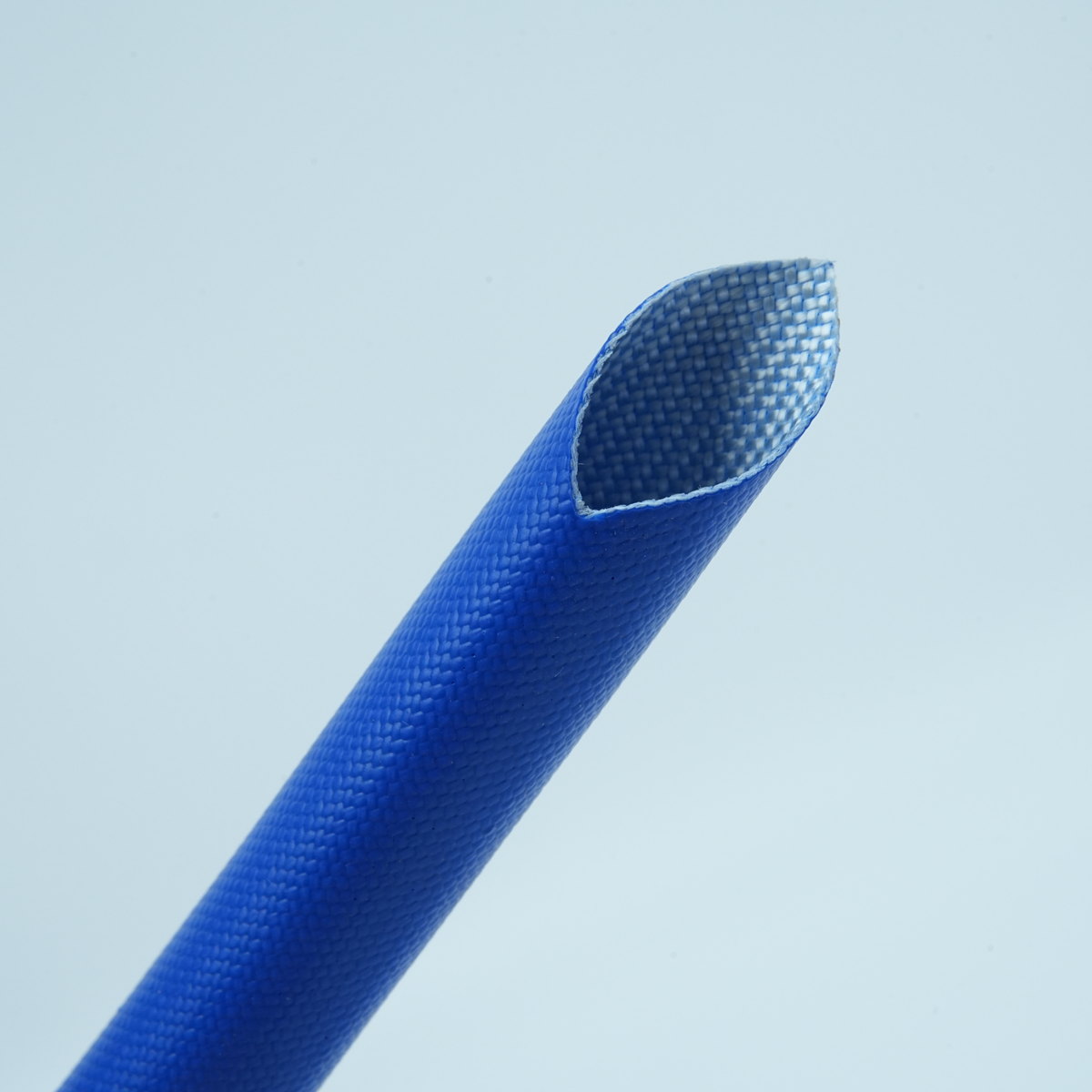
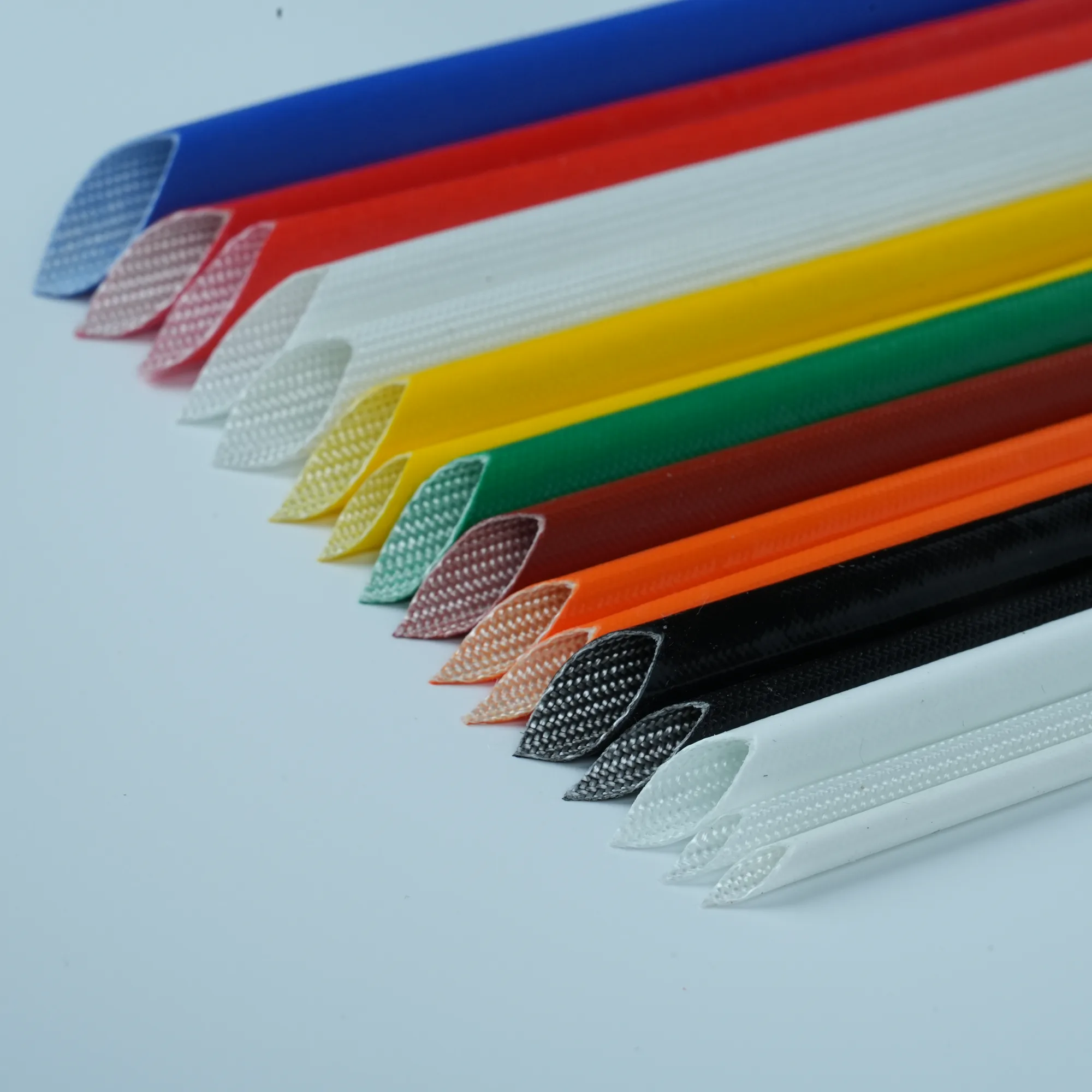
Fiberglass sleeving is a braided or woven textile material engineered from continuous glass fibers, often combined with resin or silicone coatings to enhance flexibility and performance. This cable sleeving construction creates a tubular jacket that slides over conductors without requiring heat application or shrinkage. The braided structure provides excellent abrasion resistance, mechanical strength, and dimensional stability across a wide temperature range.
Wire protection through fiberglass sleeving operates by creating a physical barrier between the conductor and external elements. The material distributes mechanical stress across its woven surface, preventing punctures, cuts, and fraying. Unlike materials that rely on chemical bonds or heat activation, fiberglass maintains consistent protection throughout its operational lifespan without degradation or shrinkage, making it reliable for long-term stationary or mobile applications.
How Heat Shrink Tubing Functions
Heat shrink tubing is a thermoplastic polymer material that contracts when heated to a specific temperature, typically ranging from 70 to 130 degrees Celsius depending on the formulation. When exposed to heat, the molecular structure of the polymer realigns, causing the tubing to shrink radially around the conductor and create a tight, sealed joint. This electrical insulation method provides excellent moisture barrier properties and creates a watertight seal when properly applied.
The heat shrinkage process creates a permanent bond between the tubing and the underlying conductor or joint, which is ideal for stationary applications requiring maximum seal integrity. Heat shrink tubing excels in environments where moisture ingress must be prevented entirely, such as marine, automotive, or outdoor electrical installations. However, this method requires access to heating equipment and cannot be easily removed or repositioned once applied.
Comparing Performance Characteristics and Application Fit
Temperature Tolerance and Environmental Resistance
Fiberglass sleeving typically withstands continuous operating temperatures between minus 40 and plus 250 degrees Celsius, depending on the resin or silicone binder used. When enhanced with silicone or ceramic coatings, fiberglass cable sleeving becomes suitable for extreme heat environments, including welding operations and furnace proximity applications. The material maintains its mechanical properties even at elevated temperatures without softening or releasing volatile organic compounds.
Heat shrink tubing generally operates reliably between minus 40 and plus 135 degrees Celsius, with specialized high-temperature formulations reaching 260 degrees Celsius. However, sustained exposure to temperatures near the maximum rating can cause the polymer to crystallize or become brittle over time. In cycling temperature environments where materials expand and contract repeatedly, the rigid nature of cured heat shrink may develop micro-cracks, whereas fiberglass sleeving remains flexible and accommodates thermal cycling without degradation.
Mechanical Durability and Installation Flexibility
Wire protection requirements often include resistance to abrasion, cut-through, and mechanical flex. Fiberglass sleeving excels in applications involving repeated bending, vibration, or movement because the braided structure distributes force and maintains integrity through thousands of flex cycles. The material can be easily installed over irregular connector shapes, spliced conductors, and complex geometries without requiring additional preparation or heating equipment. Replacement or repositioning is straightforward if damage or modifications become necessary.
Heat shrink tubing provides a permanently sealed joint once applied, offering superior protection against moisture and chemical ingress in stationary installations. However, the irreversible shrinkage means any installation error requires removal and replacement. Heat shrink tubing is more rigid once cured, making it less suitable for applications with continuous flexing or movement. The installation process requires heating tools and expertise to apply correctly, which can increase labor costs and introduce variability in quality.
Cost, Maintenance, and Long-Term Value Assessment
Initial Investment and Installation Economics
Fiberglass cable sleeving typically offers lower initial material costs compared to equivalent lengths of heat shrink tubing. Installation requires no specialized equipment beyond scissors or a utility knife for cutting, making it accessible to any technician without training in thermal shrinkage techniques. Labor time is reduced because the material simply slides into place and requires no heat application, curing time, or cooling period. For large-scale wire protection projects involving numerous conductor runs, this streamlined installation workflow translates to significant labor savings.
Heat shrink tubing requires investment in heating equipment such as heat guns, ovens, or infrared applicators, adding capital expense to operations. Installation time per joint is longer due to the heating and cooling cycle, and quality depends on operator technique and temperature consistency. For projects requiring thousands of protected joints, the cumulative labor and equipment costs can exceed the cost of fiberglass alternatives, particularly when considering training and error correction expenses.
Maintenance, Reusability, and Lifecycle Considerations
Fiberglass sleeving can be inspected, repaired, or replaced at any point without disrupting the underlying conductor. If damage occurs or system modifications are required, technicians simply slide the sleeving off, make corrections, and reinstall or reposition the protection. This reversibility makes fiberglass ideal for rapidly evolving industrial environments, research facilities, and applications where frequent maintenance or upgrades are anticipated. The material is also reusable in many contexts, reducing waste and long-term material costs.
Once heat shrink tubing is applied and cured, removal typically requires cutting or chemical stripping, which risks damaging the underlying conductor or insulation. This permanence is desirable for sealed outdoor or marine applications but problematic in environments requiring frequent service or reconfiguration. The irreversible nature means any design change or conductor replacement triggers the need for new tubing, increasing long-term operational costs in dynamic systems.
FAQ
Can fiberglass sleeving provide the same moisture barrier as heat shrink tubing?
Standard fiberglass cable sleeving offers mechanical protection and some moisture resistance through tight braiding, but it does not create a fully hermetic seal like heat shrink tubing. However, fiberglass sleeving coated with silicone or polyurethane provides significantly improved moisture barrier properties suitable for many industrial environments. For applications requiring absolute waterproof sealing—such as submerged connectors or sealed enclosures—heat shrink tubing remains the superior choice. Fiberglass works exceptionally well for wire protection in dry or climate-controlled environments and outdoor applications where high temperatures make heat shrink unsuitable.
Which cable sleeving option is better for high-temperature applications?
Fiberglass sleeving excels in extreme temperature environments, particularly those exceeding 200 degrees Celsius. Silicone-coated fiberglass maintains flexibility and structural integrity at temperatures where heat shrink tubing becomes rigid or brittle. Welding environments, furnace proximity applications, and high-temperature process lines benefit significantly from fiberglass electrical insulation. Heat shrink tubing is more limited at extreme temperatures but remains suitable for moderate heat applications below 135 degrees Celsius in standard formulations, with specialty grades extending to 260 degrees Celsius for stationary installations.
What factors should guide my selection between these two wire protection methods?
Choose fiberglass sleeving for applications requiring frequent maintenance, high temperatures above 200 degrees Celsius, continuous flexing, rapid installation, or cost-sensitive projects with large conductor volumes. Select heat shrink tubing when absolute moisture barrier protection is essential, permanent sealing is required, the application is stationary, and moisture ingress poses equipment failure risks. Consider hybrid approaches where fiberglass provides primary mechanical protection and localized heat shrink seals critical joints. Evaluate your specific temperature range, environmental exposure, installation labor availability, and long-term maintenance requirements to make the decision that optimizes total cost of ownership and operational reliability.
 EN