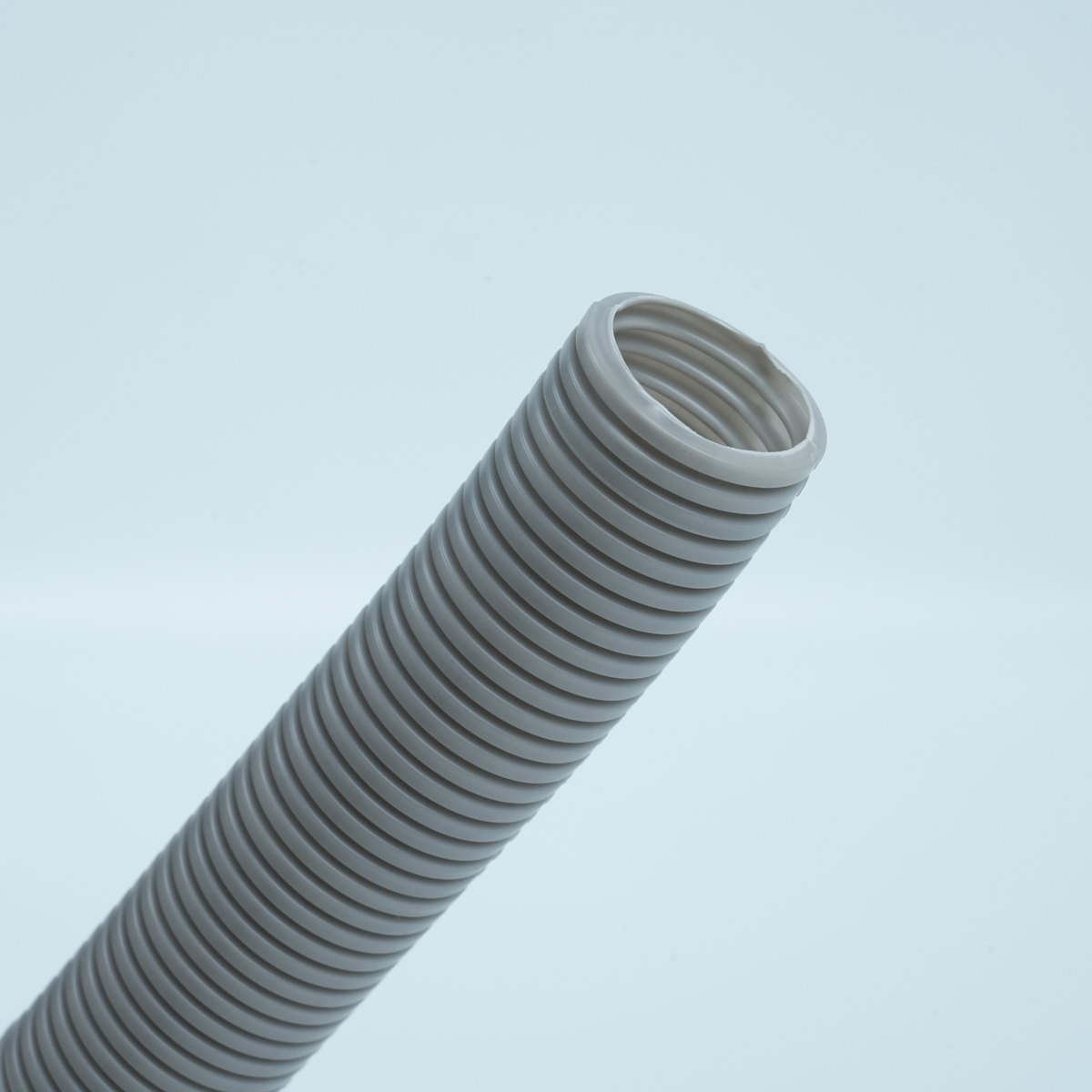
Selecting the right wire loom conduit requires understanding how different materials perform under specific environmental stresses. Whether you are designing automotive wiring harnesses, industrial cable systems, or equipment requiring robust protection, the ability to compare conduit options against heat, abrasion, and chemical exposure is essential to system reliability and longevity.
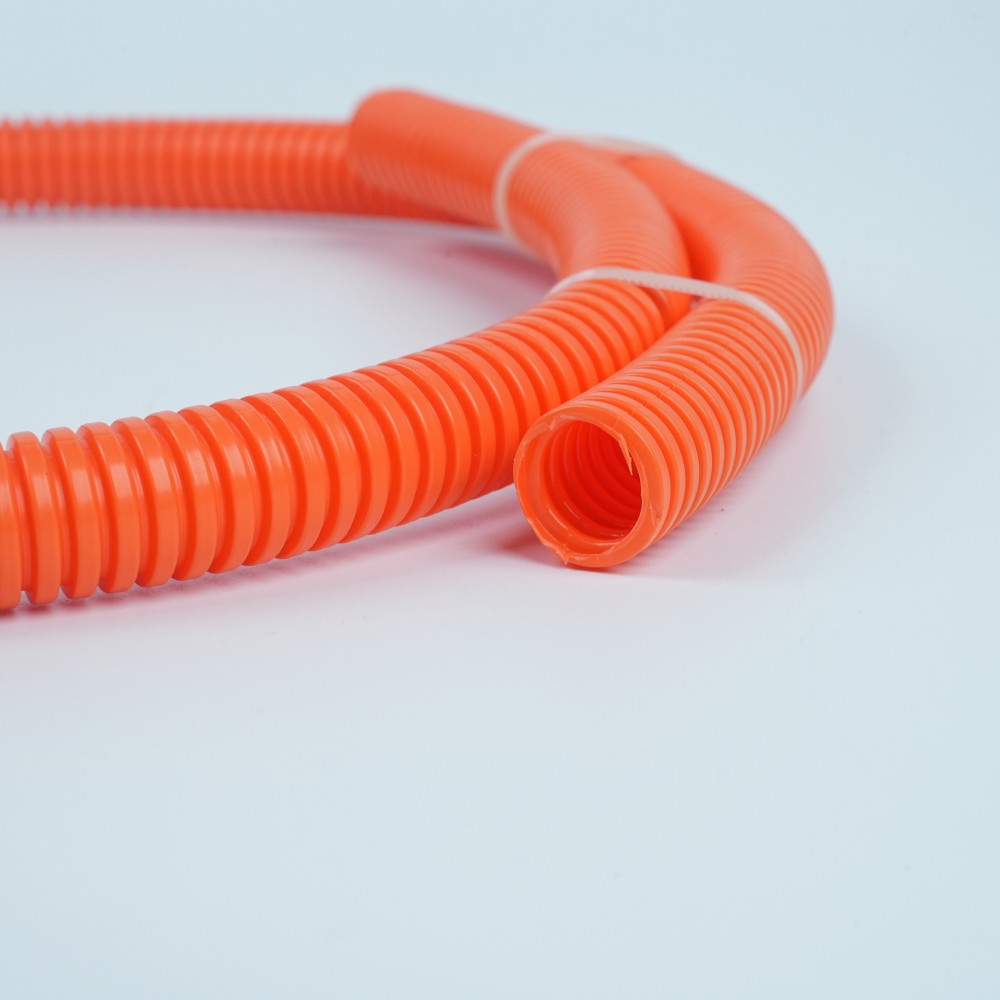
This guide walks you through the critical comparison factors that determine which wire loom conduit material will deliver adequate protection in your application. By evaluating thermal limits, abrasion resistance, and chemical compatibility systematically, you can avoid costly failures and ensure your cable routing solution performs as intended throughout its service life.
Understanding Thermal Performance in Wire Loom Conduit
Temperature Rating and Material Selection
The thermal performance of wire loom conduit directly impacts its ability to protect automotive wiring and other cables under heat stress. Most conduit materials carry a maximum continuous operating temperature, typically ranging from 80°C for standard polyethylene to over 200°C for specialized flame-retardant nylon formulations. When comparing thermal limits, match your application's peak operating temperature to the conduit's rated capacity, then add a safety margin of 15 to 25 degrees Celsius to account for transient temperature spikes.
Heat Exposure and Material Degradation
Repeated thermal cycling accelerates material degradation even below stated temperature limits. Standard split loom deteriorates faster in underhood automotive environments where engine compartment temperatures fluctuate between ambient and peak engine heat. Flame-retardant nylon offers superior thermal stability because its polymer chains remain stable at higher temperatures and resist embrittlement. When evaluating a wire loom conduit option, inquire about its performance under cyclic heating rather than static temperature tests, as this reflects real-world automotive wiring demands more accurately.
Evaluating Abrasion and Mechanical Resistance
Surface Texture and Protective Layers
Abrasion resistance determines how long your cable routing system remains intact during vehicle vibration, assembly processes, and normal operational movement. Wire loom conduit with corrugated or ribbed outer surfaces provides better grip and reduces slippage compared to smooth-walled alternatives. The inner surface quality matters equally; rough or contaminated internal walls can damage the insulation of automotive wiring during installation or due to vibration-induced friction over time. Split loom products offer easier installation but may expose inner cable surfaces to abrasion if the seam separates under vibration stress.
Tensile Strength and Flexibility Balance
Conduit material must balance tensile strength with flexibility to withstand both pulling forces during installation and bending stresses in tight cable routing paths. Nylon-based wire loom conduit typically achieves higher tensile strength than polyethylene, making it more resistant to tearing and puncture damage. However, excessive rigidity can crack under repeated flexing in automotive environments. When comparing split loom and rigid conduit options, test the material's flexibility at expected operating temperatures; some materials become brittle in cold conditions, while others lose tensile strength when heated.
Assessing Chemical Resistance and Environmental Compatibility
Exposure to Oils, Fluids, and Solvents
Modern vehicles and industrial equipment expose cable routing systems to engine oils, coolants, brake fluid, transmission fluid, battery acid, and numerous cleaning solvents. Standard polyethylene split loom offers minimal resistance to petroleum-based fluids and can swell, soften, or degrade rapidly when exposed to oils over extended periods. Nylon-based wire loom conduit demonstrates superior chemical resistance, particularly specialized formulations designed for automotive applications. When comparing conduit materials, request chemical compatibility charts that specify resistance to the exact fluids present in your equipment—engine oil compatibility differs from brake fluid resistance, and coolant exposure presents different challenges than battery acid splashes.
Ultraviolet and Environmental Degradation
Outdoor and underhood exposure introduces ultraviolet radiation, ozone, salt spray, and moisture infiltration risks. Wire loom conduit materials without UV stabilizers degrade rapidly in sunlight, becoming brittle and losing their protective qualities within 12 to 18 months of outdoor exposure. High-quality conduit incorporates UV-stable pigments and additives that extend service life to five years or more in harsh outdoor conditions. Cable routing systems using automotive wiring in coastal environments must prioritize UV and salt-spray resistance through properly stabilized nylon or specialized compound formulations. When comparing options for long-term outdoor applications, verify that the wire loom conduit includes documented UV stabilization and salt-spray test results per relevant industry standards.
Making the Comparison Decision
Prioritizing Performance Factors for Your Application
Effective comparison begins by ranking the three critical stress factors—heat, abrasion, and chemical exposure—according to your specific environment. Underhood automotive applications typically prioritize thermal and abrasion resistance with secondary concern for oil compatibility. Industrial cable routing in corrosive chemical plants may emphasize chemical resistance as the primary factor. Once you establish priority ranking, select the wire loom conduit material that achieves minimum acceptable performance in all categories while excelling in your top-ranked factors. Standard split loom suits low-stress cable routing applications with minimal environmental exposure; however, split loom performance deteriorates rapidly under combined heat, mechanical stress, and chemical contact.
Specification and Testing Documentation
Request complete material datasheets, flame-retardancy certifications, and independent test results before finalizing your wire loom conduit selection. Reputable suppliers provide specific performance data under UL, CSA, SAE, or equivalent standards, along with test results for thermal cycling, abrasion resistance, and chemical immersion. Avoid vague marketing claims; instead, compare quantified performance metrics across candidate products. Many manufacturers test wire loom conduit under controlled laboratory conditions that do not reflect real-world cycling stress or combined environmental exposure. Press suppliers for field performance history and customer references in applications similar to your intended use case.
FAQ
What is the difference between wire loom conduit and split loom?
Split loom features a lengthwise slit along its entire length, allowing easy installation around existing cable bundles without requiring cable disconnection and rerouting. Wire loom conduit refers to the broader category of all protective tubing, including fully enclosed corrugated nylon and polyethylene conduit options. Split loom offers convenience but provides less abrasion protection and allows internal cable exposure if the seam separates. Fully enclosed wire loom conduit delivers superior protection in high-stress automotive wiring and industrial cable routing environments, though installation requires pre-threading cables during harness assembly.
How do I know if a wire loom conduit can handle my heat exposure?
Match your application's peak operating temperature to the conduit's continuous temperature rating published in the material datasheet, then add a 15 to 25-degree Celsius safety margin for thermal spikes. Verify that the material maintains its flexibility and tensile strength at both minimum and maximum expected temperatures; brittleness in cold or softening in heat indicates inadequate thermal performance. Request accelerated thermal cycling test data from suppliers—static temperature ratings often underestimate real-world degradation in automotive wiring environments where temperatures fluctuate rapidly between ambient and peak engine heat.
Which automotive wiring conduit resists chemical exposure best?
Flame-retardant nylon-based wire loom conduit provides superior chemical resistance compared to standard polyethylene split loom across engine oils, coolants, and solvents commonly found in vehicle underbody environments. Verify chemical compatibility by reviewing the material datasheet for specific fluids in your system; general 'oil-resistant' claims lack specificity and may not address brake fluid or transmission fluid exposure. UV-stabilized nylon delivers extended service life in underhood applications by resisting both thermal degradation and solar radiation exposure that accelerates material breakdown.
 EN