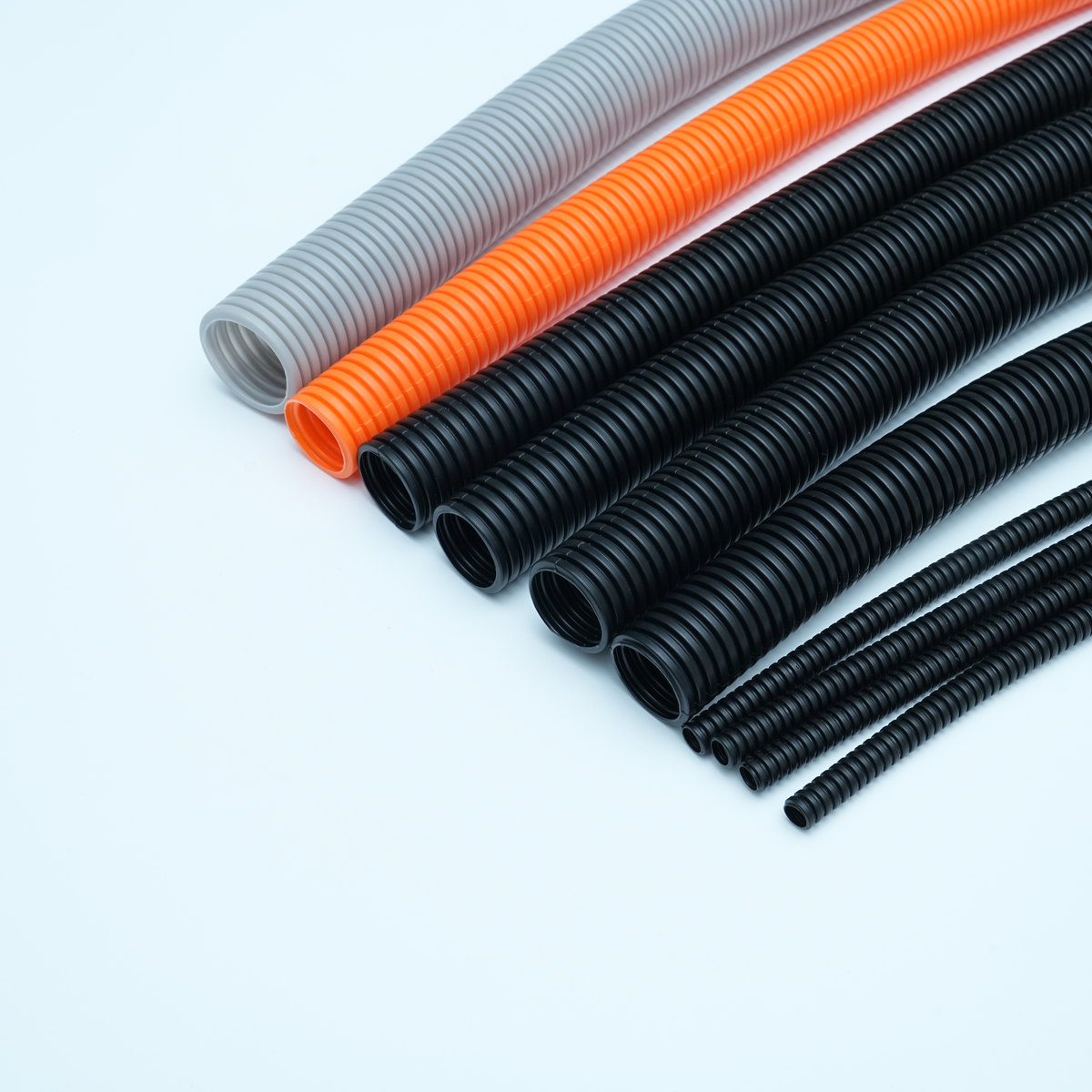
Selecting the right wire loom conduit is a critical decision for any electrical assembly operation. Whether your cables run along fixed pathways or need to flex and move dynamically, the choice between fixed and flexible conduit solutions directly impacts durability, maintenance costs, and system reliability. Many engineers and procurement specialists struggle to evaluate these options objectively because the performance characteristics, material differences, and installation constraints are not always clear.
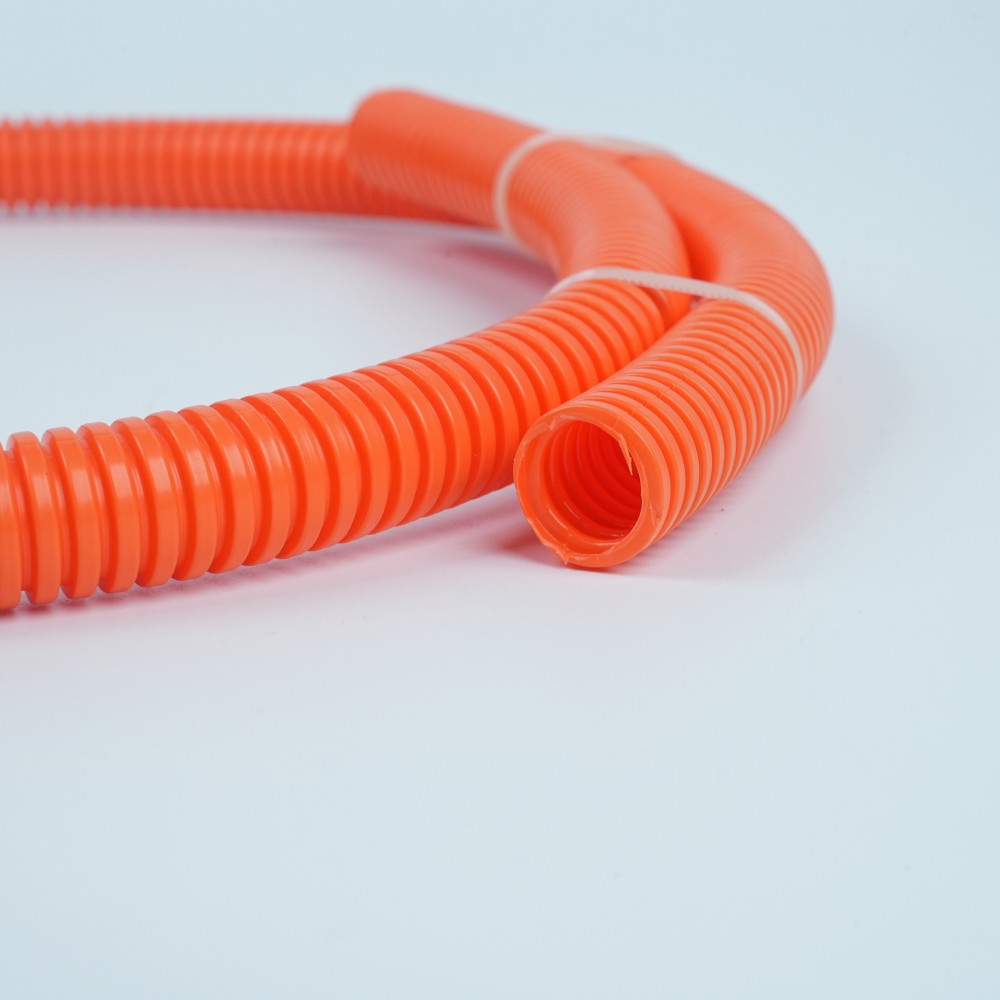
This guide walks you through the comparison process for cable conduit solutions, helping you understand the key technical factors, performance metrics, and real-world application scenarios that distinguish one option from another. By the end, you will have a framework for evaluating wire harness protection systems and making informed decisions about automotive wiring protection strategies that match your operational needs.
Understanding Fixed Versus Flexible Cable Conduit Solutions
Fixed Conduit Characteristics and Applications
Fixed cable conduit is engineered for stationary installations where the wiring runs along permanent routes inside equipment cabinets, along vehicle frames, or through machinery housings. This type of cable conduit offers excellent rigid support, preventing wires from sagging, crossing each other, or shifting during operation. Fixed conduit systems are typically manufactured from rigid PVC, hard nylon, or corrugated plastic and are designed to withstand consistent environmental exposure without requiring movement.
The primary advantage of fixed installations is that they provide maximum wire harness protection against abrasion, crushing, and environmental contaminants. Because these systems don't need to accommodate repeated flexing or compression cycles, they can be optimized for strength and environmental sealing. Fixed conduit also simplifies routing documentation and makes future maintenance easier because the cable pathways are predictable and unchanging.
Flexible Conduit Design and Performance Demands
Flexible cable conduit is purpose-built for dynamic environments where wires must move, bend, or be repositioned during assembly, maintenance, or operation. Automotive wiring harnesses in engine compartments, machinery with moving parts, and robotic systems all demand flexible conduit solutions. These systems are typically manufactured from spiral-wound nylon, braided polyester, or thermoplastic elastomer materials that can withstand thousands or millions of compression and extension cycles.
The key performance characteristic of flexible wire loom conduit is bend radius capability. Unlike fixed cable conduit, flexible systems must maintain wire harness protection even when compressed, stretched, or coiled. This requires material flexibility without sacrificing durability or the protective barrier against moisture, dust, oils, and mechanical damage.
Key Comparison Criteria for Cable Conduit Selection
Material Composition and Environmental Resistance
When comparing cable conduit options, material selection is the foundation of performance. Fixed conduit typically uses rigid polymers like PVC or reinforced nylon, which excel at blocking UV exposure, ozone, and temperature extremes but offer no flexibility. Flexible wire loom conduit relies on spiral-wound or braided structures that allow movement while still providing chemical resistance and moisture barriers. For automotive wiring applications, flame-retardant nylon is often preferred because it meets safety certifications, resists oil degradation, and maintains protection even in high-heat engine compartments.
Environmental factors like temperature cycling, chemical exposure, and humidity levels should drive your material selection. Fixed installations in temperature-controlled enclosures can use standard PVC, while automotive or industrial applications demand specialized cable conduit formulations that handle wider temperature ranges and aggressive chemical environments.
Bend Radius, Crush Resistance, and Installation Constraints
The bend radius specification indicates the tightest curve a conduit can tolerate without damaging internal wires. Fixed cable conduit typically has no bend radius requirement because it is installed in straight or gently curved pathways. Flexible wire loom conduit, by contrast, must specify a minimum bend radius—often between 10 and 40 millimeters depending on diameter and construction. Crush resistance also varies significantly; fixed conduit can withstand point loads of several hundred pounds, while flexible options typically rate lower to maintain flexibility.
Installation space, routing complexity, and maintenance access are practical constraints that influence this decision. Fixed cable conduit is easier to route in confined spaces during initial assembly because it requires no special handling. Flexible options demand more careful routing planning but offer advantages when wires need repositioning, testing, or component replacement in the field.
Flame Resistance, Certifications, and Safety Standards
Regulatory compliance is non-negotiable for automotive wiring and industrial machinery. Fixed cable conduit and flexible wire loom conduit must both meet UL, CSA, or equivalent safety certifications depending on end-use markets. Flame-retardant ratings, smoke emission limits, and flammability indices are critical performance metrics that appear on product datasheets. Flexible options often require higher flame-retardant performance because they are used in dynamic environments where failure risk is higher, such as vehicle engine compartments where heat and vibration are constant.
Before comparing specific cable conduit products, confirm that both candidates meet the relevant certifications for your industry and application. Many suppliers offer certified fixed and flexible options, but the performance characteristics can vary significantly across manufacturers and product lines.
Practical Comparison Framework and Decision Logic
Mapping Application Scenarios to Conduit Type
Start your wire loom conduit comparison by clearly defining your installation scenario. Is the wiring static or dynamic? Will the conduit experience vibration, thermal cycling, or mechanical flexing? Fixed cable conduit is ideal for stationary equipment, control panel wiring, and enclosed machinery where access is infrequent. Flexible wire loom conduit becomes essential for automotive wiring systems, robotic arm electrical bundles, and any installation where wires must move or be serviced regularly without complete system disassembly.
Next, assess the wire harness protection requirements. Count the number of wires, calculate the total cross-sectional area, and verify that your candidate conduit options have adequate internal diameter. Verify that the environmental profile—temperature range, chemical exposure, humidity, and UV levels—matches the material specifications of both fixed cable conduit and flexible alternatives.
Cost-Benefit Analysis and Long-Term Reliability
Fixed cable conduit typically has a lower material cost per meter than flexible wire loom conduit, but lifecycle costs tell a different story. If your installation requires future maintenance, component changes, or wire repositioning, the labor cost of removing and re-routing rigid cable conduit can quickly exceed the initial savings. Flexible options allow faster servicing and reduce downtime because wires can often be accessed or rerouted without complete system disassembly.
Reliability also differs. Flexible wire loom conduit experiences fatigue from repeated flexing and may degrade faster in high-cycle dynamic applications. Fixed cable conduit can last decades if protected from UV and physical damage. For automotive wiring subject to engine heat and vibration, premium flexible conduit with flame-retardant properties often delivers superior long-term reliability despite higher upfront cost. Calculate the total installed cost, including labor, expected maintenance intervals, and failure risk before finalizing your cable conduit selection.
FAQ
What is the main difference between fixed and flexible wire loom conduit?
Fixed cable conduit is rigid and engineered for stationary installations, providing maximum wire harness protection and structural support. Flexible wire loom conduit is designed for dynamic environments, allowing repeated bending and repositioning while maintaining protection. The choice depends on whether your wires remain stationary or must move during operation or maintenance.
Can flexible cable conduit be used in all automotive wiring applications?
Flexible wire loom conduit is ideal for most automotive wiring scenarios because vehicles experience vibration, temperature cycling, and require service access. However, some fixed engine bay components may benefit from rigid cable conduit for extra durability. Always verify that your selected conduit meets flame-retardant automotive standards and confirm bend radius compatibility with your routing design.
How do I know if a cable conduit meets safety standards for my industry?
Check the product datasheet for UL, CSA, or equivalent certification marks. Verify that the wire harness protection rating, flame-retardant classification, and smoke emission limits match your industry requirements. For automotive wiring, confirm compliance with SAE or OEM specifications. Contact the supplier if certifications are unclear or missing.
 EN