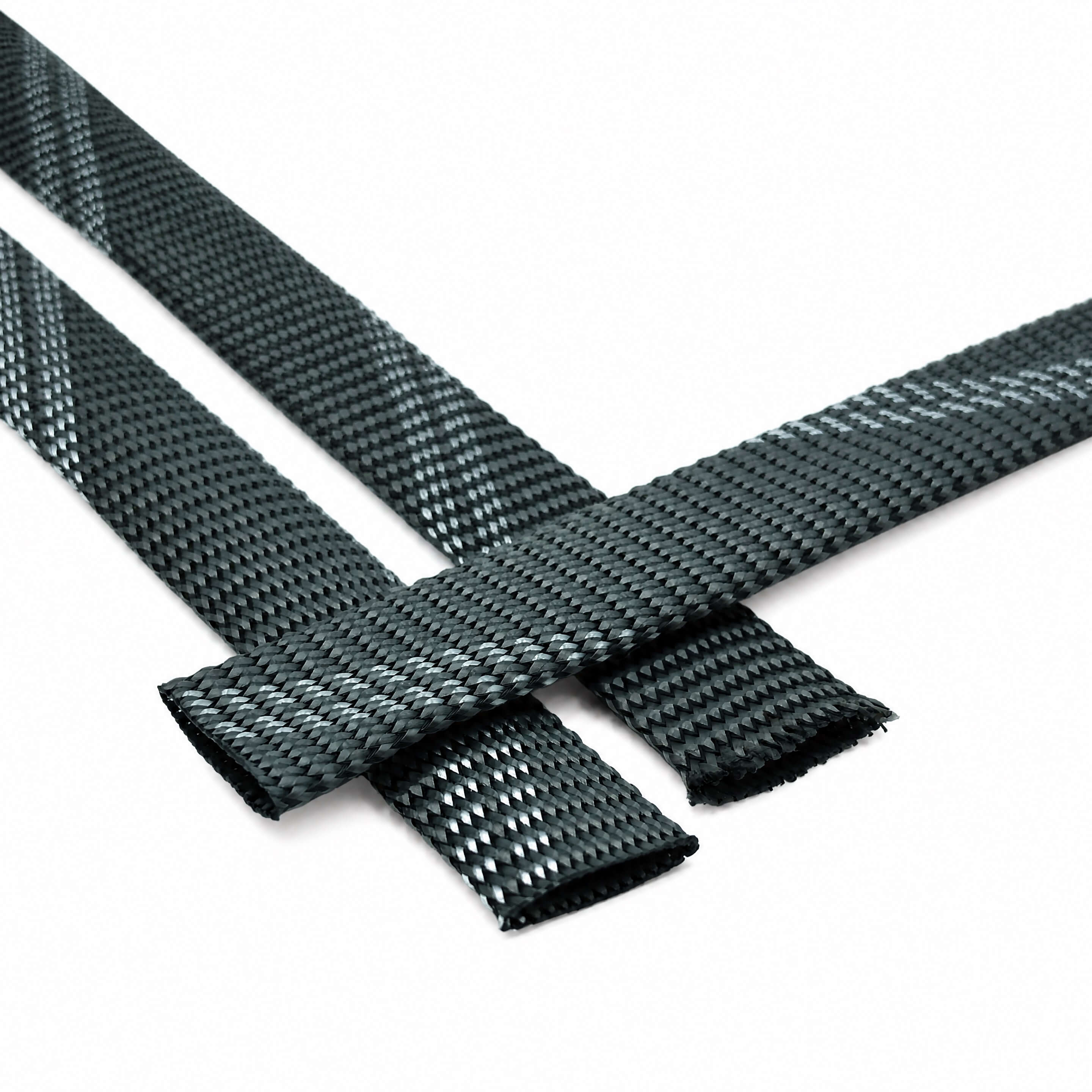
Selecting the right wire harness sleeve is critical for protecting electrical systems in industrial and automotive applications. The choice between solutions designed for fixed cable routes versus flexible routing scenarios directly impacts both short-term durability and long-term system reliability. Understanding the functional differences between these two categories helps engineers and procurement teams make informed decisions that align with installation constraints, environmental exposure, and operational requirements.
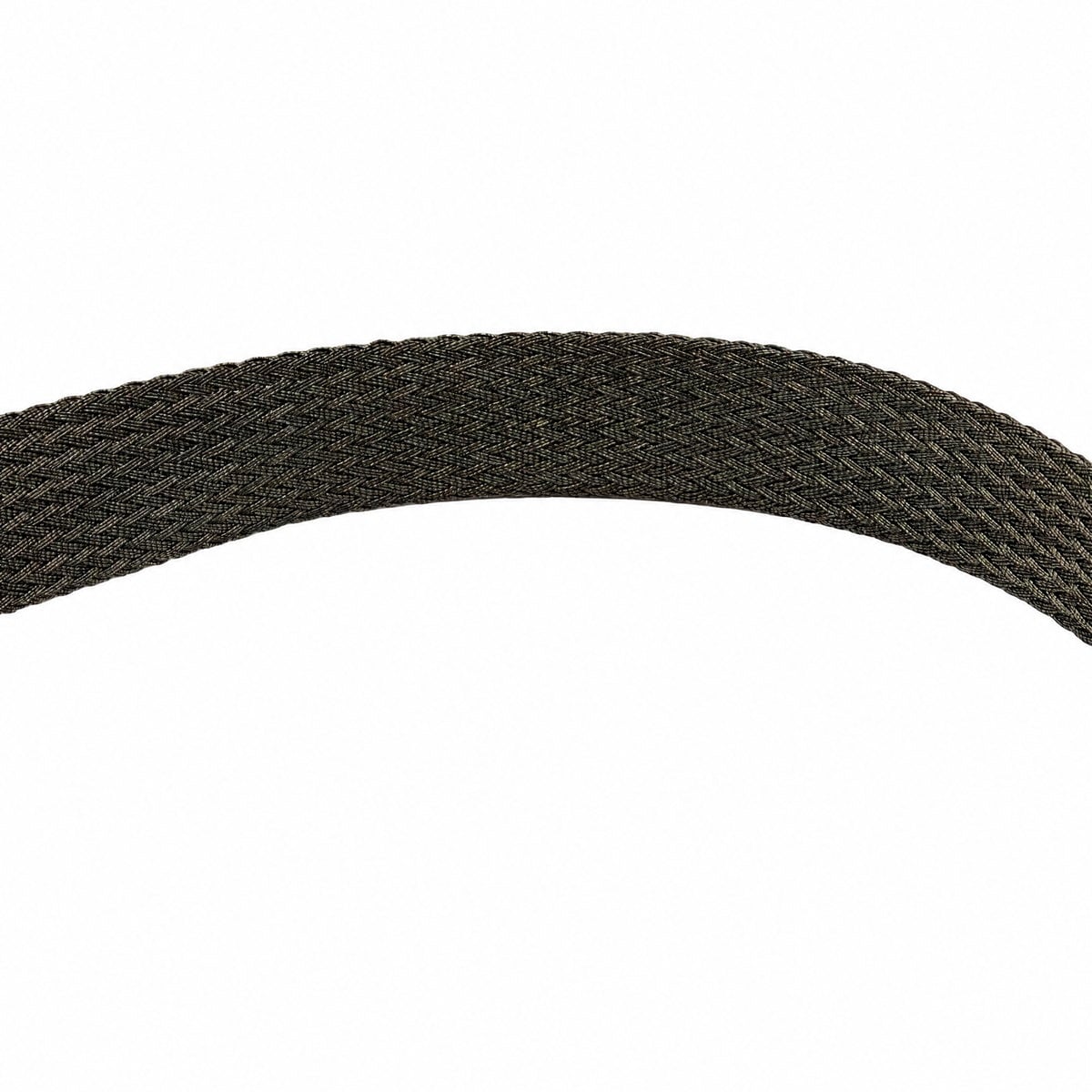
Wire harness designs in fixed installations differ fundamentally from those requiring movement and repositioning. Fixed routing scenarios typically involve stationary assembly paths where cable bundles remain in consistent positions throughout their operational life. Flexible cable routes, by contrast, demand sleeves that accommodate repeated motion, thermal cycling, and dynamic stress without degradation. The cable protection approach for each scenario requires distinct material properties, structural designs, and performance expectations.
Understanding Fixed Cable Route Requirements
Structural Stability and Installation Context
Fixed cable routes appear throughout automotive wiring harnesses in engine compartments, transmission housings, and chassis frame systems where the wire harness remains stationary after initial assembly. In these applications, the primary stressors include thermal cycling, chemical exposure from engine fluids, abrasion against sharp edges, and vibration transmitted through the vehicle frame. The wire harness sleeve used in fixed installations can prioritize barrier protection and heat resistance over flexibility, since the cable bundle does not need to bend or move repeatedly.
Fixed routing allows designers to use more rigid protective materials that offer superior thermal stability and chemical resistance. Cable protection in these scenarios often emphasizes preventing fluid penetration and protecting against mechanical puncture rather than accommodating dynamic movement. The installation method itself becomes simpler since routing paths are predetermined and do not require future adjustment or repositioning.
Material Selection for Fixed Installations
Materials chosen for fixed automotive wiring applications prioritize durability under constant thermal stress and exposure to engine compartment conditions. Braided sleeves with reinforced construction offer excellent abrasion resistance and can maintain structural integrity when clamped or routed along rigid mounting points. Thicker wall constructions and non-woven materials often suit fixed installations because the cable bundle remains stable and does not experience repetitive flexing that could cause internal material breakdown.
Evaluating Flexible Cable Route Specifications
Motion Tolerance and Dynamic Performance
Flexible cable routes demand that wire harness sleeves accommodate repeated bending, extension, and compression without losing protective capability. Automotive wiring applications involving articulating suspension components, steering mechanisms, and moving control surfaces require cable protection solutions that maintain integrity through thousands of motion cycles. The sleeve material must resist fatigue failure, internal fiber fracture, and delamination that could expose the wire harness to external contaminants.
Flexible routing scenarios expose cable protection to higher mechanical stress than fixed installations. The wire harness sleeve must absorb energy from bending cycles while remaining supple enough to negotiate tight radius turns without kinking or crimping internal conductors. Material fatigue becomes a critical design consideration since repeated flexing breaks down rigid structures far more quickly than static installations.
Elasticity and Long-Term Resilience
Materials engineered for flexible cable routes employ monofilament braiding, elastomer blends, and layered constructions that distribute mechanical stress across multiple structural components. These designs allow the wire harness sleeve to compress and elongate during movement cycles while maintaining consistent wall thickness and protective coverage. Flexible sleeves must recover their original dimensions after repeated motion to prevent loose coverage that could allow moisture and debris infiltration.
Key Comparison Factors for Selection
Installation Environment and Thermal Profile
The operational temperature range directly influences cable protection material selection. Fixed installations in engine compartments tolerate higher sustained temperatures because the wire harness sleeve remains undisturbed and experiences predictable thermal cycling. Flexible routes in dynamic suspension or steering systems may experience wider temperature fluctuations combined with mechanical stress, requiring materials that maintain elasticity across a broader thermal range. Automotive wiring standards specify temperature limits that cable protection must support without degradation.
Routing Path Constraints and Installation Feasibility
Fixed cable routes often permit larger diameter sleeves and rigid conduit systems that provide maximum protection but cannot accommodate tight bends or frequent repositioning. Flexible routing demands slimmer profiles and higher bend ratios to fit through confined spaces and articulating assemblies. The wire harness application determines whether prioritizing maximum cable protection or maintaining installation feasibility becomes the controlling design constraint.
Cost and Performance Balance
Cable protection solutions for fixed installations typically offer lower material and installation costs because simpler constructions deliver adequate performance in stationary applications. Flexible wire harness designs require more sophisticated material engineering and tighter manufacturing tolerances, generating higher per-unit costs. Engineering teams must evaluate whether the premium cost of flexible cable protection justifies extended service life and reduced maintenance requirements in dynamic applications.
FAQ
What performance differences distinguish fixed versus flexible wire harness sleeve designs?
Fixed sleeve designs prioritize maximum barrier protection and thermal resistance because the cable bundle remains stationary. Flexible designs emphasize elasticity and fatigue resistance to accommodate repeated bending without material breakdown. Wire harness specifications differ in wall thickness, material composition, and internal structure to match these distinct operational demands.
How does automotive wiring installation location influence cable protection material selection?
Static engine compartment installations tolerate rigid, high-temperature materials that simplify assembly and reduce costs. Articulating suspension and steering applications require flexible cable protection that maintains coverage through thousands of motion cycles. The specific routing path and movement requirements determine which wire harness sleeve design delivers optimal performance at acceptable cost.
Can flexible cable protection solutions substitute for fixed-route sleeves in stationary automotive wiring applications?
While flexible designs work in fixed installations, they typically represent unnecessary cost without corresponding performance benefit. Rigid fixed-route sleeves deliver comparable or superior thermal performance at lower material cost. Cable protection selection should match the specific application demands rather than defaulting to higher-cost flexible solutions unless dynamic routing genuinely requires those capabilities.
 EN