Choosing the right protective sleeve for electrical wiring and components requires understanding how different designs perform under specific operating conditions. PTFE sleeving has become a benchmark solution in industrial environments, but it competes directly with open, braided, and tubular protection designs. Each approach offers distinct advantages and limitations that affect long-term reliability, maintenance costs, and system performance.
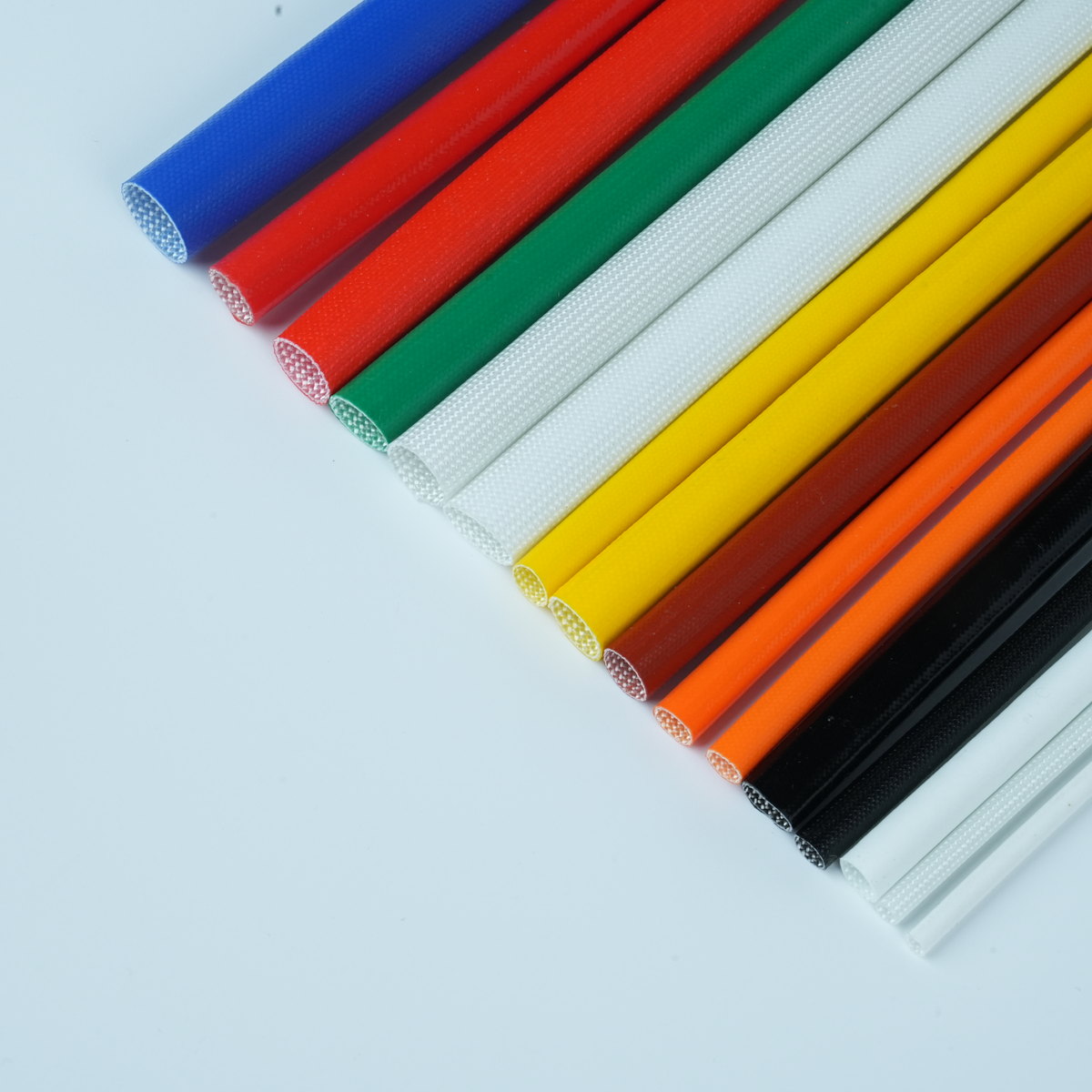
Industrial facilities, automotive manufacturers, and aerospace suppliers depend on electrical insulation that withstands thermal extremes, chemical exposure, and mechanical stress. Understanding the practical differences between these protection designs helps engineers select solutions that minimize failure rates, reduce replacement cycles, and ensure operational safety across demanding applications.
Understanding Protection Design Categories
How Open, Braided, and Tubular Designs Differ
Open protection refers to minimal or no covering, leaving wires exposed to environmental contaminants and mechanical damage. This approach is cost-effective but offers almost no barrier against chemical exposure or physical wear. Braided protection uses interwoven threads or fibers that provide moderate mechanical protection while allowing some air circulation. Tubular protection, including PTFE tubing, creates a continuous sealed barrier that shields conductors from external hazards while maintaining consistent coverage along the entire wire length.
The fundamental distinction centers on how each design balances protection intensity with installation flexibility. Open designs prioritize ease of routing but sacrifice reliability in harsh conditions. Braided options offer a middle ground, providing visual inspection access and some breathability. Tubular and PTFE tubing solutions maximize containment but require more careful handling during installation due to their rigid or semi-rigid nature.
Material Composition and Barrier Properties
PTFE sleeving consists of fluoropolymer material renowned for exceptional chemical resistance, low friction, and thermal stability across a wide temperature range. Braided sleeves typically use cotton, polyester, or polypropylene fibers that offer moisture absorption and limited chemical defense. Open wiring provides no material barrier whatsoever. The material choice directly influences how each protection type performs when exposed to oils, solvents, acids, and other industrial chemicals common in manufacturing environments.
Electrical insulation quality depends heavily on material composition. PTFE tubing maintains consistent dielectric properties even under thermal stress or chemical saturation. Braided designs can degrade when exposed to aggressive solvents or extreme temperatures, losing protective integrity over time. Open conductors face rapid oxidation and corrosion when chemical exposure occurs, leading to short circuits and equipment failure.
Comparing Performance Across Industrial Scenarios
Chemical Resistance and Durability
Chemical resistance represents a critical differentiator in applications involving petrochemicals, pharmaceuticals, food processing, and metal finishing. PTFE sleeving resists virtually all common industrial chemicals, including acids, bases, oils, and solvents. Braided sleeves offer moderate protection against water and mild chemicals but fail rapidly when exposed to strong solvents or aggressive environments. Open conductors provide zero protection and corrode almost immediately upon chemical contact.
Durability testing in controlled environments reveals that PTFE tubing maintains barrier integrity for 10+ years in harsh chemical settings, while braided options typically degrade within 2-3 years under similar conditions. This performance gap translates directly to operational downtime, replacement labor costs, and potential safety incidents. Facilities operating in corrosive environments consistently choose PTFE sleeving to avoid frequent maintenance cycles and unexpected failures.
Temperature Range and Thermal Stability
Temperature extremes present another critical comparison point. PTFE sleeving functions reliably from -200°C to +260°C, making it suitable for cryogenic applications and high-temperature industrial processes. Braided protection typically handles -40°C to +120°C, with rapid degradation beyond these limits. Open wiring becomes brittle at low temperatures and loses electrical properties at high temperatures without any protective insulation.
Thermal cycling stress accelerates material fatigue in all protection designs. PTFE tubing resists thermal cycling effects far better than braided alternatives because its non-porous structure prevents moisture infiltration and stress concentration. Facilities running 24/7 operations with temperature fluctuations experience significantly longer service life from PTFE sleeving compared to braided or open configurations.
Mechanical Protection and Installation Factors
Braided sleeves offer superior flexibility during installation and routing through tight spaces. Their open weave allows visibility for inspecting conductors and adjusting cable positions. PTFE tubing provides excellent mechanical protection due to its rigid or semi-rigid nature, preventing abrasion and puncture damage. Open wiring offers maximum installation flexibility but zero protection against mechanical damage, crushing, or severing.
Installation costs and labor time vary significantly between these approaches. Braided designs require less skill and time to apply, reducing initial labor expenses. PTFE sleeving demands careful handling and precise sizing to ensure proper fit without gaps. Open configurations eliminate installation complexity but create higher long-term maintenance burden and safety risks. The total cost of ownership favors PTFE tubing in mission-critical applications despite higher initial installation effort.
Application Selection and Performance Trade-offs
When Each Design Works Best
Open protection suits non-industrial environments with minimal chemical or mechanical hazards, such as indoor laboratory equipment or low-stress control circuits. Braided sleeves work effectively in moderate conditions where some mechanical protection is needed but chemical exposure remains limited. PTFE sleeving becomes essential in petrochemical plants, food processing facilities, automotive manufacturing, and aerospace applications where chemical resistance, thermal stability, and durability justify the higher material and installation costs.
Real-world facility decisions often reflect specific operational demands. A pharmaceutical manufacturer producing strong solvents must use PTFE tubing to prevent chemical degradation of braided alternatives. An automotive assembly line exposed to cutting oils and hydraulic fluids requires PTFE sleeving rather than braided options. A simple laboratory testing environment might use braided protection for cost efficiency and routine equipment replacement.
Cost-Benefit Analysis for Long-Term Operations
Initial material costs favor open and braided designs, with PTFE sleeving commanding premium pricing due to its performance characteristics. However, long-term operational costs shift the balance toward PTFE tubing in harsh environments. Downtime from failed protection, replacement labor, and potential damage to expensive equipment create hidden costs that exceed initial savings from cheaper alternatives. Facilities conducting proper cost-benefit analysis typically select PTFE sleeving for critical circuits despite higher upfront expenses.
Lifecycle cost calculations should account for replacement frequency, maintenance labor, unplanned downtime, and equipment damage risk. A braided sleeve lasting 2 years requires replacement five times over a decade, accumulating labor and material costs that often exceed the initial cost differential with PTFE tubing. Risk-averse manufacturers and mission-critical applications consistently justify PTFE sleeving investment through improved reliability metrics and reduced total cost of ownership.
FAQ
What makes PTFE sleeving superior to braided protection in chemical environments?
PTFE sleeving delivers exceptional chemical resistance because its fluoropolymer composition resists virtually all industrial solvents, acids, and oils that degrade braided materials within months. The continuous sealed barrier prevents chemical penetration, while braided designs absorb moisture and allow aggressive chemicals to reach conductors. In petrochemical or pharmaceutical settings, this difference directly impacts service life, with PTFE tubing lasting 10+ years compared to 2-3 years for braided alternatives.
Can PTFE sleeving handle the temperature ranges required in automotive and aerospace applications?
Yes, PTFE sleeving maintains consistent electrical insulation properties across extreme temperature ranges from -200°C to +260°C, far exceeding requirements for automotive engine compartments and aerospace high-altitude environments. Braided sleeves typically fail at temperature extremes, becoming brittle in cold conditions and losing structural integrity at high temperatures. PTFE tubing's thermal stability makes it the standard choice for mission-critical wiring in vehicles and aircraft where temperature extremes and thermal cycling occur regularly.
Is the higher cost of PTFE sleeving justified compared to open or braided protection designs?
The higher material and installation costs of PTFE sleeving are justified in harsh industrial environments where chemical resistance and durability prevent costly equipment failures and downtime. While open and braided designs cost less initially, their shorter service life, frequent replacement cycles, and vulnerability to environmental damage create higher total cost of ownership over 10 years of operation. Cost-benefit analysis consistently favors PTFE tubing for critical circuits, aerospace, petrochemical, and automotive applications where reliability directly impacts profitability and safety.
 EN







