Selecting the right fiberglass sleeving is critical when designing flexible cable routes that must withstand demanding industrial conditions. Many engineers and procurement specialists struggle to navigate the wide range of fiberglass sleeving products available on the market today, each offering different performance characteristics, material compositions, and suitability for specific applications. Understanding how to evaluate and compare these options ensures that your cable routing solution delivers both reliability and cost-effectiveness across the lifetime of your equipment.
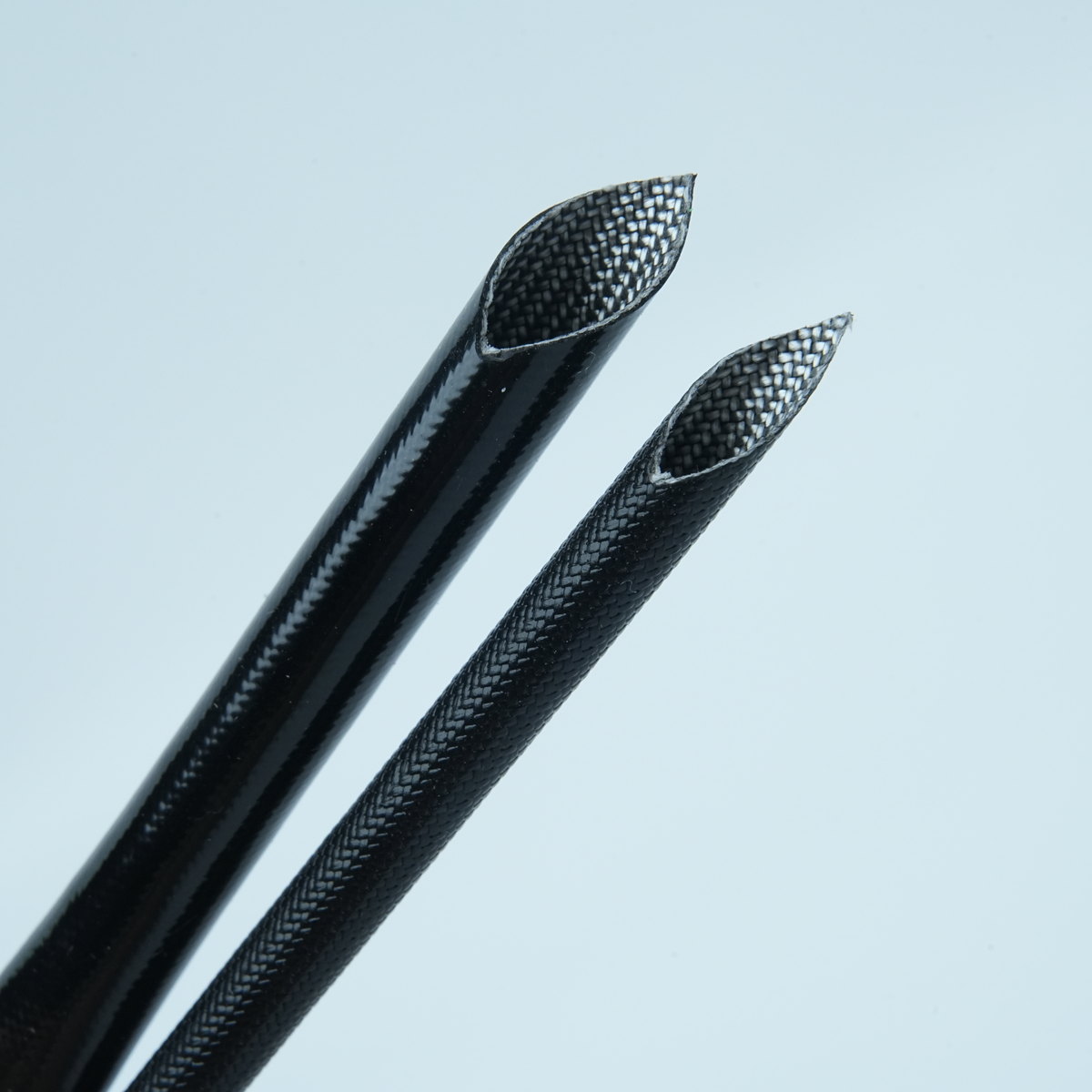
The comparison process goes beyond simply choosing the thickest or most expensive option. Effective evaluation requires a systematic approach that examines material composition, thermal performance, mechanical durability, chemical resistance, and environmental factors specific to your installation. This article guides you through the essential criteria for comparing fiberglass sleeving solutions, enabling informed decisions that minimize downtime, reduce replacement costs, and ensure cable protection throughout their service life.
Understanding Key Performance Characteristics
Heat Resistance and Thermal Protection
Heat resistance is one of the most critical factors when comparing fiberglass sleeving options for flexible cable routes. Different industrial applications generate varying levels of thermal stress, from moderate ambient temperature environments to extreme proximity with heating elements, friction points, or machinery operating at elevated temperatures. When evaluating heat resistance, examine the maximum continuous operating temperature rating, thermal shock tolerance, and the material's ability to maintain structural integrity during rapid temperature fluctuations.
High temperature insulation capabilities in fiberglass sleeving depend on the composition of the base fiberglass material and any protective coatings applied. Products incorporating woven fiberglass with ceramic or silica-based coatings typically offer superior heat resistance compared to standard fiberglass options. Consider whether the sleeving maintains its flexibility and mechanical strength at elevated temperatures, as some materials become brittle or lose protective qualities when exposed to sustained heat exposure over extended periods.
Wire Protection and Durability
Wire protection encompasses multiple dimensions, including abrasion resistance, cut resistance, and chemical compatibility with the substances present in your operational environment. High quality fiberglass sleeving resists fraying and unraveling at cut edges, maintains consistent wall thickness throughout its length, and withstands repeated flexing without degradation. Evaluate the sleeving's performance against mechanical puncture, sliding friction with mounting hardware, and potential contact with sharp edges or rough surfaces inherent in your cable routing configuration.
The durability of fiberglass sleeving also depends on its interaction with environmental factors such as moisture, oils, coolants, or chemical solvents. Some fiberglass sleeving products feature enhanced barrier properties through additional coatings or integrated moisture-resistant layers, providing superior protection in humid or chemically aggressive environments. Test compatibility between the sleeving material and any substances the cables may contact during operation and installation.
Material Composition and Construction Standards
Fiberglass sleeving comes in various material configurations, each designed for different performance requirements. Plain woven fiberglass sleeving offers good balance between flexibility and heat resistance for general industrial applications. Fiberglass sleeving with ceramic fiber blends provides enhanced high temperature insulation for more demanding thermal environments. Metallized fiberglass sleeving incorporates aluminum foil or other reflective materials to increase thermal performance and provide electromagnetic shielding when necessary for sensitive electronic circuits.
When comparing options, review the specific fiber weave pattern, thread diameter, and knit density of the sleeving. Tighter weaves generally provide better mechanical protection but may reduce flexibility in tightly routed cable bundles. The wall thickness and overall construction consistency directly influence both the protective capability and the ease of installation around irregular cable shapes and bundle configurations.
Industry Standards and Certifications
Verify that fiberglass sleeving products meet recognized industry standards and certifications appropriate for your application sector. Common standards include UL ratings for electrical safety, military specifications for defense applications, aerospace certifications for aviation systems, and automotive standards for vehicle manufacturing environments. Third-party certifications provide assurance that material composition, thermal properties, and mechanical performance have been independently verified and documented consistently.
Request technical datasheets and safety documentation that clearly specify compliance with relevant standards. These documents should detail temperature ratings, flame propagation characteristics, smoke emission data, and compatibility with common conductor materials. Comparing certified options helps ensure that your cable routing solution maintains regulatory compliance throughout the equipment lifecycle and reduces potential liability concerns related to inadequate wire protection or thermal management.
Application-Specific Comparison Factors
Installation Environment and Routing Complexity
Different cable routing scenarios demand different fiberglass sleeving characteristics. Highly flexible routes that require sharp bends or tight spiral configurations benefit from softer, more pliable sleeving options that maintain consistent performance through repeated flexing cycles. Static cable routes where the sleeving remains relatively rigid after installation may allow for stiffer fiberglass sleeving formulations offering maximum heat resistance and mechanical strength.
Evaluate whether the fiberglass sleeving can be easily installed over existing cable bundles or whether cables must be rerouted and reconstructed around the protective layer. Consider the accessibility of the installation points and whether the sleeving's outer surface characteristics affect subsequent handling, clamping, or connector assembly operations. Environmental factors such as exposure to ultraviolet light, outdoor weather conditions, or salt spray environments require sleeving options with enhanced weathering resistance and UV stabilization compared to protected indoor installations.
Long-Term Cost and Maintenance Considerations
Initial material cost represents only one element of the total cost comparison for fiberglass sleeving solutions. Higher quality, premium sleeving options may cost more upfront but reduce long-term expenses through extended service life, reduced replacement frequency, and decreased risk of costly equipment failures due to cable damage or thermal degradation. Evaluate the expected lifespan of different sleeving options in your specific operating environment and calculate the cost per year of reliable protection.
Consider maintenance requirements and accessibility for future cable repairs or modifications. Some fiberglass sleeving options can be partially removed and reinstalled without complete replacement, while others require full removal and replacement of the protective layer. Choosing sleeving that accommodates future maintenance and system modifications reduces overall lifecycle costs and supports more flexible operational practices as equipment configurations evolve over time.
FAQ
What is the main difference between standard fiberglass sleeving and high temperature insulation variants?
Standard fiberglass sleeving typically handles continuous operating temperatures up to 200–250 degrees Celsius, while high temperature insulation fiberglass sleeving with ceramic coatings or silica blends withstands 400–600 degrees Celsius or higher. The enhanced variants incorporate special material compositions and protective layers that maintain thermal barrier properties and mechanical integrity under extreme heat conditions. Selection depends on your specific thermal environment and the proximity of cables to heat sources.
How do I ensure that fiberglass sleeving provides adequate wire protection for my application?
Review the sleeving's abrasion resistance rating, cut resistance specifications, and compatibility with substances present in your environment. Test samples in your specific installation configuration when possible, simulating the flexing, thermal cycling, and mechanical stress the sleeving will experience. Verify that the fiberglass sleeving maintains consistent wall thickness, resists unraveling at cut edges, and demonstrates superior durability compared to alternative protection methods.
Are there differences in installation requirements between various fiberglass sleeving options?
Yes, different fiberglass sleeving formulations vary significantly in flexibility, which affects installation difficulty and suitability for various routing configurations. Softer sleeving options install more easily over existing cable bundles but may sacrifice some heat resistance, while stiffer variants offer maximum thermal protection but require more careful handling during installation. Consider your specific cable geometry, accessibility constraints, and installation capabilities when selecting sleeving that balances protection with practical workability.
 EN







