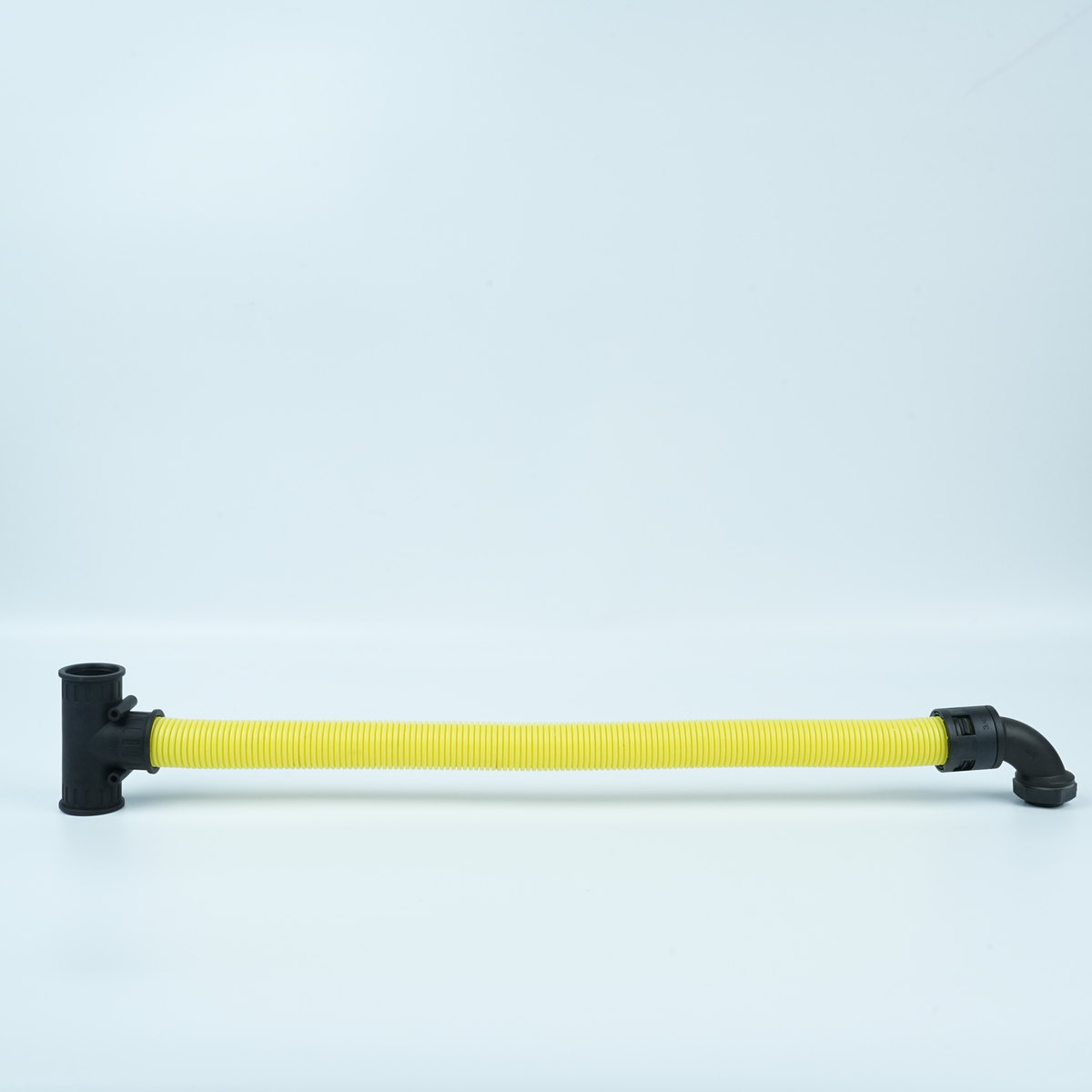
When designing industrial wiring systems, selecting the right cable protection method is critical for safety, reliability, and operational efficiency. Two popular options stand out: corrugated conduit and braided sleeving. Each offers distinct advantages and limitations, and choosing between them depends on your specific application requirements, environmental conditions, and budget constraints. Understanding the key differences between these two cable protection solutions will help you make an informed decision that aligns with your industrial wiring standards and operational needs.
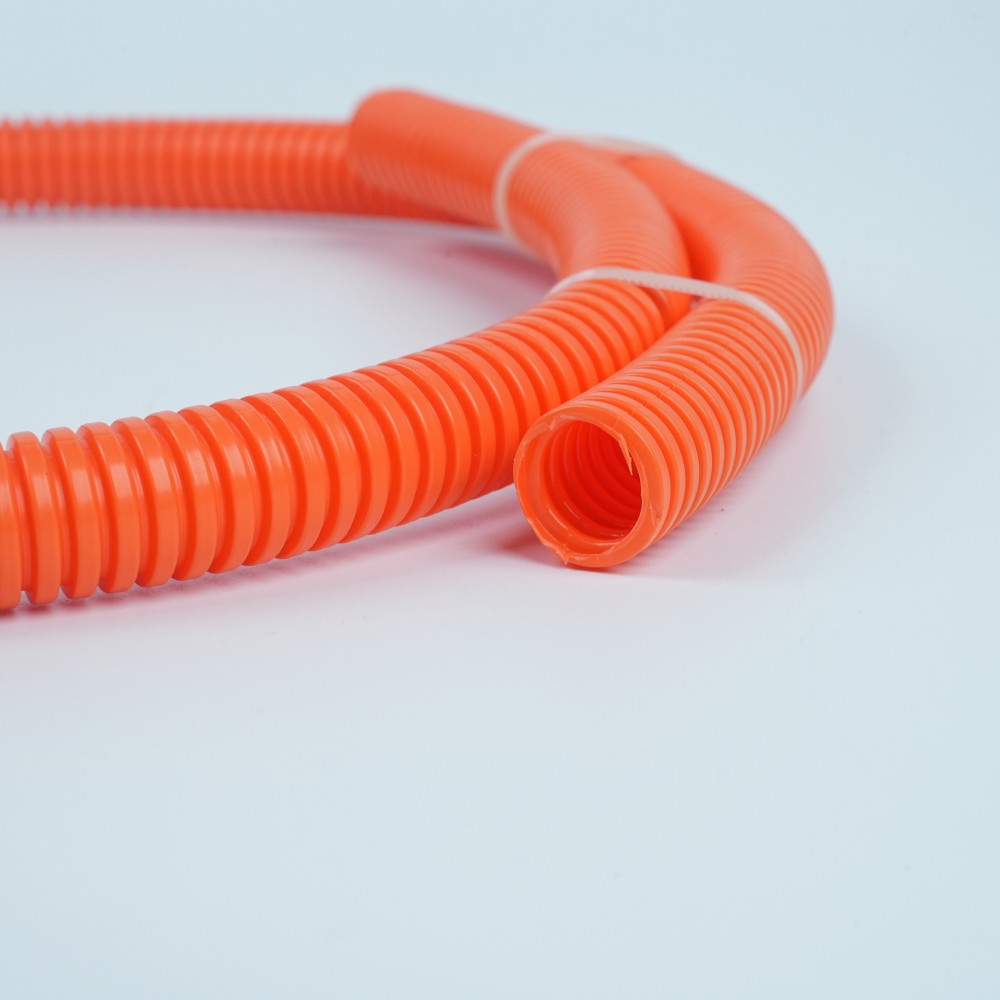
Both corrugated tubing and braided sleeving serve fundamental roles in cable routing within industrial environments. Corrugated tubing provides rigid or semi-rigid enclosure that guards cables from mechanical damage, abrasion, and environmental hazards. Braided sleeving, by contrast, offers flexible wrapping that allows easier cable management while still providing protection. The choice between corrugated conduit and braided sleeving affects not only immediate cable protection but also maintenance accessibility, installation speed, and long-term system reliability. This comparison explores the technical, practical, and economic factors that should guide your selection process.
Structural Design and Physical Protection Capabilities
Corrugated Conduit Structure and Protection Level
Corrugated conduit features a hollow, ribbed cylindrical design that creates a protective tube around cable bundles. The corrugated tubing design incorporates channels that increase surface area and rigidity while maintaining lightweight construction. This structural geometry provides excellent impact resistance and protects against crushing forces that occur in high-traffic industrial zones. The corrugated conduit walls prevent direct contact between external mechanical stressors and the cables inside, making it ideal for applications involving heavy equipment, fork trucks, or frequent cable movement.
The physical properties of corrugated tubing depend on material composition, typically nylon, polypropylene, or reinforced polymers. Most industrial-grade corrugated conduit withstands repeated flexing, thermal cycling, and exposure to oils or coolants common in manufacturing environments. The hollow interior design allows for cable routing without excessive tension, reducing fatigue-related failures over time. This cable conduit approach works particularly well in applications where cables cross machinery, lie on production floors, or experience vibration.
Braided Sleeving Structure and Protection Profile
Braided sleeving consists of interwoven synthetic fibers, typically polyester or aramid blends, woven in a expandable tubular pattern. The open braid construction allows air circulation, which helps with heat dissipation from cables during high-load conditions. Braided sleeving provides abrasion resistance by creating a buffer between cables and rough surfaces, sharp edges, or adjacent equipment. However, the braided pattern inherently leaves small gaps between the weave, meaning it offers less protection against fine dust, moisture ingress, or chemical splashes compared to solid corrugated conduit.
Braided sleeving excels at conforming to irregular cable bundles and accommodating cables of varying diameters. The expandable nature of cable routing via braided sleeving simplifies installation, as technicians can slip the sleeve over existing cable runs without disturbing connections. This flexibility makes braided sleeving attractive for retrofit projects or installations where cable access is restricted. The lighter weight of braided material also reduces strain on cable supports and mounting hardware.
Environmental Resistance and Durability Factors
Chemical and Thermal Resistance Comparison
Corrugated tubing made from engineering-grade nylon exhibits strong resistance to oils, hydraulic fluids, and many industrial chemicals. The solid wall construction of corrugated conduit prevents liquid ingress, making it suitable for wet environments, washdown areas, or zones where spilled fluids accumulate. Temperature tolerance varies by material; most industrial corrugated conduit operates reliably between minus 40°C and plus 80°C, with specialty formulations extending upper limits to 120°C or beyond. The rigid structure maintains integrity even under extreme temperature swings, preventing degradation that might compromise cable protection.
Braided sleeving typically handles temperatures between minus 40°C and plus 100°C depending on fiber composition. Polyester-based sleeving resists many industrial fluids but may absorb moisture if exposed to humid environments or standing water. The open weave structure of braided sleeving allows faster drying when wet, but capillary action can draw moisture into the cable interior if preventive measures are absent. For cable routing in chemically aggressive locations, corrugated conduit generally provides superior long-term protection than braided sleeving alone.
Flame Retardancy and Safety Compliance
Modern corrugated tubing often incorporates flame-retardant additives to meet UL, CSA, and international safety standards. The solid construction ensures that if external flames contact the conduit, the barrier prevents propagation toward internal cables. This safety feature is particularly important in petrochemical facilities, electrical utilities, and data centers where fire codes mandate strict material specifications. Flame-retardant corrugated conduit maintains structural integrity longer during fire events, preserving cable functionality and allowing critical circuits to remain operational during emergency conditions.
Braided sleeving with flame-retardant treatment is available but less commonly specified than corrugated conduit for critical fire-safety applications. The open-weave design means flames can potentially reach cables more quickly than with solid corrugated tubing. However, quality braided sleeving rated to UL 1581 or equivalent standards performs adequately in many applications where fire risk is moderate rather than extreme. For installations requiring maximum fire protection, corrugated conduit remains the more conservative choice.
Installation, Cost, and Application Decision Framework
Installation Complexity and Cable Routing Efficiency
Corrugated conduit installation typically requires planning during system design because rigid or semi-rigid conduit paths must align with equipment layout. Installing corrugated tubing around existing cable runs demands temporary cable removal or manipulation, increasing labor time and system downtime. However, once installed, corrugated conduit provides permanent cable routing structure that requires minimal maintenance. The rigid support reduces sag, tangling, and mechanical wear, extending overall cable service life and reducing future replacement costs.
Braided sleeving offers faster installation because it slides over existing cables without requiring cable repositioning. This cable routing advantage makes braided sleeving ideal for retrofits, emergency repairs, or situations where minimal system disruption is essential. Technicians can apply braided sleeving in minutes without specialized tools or equipment. The flexibility of braided sleeving means it adapts to complex cable paths, curves, and tight spaces where rigid corrugated conduit cannot fit. For applications prioritizing installation speed and minimal downtime, braided sleeving delivers superior operational efficiency.
Cost Considerations and Total Cost of Ownership
Corrugated conduit typically costs more per linear meter than braided sleeving, particularly for larger diameter tubing or specialty flame-retardant formulations. Installation labor for corrugated tubing often exceeds that for braided sleeving because system design and cable routing planning require more technical effort. However, the extended lifespan and lower maintenance profile of corrugated conduit reduce long-term ownership costs. In applications where cable replacement frequency is high, the upfront investment in quality corrugated conduit yields substantial savings over five to ten years.
Braided sleeving offers lower initial material and installation costs, making it attractive for budget-conscious projects or applications with less stringent protection requirements. Over time, if environmental conditions degrade braided sleeving faster than expected, replacement frequency may offset the initial cost advantage. For cable routing applications involving moderate environmental exposure and reasonable protection standards, braided sleeving provides excellent value. For mission-critical systems or severe industrial environments, the superior durability of corrugated conduit justifies higher initial expense through operational reliability and reduced replacement cycles.
FAQ
When should I choose corrugated conduit over braided sleeving?
Choose corrugated conduit when your application involves high mechanical stress, exposure to liquids or corrosive chemicals, fire-safety compliance requirements, or extreme temperature ranges. Corrugated tubing excels in manufacturing plants, utility installations, and anywhere cables experience crushing, abrasion, or environmental hazards. The solid construction of corrugated conduit provides superior protection for long-term cable routing that must withstand demanding industrial conditions without frequent maintenance or replacement.
Can braided sleeving adequately protect cables in wet environments?
Braided sleeving can provide temporary protection in wet environments, but its open weave structure allows moisture penetration over extended periods. For permanent installations in wet zones, moisture-resistant braided sleeving combined with cable conduit sealing techniques offers moderate protection. For long-term reliability in wet industrial areas, corrugated conduit delivers superior water exclusion and is the more dependable choice. Braided sleeving works best in moderately humid environments where moisture exposure is intermittent rather than constant.
What factors affect the lifespan of corrugated tubing versus braided sleeving?
Corrugated conduit lifespan depends on material composition, UV exposure, chemical contact, and thermal cycling frequency. Most industrial-grade corrugated tubing lasts 10 to 15 years or longer in protected indoor settings. Braided sleeving typically lasts 5 to 8 years before visible degradation occurs, though this varies based on environmental severity and fiber quality. Accelerated aging occurs in applications involving high temperatures, direct UV exposure, or continuous chemical contact. Proper cable routing design and preventive maintenance extend the lifespan of both solutions significantly.
 EN