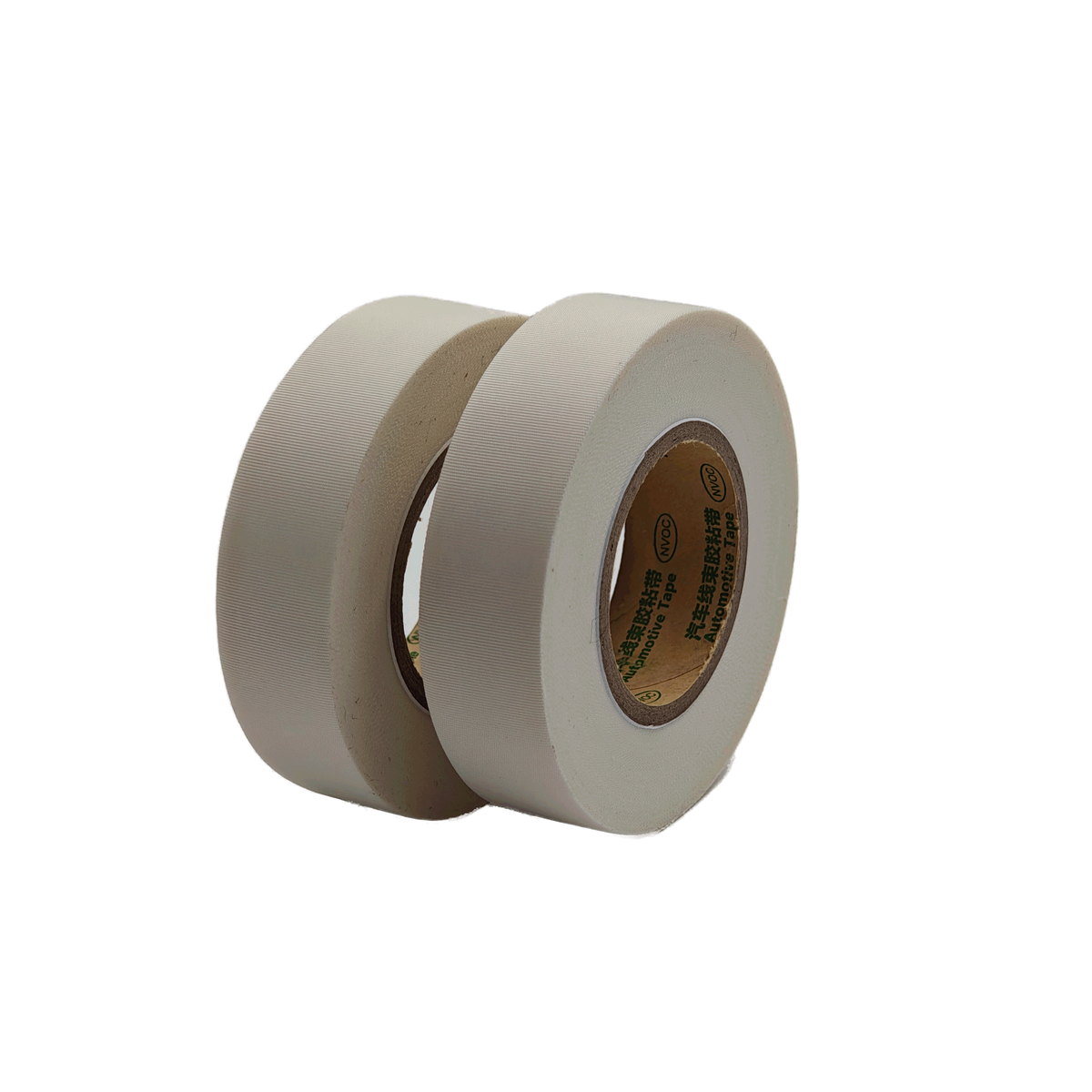
Cable protection is a critical concern in industrial, automotive, and electrical applications where durability and reliability directly impact operational safety and equipment longevity. When selecting materials for cable wrapping and insulation, engineers and maintenance professionals face a fundamental choice between cloth-based and film-based tape solutions. Each type offers distinct advantages depending on the specific application requirements, environmental conditions, and performance expectations. Understanding the differences between these two categories helps ensure optimal cable protection and cost-effectiveness in your operations.
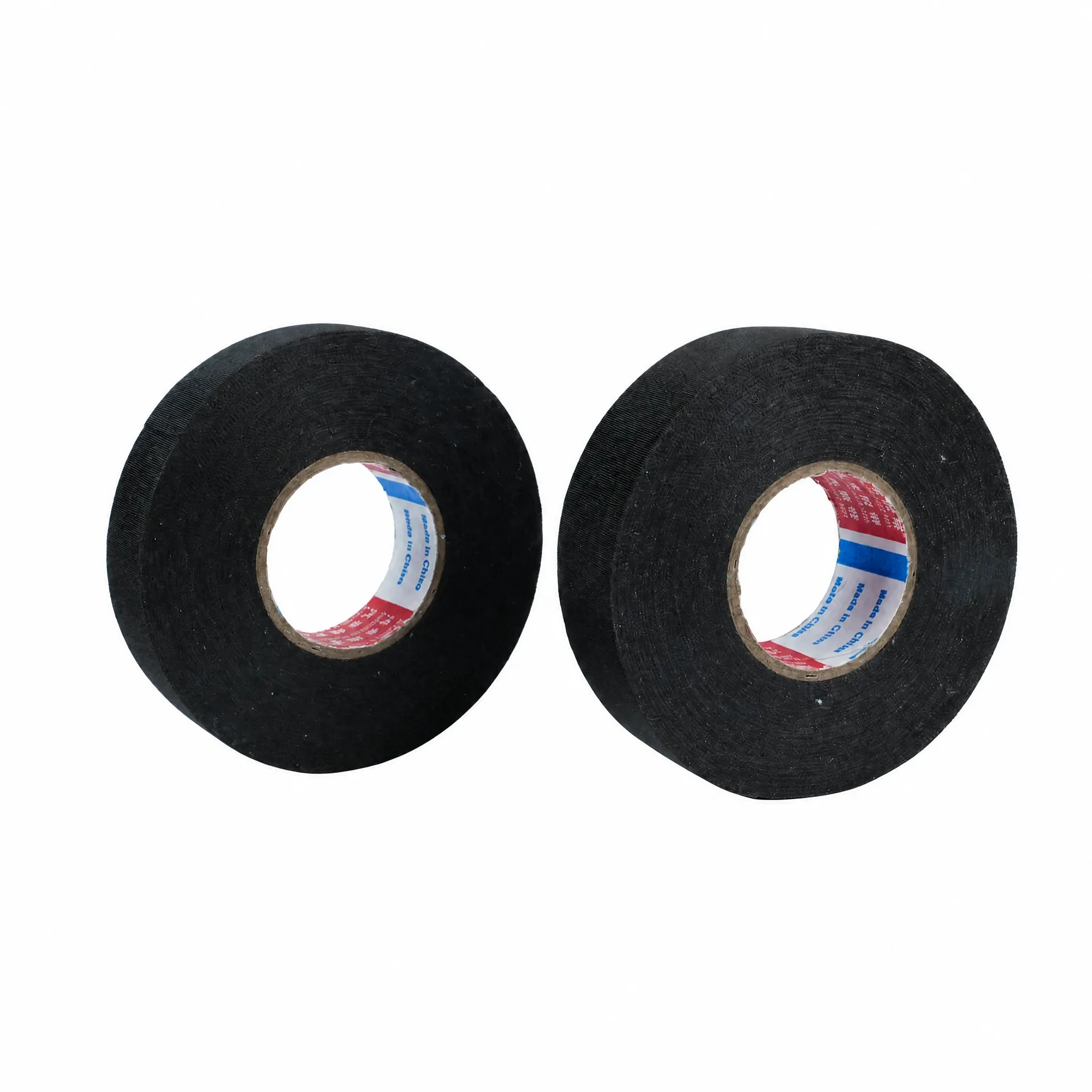
The selection between cloth and film tape formats fundamentally depends on your cable wrapping methodology, temperature exposure, moisture conditions, and mechanical stress factors. Cloth tapes, particularly those made from acetate or fiberglass with adhesive backings, excel in applications requiring conformability, breathability, and high-temperature resilience. Film tapes deliver superior moisture barriers and consistent thickness but may lack the flexibility needed for complex cable geometries. This comparison guide walks through the key performance variables that distinguish these solutions and helps you make an informed decision for your specific cable protection needs.
Cloth Tape Characteristics and Performance Benefits
Material Composition and Flexibility Advantages
Cloth tapes are typically woven from natural or synthetic fibers such as cotton, polyester, fiberglass, or acetate, then coated with pressure-sensitive or heat-activated adhesive. The woven structure creates inherent flexibility that allows the tape to conform smoothly around irregular cable bundles, connectors, and components without wrinkling or creating air pockets. This conformability is particularly valuable in aerospace, automotive, and industrial harness applications where cables have complex routing paths and tight bends. Acetate cloth tape combines excellent electrical insulation properties with mechanical durability, making it an industry standard for motor windings and transformer protection.
Heat Resistant Tape Performance in High-Temperature Environments
A primary strength of cloth tapes lies in their heat resistant tape formulations, which can withstand sustained temperatures ranging from 100°C to over 200°C depending on the specific resin system and fiber composition. The porous nature of woven cloth allows better thermal dissipation compared to solid film materials, reducing localized heat buildup around wrapped cables. This characteristic makes cloth tape ideal for engine compartments, industrial furnaces, and electrical enclosures where ambient temperatures fluctuate significantly. The electrical insulation provided by cloth tapes remains stable across temperature cycles, preventing brittleness or adhesive degradation that commonly occurs with film alternatives in harsh thermal environments.
Film Tape Characteristics and Moisture Barrier Properties
Moisture Resistance and Chemical Protection
Film tapes are manufactured from continuous polymer sheets, typically polyethylene, polypropylene, or polyester films with pressure-sensitive adhesive layers. The non-porous structure creates a complete moisture barrier that prevents water ingress into cable insulation and copper conductor surfaces, essential for applications in humid, wet, or corrosive environments. Film tape offers superior protection against oils, solvents, and chemical exposure compared to breathable cloth alternatives. For cable wrapping in marine environments, water treatment facilities, or chemical processing plants, film tapes maintain their adhesive bond and electrical insulation integrity even when continuously exposed to condensation or direct moisture contact.
Thickness Consistency and Standardization
Film tapes provide uniform thickness with minimal variation across the entire roll, which simplifies quality control and ensures consistent electrical insulation ratings throughout a cable assembly. This dimensional consistency is valuable in high-volume manufacturing environments where automated tape-wrapping equipment requires predictable material behavior. Cable wrapping with film tape produces a smooth, uniform surface appearance that appeals to aesthetic and inspection requirements in consumer electronics and telecommunications applications. However, the rigid nature of film materials can create overlapping layers and potential gaps when applied to cables with sharp bends or irregular cross-sections, compromising the intended protection and electrical insulation coverage.
Comparative Analysis: Selection Criteria for Cable Protection Applications
Application-Specific Performance Factors
The decision between cloth and film tape formats depends on prioritizing specific performance attributes against application constraints. If your cable wrapping process involves hand application, complex routing, or frequent manual adjustments, cloth tapes offer superior workability and reduced waste due to their conformability and tear resistance. Electrical insulation requirements in high-voltage switchgear, motor assemblies, and transformer windings typically favor cloth tape due to its proven long-term dielectric stability and resistance to partial discharge degradation. Conversely, applications demanding hermetic sealing against moisture intrusion or those exposed to immersion conditions clearly favor film tape solutions with their complete barrier protection.
Cost-Effectiveness and Total System Value
While film tapes often carry lower per-unit costs, the total system value analysis must account for application labor, rework rates, and long-term reliability metrics. Heat resistant tape specifications for cloth materials typically support longer cable service life in high-temperature industrial settings, potentially justifying higher material costs through reduced maintenance and replacement frequency. Cloth-based cable wrapping solutions require less precision in application technique compared to film alternatives, reducing worker training requirements and application defect rates. The electrical insulation performance of cloth tapes also demonstrates superior aging characteristics in accelerated life testing, providing greater confidence in long-term dielectric retention across decade-long operational timelines.
FAQ
What is the primary advantage of cloth tape over film tape for cable protection?
Cloth tape excels in flexibility and conformability, allowing it to wrap smoothly around complex cable geometries without gaps or wrinkling. Additionally, cloth materials typically offer superior heat resistant tape characteristics and better thermal dissipation, making them ideal for high-temperature industrial applications. The electrical insulation properties remain stable across temperature cycles, while the breathable structure prevents moisture accumulation beneath the wrap that can occur with solid film materials.
When should film tape be selected over cloth alternatives for cable wrapping?
Film tape is the optimal choice when complete moisture protection is essential, particularly in humid, wet, or chemically aggressive environments. Applications requiring hermetic sealing, such as aerospace potting processes or marine equipment, benefit from film tape's non-porous barrier properties and superior chemical resistance. Film tape also provides better standardization for automated manufacturing environments where thickness consistency and predictable material behavior are manufacturing requirements that directly impact production efficiency and quality control metrics.
Does acetate cloth tape provide adequate electrical insulation for high-voltage applications?
Yes, acetate cloth tape delivers excellent electrical insulation properties suitable for motor windings, transformer protection, and switchgear applications operating at significant voltage levels. The woven structure combined with resin coating creates robust dielectric barriers while the heat resistant tape formulation maintains insulation integrity across normal temperature excursions. However, specific voltage ratings depend on the tape thickness, resin system composition, and application environment, so consulting technical data sheets and industry standards ensures your acetate cloth tape selection meets exact electrical specifications required by your equipment.
 EN