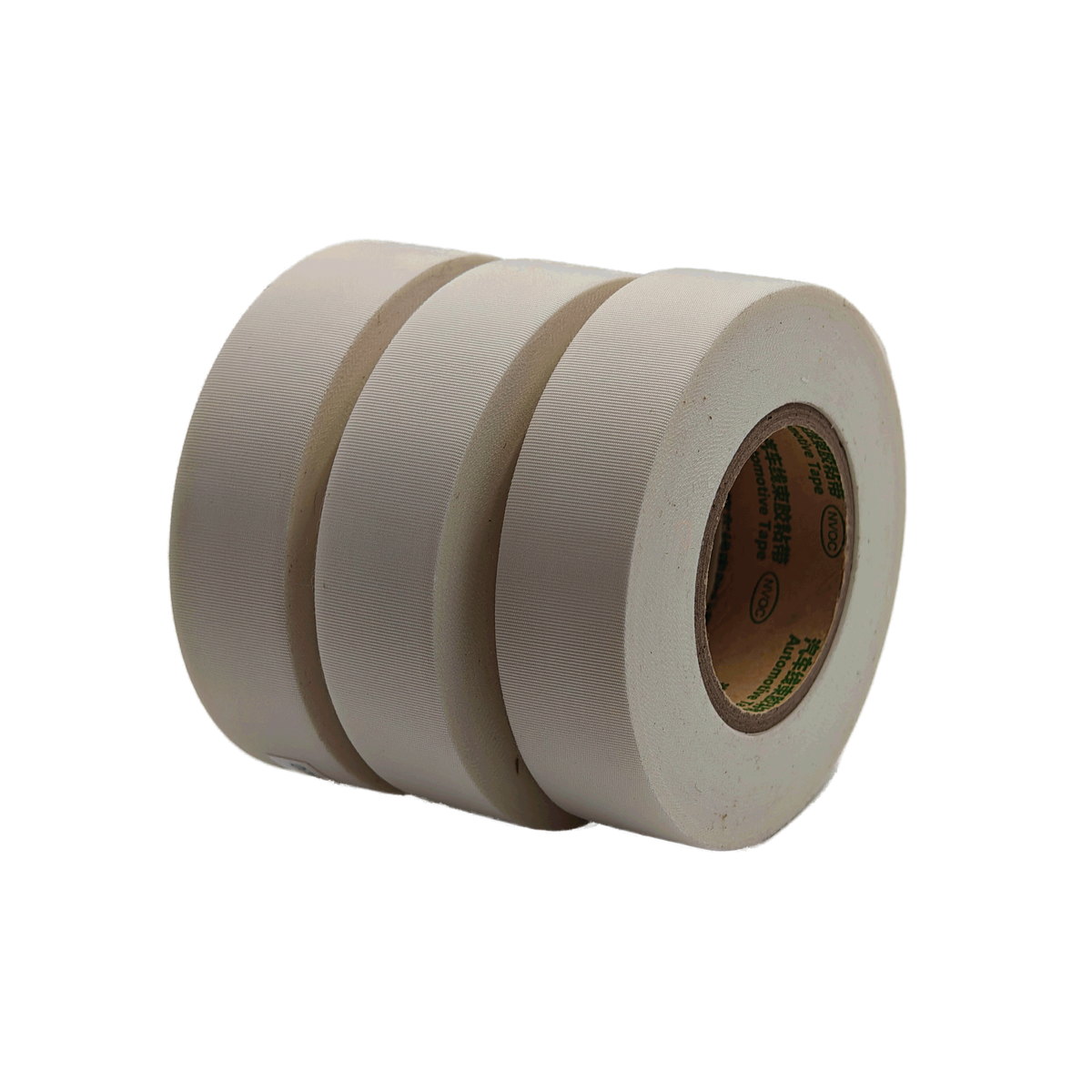
Selecting the right protection for cables in high-friction environments requires careful evaluation of material properties, durability ratings, and application-specific performance. Acetate cloth tape has emerged as a trusted solution for cable wrapping applications where abrasion resistance and consistent performance matter most. Understanding how to compare acetate cloth tape options ensures you select a product that delivers genuine protection rather than settling for substandard alternatives that fail under real-world stress.
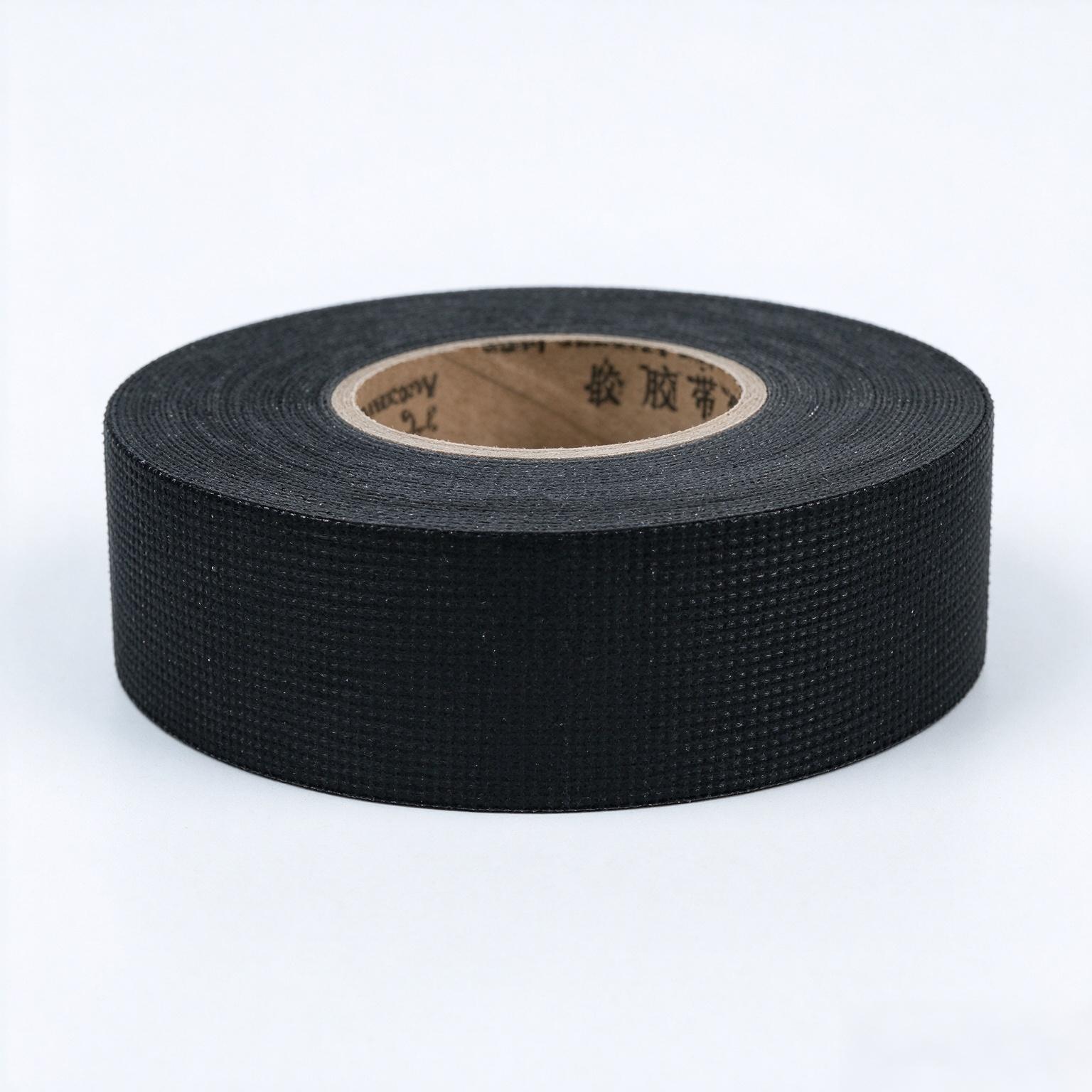
The demand for reliable cable wrapping solutions has intensified across automotive, industrial, and electrical sectors. Many engineers and procurement teams lack clear frameworks for evaluating heat resistant tape products, particularly when comparing acetate-based options against competing materials. This guide provides practical comparison criteria that help you identify the right acetate cloth tape for your specific cable runs, ensuring long-term performance and cost-effectiveness.
Understanding Acetate Cloth Tape Core Properties
Material Composition and Adhesive Systems
Acetate cloth tape consists of a woven acetate fabric backing bonded with a synthetic rubber or acrylic adhesive layer. The fabric weave density directly influences how the tape handles mechanical stress and environmental exposure. Higher thread counts deliver superior tear resistance and dimensional stability, particularly in automotive harness applications where vibration and thermal cycling create continuous stress on the protective layer.
The adhesive system determines how well the tape maintains contact with cable surfaces under temperature fluctuation and mechanical abrasion. Quality heat resistant tape formulations use tackifiers that remain stable across wide temperature ranges, preventing creep or delamination in high-temperature cable runs. When comparing cable wrapping options, examine whether the adhesive composition resists moisture, oils, and solvents common in engine compartments and industrial machinery.
Thickness and Tensile Strength Specifications
Acetate cloth tape thickness ranges from 0.10 inches to 0.25 inches, each serving different coverage and flexibility requirements. Thinner versions work well for delicate cable bundles requiring high conformability, while thicker tape provides robust protection in severely abrasion-prone cable runs. Tensile strength measurements indicate how much force the tape can withstand before tearing, making this a critical comparison metric for high-vibration applications like automotive harness installations.
Most industrial-grade heat resistant tape specifications list tensile strength between 20 to 40 pounds per inch of width. Higher tensile ratings typically correlate with improved durability in cable wrapping scenarios where the tape must resist puncture from sharp cable edges or frequent equipment vibration. Verify that your selected product meets or exceeds minimum tensile strength requirements for your specific application environment.
Comparing Temperature Ratings and Environmental Performance
Maximum Temperature Resistance and Thermal Stability
Heat resistant tape for cable wrapping must maintain adhesive strength and physical integrity across your operating temperature range. Standard acetate cloth tape typically performs reliably up to 140–160 degrees Celsius, while specialized formulations extend performance to 180–200 degrees Celsius for extreme automotive harness applications. Comparing product data sheets reveals significant variance in temperature performance, so always verify the upper temperature limit rather than assuming all heat resistant tape products perform identically.
Thermal cycling—rapid temperature swings between operating and idle states—accelerates tape degradation faster than steady-state heat exposure. Examine whether product specifications address performance retention after repeated thermal stress cycles, as this reflects real-world durability in engine bays and industrial motor housings. Quality cable wrapping solutions include thermal stress test results demonstrating adhesive retention and fabric integrity after 100–500 temperature cycles.
Moisture and Chemical Resistance Factors
Environmental moisture and chemical exposure create hidden risks for acetate cloth tape performance. Many industrial cable runs encounter hydraulic fluids, coolants, battery acid, or salt spray that can compromise adhesive bonds and accelerate material degradation. When comparing heat resistant tape options for automotive harness protection, prioritize products with documented resistance to common fluids present in your operating environment.
Test reports showing water absorption rates, oil immersion performance, and salt-spray resistance provide quantifiable evidence of long-term durability. Products rated for 1000+ hours of salt-spray exposure offer significantly better corrosion protection than standard formulations, particularly in coastal or high-humidity manufacturing environments. Cable wrapping in these conditions demands superior environmental resistance that standard acetate cloth tape may not deliver.
Practical Selection Criteria for Your Cable Application
Matching Tape Properties to Abrasion Severity Levels
Abrasion intensity varies dramatically across different cable routing scenarios. Low-abrasion applications—such as static cable bundles in controlled indoor environments—tolerate lighter-duty acetate cloth tape solutions. High-abrasion cable runs involving constant flexing, high-speed equipment, or rough surface contact demand thicker tape formulations with superior tensile strength and wear resistance. Accurately classifying your abrasion environment determines whether you can use economical standard-grade tape or must invest in premium-rated products.
Evaluate the specific abrasion mechanisms affecting your cable runs. Sharp cable edges grinding against tape continuously create different damage patterns than occasional impact abrasion from moving parts. Motor mounting vibration causes rhythmic flexing and micro-tearing, while industrial equipment with rotating shafts generates high-speed frictional contact. Each scenario benefits from different heat resistant tape characteristics, so detailed application analysis prevents costly product mismatches.
Installation Environment and Accessibility Considerations
The ease and frequency of cable wrapping installation affects which acetate cloth tape formulations make practical sense. Easy-to-wrap tape with superior conformability reduces labor time during automotive harness assembly or cable protection retrofit projects. Conversely, applications allowing only infrequent maintenance justify premium products with exceptional longevity, reducing future repair cycles and production downtime. Cable wrapping in tight spaces or complex cable geometries benefits from flexible tape that doesn't require special application equipment.
Consider long-term maintenance accessibility when selecting cable wrapping solutions. Products requiring regular inspection or scheduled replacement cycles impose ongoing labor costs that compound over years of operation. Premium acetate cloth tape formulations designed for extended service intervals deliver lower total cost of ownership despite higher initial material expense. Industrial harness applications spanning 5–10 years between maintenance cycles particularly benefit from this long-term value perspective.
FAQ
What distinguishes premium acetate cloth tape from standard cable wrapping products?
Premium heat resistant tape typically features higher thread-count fabric backing, superior adhesive formulations with broader temperature ranges, and enhanced resistance to moisture and chemical exposure. Standard acetate cloth tape covers basic protection needs but may degrade faster in harsh environments or extreme temperature swings. Investment in premium-grade products for high-stakes applications like automotive harness protection pays dividends through extended service life and reduced failure risk.
How do I determine if acetate cloth tape suits my cable application?
Acetate cloth tape performs excellently for general-purpose cable wrapping where moderate temperature and abrasion resistance suffice. For severe abrasion-prone cable runs involving high temperatures, chemical exposure, or constant mechanical stress, verify that your selected heat resistant tape formulation specifically addresses those hazards. Application data sheets, temperature ratings, and chemical resistance documentation provide objective evidence of suitability. When comparing options, test samples in your actual operating environment before committing to full-scale deployment.
Can acetate cloth tape replacement extend the life of aging cable harness systems?
Yes, applying new cable wrapping with quality acetate cloth tape can restore protection to degraded harness systems and prevent accelerated cable failure. Older tape often loses adhesive integrity, develops cracks, or separates from cable surfaces, exposing conductors to abrasion and environmental contamination. Selecting heat resistant tape with enhanced durability specifications—particularly for automotive harness upgrades—provides stronger, longer-lasting protection than original equipment. Planning replacement cycles around thermal or mechanical stress peaks maximizes the benefit of new protective wrapping solutions.
 EN