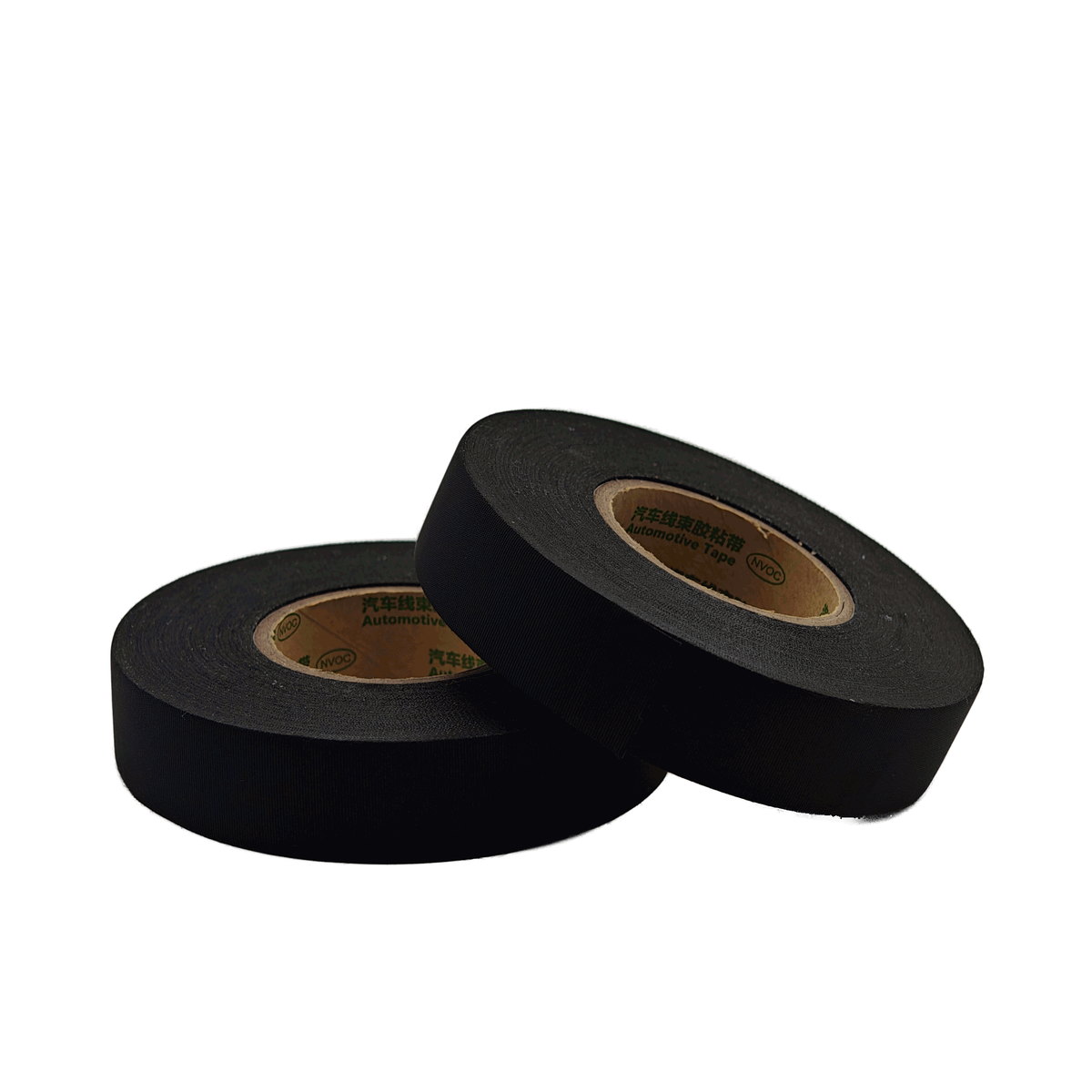
Selecting the right tape for cable management requires understanding how different materials perform under specific conditions. Acetate cloth tape has become essential in both fixed and flexible cable routing applications, offering unique advantages depending on your installation environment and operational demands. Whether you're managing power distribution in industrial facilities or organizing wire harness systems in automotive or telecommunications environments, the choice between different cloth tape options directly impacts long-term reliability and safety.
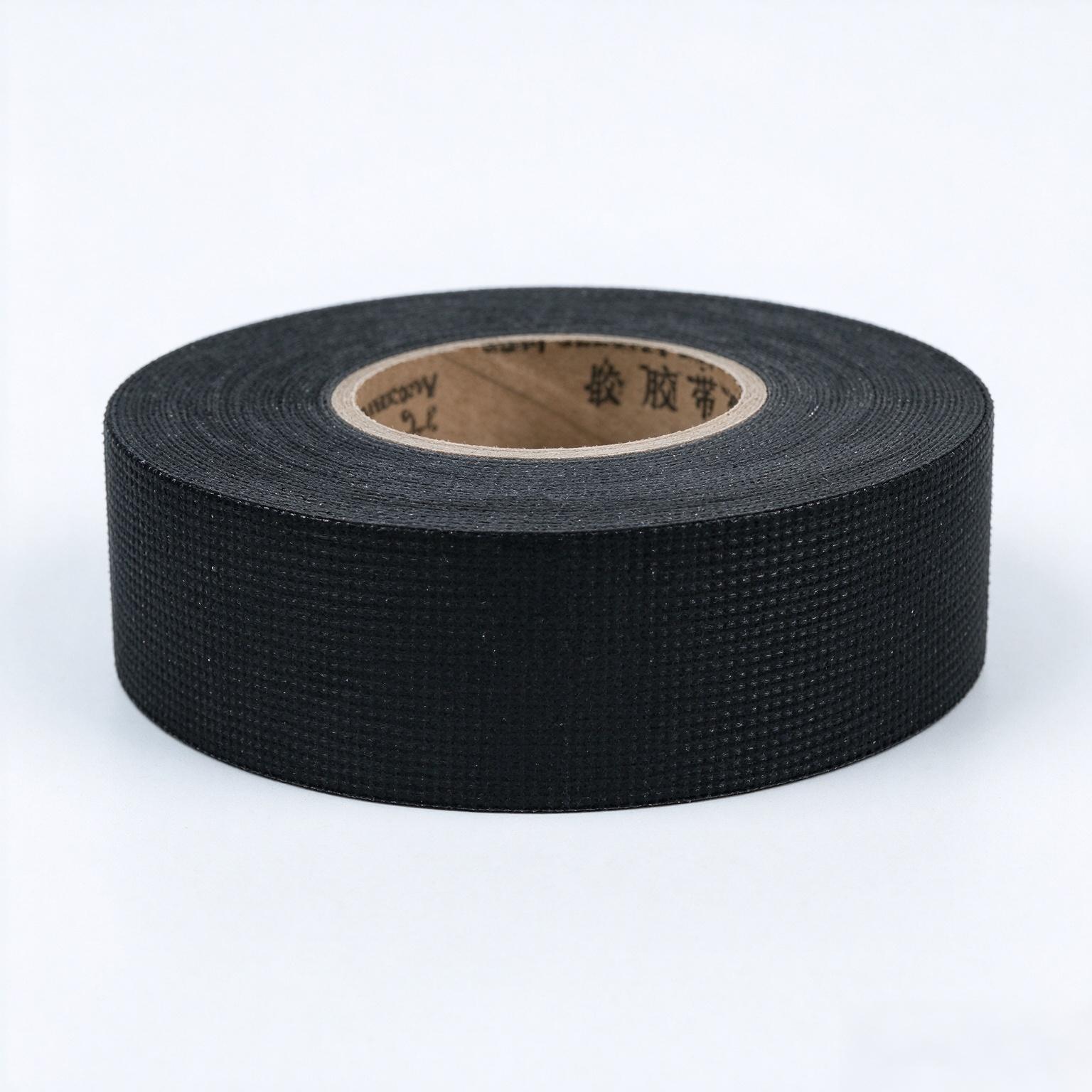
Understanding the fundamental differences between acetate cloth tape variants and comparable cloth tape solutions enables informed decisions that reduce installation complexity and minimize maintenance costs. This guide walks through the key comparison factors, material properties, application suitability, and practical selection criteria that distinguish performance outcomes in fixed versus flexible cable routing scenarios.
Material Properties and Electrical Insulation Characteristics
Understanding Base Material Composition
Acetate cloth tape construction begins with a woven cellulose acetate fabric backing that provides structural integrity and tear resistance. The cloth tape substrate is typically coated with rubber or acrylic adhesive formulations designed to maintain consistent bond strength across temperature variations and moisture exposure. Electrical insulation properties depend heavily on the adhesive system and any additional polymeric coatings applied to the base fabric, which determine dielectric breakdown voltage and long-term performance reliability.
The weave density and fabric weight of cloth tape directly influence mechanical performance in both fixed and flexible applications. Higher denier yarns and tighter weaves provide superior dimensional stability and puncture resistance, making them suitable for heavy vibration environments or sharp-edged conductor bundles. Conversely, lighter cloth tape formulations offer greater conformability around irregular surfaces and complex wire harness geometries without adding unnecessary bulk or weight to cable assemblies.
Adhesive Performance and Environmental Factors
Electrical insulation effectiveness requires adhesive systems that maintain tackiness and bond integrity across wide temperature ranges and humidity conditions. Rubber-based adhesives in cloth tape formulations typically perform well in moderate temperature environments and offer excellent immediate adhesion, though they may experience creep under sustained heat exposure. Acrylic adhesives provide superior temperature stability and chemical resistance, making them the preferred choice for wire harness tape applications requiring long-term durability in harsh industrial settings.
Moisture absorption in acetate cloth tape varies based on fabric construction and adhesive chemistry. Applications in damp or humid environments benefit from tape formulations with lower moisture regain characteristics, as water penetration can degrade electrical insulation properties and weaken adhesive bonds over extended service periods. Testing moisture absorption rates under your specific environmental conditions helps predict long-term performance and prevents unexpected tape failures.
Application Suitability for Fixed Cable Routes
Static Installation Requirements and Mounting Considerations
Fixed cable routes typically involve permanent or semi-permanent installations where cables are secured to conduit systems, equipment frames, or building infrastructure without requiring frequent repositioning. Acetate cloth tape excels in these applications because strong initial tack and durable adhesive bonds eliminate the need for mechanical fasteners or clamps in many scenarios. Fixed routing installations benefit from tape formulations with enhanced adhesive build time, allowing technicians to position multiple cable runs before initiating full cure.
Surface preparation becomes critical in fixed applications, as any contamination or poor initial contact compromises long-term adhesion. The cloth tape backing provides mechanical bonding assistance, gripping substrate surfaces through fibrous structure interlocking. Acetate cloth tape selections for fixed routes should prioritize high-tack adhesive systems and durable fabric construction capable of withstanding environmental aging without peeling or delamination.
Temperature and Aging Stability in Stationary Environments
Fixed cable installations often operate in controlled temperature environments where thermal cycling stress remains minimal compared to flexible routing scenarios. This stability allows use of cloth tape formulations optimized for static performance rather than dynamic flexibility, enabling stronger adhesive bonds and potentially lower cost profiles. Extended UV exposure in outdoor fixed installations demands cloth tape with UV-resistant additives or opaque adhesive formulations that prevent photodegradation of both fabric and adhesive components.
Electrical insulation performance in fixed routes maintains consistency because cables experience minimal mechanical stress that could crack or compromise tape coverage. Wire harness tape used in stationary applications often shows superior long-term dielectric breakdown voltage retention compared to products subjected to continuous flexing and vibration.
Application Suitability for Flexible Cable Routes
Dynamic Movement and Vibration Resistance Requirements
Flexible cable routing applications demand cloth tape formulations capable of maintaining adhesive bonds and tape integrity despite continuous movement, bending, and vibration exposure. Acetate cloth tape selections for flexible applications must balance adhesive strength with conformability, allowing tape to stretch and recover without peeling from conductor surfaces during repeated flexing cycles. The fabric backing plays a crucial role, distributing mechanical stress across the woven structure rather than concentrating strain at single adhesive failure points.
Wire harness tape in dynamic environments benefits from lower modulus adhesive systems that accommodate substrate movement without embrittlement or adhesive failure. Cloth tape formulations featuring acrylic or specialized elastomeric adhesives typically outperform traditional rubber-based products in flexible applications because they maintain tack and bond flexibility across temperature variations accompanying mechanical stress.
Fatigue Resistance and Long-Term Mechanical Performance
Accelerated fatigue testing protocols compare electrical insulation tape performance under repetitive bending, twisting, and vibration exposure simulating real-world flexible cable routing conditions. Acetate cloth tape products designed for flex applications typically demonstrate superior peel resistance and adhesive retention after thousands of mechanical cycles compared to standard formulations. The interaction between fabric weave structure, adhesive modulus, and substrate surface roughness determines ultimate fatigue performance and service life prediction.
Selection of cloth tape for flexible applications requires understanding specific mechanical demands in your installation environment. High-vibration industrial equipment, robotic systems, and mobile applications demand premium wire harness tape formulations with documented fatigue performance data, while moderate-flex applications may accept lower-cost cloth tape products with adequate mechanical performance for reduced stress environments.
Key Comparison Criteria and Selection Process
Performance Specifications and Testing Standards
Evaluating acetate cloth tape options requires reviewing standardized performance specifications including tensile strength, tear resistance, peel strength, and electrical insulation values. Industry standards such as ASTM and IEC testing protocols establish consistent measurement methods enabling direct comparison between different cloth tape manufacturers and formulations. Electrical insulation performance specifications typically include dielectric breakdown voltage, volume resistivity, and surface resistivity measurements conducted under controlled temperature and humidity conditions.
Request detailed test data from manufacturers before making final selection decisions, particularly for critical applications where tape failure could compromise safety or equipment reliability. Comparison of adhesive properties, fabric weight, and thickness specifications helps identify optimal cloth tape formulations for your specific cable routing requirements without over-specifying performance characteristics that add unnecessary cost.
Cost-Benefit Analysis and Total Value Assessment
Acetate cloth tape pricing varies significantly based on adhesive chemistry, fabric quality, and performance certifications required for your application. Fixed cable applications often accept lower-cost formulations meeting basic electrical insulation requirements, while flexible routing demands premium wire harness tape products justifying higher unit costs through superior reliability and extended service life. Calculate total acquisition and installation costs including labor time, potential rework expenses, and long-term replacement frequency when comparing cloth tape options across budget and performance variables.
Premium tape formulations featuring acrylic adhesives and high-denier fabric construction typically require lower installation labor because superior tack and conformability reduce repositioning and rework time. Life cycle cost analysis accounting for installation efficiency, performance reliability, and replacement frequency often demonstrates that investing in higher-quality acetate cloth tape reduces total cost of ownership compared to budget alternatives despite higher initial material expenses.
FAQ
What is the primary difference between acetate cloth tape and standard electrical insulation tape?
Acetate cloth tape features a woven fabric backing that provides superior tear resistance, conformability, and mechanical durability compared to solid polymer films used in standard electrical insulation products. The fabric structure distributes mechanical stress across multiple fibers, enabling better performance in flexible applications and complex cable geometries while maintaining electrical insulation properties comparable to traditional tape formulations.
How do I determine whether to use acetate cloth tape or wire harness tape for my cable routing application?
Assess your installation environment for mechanical stress, temperature exposure, and humidity conditions. Fixed cable routes in controlled environments typically work well with standard acetate cloth tape formulations, while flexible applications with vibration or frequent movement demand specialized wire harness tape engineered for dynamic performance. Request application recommendations from manufacturers and review performance data specific to your environmental conditions.
Can cloth tape withstand high-temperature environments in industrial cable routing systems?
Standard acetate cloth tape typically performs reliably up to 80-90°C, though specialized formulations with heat-resistant adhesives and reinforced fabric construction exist for elevated-temperature applications. Verify specific temperature ratings from manufacturers, as electrical insulation properties degrade above tape design specifications, compromising dielectric breakdown voltage and adhesive bond strength over time in high-heat environments.
 EN