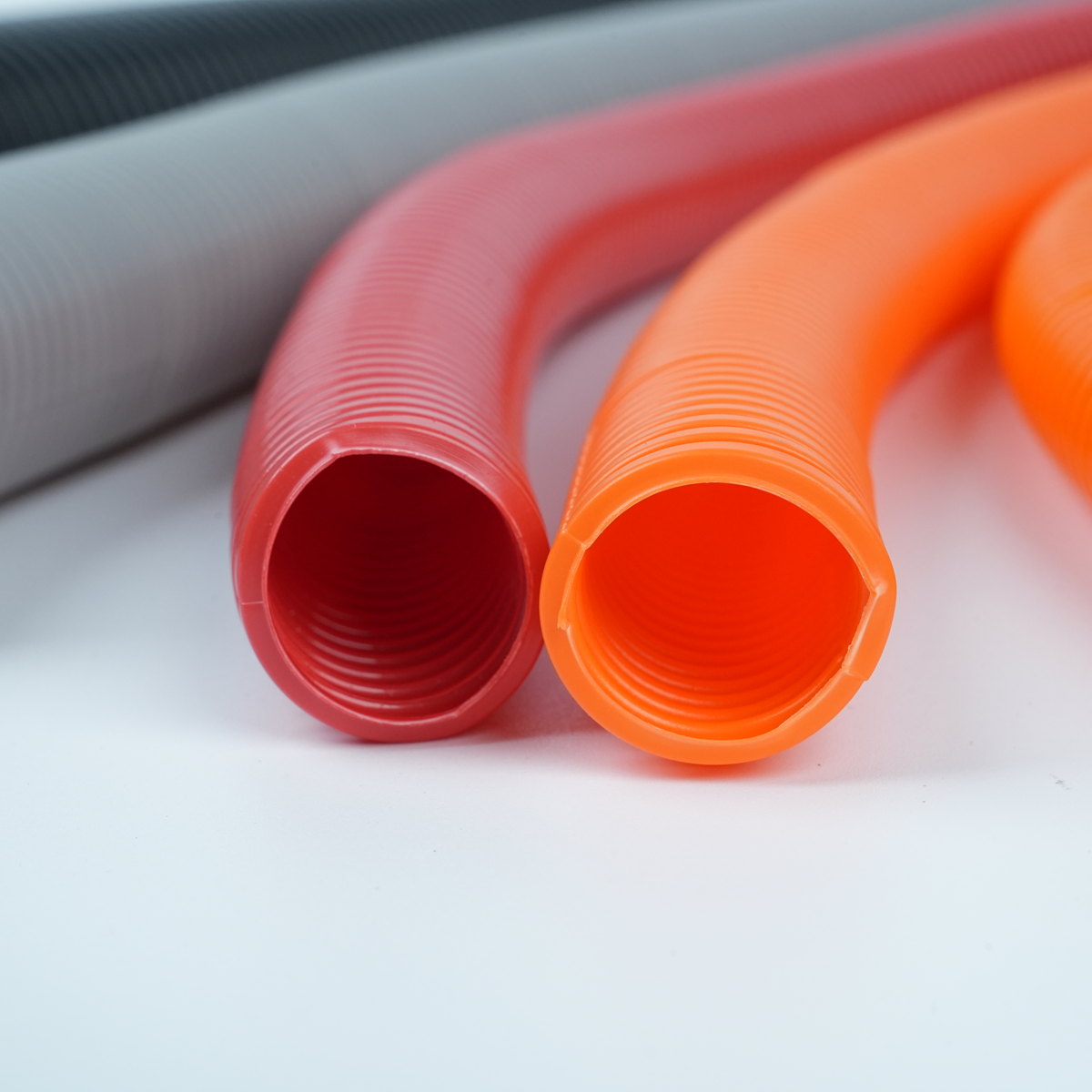
Selecting the appropriate wire loom conduit for high-temperature wire protection requires careful evaluation of your operational environment, material specifications, and performance requirements. In industrial settings where heat, flame, and chemical exposure pose constant threats to electrical systems, the right cable routing solution becomes critical to equipment longevity and workplace safety. Understanding the key factors that influence conduit selection helps engineers and facility managers make informed decisions that protect costly wiring infrastructure while maintaining regulatory compliance.
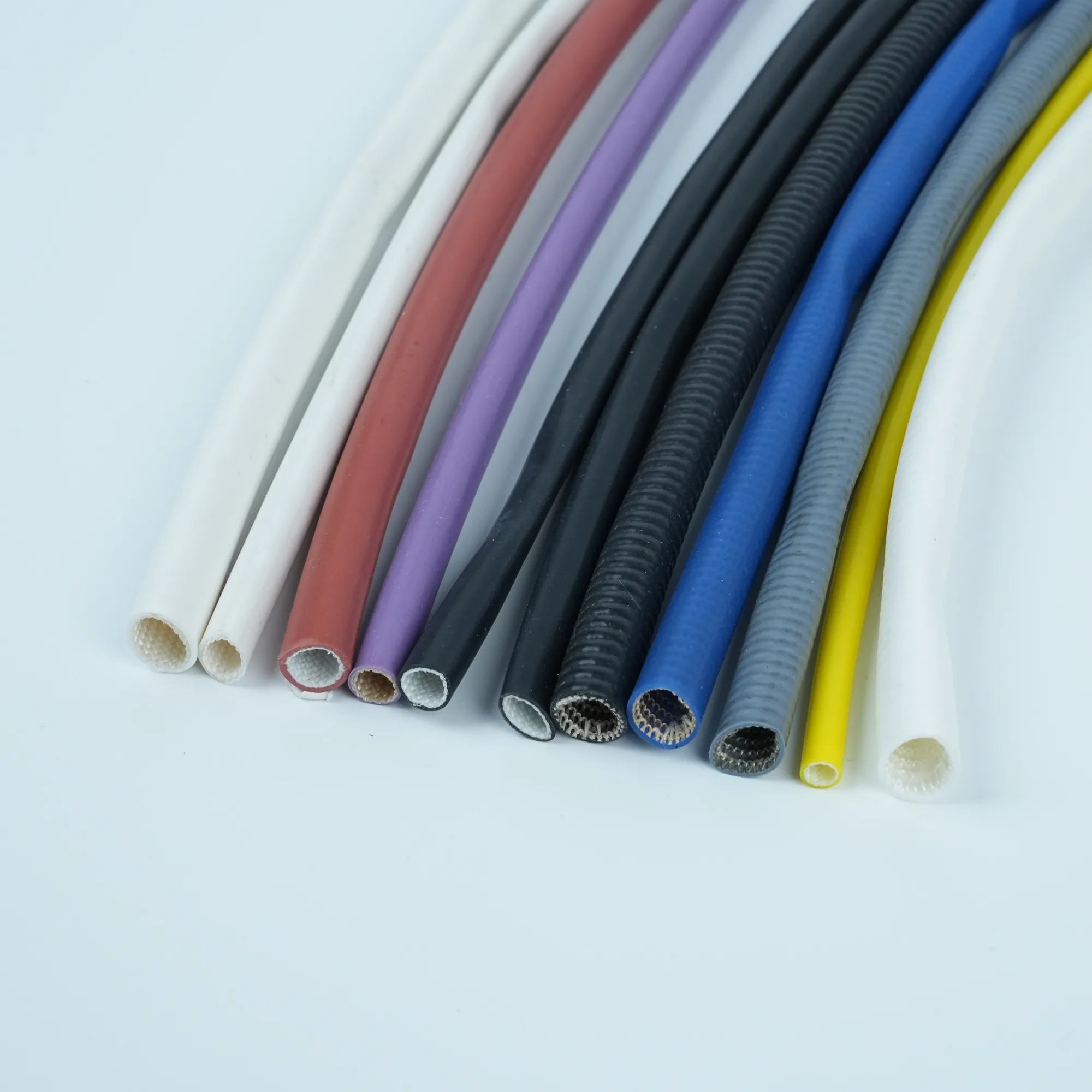
High-temperature wire protection is not a one-size-fits-all proposition. Different industrial processes generate different thermal profiles, and cable routing demands vary significantly across manufacturing floors, aircraft maintenance bays, and engine test facilities. Your wire loom selection must align with specific temperature thresholds, mechanical stress conditions, and the chemical environment where cables operate. This guide walks through the essential decision criteria that ensure your wire loom conduit investment delivers reliable performance under demanding conditions.
Understanding Temperature Requirements and Material Compatibility
Identifying Your Operating Temperature Range
The first step in choosing wire loom conduit is determining the maximum continuous operating temperature your cables will encounter. Industrial environments rarely run at constant temperatures; instead, they experience fluctuating conditions with peak thermal stress during high-output cycles. Engine compartments, furnace peripheries, and welding zones demand conduit rated significantly higher than average ambient temperatures. Silicone-fiberglass composites and advanced elastomers are engineered to maintain structural integrity across wide temperature ranges, often performing reliably from cryogenic levels to extreme heat scenarios.
Material Selection for Performance and Durability
Wire loom material composition directly influences its protective capability and service life. Silicone-fiberglass blends offer exceptional thermal resistance while maintaining flexibility for cable routing through tight spaces and around equipment. Fiberglass-reinforced sleeves provide mechanical protection against abrasion and puncture, critical in environments where cables contact sharp edges or moving parts. Your cable conduit choice should match not only temperature demands but also exposure to oils, coolants, hydraulic fluids, and chemical solvents common in your facility. Superior materials resist degradation from thermal cycling, preventing brittleness and loss of protective function over time.
Evaluating Cable Routing and Installation Factors
Space Constraints and Routing Complexity
Practical cable routing often involves navigating confined spaces, tight bends, and irregular pathways around equipment and structural elements. Wire loom conduit must remain flexible enough to follow your facility's layout without creating stress points that compromise cable protection or equipment accessibility. Thinner-walled variants allow easier navigation through existing conduit systems and cable trays, while maintaining adequate thermal and mechanical shielding. Consider whether your cable routing requires frequent access for maintenance or inspection; some high-performance wire loom systems accommodate modular installation approaches that reduce downtime during equipment updates or repairs.
Installation and Long-Term Maintenance Accessibility
Selecting conduit that accommodates your installation workflow and maintenance procedures reduces project costs and operational disruption. Self-wrapping or adhesive-backed wire loom options simplify field installation compared to rigid tubing systems requiring specialized fixtures. Evaluate whether your cable routing layout benefits from split-tube designs that allow insertion of conductors post-installation. The ease of repositioning cables within the conduit for troubleshooting or circuit modifications represents another practical consideration that impacts total cost of ownership. Premium cable conduit systems designed for high-temperature environments often feature superior grip and retention properties that keep wires secure despite thermal expansion cycles.
Assessing Regulatory Compliance and Performance Standards
Fire Rating and Safety Certifications
Industrial wire loom conduit must meet recognized safety standards and certifications relevant to your industry and application. UL, CSA, and other third-party certifications validate that your cable routing protection meets established performance thresholds for flame propagation, smoke generation, and heat release. High-temperature applications in aerospace, automotive, and energy sectors typically demand UL-rated wire loom systems with documented fire-resistant properties. Selecting conduit from manufacturers who provide independent test reports and certification documentation ensures your installation complies with regulatory requirements and insurance standards.
Chemical Resistance and Environmental Durability
Beyond thermal performance, your wire loom conduit should resist degradation from oils, coolants, solvents, and other substances present in industrial environments. Silicone-based cable conduit formulations demonstrate superior resistance to petroleum products and many industrial chemicals compared to traditional materials. Verify that your selected wire loom maintains structural integrity when exposed to the specific fluids used in your facility, as compatibility issues can lead to accelerated degradation and failure. Environmental durability directly affects maintenance frequency and replacement cycles; superior materials extend service intervals and reduce long-term operational costs.
FAQ
What temperature range should my wire loom conduit support?
Your wire loom conduit must be rated for temperatures 25–50 degrees Fahrenheit above your maximum expected operating temperature. This safety margin accounts for thermal cycling stress and ensures the cable routing system maintains protective capability during peak conditions. Most high-performance conduit systems support continuous operation between 200–500 degrees Fahrenheit, with specialized variants handling even more extreme environments. Consult your equipment manufacturer and electrical code requirements to confirm the minimum rating needed for your specific application.
Can I use standard cable conduit for high-temperature applications?
Standard PVC or plastic cable conduit is unsuitable for high-temperature wire protection because it melts, hardens, and loses flexibility at elevated temperatures. Wire loom systems specifically engineered for thermal environments use advanced materials like silicone-fiberglass composites that maintain protective properties across extreme temperature ranges. Using inappropriate cable routing materials creates fire hazards, equipment failures, and potential regulatory violations. Investing in proper high-temperature wire loom conduit prevents costly damage and safety incidents.
How do I know if my cable routing setup is adequate?
Your wire loom installation is adequate when it maintains physical separation between cables and heat sources, resists environmental chemical exposure, and complies with applicable electrical codes. Professional audits of your cable routing configuration can identify vulnerable points where standard protection is insufficient. Monitor your conduit system regularly for signs of thermal damage, brittleness, or separation, which indicate the need for upgrades. Working with experienced installers who understand your facility's specific thermal and chemical environment ensures your cable conduit protection system meets both current and future operational demands.
 EN