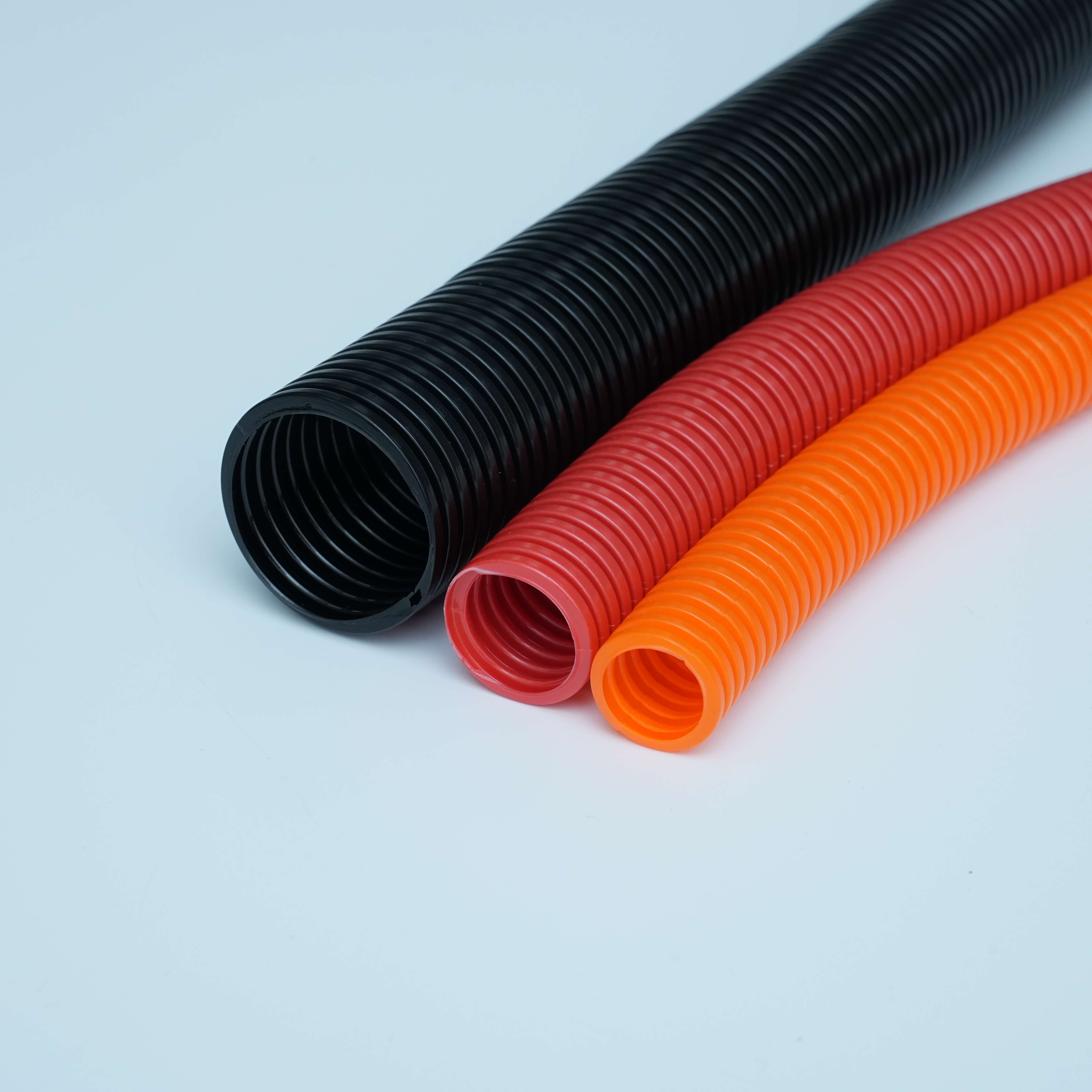
Selecting the appropriate wire loom conduit for branching wire harnesses is a critical decision that directly impacts harness durability, maintainability, and long-term reliability in demanding industrial and automotive environments. The wrong choice in cable conduit can lead to premature wear, electromagnetic interference, mechanical damage, and costly field failures that disrupt operations and compromise safety standards.
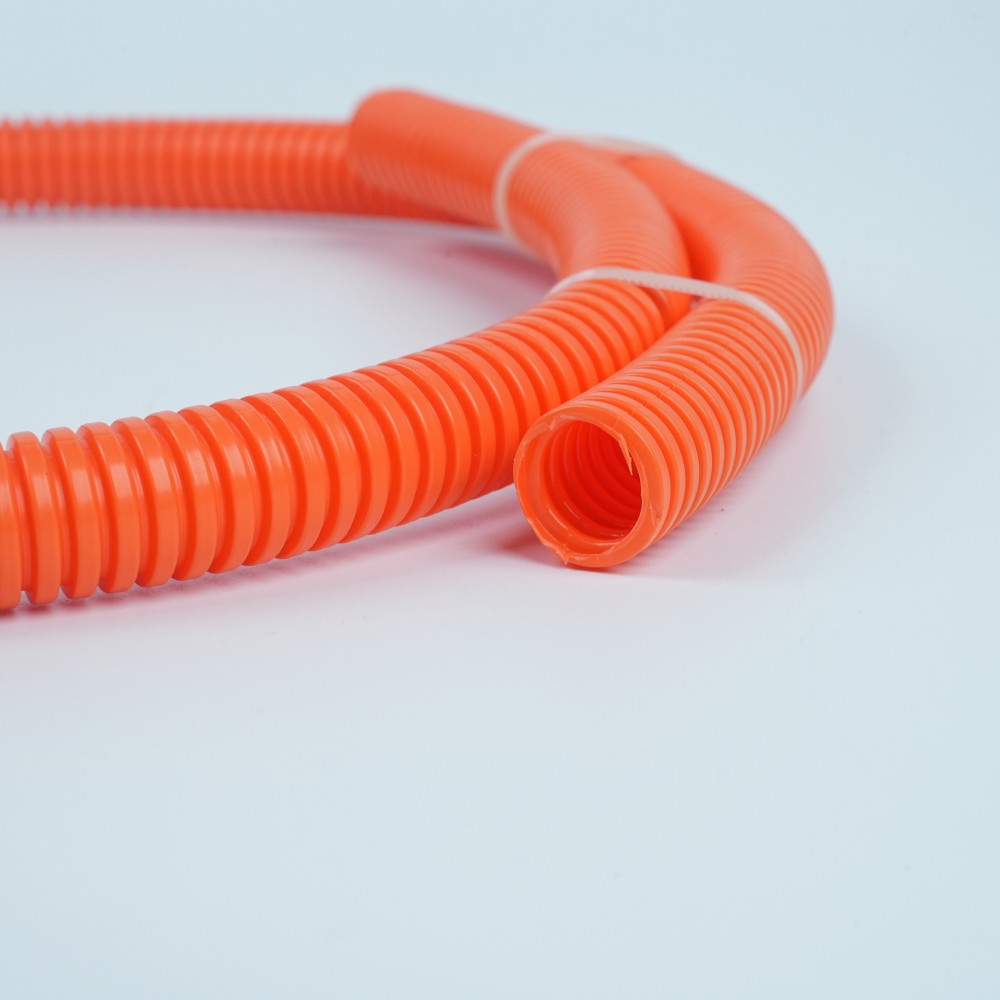
The process of choosing wire loom for branching applications requires careful evaluation of multiple factors including bundle diameter, environmental exposure, cable routing pathways, thermal requirements, chemical resistance, and installation constraints. Understanding how these elements interact helps engineers and procurement professionals specify conduit solutions that deliver protection where it matters most while remaining cost-effective and practical to assemble and maintain.
Understanding Wire Loom Conduit Requirements
Assessing Bundle Diameter and Flexibility
The first step in selecting wire loom conduit involves accurately measuring the outer diameter of the wire bundle at its thickest point, including all conductors, insulation layers, and shielding materials. Bundle diameter determines the minimum internal diameter required from your cable conduit solution to ensure wires can move freely without binding or crushing. Undersizing conduit creates tension during assembly, increases friction during maintenance operations, and accelerates insulation degradation over time.
Flexibility is equally important when cable routing must follow complex paths around engine blocks, chassis components, or tight mechanical assemblies. Rigid or semi-rigid conduit works well for straight runs, but branching harnesses typically require flexible solutions that bend around obstacles while maintaining protective coverage. Corrugated nylon and polyethylene wire loom options provide superior bend radius characteristics, allowing tighter turns without kinking or compromising structural integrity.
Environmental and Temperature Conditions
Environmental exposure directly shapes cable conduit material selection and performance expectations across different applications. Underhood automotive environments subject wire loom to extreme temperatures, vibration, hydraulic fluid splash, engine coolant aerosols, and ozone from engine emissions. Industrial manufacturing settings introduce thermal shock from cycle processes, steam contact, mechanical abrasion from moving machinery, and occasional chemical spray exposure during maintenance procedures.
Temperature rating becomes critical when cable routing passes through high-heat zones near engine manifolds, exhaust systems, or industrial heating equipment. Standard nylon wire loom typically handles continuous exposure up to 80–105°C, while flame-retardant polyester-based conduit extends ratings to 120–150°C in extreme thermal applications. Selecting inadequate thermal ratings causes conduit softening, contraction, and loss of mechanical protection, exposing inner conductors to external damage and contamination.
Material Selection and Cable Conduit Performance
Comparing Nylon, Polyester, and Specialty Compounds
Corrugated nylon represents the industry standard for general-purpose wire loom applications because it balances flexibility, abrasion resistance, cost efficiency, and ease of installation. Nylon conduit resists oils, solvents, and common automotive fluids effectively, maintains its protective structure across typical operating temperature ranges, and compresses predictably during routing and bundling operations. Cable conduit made from quality nylon grades provides consistent performance in most branching harness scenarios without premium pricing.
Flame-retardant polyester and specialty polymer blends become necessary when applications demand superior fire safety compliance, higher continuous temperature tolerance, or enhanced chemical resistance beyond standard nylon capabilities. These advanced cable conduit formulations undergo rigorous testing to meet aerospace, railway, and industrial safety certifications. The trade-off involves higher material costs, reduced flexibility in some formulations, and more specialized installation techniques that require worker familiarity with the product characteristics.
Flame Retardancy and Safety Compliance
Wire loom conduit flame retardancy directly influences safety performance during electrical faults, short circuits, or external fire exposure scenarios common in transportation and industrial facilities. Flame-retardant cable routing solutions self-extinguish after ignition sources are removed, preventing propagation of flames along harness bundles that could ignite surrounding materials or expose hazardous conductors. Regulatory standards like UL 224, UL 1685, and ISO 6722 specify minimum flame retardancy performance requirements for automotive and marine applications.
Specifying flame-rated wire loom conduit becomes mandatory when cable routing is installed in passenger compartments, engine bays with fuel system proximity, or industrial areas classified as fire-risk zones. Standard non-rated conduit may technically function mechanically but creates liability exposure and fails certification audits. Engineers must verify that selected cable conduit carries appropriate safety markings and test documentation before purchase and installation.
Cable Routing Techniques and Installation Efficiency
Planning Branch Points and Transition Zones
Effective cable routing for branching harnesses requires strategic planning of branch points where individual wire segments split from main bundles to reach different system components. These transition zones experience increased mechanical stress from bending, tension during assembly, and vibration-induced movement during operation. Selecting wire loom conduit with appropriate stiffness at branch points prevents excessive flexing that accelerates wire fatigue and loosens connections over time.
Cable conduit diameter typically increases gradually from branch endpoints back toward main harness runs, allowing smooth transitions and reducing stress concentration at connection points. This stepped-diameter approach prevents sharp bends and abrupt gauge changes that compromise protection coverage. Planning conduit configuration during harness design phase, rather than retrofitting after assembly begins, significantly reduces installation labor and improves long-term reliability performance.
Accessibility and Maintenance Considerations
Field maintenance technicians must access and service branching harnesses throughout product lifecycles without requiring complete harness removal or system shutdown. Wire loom conduit that provides easy wire access during routing enables faster troubleshooting, faster cable segment replacement, and faster connector service procedures. Split-loom or snap-open cable conduit solutions accelerate maintenance operations compared to continuous tubing that requires cutting and complete replacement after service completion.
Documenting conduit routing paths, branch locations, and cable identification markers within service manuals improves technician efficiency and reduces error rates during maintenance operations. Clear labeling of wire loom segments and branches prevents accidental damage during parts replacement and helps technicians understand the harness architecture quickly. Accessible cable routing that anticipates maintenance needs extends overall harness serviceable life and reduces warranty claims from field damage incidents.
FAQ
What is the ideal inner diameter tolerance for wire loom conduit in branching applications?
The wire bundle should fill approximately 50–65% of the cable conduit interior diameter, providing adequate clearance for wire movement during vibration and thermal cycling while maintaining protective coverage. This calculation ensures that wire loom accommodates component-to-component tolerances, manufacturing variations in insulation thickness, and minor wire repositioning during harness assembly without creating gaps that expose conductors. Most manufacturers specify minimum clearance of at least 10–15% of internal diameter around the wire bundle perimeter.
How do environmental contaminants affect cable routing performance?
Oils, coolants, and moisture infiltration into wire loom conduit accelerates corrosion of copper conductors, degrades insulation compounds, and promotes short circuits and ground faults over time. Cable conduit must seal branch openings and connection points to minimize contaminant ingress, particularly in underhood and marine environments where moisture and salt spray are constant exposure hazards. Regular inspection of conduit seals and replacement of compromised sections prevent catastrophic harness failures that can leave vehicles or equipment inoperable in the field.
What thickness of cable conduit is recommended for high-vibration industrial applications?
Wire loom conduit wall thickness should be at least 0.8–1.2 mm for applications experiencing continuous vibration or mechanical shock, providing adequate cushioning and abrasion resistance against repeated flexing and impact from surrounding components. Thinner conduit (0.4–0.6 mm) suffices for static routing paths with minimal movement, while thicker constructions (1.5–2.0 mm) become necessary for extreme environments combining high vibration, abrasion, sharp edges, and thermal cycling stress. Selecting appropriate thickness reduces wire damage claims and extends harness service life significantly.
 EN