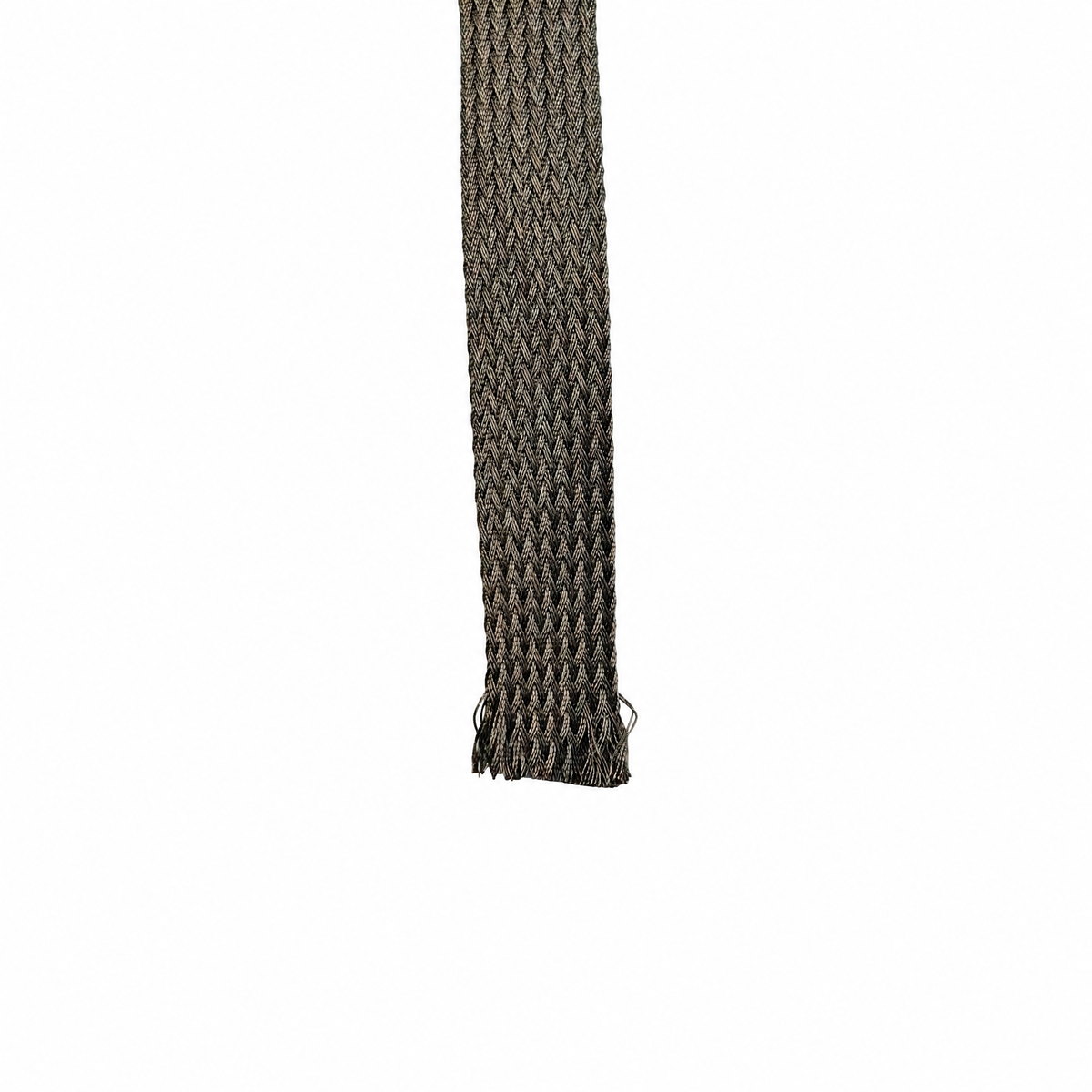
Selecting the correct wire harness sleeve is critical for protecting electrical systems in demanding thermal environments. In automotive wiring applications, engine compartments, industrial machinery, and aerospace systems, wires face extreme heat, mechanical stress, and chemical exposure that can degrade insulation and cause system failures. The right wire sleeving solution prevents costly downtime, safety hazards, and unexpected electrical faults by providing reliable thermal and abrasion resistance.
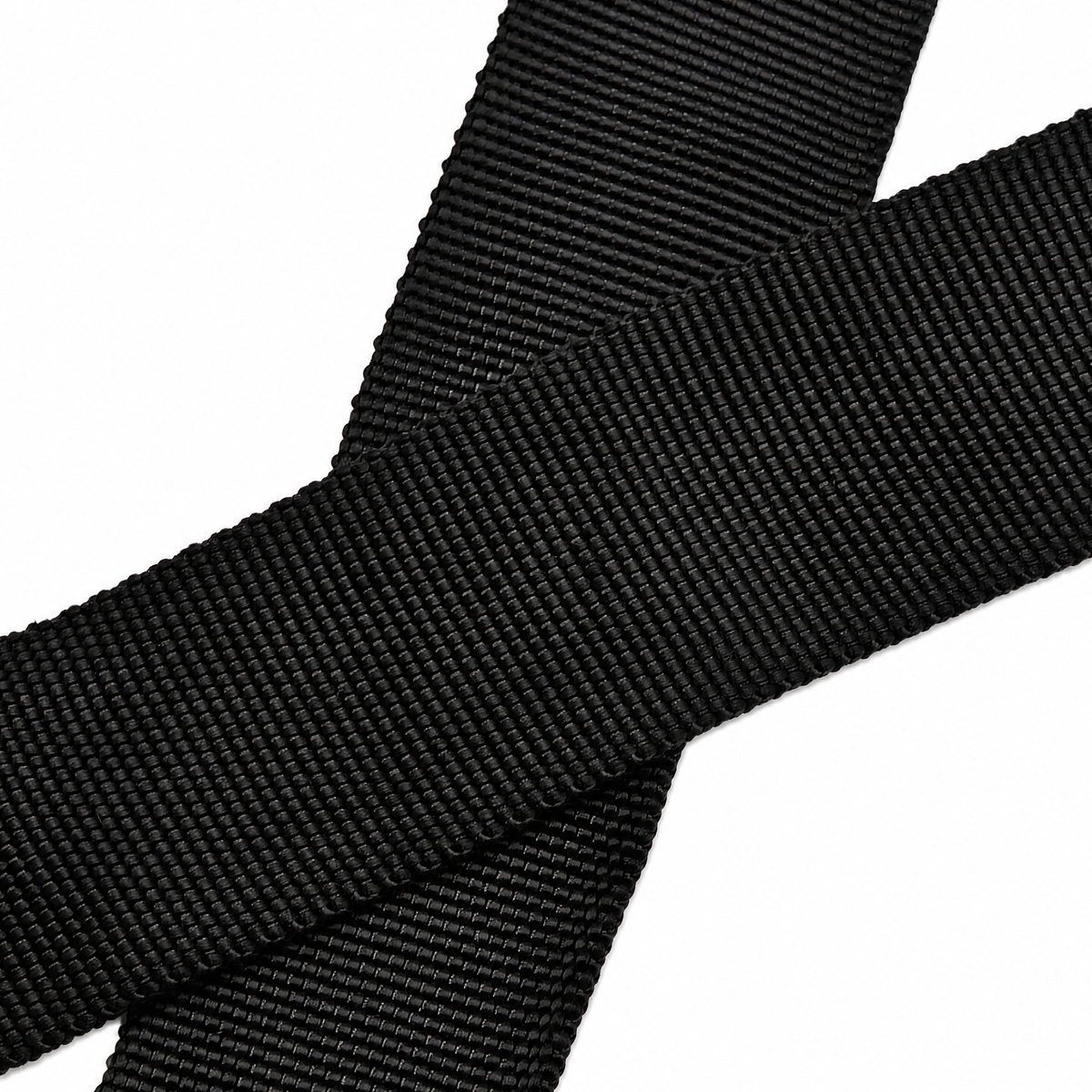
Choosing a wire harness sleeve involves evaluating material composition, temperature ratings, abrasion resistance properties, and compatibility with your specific system requirements. Different wire sleeving materials offer distinct advantages depending on your industry, operating environment, and budget constraints. This guide walks you through the essential factors that distinguish quality wire harness sleeve options and helps you make an informed decision aligned with your protection needs.
Understanding Temperature Requirements for Wire Harness Sleeve Selection
Assessing Continuous and Peak Temperature Exposure
Wire harness sleeve materials must withstand both continuous operating temperatures and temporary thermal spikes. Automotive wiring in engine bays typically experiences continuous temperatures of 120–150°C, with localized hot spots reaching 200°C or higher. Your wire sleeving choice must exceed your maximum anticipated temperature by at least 20–30% to ensure safety margins and long-term durability. Silicone-fiberglass sleeves commonly offer ratings of 250°C to 600°C, making them ideal for extreme high-temperature automotive wiring applications.
Matching Material Ratings to Application Zones
Different zones within a vehicle or machine experience different temperature profiles. Wire sleeving near exhaust manifolds demands higher thermal protection than wiring in cabin areas. Polyester braid wire sleeving works well for moderate temperatures up to 120°C, while high-performance silicone-based wire sleeving excels in zones exceeding 200°C. Assessing your precise thermal map ensures you select appropriate wire harness sleeve materials for each circuit segment rather than over-specifying across your entire system.
Evaluating Abrasion Resistance and Mechanical Durability
Protecting Against Physical Wear and Vibration Damage
Abrasion resistance determines how well wire sleeving withstands contact with sharp edges, moving parts, and vibration over time. Automotive wiring experiences constant vibration from engine operation, suspension movement, and road conditions that cause wires to shift inside wire harness sleeves. Without adequate abrasion resistance, the inner insulation degrades, exposing conductors and creating electrical faults or short circuits. Densely woven synthetic fibers and thick-walled silicone compounds provide superior abrasion resistance compared to thin braids or loose-weave sleeves.
Considering Environmental Stressors Beyond Temperature
High-temperature environments often combine thermal stress with chemical exposure, moisture, and UV radiation. Wire sleeving with excellent abrasion resistance resists degradation from these combined stressors, extending service life significantly. Silicone-infused fiberglass wire sleeving offers exceptional resistance to oils, coolants, and fuel vapors common in automotive wiring systems. Testing your wire harness sleeve candidate against your specific environmental profile ensures the material will maintain integrity throughout its intended service life.
Material Selection and Installation Considerations
Comparing Silicone Fiberglass, Polyester, and Aramid Wire Sleeving
Silicone-fiberglass wire sleeving dominates high-temperature automotive wiring applications because it combines excellent thermal ratings, superior abrasion resistance, and chemical compatibility. Polyester braid offers cost-effective wire sleeving for moderate-temperature environments but cannot match silicone's performance in extreme thermal zones. Aramid fibers provide outstanding abrasion resistance and tensile strength, making them suitable for applications involving mechanical flexing and high-vibration automotive wiring. Your budget, temperature requirements, and mechanical stress profile should guide your wire harness sleeve material selection.
Ensuring Proper Sizing and Installation Fit
Wire harness sleeve sizing directly impacts protection effectiveness and installation feasibility. Oversized wire sleeving allows wires to shift excessively, reducing friction control and abrasion protection. Undersized wire sleeving becomes difficult to install, risks damaging conductor insulation during application, and may restrict wire flexibility. Measure your wire bundle diameter accurately and select wire sleeving with an inner diameter approximately 10–20% larger than your combined wire thickness. Proper sizing ensures optimal abrasion resistance and long-term reliability for your automotive wiring or industrial application.
FAQ
What temperature rating should my wire harness sleeve handle?
Your wire harness sleeve should maintain a continuous temperature rating at least 30% higher than your maximum anticipated operating temperature. For automotive wiring in engine compartments, this typically means selecting wire sleeving rated for 250–350°C minimum, even if your actual exposure peaks at 180–200°C. This safety margin protects against thermal spikes, material degradation over time, and unexpected system changes. Always consult your equipment manufacturer's thermal specifications and test your wire sleeving choice under actual operating conditions when possible.
How does abrasion resistance affect wire harness sleeve longevity?
Abrasion resistance directly determines how long your wire harness sleeve protects underlying conductors before degradation exposes wires to short circuits or electrical faults. High-quality wire sleeving with dense weaving, thick walls, or reinforced silicone compounds maintains surface integrity against vibration, movement, and contact with sharp edges over thousands of operating hours. Poor abrasion resistance in wire sleeving creates pinhole failures, fraying, and internal wire damage within months, especially in high-vibration automotive wiring applications. Investing in superior abrasion resistance pays dividends through extended service life and eliminated unplanned maintenance.
Can I use the same wire sleeving for all automotive wiring zones?
Using uniform wire harness sleeve specifications across your entire automotive wiring system often leads to either over-specification in cool zones or under-protection in extreme zones. High-performance wire sleeving designed for 300°C peak temperatures adds unnecessary cost and weight if applied to cabin wiring operating at 80–100°C. Conversely, standard polyester wire sleeving fails quickly in exhaust-adjacent automotive wiring exposed to sustained 200°C+ temperatures. Optimal designs use zone-specific wire sleeving that matches each circuit's actual thermal and mechanical demands, balancing protection, cost, weight, and installability throughout your wiring harness.
 EN