Selecting the correct wire harness sleeve for cable bundles that move or shift during assembly is a critical decision that impacts both manufacturing efficiency and long-term product reliability. When cables flex, vibrate, or change position throughout the assembly process, inadequate cable protection can lead to insulation damage, short circuits, and costly field failures. The right sleeve choice ensures your harness withstands assembly movement while maintaining consistent performance throughout the vehicle's operational life.
Automotive wiring harnesses experience unique demands during assembly and installation. Cables bend around components, thread through tight spaces, and shift as subassemblies connect. Without proper cable protection, wires rub against sharp edges, panel corners, and metal brackets. This abrasion creates pinhole breaches in insulation that may not be visible during initial quality checks but develop into electrical faults under temperature cycling and vibration. Choosing a wire harness sleeve designed for dynamic applications ensures your assembly process maintains signal integrity and power delivery reliability.
Understanding Dynamic Cable Bundling Challenges
Movement Patterns in Assembly Operations
Modern manufacturing environments demand flexible harness designs that adapt to changing assembly workflows. Cables in automotive wiring systems frequently shift position as workers route them through engine bays, door frames, and interior panels. Each movement creates friction points where the sleeve must provide consistent cable protection without degrading. Standard rigid tubing cannot accommodate this movement, and unsupported cables quickly develop abrasion marks. A quality wire harness sleeve must flex repeatedly without fatigue while maintaining its protective barrier between the conductor and external hazards.
Environmental and Thermal Stresses
Cable bundles experience temperature extremes during both manufacturing and vehicle operation. Assembly areas with welding stations, painting ovens, and climate-controlled facilities create thermal cycling that stresses sleeve materials. Automotive wiring systems must endure engine compartment heat, underbody freezing conditions, and rapid thermal transitions. These environmental factors degrade inferior sleeves, causing brittleness, shrinkage, or loss of flexibility. Selecting a sleeve with proven abrasion resistance and thermal stability ensures long-term cable protection across the harness lifecycle, from assembly floor through years of vehicle operation.
Key Selection Criteria for Wire Harness Sleeve Materials
Abrasion Resistance and Durability Standards
Abrasion resistance is the primary performance metric when evaluating wire harness sleeve options. Industry standards such as SAE J2030 and ISO 1419 define abrasion resistance test protocols that measure sleeve performance under controlled rubbing conditions. A sleeve that resists abrasion protects your cable bundles against both sharp contact points and repeated flex cycles during assembly. Braided polyester and nylon constructions typically outperform solid-wall tubing because their woven structure distributes impact forces across multiple fiber pathways. When selecting a sleeve, verify that it has documented abrasion resistance ratings matching your automotive wiring assembly requirements and expected movement intensity.
Flexibility and Fit for Changing Configurations
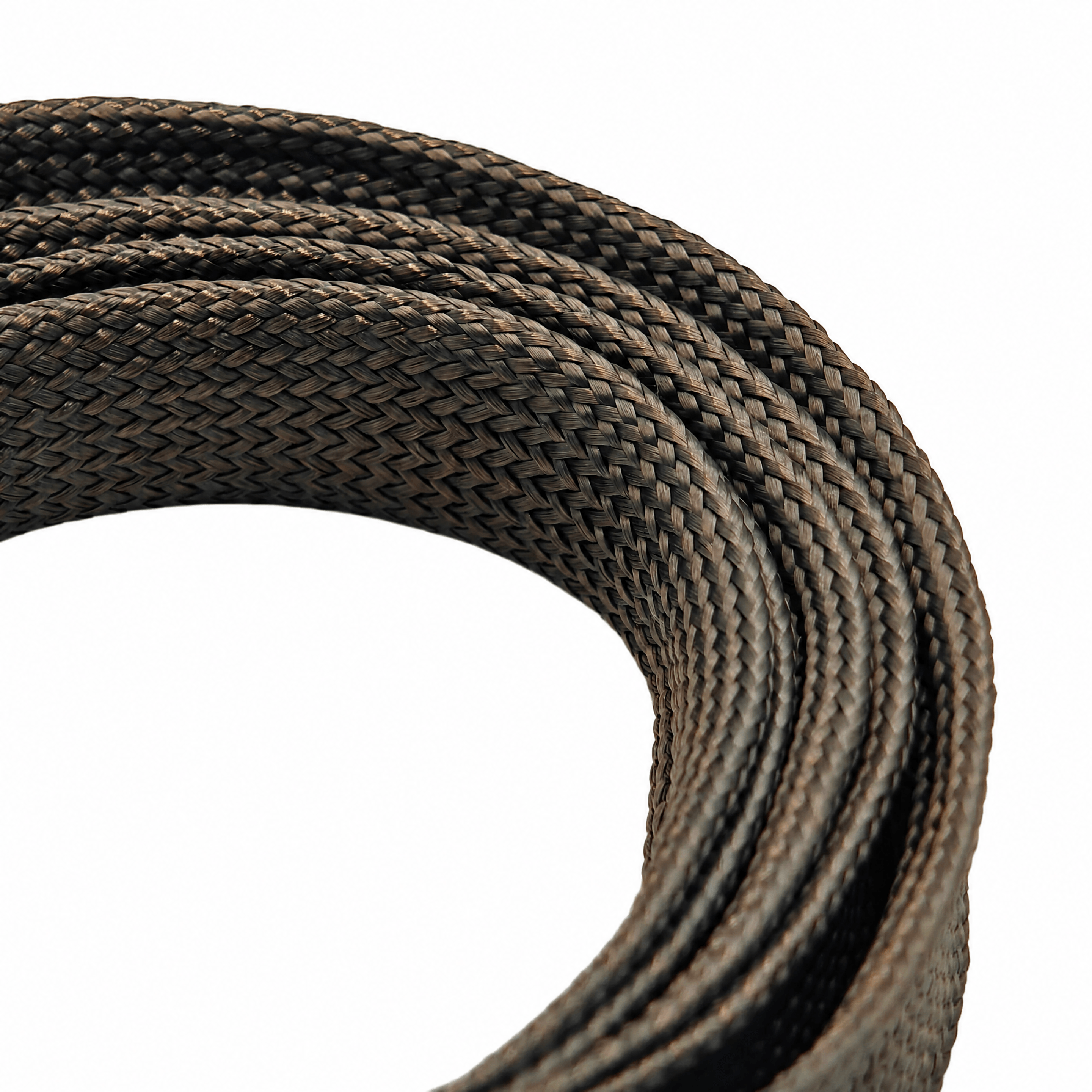
A wire harness sleeve must accommodate varying cable diameters and bundle sizes without slipping or creating stress points. As cables shift during assembly, the sleeve must maintain secure contact without crushing conductors or restricting signal transmission. Flexibility is especially critical for harnesses that route around corners, bend at sharp angles, or compress into tight spaces. Monofilament braided sleeves offer superior flexibility compared to solid options, allowing the weave to expand and contract as cable positions change. This adaptability reduces assembly time, minimizes cable handling damage, and ensures consistent cable protection throughout the product lifecycle.
Chemical and Flame Resistance Properties
Automotive environments expose cable bundles to oils, coolants, brake fluid, salt spray, and other corrosive substances that degrade inferior sleeve materials. A quality wire harness sleeve must resist chemical attack while maintaining mechanical properties even after prolonged exposure. Flame resistance is equally important, particularly for underhood applications where fuel vapor exposure is possible. Polyester and polyamide blended sleeves provide superior chemical stability and flame retardant performance compared to PVC or older textile options. Verify that your selected sleeve meets automotive specifications such as FMVSS 302 for flame resistance and demonstrates documented chemical compatibility with fluids present in your assembly environment.
Application Strategies for Dynamic Assembly Environments
Routing and Bundle Techniques
Proper routing of wire harness sleeve during assembly maximizes cable protection and minimizes handling damage. The sleeve should cover the entire section of cable that experiences motion or contact with hard surfaces. Avoid leaving gaps between sleeve segments, as exposed wire in transition zones defeats the purpose of cable protection. When cables bend sharply, use graduated sleeve sizes or transition sections to prevent stress concentration points. During assembly, ensure workers understand proper harness handling techniques to prevent sleeve migration or bunching that could leave conductors exposed. Training and clear assembly documentation ensure your cable protection strategy delivers consistent results across multiple production shifts and facilities.
Testing and Quality Verification
Quality assurance procedures must verify that your selected wire harness sleeve performs adequately under actual assembly conditions. Conduct flex testing that simulates the movement patterns your cables will experience during manufacturing and installation. Inspect sample harnesses for abrasion marks, insulation damage, and sleeve degradation after assembly completion. Document performance data to establish baseline expectations and identify potential process improvements. Testing validates that your cable protection choice delivers real-world reliability and helps justify material costs through reduced warranty claims and field failures. Schedule periodic testing as assembly processes change or new cable configurations are introduced.
FAQ
What is the difference between braided and spiral-wrap wire harness sleeve options?
Braided sleeves offer superior abrasion resistance and even coverage through interwoven fiber construction, while spiral-wrap provides flexibility for tight routing but may leave small gaps where cables can contact sharp edges. Braided construction is preferred for automotive wiring applications where cable protection and durability are critical. Spiral-wrap works well for less demanding applications or temporary bundling during assembly.
How do I determine if a wire harness sleeve has adequate abrasion resistance for my application?
Review the sleeve's abrasion resistance rating according to SAE or ISO standards, conduct flex testing with your actual cables and assembly equipment, and consult with your cable protection supplier about specific automotive wiring requirements. Request samples to perform hands-on evaluation under your manufacturing conditions before committing to volume production.
Can a single wire harness sleeve work across multiple cable bundle sizes in dynamic assembly operations?
Braided sleeves offer adjustable diameter ranges that accommodate minor size variations, but significant bundle size changes require different sleeve diameters to maintain proper cable protection and prevent slipping. Plan your harness design to minimize bundle size variation within single sleeve sections, or use graduated transitions between different sleeve sizes to maintain consistent abrasion resistance throughout your automotive wiring assembly.
 EN