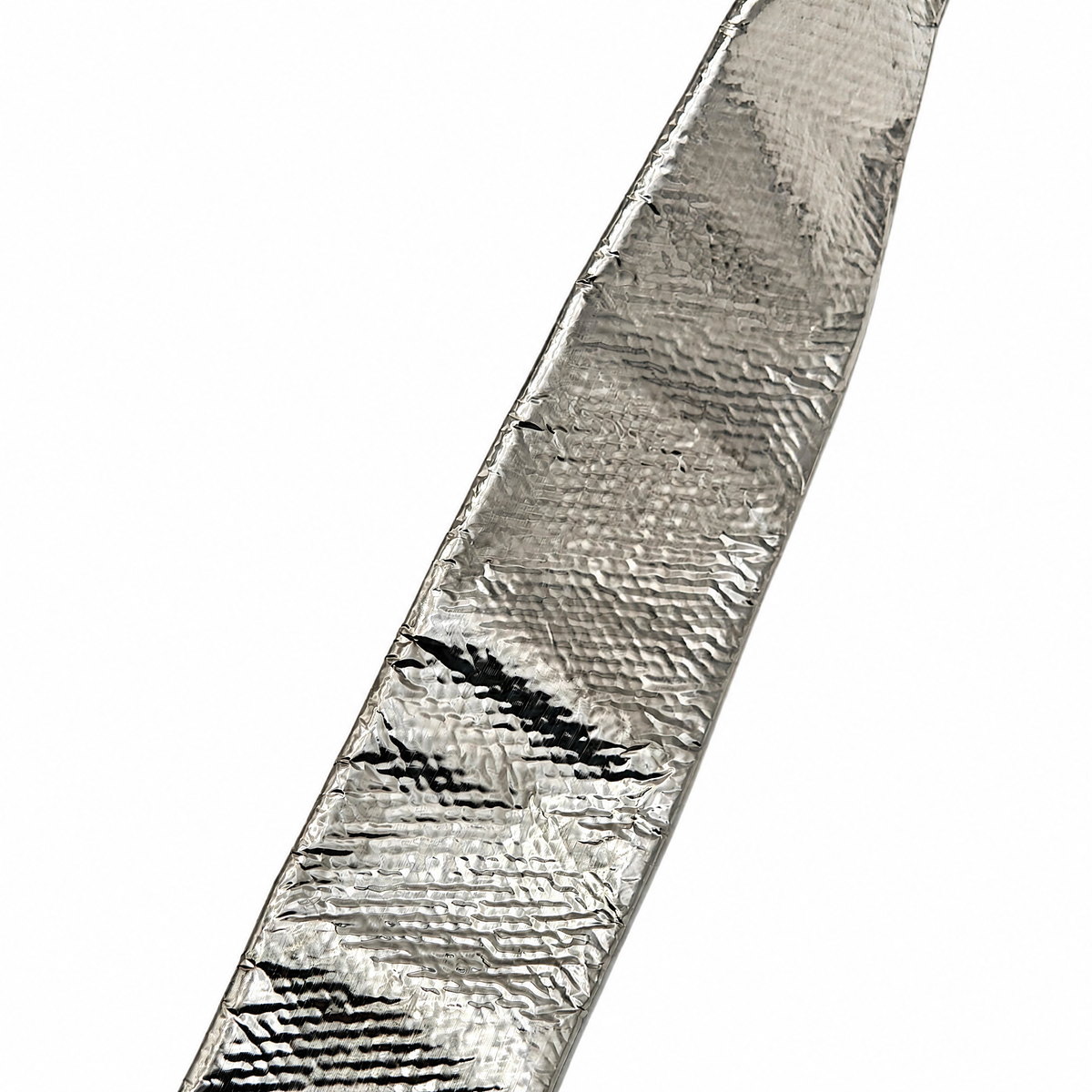
Selecting the appropriate wire harness sleeve is fundamental to ensuring reliable electrical protection in automotive applications. The right sleeve material, diameter, and construction directly impact the longevity and safety of your vehicle's electrical systems. Whether you are designing a new harness, upgrading an existing system, or troubleshooting protection failures, understanding the critical factors that define effective harness protection is essential for making an informed decision.
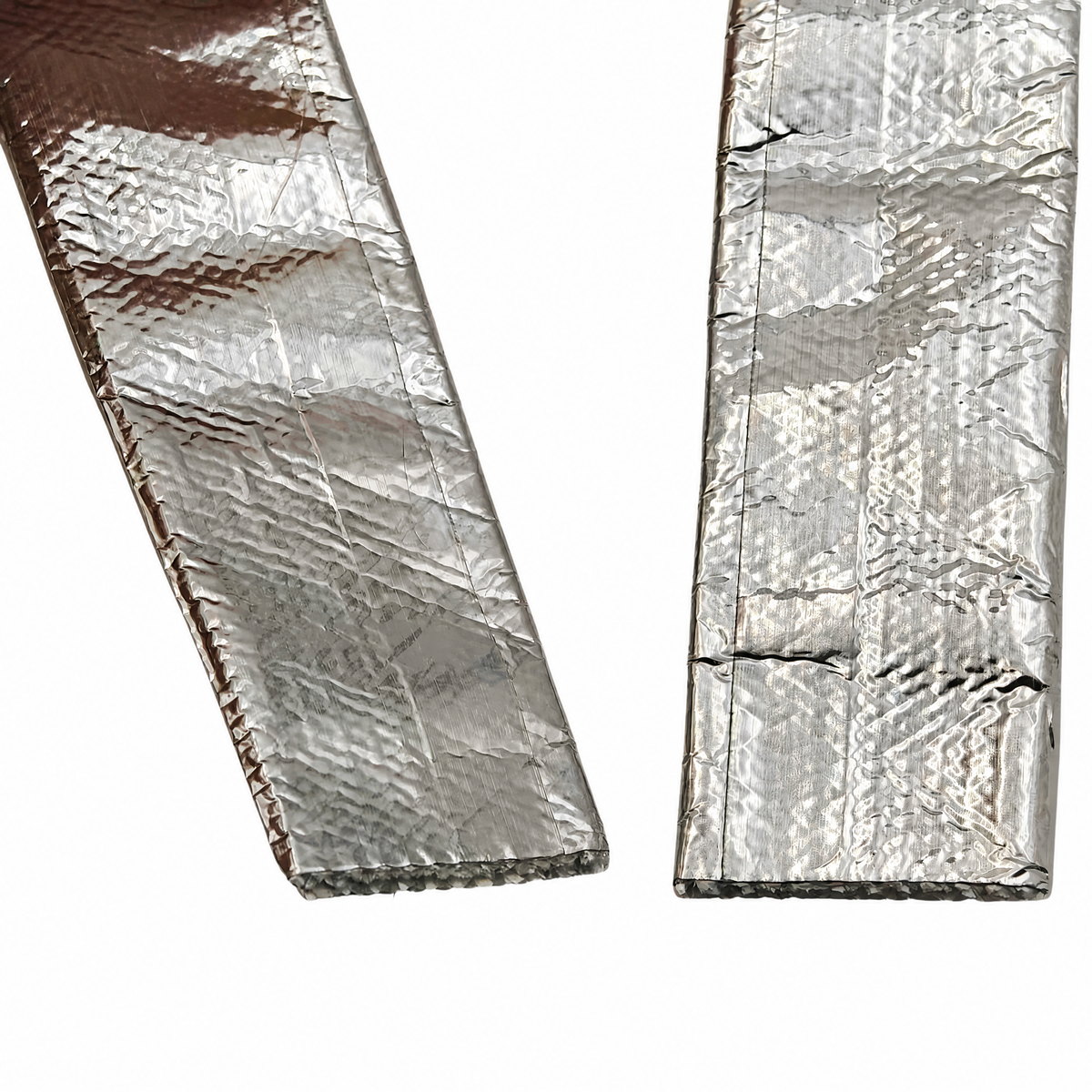
Automotive wiring harnesses are constantly exposed to mechanical stress, thermal cycling, moisture, and chemical exposure. A poorly chosen wire sleeving solution can lead to insulation degradation, electrical shorts, and costly downtime. By evaluating material properties, compatibility with your specific wiring gauge, and environmental conditions, you can select a harness protection solution that meets your exact operational requirements and exceeds industry reliability standards.
Understanding Material Properties for Harness Protection
Abrasion Resistance in Sleeve Selection
Abrasion resistance is one of the most critical properties to evaluate when selecting a wire harness sleeve. Automotive environments present constant friction from component vibration, thermal expansion, and mechanical movement. A sleeve with poor abrasion resistance will develop micro-tears and punctures over time, exposing the underlying wires to moisture and contaminants. Look for sleeves manufactured from nylon or polyester materials specifically engineered for high-abrasion environments, as these deliver superior protection during the vehicle's operational lifespan.
The abrasion resistance rating of a wire sleeving product is typically measured through standardized testing that simulates real-world friction conditions. Materials rated for high-performance abrasion resistance can withstand repeated flexing, rubbing against sharp edges, and contact with moving engine components without degradation. This durability directly reduces maintenance costs and prevents unexpected electrical failures that can leave drivers stranded.
Thermal and Chemical Compatibility
Beyond mechanical durability, your chosen wire harness sleeve must maintain its structural integrity across a wide temperature range. Automotive engine bays experience temperatures from below freezing during winter startup to over 100 degrees Celsius during peak operation. Premium harness protection materials remain flexible and maintain electrical insulation properties across this full spectrum. Additionally, sleeves must resist degradation from engine oils, coolants, and road salt exposure, which are inevitable in automotive environments.
Selecting the Right Wire Sleeving Configuration
Corrugated Versus Solid Sleeve Design
Wire sleeving comes in two primary configurations: corrugated and solid tube designs. Corrugated sleeves offer superior flexibility and ease of installation over existing harness bundles without requiring complete rewiring. The ridged structure provides excellent abrasion resistance while maintaining lightweight characteristics. Solid sleeves offer maximum protection in environments where extreme mechanical abuse is anticipated, but they require careful gauge matching and may necessitate harness routing adjustments during installation.
Corrugated wire sleeving is the industry standard for most automotive applications because it balances protection, flexibility, and installation efficiency. The helical corrugated design creates air pockets that provide thermal insulation while maintaining structural integrity under stress. For harness protection in engine compartments, corrugated nylon sleeves deliver the performance automotive engineers demand while simplifying assembly processes and reducing installation labor costs.
Flame Retardant Specifications
Automotive safety standards increasingly require flame retardant properties in all wire harness sleeve materials, particularly in engine compartments where fuel and flammable vapors may be present. Flame retardant wire sleeving slows the propagation of flames and prevents the sleeve material itself from becoming a fire accelerant. When evaluating harness protection options, confirm that your chosen sleeve meets automotive fire safety standards such as FMVSS 571.302 or equivalent regional requirements. Flame retardant construction adds minimal cost while dramatically improving vehicle safety and regulatory compliance.
Sizing and Installation Best Practices
Matching Sleeve Diameter to Wire Bundle Gauge
Proper sizing of your wire harness sleeve is essential for optimal harness protection and system performance. The sleeve inner diameter must accommodate your complete wire bundle without excessive compression, which can restrict voltage flow and generate heat. Conversely, sleeves that are oversized relative to the wire bundle leave gaps that defeat the protective purpose of the sleeving. Measure your existing or planned wire bundle diameter in millimeters and select a wire sleeving product with inner diameter specifications that accommodate this measurement plus 10 to 15 percent for thermal expansion and connector movement.
Under-sizing a wire harness sleeve creates excessive tension on individual wires and can cause insulation damage during installation or vehicle operation. Over-sizing reduces the abrasion resistance benefit because wires shift within the sleeve rather than maintaining consistent contact with the protective material. Professional installers use gauge selection charts provided by sleeve manufacturers to ensure each wire bundle receives appropriately sized harness protection that optimizes both safety and electrical performance.
Installation Environment and Routing Considerations
Before selecting a specific wire sleeving product, evaluate the physical environment where the sleeve will be installed. Identify potential sharp edges, moving components, and heat sources that could cause localized stress on your harness protection. Route the sleeved harness to maintain minimum bend radii specified by the manufacturer and avoid routing near exhaust systems or areas prone to fluid leaks. Planning the harness layout before selecting your wire harness sleeve ensures you choose a product with sufficient abrasion resistance and thermal rating for your specific installation conditions.
Environmental factors also influence sleeve selection for optimal harness protection. Underbody routing requires sleeves with superior moisture resistance and salt-spray durability. Interior cabin routing may prioritize flame retardant properties and aesthetic appearance. Engine compartment applications demand the highest abrasion resistance and thermal performance. By aligning your wire sleeving choice with actual installation conditions, you eliminate oversized specifications that increase cost without adding practical value.
FAQ
What abrasion resistance level do automotive wire sleeving applications typically require?
Most automotive wire harness sleeve applications require abrasion resistance sufficient to withstand 100,000 or more flex cycles without visible degradation. The specific abrasion resistance requirement depends on harness location, vibration intensity, and proximity to sharp edges. Engine compartment harnesses typically need higher abrasion resistance than interior cabin routing due to greater mechanical stress. Consult your vehicle's engineering specifications or supplier technical data to confirm the appropriate abrasion resistance level for your particular harness protection application.
Can I use the same wire sleeving product throughout an entire automotive harness?
While using a single wire sleeving product simplifies inventory and installation, different regions of an automotive harness may benefit from tailored harness protection solutions. Engine compartment harnesses require higher thermal and abrasion resistance, while interior harnesses may prioritize flame retardant properties and appearance. Some automotive manufacturers specify different wire harness sleeve materials for different harness sections to optimize performance and cost. Evaluate each harness section independently to determine whether a unified sleeving strategy or segmented approach delivers better overall harness protection and system reliability.
How do I verify that a wire harness sleeve meets automotive safety standards?
Check the sleeve manufacturer's technical documentation and certification records to confirm compliance with applicable automotive safety standards such as FMVSS 571.302 for flame resistance, SAE J20 for wire insulation, and ISO 6722 for automotive electrical systems. Request third-party test certificates that validate abrasion resistance, flame retardant properties, and thermal performance. Leading suppliers of automotive wire sleeving provide detailed specification sheets, safety data sheets, and compliance documentation to help engineers select harness protection products that meet or exceed required standards.
 EN