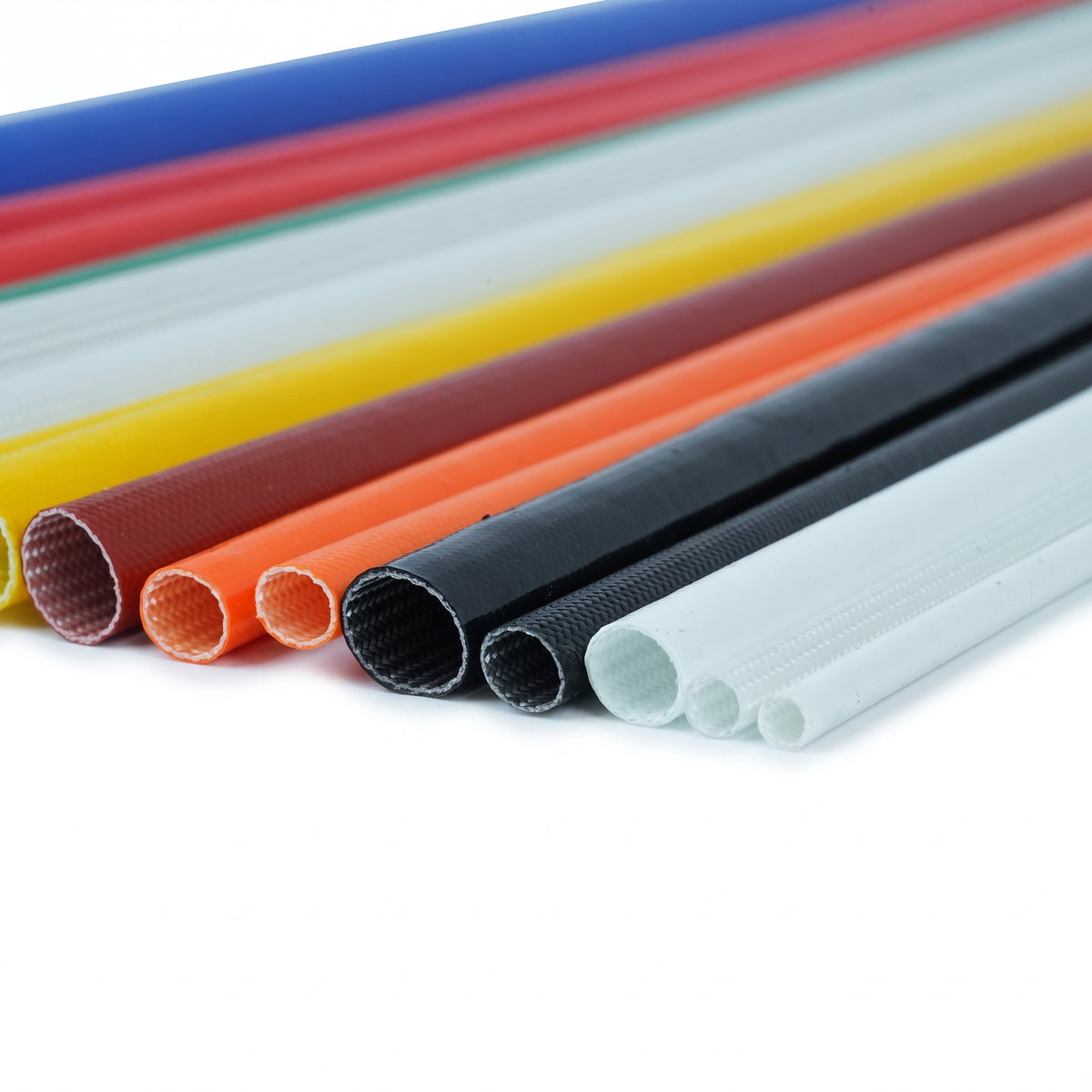
Selecting the right fiberglass sleeving for high-temperature environments requires understanding both material properties and operational demands. When equipment undergoes repeated service access cycles—such as maintenance procedures, component replacements, or diagnostic checks—the protective materials must withstand thermal cycling without degradation. High-temperature wire sleeve solutions protect critical conductors from heat damage, electrical contact, and environmental contamination while allowing technicians to access connections efficiently.
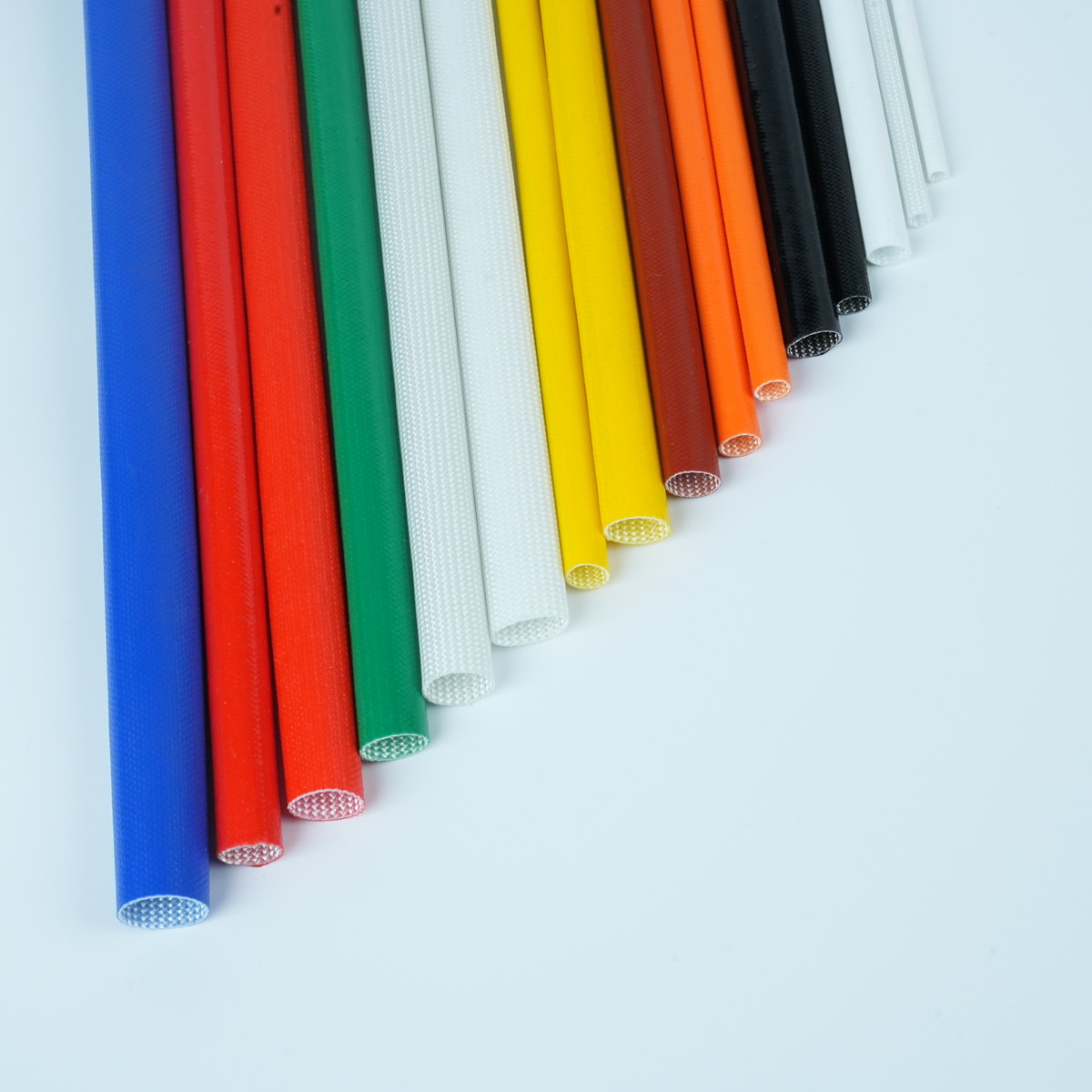
Industrial applications across automotive, aerospace, and manufacturing sectors depend on cable sleeving that maintains integrity through thousands of access cycles. The choice between standard materials and advanced electrical insulation depends on temperature range, thermal cycling frequency, mechanical stress, and budget constraints. This guide walks you through the key selection criteria for high-temperature wire sleeve materials and explains how to match protective solutions to your specific operational requirements.
Understanding High-Temperature Wire Sleeve Material Requirements
Temperature Range and Thermal Cycling Tolerance
High-temperature wire sleeve must handle continuous and intermittent thermal exposure without losing protective function. In automotive wiring harnesses, engine compartments regularly reach 120–150°C, while aerospace applications demand sustained performance at 200°C or higher. Repeated heating and cooling cycles cause material expansion and contraction; inferior cable sleeving fails through cracking, brittleness, or separation from the wire bundle.
Fiberglass sleeving excels in thermal cycling because the material maintains dimensional stability across wide temperature ranges. When selecting electrical insulation for repeated service access, verify the manufacturer's temperature rating includes a safety margin above your peak operating condition. A sleeve rated for 200°C should be used in applications reaching 180°C maximum, not at the material's limit.
Mechanical Durability During Access Operations
Service technicians routinely disconnect, route, and reposition wiring during maintenance. Cable sleeving must resist abrasion from tools, repeated flexing, and rough handling without splitting or unraveling. Fiberglass sleeving with proper weave density and resin composition resists mechanical wear that would otherwise expose conductors within weeks of repeated service cycles.
The durability of electrical insulation during high-frequency access operations depends on material resilience rather than thickness alone. A thin, tightly woven fiberglass sleeve often outperforms a thick, loosely constructed alternative because dense construction distributes stress and resists puncture. Technicians appreciate cable sleeving that remains flexible enough to slip over connectors without cracking during installation or removal.
Selecting Cable Sleeving for Specific Industrial Applications
Automotive Wiring and Engine Bay Protection
Automotive wiring harnesses face extreme thermal, chemical, and mechanical challenges. Engine bay temperatures fluctuate rapidly, oil and coolant exposure degrades many polymers, and vibration-induced abrasion threatens unprotected conductors. High-quality cable sleeving in automotive applications must resist petroleum products while maintaining electrical insulation integrity through the vehicle's service life.
Fiberglass sleeving with silicone or phenolic resin binding provides superior oil and heat resistance compared to standard nylon or cotton alternatives. When technicians access wiring for diagnostic work, emission testing, or component replacement, the protective electrical insulation must remain intact and ready for repeated disconnections. Material selection directly impacts warranty compliance and vehicle reliability.
Industrial Equipment and High-Frequency Service Access
Manufacturing equipment, power generation systems, and process control installations often require frequent wiring adjustments. Cable sleeving in these environments must tolerate steam, chemical vapors, and thermal shock while enduring dozens of annual service interventions. High-temperature wire sleeve materials that fail under these conditions create safety hazards and production downtime.
Electrical insulation solutions for industrial applications benefit from fiberglass sleeving because the material maintains its protective properties through extended service intervals. Unlike lower-cost alternatives that degrade after a few thermal cycles, premium fiberglass sleeving preserves both mechanical strength and insulation performance across the equipment's operational lifetime. This durability reduces maintenance costs and improves safety compliance.
Evaluating Cable Sleeving Performance and Installation Considerations
Testing Standards and Performance Verification
Reputable cable sleeving products meet industry testing standards that validate thermal performance, mechanical strength, and electrical insulation properties. Look for materials tested to UL, IEC, or automotive standards relevant to your application. Fiberglass sleeving rated for high-temperature service typically carries certifications confirming breakdown voltage, thermal cycling endurance, and flame resistance ratings.
Before committing to large-scale deployment, evaluate sample cable sleeving under conditions matching your actual service environment. Thermal cycling tests and mechanical flexing trials reveal whether electrical insulation will maintain integrity through repeated access operations. Performance data from the manufacturer should document behavior under conditions matching your peak temperature, cycling frequency, and mechanical stress profile.
Installation Best Practices for Repeated Service Access
Proper installation extends high-temperature wire sleeve lifespan and ensures consistent electrical insulation protection. Fiberglass sleeving should cover all exposed conductors without gaps that expose wire to thermal or chemical damage. During initial installation, confirm that cable sleeving sits smoothly without bunching, twisting, or compression that would create weak points.
For applications requiring frequent service access, label or color-code cable sleeving to help technicians identify wire functions quickly. This practice reduces connection errors and minimizes time wires remain exposed during diagnostics or replacement procedures. Pre-cut fiberglass sleeving sections sized to match your specific wire bundle geometry prevent over-stretching and ensure consistent electrical insulation coverage across repeated service cycles.
FAQ
What temperature range should high-temperature wire sleeve materials support for automotive applications?
Automotive engine compartments typically reach 120–150°C during normal operation. High-quality automotive wiring protection should use cable sleeving rated for at least 180–200°C continuous temperature, providing a safety margin above peak conditions. Fiberglass sleeving with appropriate resin binding easily meets these requirements while maintaining electrical insulation integrity through thermal cycling.
How does fiberglass sleeving compare to alternative cable sleeving materials for high-temperature service?
Fiberglass sleeving outperforms nylon, cotton, and basic polymer alternatives in thermal stability and mechanical durability. While synthetic materials may fail after 10–20 thermal cycles in demanding environments, quality fiberglass sleeving maintains electrical insulation properties through thousands of cycles. The higher initial cost of premium fiberglass cable sleeving is offset by extended service life and reduced replacement frequency in high-access-frequency applications.
Can standard electrical insulation materials handle repeated service access without degradation?
Standard electrical insulation materials often lack the durability required for frequent technician access and thermal cycling. Each disconnection, repositioning, and reconnection stresses cable sleeving through mechanical flexing and potential pinching. High-temperature wire sleeve solutions using fiberglass construction resist these repeated stresses far better than commodity alternatives, ensuring protection remains intact through the equipment's operational life.
 EN