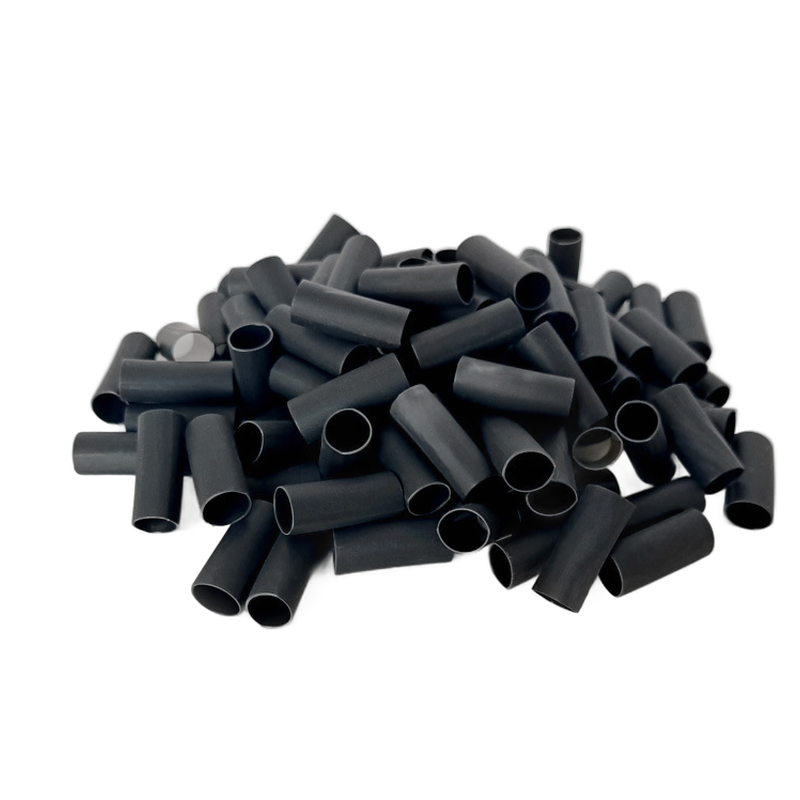
Selecting the right heat shrinkable tube for high-temperature wire protection requires understanding material properties, temperature ratings, and application demands. In industrial wiring environments where electrical components face extreme heat, moisture, and mechanical stress, the wrong choice can lead to insulation failure, safety hazards, and costly downtime. This guide walks you through the critical factors that determine whether a heat shrink tubing solution will perform reliably in your specific application.
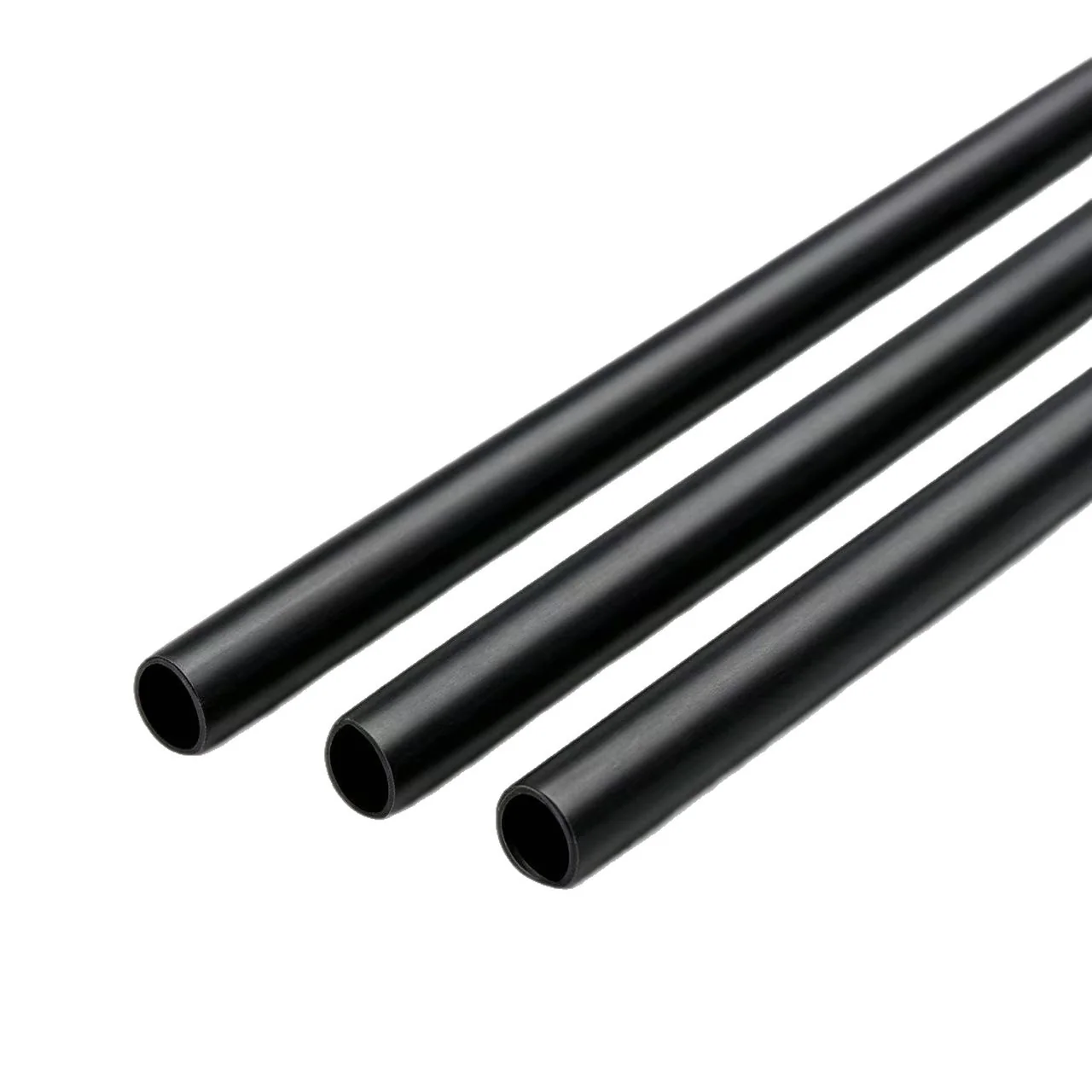
High-temperature wire protection depends on multiple interconnected variables: shrink ratio, wall thickness, material chemistry, and adhesive formulation. A comprehensive selection process ensures that your heat shrink tubing maintains electrical and mechanical integrity across the full range of operating conditions your industrial wiring system will encounter. Understanding these variables empowers you to make confident purchasing decisions and avoid compatibility issues downstream.
Understanding Material Options for Heat Shrink Tubing
Fluoropolymer-Based Solutions
Fluoropolymer materials like PTFE and FEP deliver exceptional thermal stability for extreme-temperature industrial wiring applications. These materials resist degradation at temperatures exceeding 200°C and maintain their dielectric properties in harsh chemical environments. Fluoropolymer heat shrink tubing exhibits low permeability to moisture, making it ideal for environments with high humidity or direct liquid exposure. The inherent smoothness of these materials also reduces friction during installation around delicate wire bundles.
Polyolefin and Cross-Linked Variants
Standard polyolefin heat shrink tubing offers cost-effectiveness for moderate-temperature applications, typically rated to 120°C or 135°C. Cross-linked polyolefin formulations extend thermal performance to approximately 150°C, providing a middle ground between basic polyolefin and premium fluoropolymer options. For industrial wiring where temperature demands fall below 150°C, cross-linked polyolefin delivers adequate protection at lower material cost. However, polyolefin variants lack the chemical resistance of fluoropolymer alternatives in harsh environments.
Evaluating Dual Wall and Adhesive Performance
Dual Wall Construction Benefits
Dual wall heat shrink tubing combines an outer polymer layer with an inner melt-adhesive layer that activates during the shrinking process. This dual wall design creates a sealed barrier that protects against moisture, dust, and contaminant ingress around wire connections and splice points. The inner adhesive layer also provides mechanical reinforcement and improved abrasion resistance compared to single-wall alternatives. For industrial wiring in wet or chemically aggressive environments, dual wall construction becomes a critical specification rather than an optional upgrade. The sealed interface eliminates gaps where corrosion could initiate around stressed wire areas.
Adhesive Selection and Shrink Dynamics
Hot-melt adhesive formulations used in dual wall heat shrink tubing vary in activation temperature and flow characteristics. Premium adhesives activate at moderate temperatures, minimizing thermal stress on underlying wire insulation while ensuring complete seal formation. The adhesive must flow sufficiently to cover irregular wire surfaces and connection geometries without leaving voids. Testing adhesive compatibility with your wire insulation material prevents unwanted interaction or weakening of the underlying insulation layer. For high-temperature industrial wiring applications, adhesive thermal stability must match or exceed the shrink tube's outer material rating.
Sizing, Shrink Ratio, and Installation Considerations
Correct Diameter Selection
Heat shrink tubing is defined by its inner diameter before shrinking and its shrink ratio—typically 2:1 or 3:1. A 2:1 shrink ratio means the tube shrinks to half its original diameter when heated, while 3:1 tubes shrink to one-third their expanded size. Selecting the correct pre-shrunk diameter ensures the tube grips the wire firmly without excessive compression that could damage underlying insulation. For industrial wiring bundles, over-sizing the pre-shrunk diameter compromises the sealing effectiveness and allows the tube to slide or shift under vibration. Under-sizing forces excessive tension during shrinking, risking insulation damage or incomplete coverage.
Installation and Temperature Control
Proper installation of heat shrink tubing requires controlled heating to achieve uniform shrinking without scorching or deformation. Industrial wiring professionals typically use heat guns, ovens, or infrared tools to deliver consistent thermal energy across the tube's entire surface. Uneven heating can create wrinkles, incomplete adhesive bonding, or localized weakness in the sealed barrier. The activation temperature window for adhesive flow must align with the heating method available in your facility. Thermal cycling resistance of your selected heat shrink tubing ensures long-term performance as industrial wiring systems experience daily temperature fluctuations.
FAQ
What temperature rating should industrial wiring heat shrink tubing meet?
The temperature rating must exceed your application's maximum continuous operating temperature by at least 20–30°C as a safety margin. For high-temperature environments above 150°C, specify fluoropolymer-based heat shrinkable tube materials rated to 200°C or higher. Always reference both the continuous temperature rating and the short-term peak temperature tolerance to ensure compliance with your equipment's thermal profile.
Does dual wall heat shrink tubing always provide better sealing than single-wall alternatives?
Dual wall construction with proper adhesive activation delivers superior sealing against moisture and contaminants compared to single-wall tubes in most industrial wiring applications. However, the sealing effectiveness depends on correct sizing, complete adhesive flow, and uniform heating during installation. Single-wall heat shrink tubing may suffice for dry indoor environments where moisture ingress is not a concern, but dual wall remains the preferred choice for mission-critical wiring protection.
How do shrink ratios affect the selection of heat shrink tubing for wire bundles?
Higher shrink ratios such as 3:1 allow coverage of wider diameter variations within a single tube size, offering flexibility for bundled conductors with irregular profiles. A 2:1 shrink ratio provides tighter gripping force and better sealing for uniform, consistent wire diameters. For industrial wiring applications combining varied conductor sizes, 3:1 ratio heat shrink tubing simplifies inventory management while maintaining protective performance across the bundle.
 EN