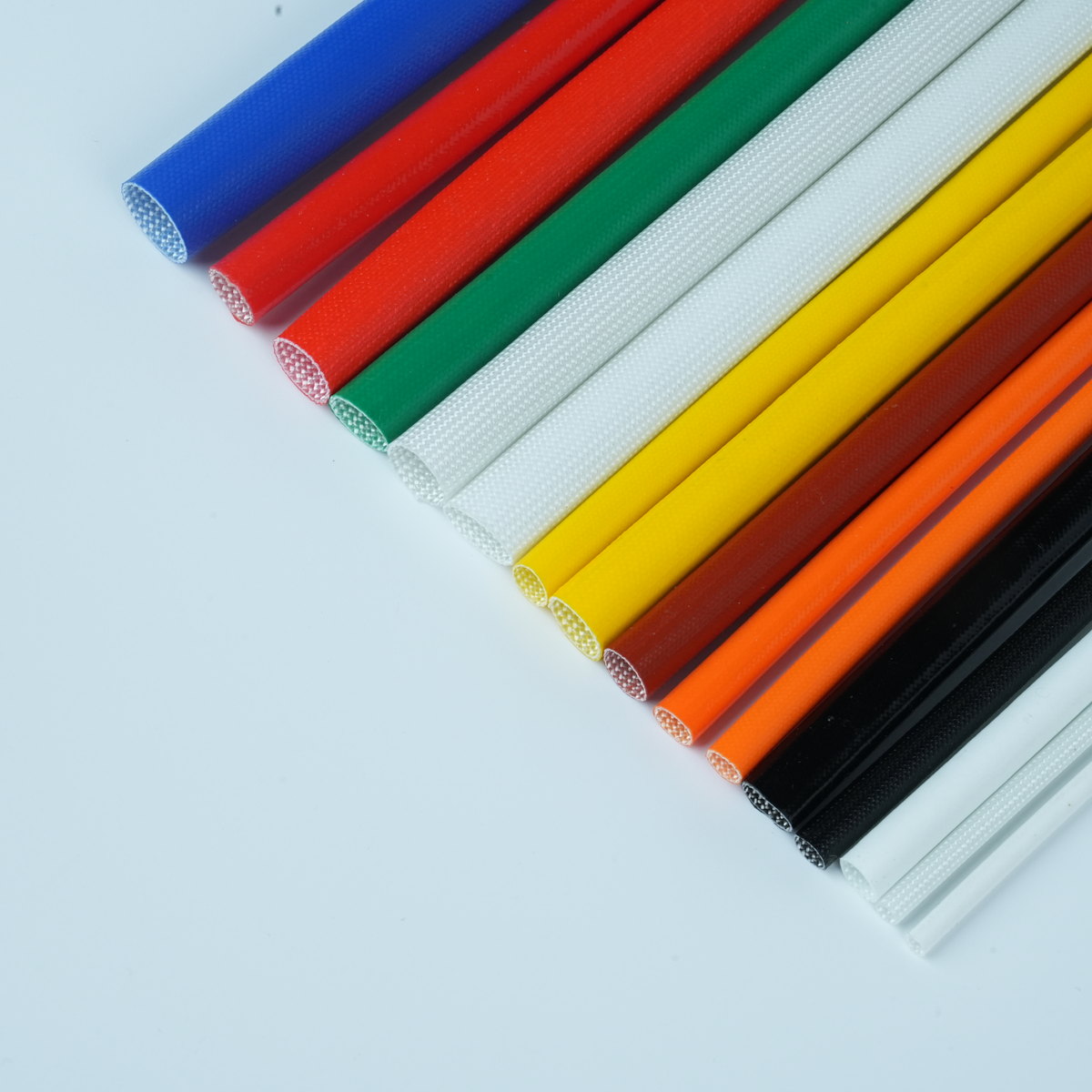
Selecting the appropriate fiberglass sleeving for tight routing spaces requires careful consideration of multiple technical factors. When cables, wires, and hoses must navigate through confined areas—such as engine compartments, industrial equipment frames, or compact junction boxes—the choice of protective sleeving becomes critical to both safety and performance. Tight routing spaces present unique challenges that standard sleeving solutions may not adequately address, making it essential to understand which specifications matter most.
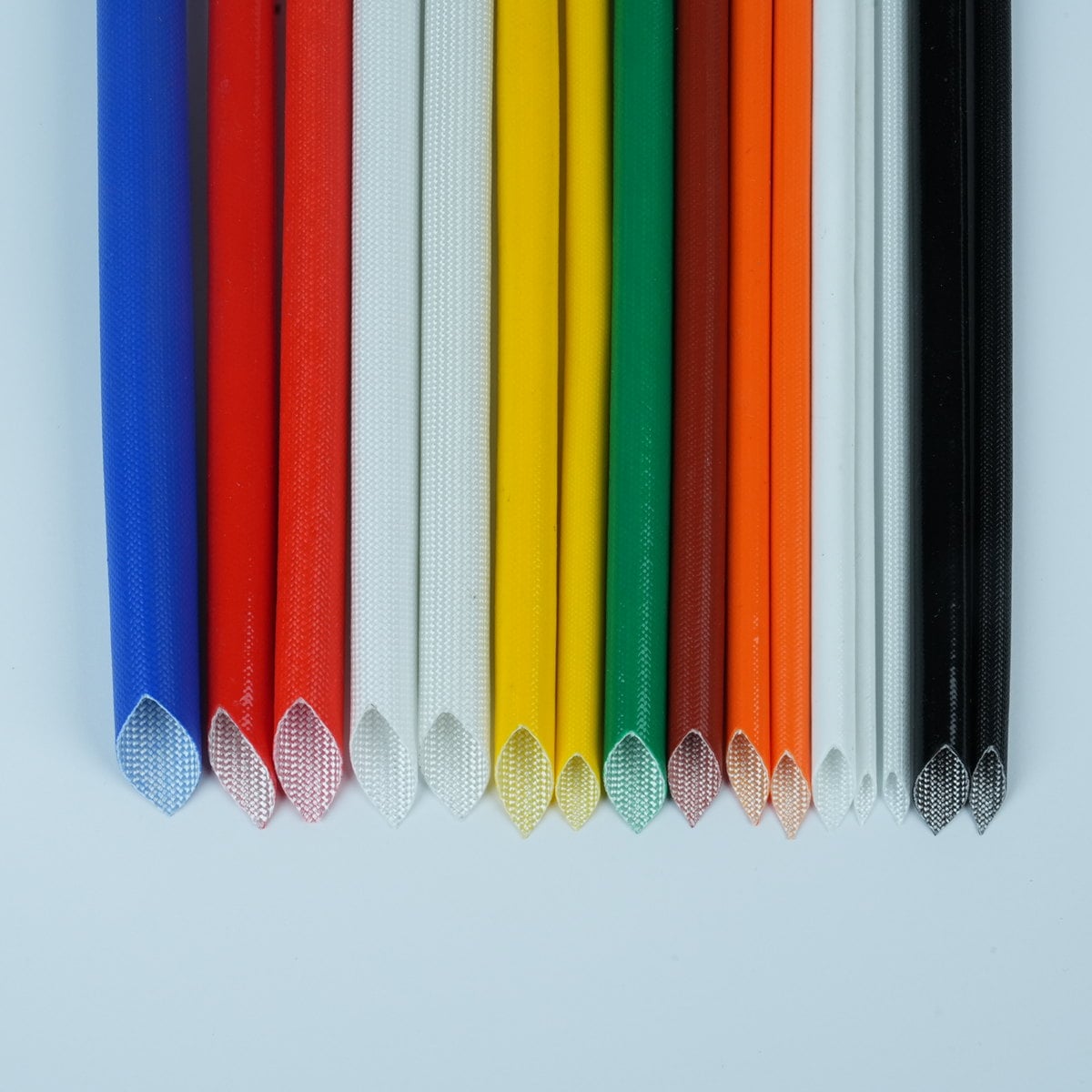
The right fiberglass sleeving solution balances heat resistance, durability, and flexibility while fitting within spatial constraints. Many engineers overlook how material composition directly impacts both installation feasibility and long-term reliability in confined applications. Understanding the core characteristics that define premium sleeving helps you avoid costly mistakes and ensure your wire protection strategy supports operational excellence in demanding environments.
Understanding Material Specifications for Confined Spaces
Core Properties That Matter in Tight Routing
Fiberglass sleeving designed for tight routing must meet specific performance criteria that distinguish it from general-purpose alternatives. Heat resistance forms the foundation of reliable protection, particularly in environments where temperature fluctuations or sustained heat generation occur near routed wires. High temperature insulation capabilities ensure that the sleeving maintains structural integrity and protective function even when exposed to elevated thermal conditions, preventing degradation and maintaining consistent performance over years of operation.
Wall thickness and internal diameter coordination determine whether sleeving can actually fit within your confined space without binding or creating installation bottlenecks. Many specification sheets emphasize nominal diameter but fail to clarify actual installation clearance. Wire protection depends equally on material composition, weave density, and resilience—properties that affect how well the sleeving cushions against abrasion, sharp edges, and mechanical stress common in tight quarters where movement or vibration may occur.
Flexibility and Compressibility Factors
Flexibility directly correlates with installability in constrained environments. Rigid or stiff sleeving becomes impractical when routing through angles, curves, or pre-established cable paths. Premium fiberglass sleeving maintains sufficient pliability to navigate tight bends without requiring heat treatment or specialized installation equipment, reducing labor costs and installation time. Compressibility—the material's ability to compress slightly during installation and then recover to protective form—allows sleeving to accommodate minor diameter variations in wire bundles or cable assemblies without gaps that could compromise wire protection.
Dimensional stability matters significantly in applications where temperature fluctuations cause expansion or contraction. Sleeving that shrinks excessively under heat or becomes brittle at low temperatures creates vulnerabilities that defeat the purpose of routing through protective barriers. High-quality fiberglass formulations maintain consistent dimensions across operating temperature ranges, ensuring continuous wire protection without periodic replacement or adjustment requirements.
Selection Criteria for Specific Tight-Space Scenarios
Assessing Your Routing Environment
Begin by mapping the exact path your cables or wires must follow, paying particular attention to bend radii, confined sections, and proximity to heat sources. Measure internal clearances in junction boxes, around equipment frames, and through any channel systems where sleeving must fit. This physical assessment reveals the maximum outer diameter your sleeving can accommodate while still allowing safe installation and removal if future maintenance becomes necessary. Many projects encounter unexpected bottlenecks during installation because selection relied on nominal specifications rather than field measurements.
Identify heat sources within the routing path, including exhaust components, electrical equipment generating operational heat, or environmental conditions like direct sunlight in outdoor installations. This analysis determines the minimum heat resistance rating your fiberglass sleeving must provide. High temperature insulation becomes non-negotiable in automotive engine bays, industrial machinery environments, or applications where sustained temperatures exceed 80 degrees Celsius regularly.
Wire Bundle Composition and Compatibility
The diameter and flexibility of your wire bundle directly influence which fiberglass sleeving specifications will work effectively. Rigid bundles require less compressibility but may need sleeving with better abrasion resistance if the bundle itself has sharp edges or rigid components. Flexible wire bundles benefit from sleeving that compresses easily during installation but maintains structural integrity once positioned.
Consider whether your wires or cables carry power, signal transmission, or both, as this affects voltage compatibility and potential electromagnetic interference concerns. Certain high-temperature insulation materials provide superior shielding properties alongside heat resistance. Verify that your chosen fiberglass sleeving doesn't interact adversely with wire insulation materials—some synthetic rubbers or plastics can degrade if exposed to sleeving compounds or treatments, particularly under elevated temperature conditions.
Implementation Best Practices for Confined Routing
Preparation and Pre-Installation Assessment
Before committing to full-scale installation, test your selected fiberglass sleeving on a sample section of your routing path. This trial run reveals practical challenges—unexpected friction points, compression limits, or angle issues—that specifications alone cannot predict. Measure how much the sleeving compresses during installation and confirm it recovers adequately to provide intended wire protection once positioned.
Ensure your sleeving length calculations include sufficient margin for natural shrinkage during installation and temperature cycling. High temperature insulation performance depends partly on maintaining complete coverage, so undercutting length estimates creates vulnerabilities where exposed wire sections lose protection. Add 2–3% to calculated lengths as a practical safety margin, accounting for compression during installation and minor adjustment requirements.
Installation Techniques in Tight Spaces
Use split-type or open-design fiberglass sleeving whenever routing possibilities permit, as these accommodate thicker wire bundles and reduce installation difficulty significantly. If full-tube sleeving is necessary, employ pilot wires or installation strings to thread cables through beforehand, preventing the sleeving itself from catching on internal obstacles or sharp edges. This technique maintains wire protection integrity while reducing installation labor and minimizing risk of wire damage during threading.
Heat shrink techniques can enhance connection security at sleeving endpoints, particularly in vertical or vibration-prone applications where movement might otherwise dislodge protective coverage. Apply heat carefully to avoid damaging underlying wire insulation, particularly when working with older or temperature-sensitive wire jacketing materials. Proper endpoint sealing prevents moisture ingress and maintains complete wire protection throughout the operational lifespan.
Verification and Maintenance Considerations
After installation, visually inspect the entire routing path to confirm continuous coverage and proper positioning of your fiberglass sleeving. Pay particular attention to areas where the path changes direction or passes through structural features, as these high-stress zones require extra scrutiny. Verify that heat resistance conditions remain adequate—sleeving near heat sources should feel warm but not excessively hot to touch during equipment operation.
Schedule periodic inspections, particularly in applications involving high vibration, temperature cycling, or demanding environmental exposure. High temperature insulation materials generally maintain effectiveness for years, but abrasion or environmental degradation can create protective gaps over extended service periods. Documenting installation details and inspection findings supports preventive maintenance and helps troubleshoot electrical or mechanical issues that may arise if wire protection becomes compromised.
FAQ
How does fiberglass sleeving compare to silicone or other synthetic alternatives for tight spaces?
Fiberglass sleeving offers superior heat resistance and dimensional stability compared to many synthetic alternatives, making it ideal for high temperature insulation requirements. Silicone sleeving provides greater flexibility but typically costs more and may not perform as reliably in extreme temperature environments. For tight routing applications where both compressibility and heat resistance matter, fiberglass delivers excellent value. Wire protection quality remains consistent across temperature ranges, and installation difficulty generally remains manageable even in confined spaces when proper techniques are employed.
What minimum heat resistance rating should I specify for my routing environment?
Select sleeving rated at least 20–30 degrees Celsius above the maximum sustained temperature your routing path will experience. If ambient conditions reach 80 degrees Celsius, specify sleeving with heat resistance to 110 degrees Celsius minimum. High temperature insulation ratings typically range from 100 to 260 degrees Celsius depending on material composition. Review manufacturer specifications carefully, as rating terminology varies—continuous-use ratings differ from intermittent-peak tolerances, and selecting appropriate classifications prevents installation of underperforming materials.
Can standard fiberglass sleeving work in very confined spaces, or do I need specialty products?
Standard fiberglass sleeving often works adequately if your space permits diameters matching available specifications. However, extremely confined routing frequently requires specialty formulations—thinner-wall designs, split-type configurations, or low-profile variants that maintain heat resistance while reducing overall thickness. Wire protection effectiveness depends on complete coverage, so specialty sleeving that actually fits your space properly outperforms oversized standard alternatives that cannot be installed properly. Evaluate space constraints first, then select sleeving specifications matching those requirements rather than forcing standard products into incompatible applications.
 EN