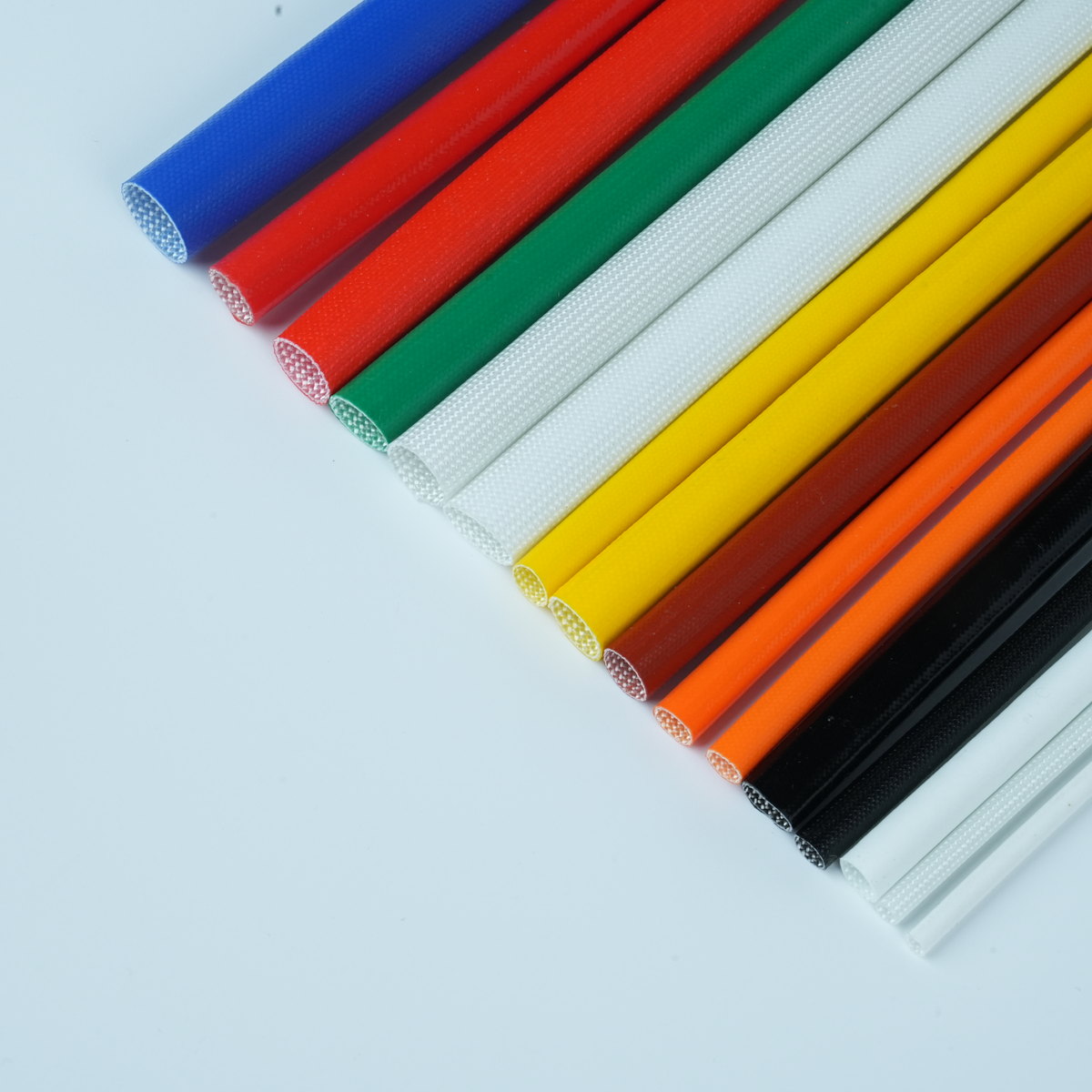
Selecting the right fiberglass sleeving for machinery wiring is a critical decision that directly impacts operational safety, equipment lifespan, and maintenance costs. Machinery operates under demanding conditions where electrical wiring faces exposure to extreme temperatures, mechanical stress, and chemical environments. Without proper protection, insulation degrades rapidly, leading to short circuits, equipment failure, and safety hazards. Fiberglass sleeving provides a durable barrier that shields conductors from heat, abrasion, and environmental contaminants while maintaining electrical integrity throughout the machinery lifecycle.
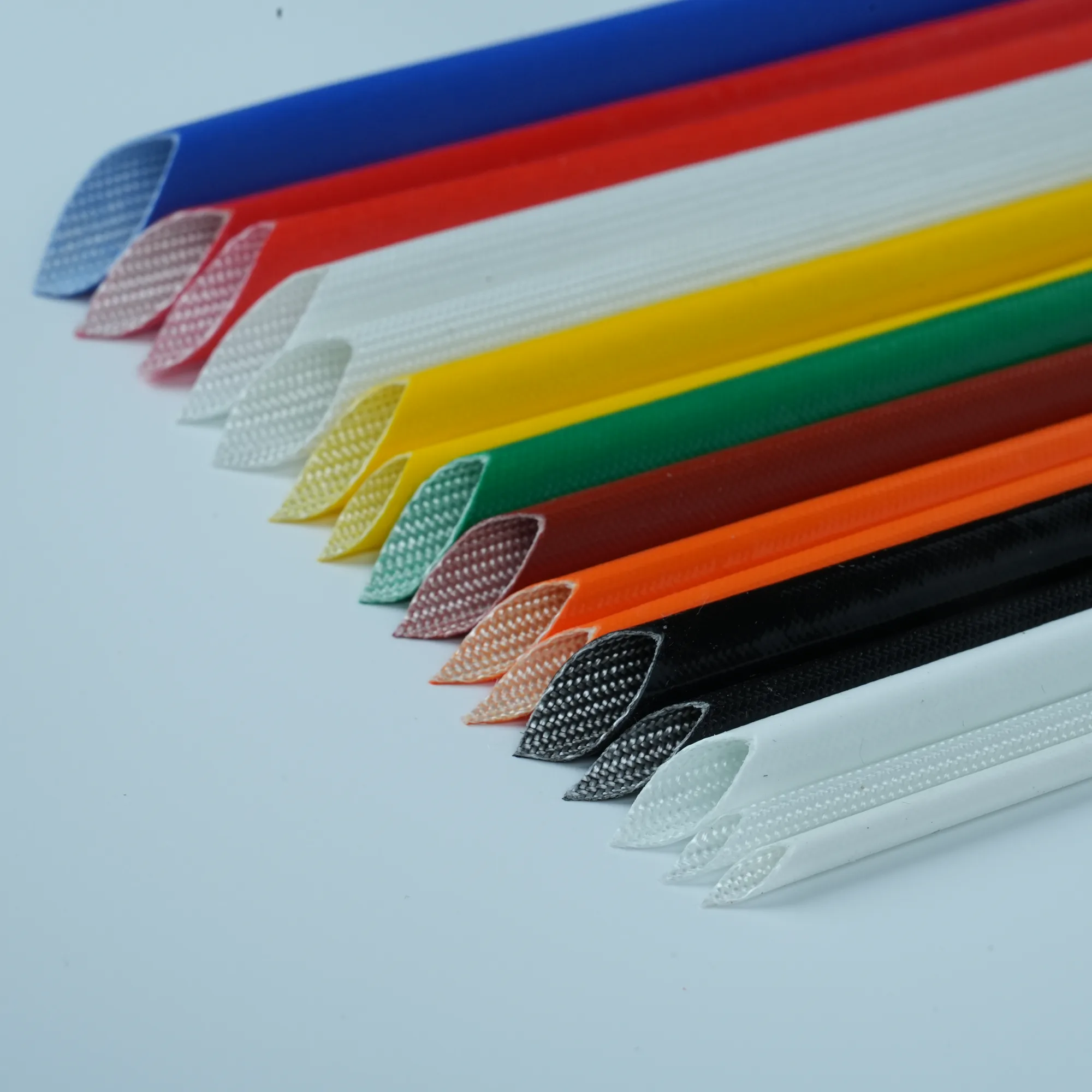
The process of choosing appropriate fiberglass sleeving requires understanding your machinery's specific thermal profile, voltage requirements, and environmental exposures. Industrial applications range from automotive wiring harnesses to high-voltage transformers, each demanding distinct protective specifications. Temperature ratings, material composition, flexibility, and flame resistance all influence which sleeving solution best fits your needs. This guide walks you through the essential evaluation criteria to help you specify fiberglass sleeving that balances performance, cost-effectiveness, and long-term reliability.
Understanding Heat Resistance Requirements
Assessing Temperature Exposure
Heat resistance stands as the primary consideration when selecting fiberglass sleeving for machinery wiring applications. Industrial machinery generates significant thermal energy through motor operation, power transmission, and friction-based processes. Automotive wiring systems, for example, must endure continuous temperatures ranging from ambient conditions to 150°C or higher near engine components. Understanding your equipment's actual operating temperature range, peak transient temperature spikes, and seasonal climate variations ensures you specify sleeving rated well above normal conditions, providing safety margin for thermal cycling and aging. High temperature insulation must remain flexible and maintain mechanical strength at rated maximum exposure without becoming brittle or losing adhesion.
Matching Sleeving Ratings to Applications
Fiberglass sleeving comes in standardized temperature classes defined by international specifications. Class A materials withstand continuous exposure to approximately 105°C, suitable for low-intensity machinery in controlled environments. Class B ratings reach 130°C, appropriate for moderate industrial duty. Class F and Class H materials handle 155°C and 180°C respectively, preferred for demanding automotive wiring and transformer applications. High temperature insulation formulations often incorporate silicone resins or ceramic coatings to achieve superior heat resistance. Selecting a material class with adequate safety margin prevents premature degradation, maintains dielectric strength, and extends asset service life in thermally stressed environments.
Evaluating Material Properties and Durability
Core Material Composition
Fiberglass sleeving durability depends critically on the base fiber composition and outer coating materials. Continuous-filament fiberglass provides structural strength and resistance to mechanical damage during machinery operation and maintenance. Outer silicone or polyimide coatings enhance heat resistance, flame performance, and chemical resistance depending on your specific industrial environment. For automotive wiring applications subject to vibration, thermal cycling, and exposure to engine oils and coolants, premium coatings deliver superior long-term protection. The braiding pattern density affects flexibility, allowing technicians to install sleeving around complex wire bundles and confined spaces within machinery. Denser braiding improves mechanical protection but may reduce ease of installation, requiring evaluation based on your machinery's geometric constraints and installation accessibility.
Flame Resistance and Safety Compliance
Flame resistance represents a mandatory safety criterion for machinery wiring insulation. Fiberglass sleeving formulations achieve flame resistance through inherent material properties and resin coatings. Products compliant with UL 224, VW-1, or equivalent standards have undergone rigorous flame propagation testing to ensure they self-extinguish and do not contribute to fire spread. In automotive wiring and industrial motor applications, flame-rated sleeving prevents small electrical faults from escalating into machinery fires or facility hazards. Chemical composition affects both performance and cost, making it essential to specify compliance levels appropriate to your risk assessment rather than automatically selecting premium grades for all applications.
Practical Selection and Installation Considerations
Sizing and Flexibility Factors
Proper sizing ensures fiberglass sleeving provides complete conductor coverage while allowing flexibility for installation and movement within machinery. Sleeving diameter must accommodate the wire bundle with minimal excess space that permits slippage or bunching. Excess space reduces mechanical protection during vibration cycles common in automotive wiring and rotating machinery. Conversely, undersized sleeving restricts installation, potentially causing stress on the material during threading and operation. Flexibility rating determines how easily technicians can route sleeving through complex machinery geometries, around tight corners, and through connection panels. Higher flexibility specifications facilitate faster installation and reduce risk of tearing during handling, important considerations in high-volume production environments or field retrofitting scenarios.
Installation Best Practices and Maintenance
Proper installation techniques maximize the protective benefits of fiberglass sleeving in machinery wiring systems. Pre-installation inspection identifies contaminants, sharp wire ends, or burrs that could puncture the material during service. Careful routing prevents excessive compression or tension that stresses sleeving integrity. Many installations benefit from heat-shrink sleeves at termination points to create sealed junctions that resist moisture ingress and contaminant infiltration. Regular maintenance inspections detect mechanical damage, UV degradation, or thermal stress requiring early replacement before electrical failure occurs. Documenting sleeving specifications, installation dates, and maintenance history supports compliance requirements and informs replacement planning in critical machinery applications. For automotive wiring systems operating under demanding thermal and vibration environments, periodic thermal imaging can detect developing hotspots indicating inadequate insulation protection.
FAQ
What temperature range should I select for my high temperature insulation needs?
Select fiberglass sleeving rated at least 20–30°C above your machinery's maximum anticipated operating temperature. This safety margin accounts for transient temperature spikes, thermal cycling effects, and material aging. Class F (155°C) typically suits most industrial and automotive wiring applications, while Class H (180°C) provides protection for extreme-duty environments near engines or high-power transformers. Consult equipment manufacturer specifications and conduct thermal analysis of your specific installation points to confirm adequate high temperature insulation protection.
Can fiberglass sleeving handle both automotive wiring and stationary machinery applications?
Yes, appropriately rated fiberglass sleeving suits both automotive wiring and stationary machinery applications, though specific formulations differ. Automotive wiring requires enhanced vibration resistance, chemical stability against oils and coolants, and compact sizing to fit engine compartment constraints. Stationary machinery prioritizes heat resistance and flame compliance while tolerating larger diameters and relaxed space constraints. Evaluate each application's unique environmental exposures, temperature cycling frequency, and mechanical stress levels before specifying materials, as these factors determine whether standard or premium sleeving formulations deliver optimal performance and cost-effectiveness.
How do I verify that fiberglass sleeving meets safety and performance standards?
Request technical documentation and certification from manufacturers confirming compliance with UL 224, VW-1, IEC 60811, and other relevant standards applicable to your machinery and industry. Verify temperature ratings, flame resistance classifications, and material composition specifications align with your application requirements. Third-party testing laboratories provide independent verification of claimed performance. Reputable suppliers maintain traceability documentation and material certifications for each production lot, supporting compliance audits and failure investigation if issues arise. For critical machinery applications, require sample testing before full production quantities to validate that delivered material meets all specified performance criteria.
 EN