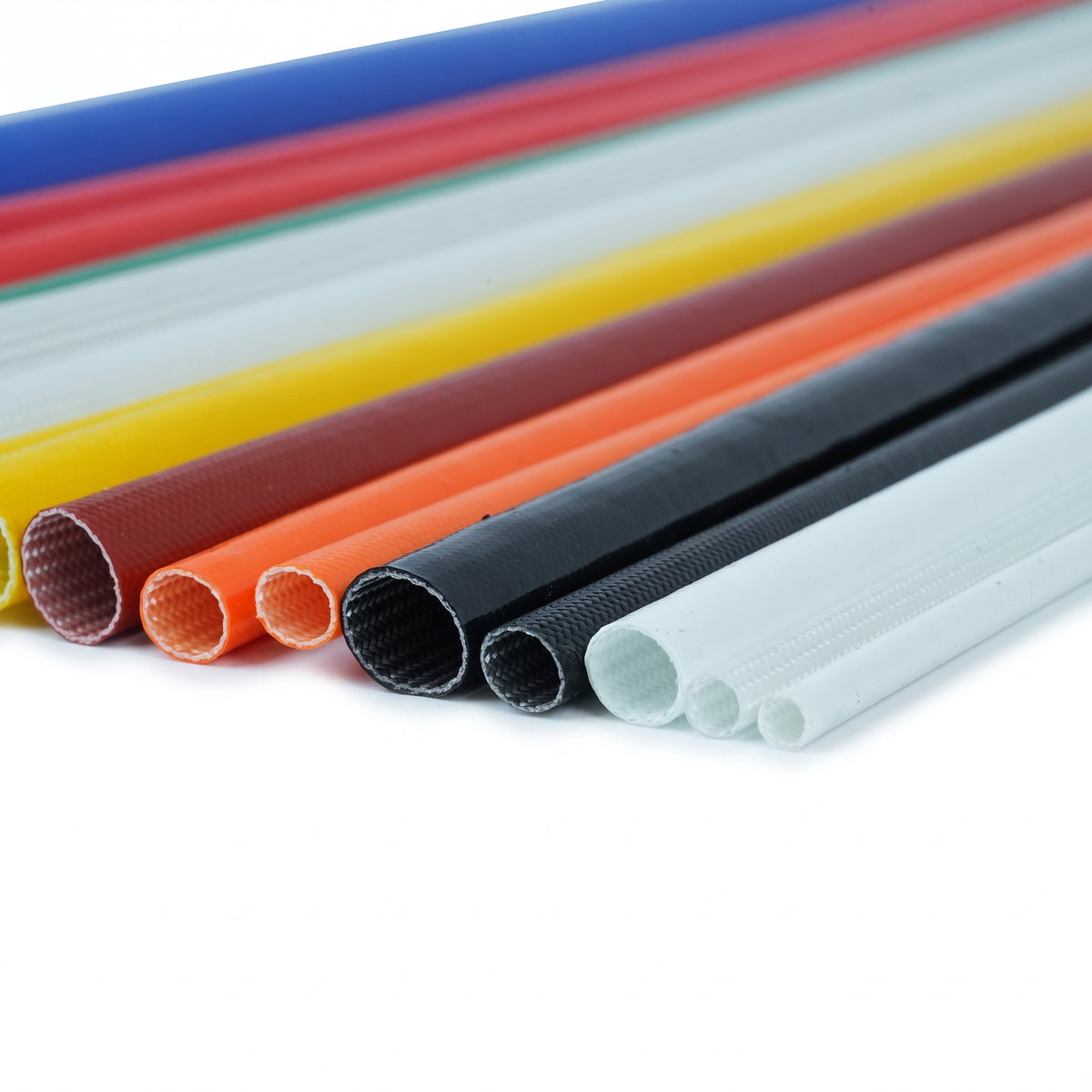
Selecting the right fiberglass sleeving is critical for applications requiring dependable electrical insulation under extreme heat conditions. High-temperature environments demand materials that withstand thermal stress, mechanical abrasion, and chemical exposure while maintaining consistent dielectric properties. Whether your project involves industrial machinery, automotive wiring, or aerospace components, choosing appropriate cable sleeving can prevent failures that compromise safety and operational efficiency.
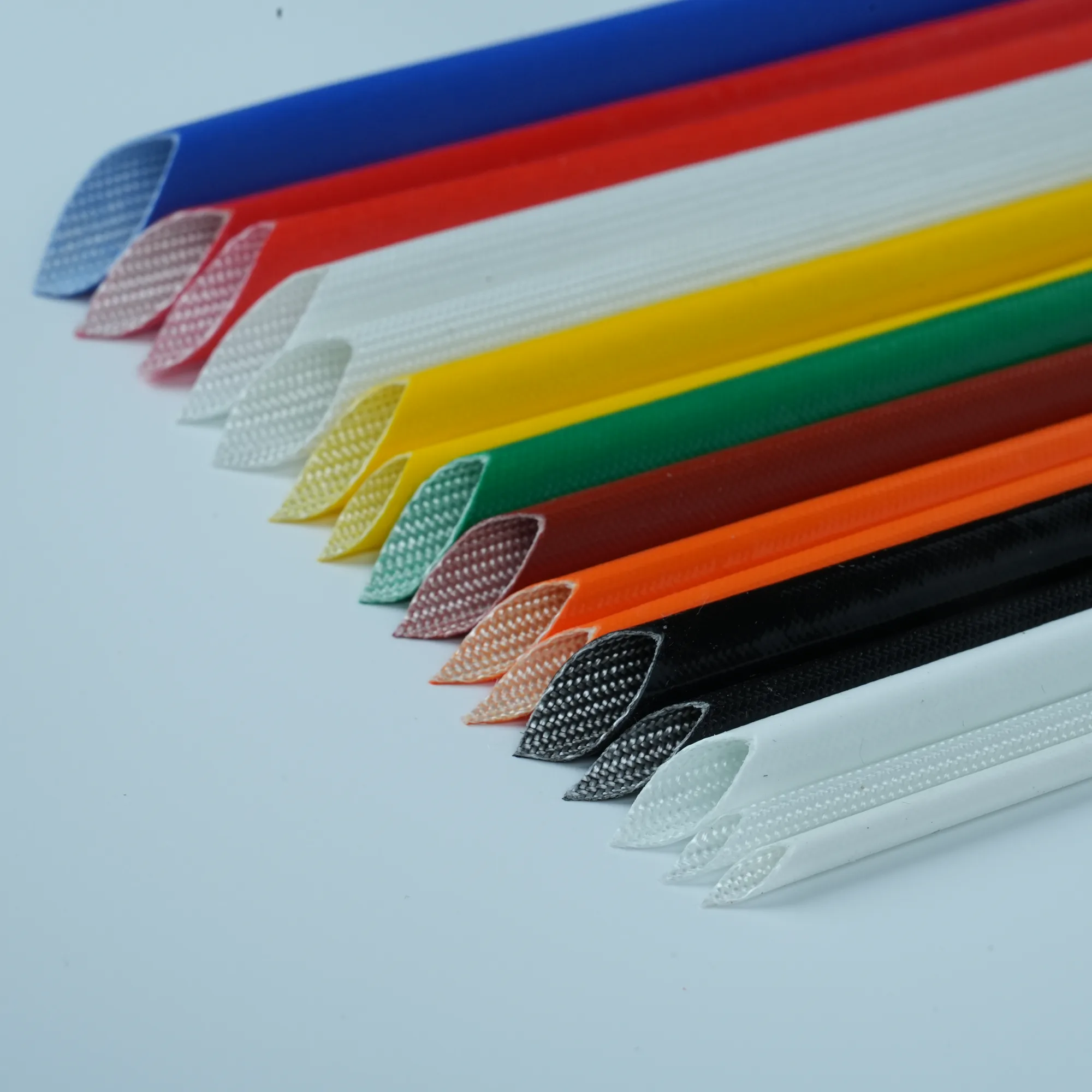
The process of evaluating fiberglass sleeving requires understanding material composition, temperature ratings, and application-specific demands. Modern cable sleeving solutions combine fiberglass reinforcement with protective coatings to deliver superior performance in demanding environments. This guide walks through the essential selection criteria that ensure your automotive wiring, industrial cables, and electrical insulation systems remain protected throughout their operational lifecycle.
Material Composition and Temperature Resistance
Core Fiberglass Properties
Fiberglass sleeving derives its strength from tightly woven glass fibers that maintain structural integrity at elevated temperatures. The base material alone can withstand temperatures ranging from 200°C to 260°C, depending on fiber grade and weave density. Automotive wiring in modern engines faces continuous thermal exposure from exhaust systems and engine compartments, making temperature-rated cable sleeving essential. The fiberglass core provides mechanical protection and prevents electrical shorts by isolating conductors from metallic components and other live wires.
Protective Coatings and Additives
Most commercial fiberglass sleeving incorporates an outer protective layer, commonly silicone, epoxy, or acrylic resin compounds. These coatings enhance electrical insulation properties, provide chemical resistance, and improve flexibility for practical installation. Silicone-coated cable sleeving excels in high-temperature automotive wiring applications because it maintains elasticity across a wider temperature range than uncoated fiberglass alone. The combination creates a multi-layered electrical insulation system that handles both thermal cycling and mechanical stress without degradation.
Application-Specific Selection Criteria
Thermal Environment Assessment
Begin by determining the actual operating temperature range your automotive wiring or industrial cables will experience. Peak temperatures matter more than average conditions; a wire running through an engine bay might see 150°C under normal operation but spike to 180°C during extended high-load periods. Standard cable sleeving rated for 200°C provides adequate safety margin, but extreme applications near exhaust manifolds benefit from premium fiberglass sleeving rated to 260°C or higher. Verify manufacturer specifications state continuous operating temperature, not just brief exposure limits, to ensure reliable electrical insulation throughout the component's service life.
Mechanical and Chemical Exposure
Consider the physical environment where fiberglass sleeving will be installed. Automotive wiring in engine compartments faces oil spray, coolant splash, battery acid mist, and vibration from engine operation. High-performance racing applications demand cable sleeving with enhanced oil and fuel resistance since these fluids can degrade unprotected electrical insulation. Industrial machinery often requires chemical-resistant fiberglass sleeving when acids, alkalies, or solvents are present. Assess whether your application needs abrasion resistance from sharp edges, impact protection from moving components, or flame retardancy for safety compliance.
Installation and Performance Validation
Sizing and Fit Considerations
Proper sizing of fiberglass sleeving ensures effective cable sleeving without restricting conductor movement or creating installation challenges. Measure wire bundle diameter and select sleeving with inner diameter at least 0.5mm larger than the largest conductor to allow easy insertion. Automotive wiring harnesses often bundle multiple gauge sizes, requiring cable sleeving that accommodates variation without bunching. Undersized sleeving creates mechanical stress during installation and may tear during thermal cycling as electrical insulation integrity fails prematurely. Oversized sleeving can slip during vibration in automotive applications and leaves gaps where fiberglass sleeving fails to provide protection.
Quality Verification and Compliance
Legitimate fiberglass sleeving suppliers provide detailed technical datasheets confirming temperature ratings, flame retardancy certifications, and electrical insulation test results. Verify that your cable sleeving meets relevant standards such as UL 1441 for electrical sleeving or automotive-specific requirements like SAE J2030. Purchase samples from potential suppliers and perform pull tests to confirm mechanical strength and coating adhesion. Inspect the weave consistency and coating uniformity; poor-quality fiberglass sleeving shows thin spots, uneven coloring, or loose fibers. Automotive wiring applications especially benefit from traceability documentation proving material origin and compliance with OEM specifications.
FAQ
What temperature rating should I choose for automotive wiring fiberglass sleeving?
For standard automotive applications, 200°C-rated cable sleeving provides adequate safety margin for engine compartment wiring. High-performance or racing vehicles near exhaust systems should use 260°C fiberglass sleeving. Always verify the specific thermal environment in your vehicle and select electrical insulation with a temperature rating 20-30°C above expected peak conditions to ensure long-term reliability.
How does fiberglass sleeving differ from other cable sleeving materials?
Fiberglass sleeving offers superior high-temperature performance and chemical resistance compared to rubber or plastic alternatives. Unlike vinyl or neoprene cable sleeving, fiberglass maintains structural integrity and electrical insulation properties when exposed to oils, fuels, and extreme heat. The woven fiberglass core resists abrasion better, making it ideal for automotive wiring and industrial applications where mechanical protection is essential alongside thermal resistance.
Can I install fiberglass sleeving on existing automotive wiring or industrial cables?
Yes, cable sleeving can be installed on existing wiring if you carefully slide it along the conductor without twisting sharply, which might damage the fiberglass. For complex routing, cut the fiberglass sleeving lengthwise and wrap it around the wire, then secure with heat-shrink tubing at intervals for electrical insulation continuity. Ensure the underlying conductor insulation remains intact before application; fiberglass sleeving protects against external damage but cannot repair compromised original wire coating.
 EN