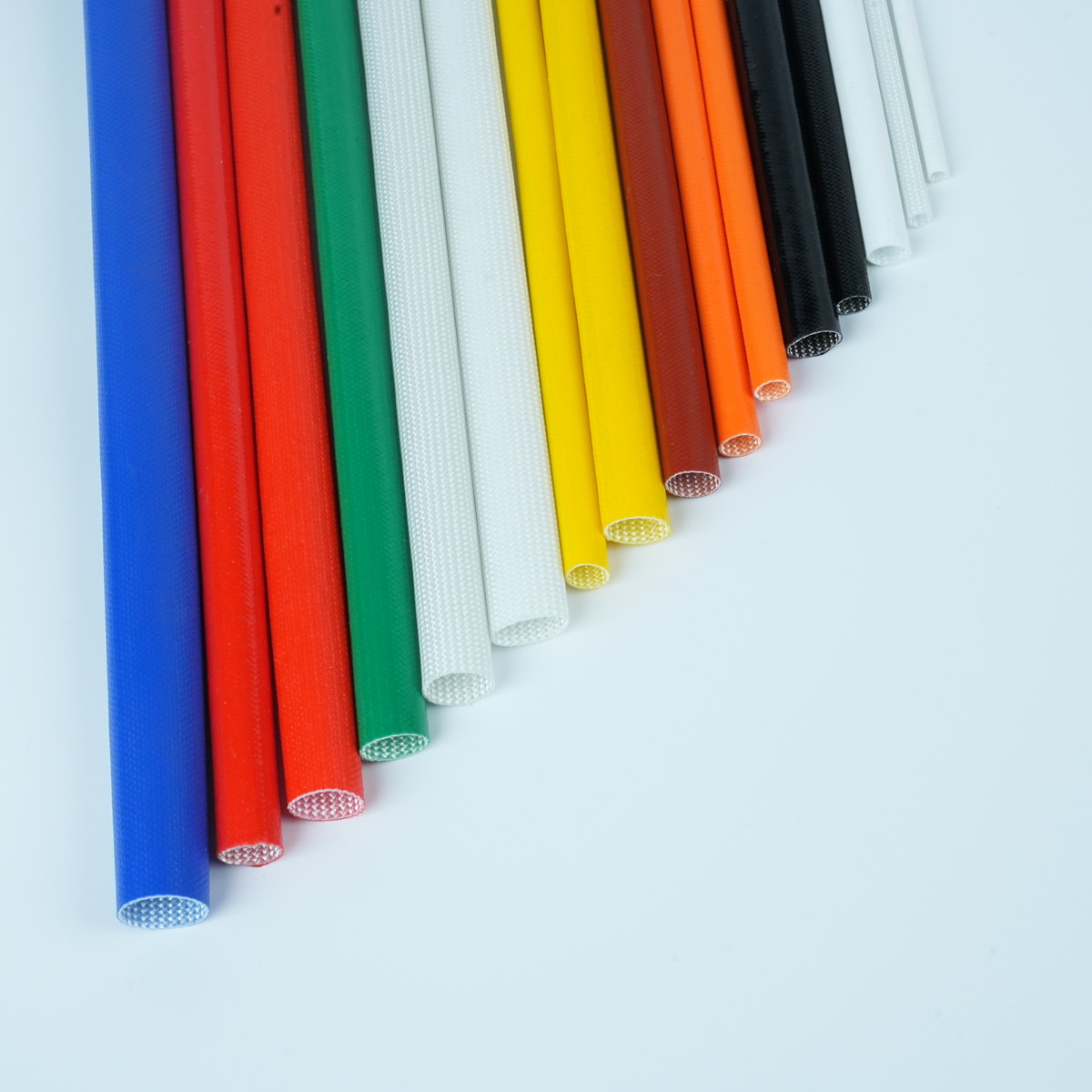
Selecting the right fiberglass sleeving for cable bundles that undergo dimensional changes during assembly requires understanding both the material properties and the dynamic stresses your wiring harness will face. Cable bundles rarely remain static during manufacturing and installation, and choosing inadequate electrical insulation can result in wiring failures, safety violations, and costly rework. This guide walks you through the critical factors that determine whether a specific fiberglass sleeving product will perform reliably as your cable configuration shifts, compresses, and flexes through each assembly stage.
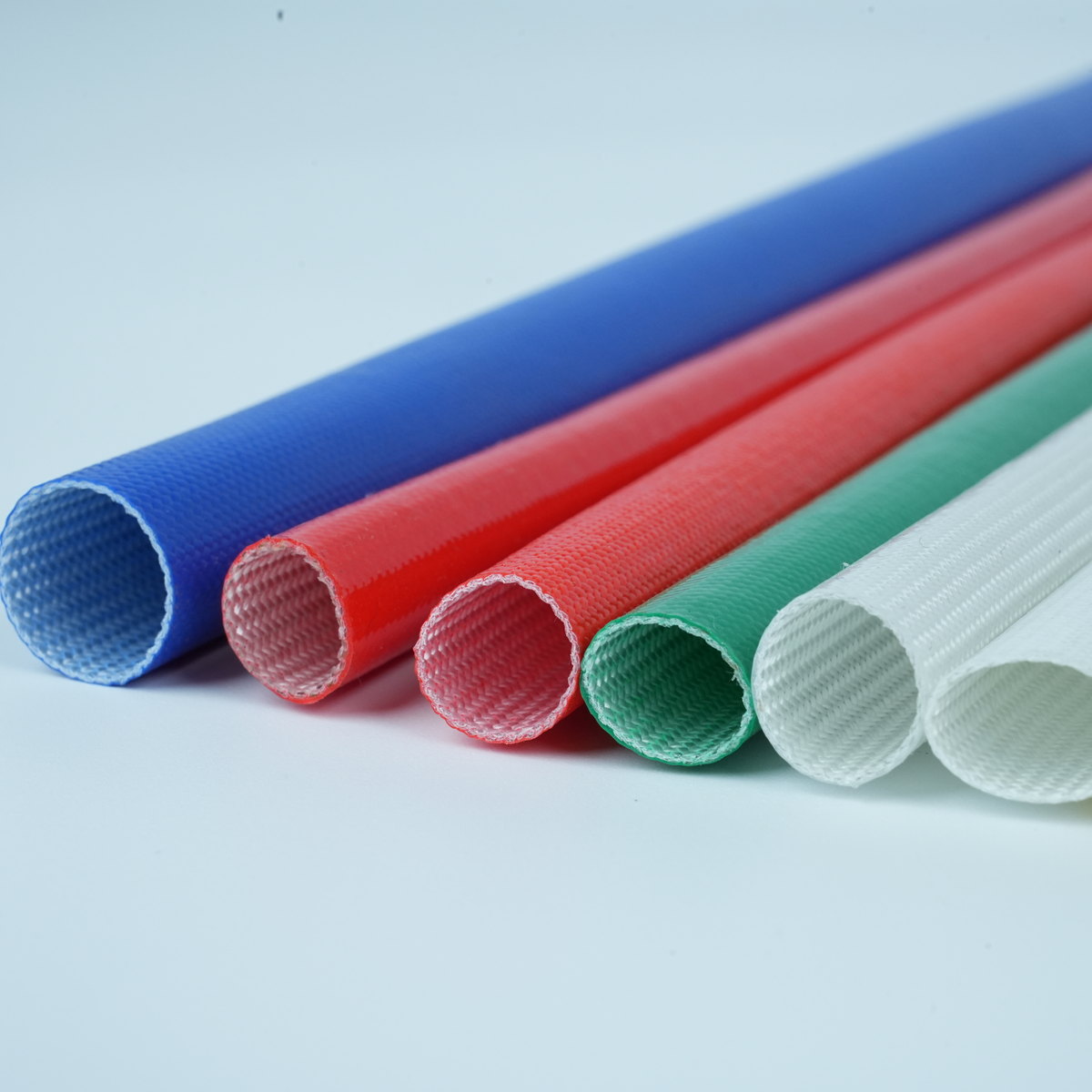
Dynamic cable bundles present a unique challenge because the sleeving material must maintain its protective integrity even as the bundle diameter, tension, and position change. The fiberglass sleeving you choose directly affects how your cable sleeving performs under real-world assembly conditions, where movement and compression are inevitable. Understanding the relationship between material flexibility, compression resistance, and temperature stability will help you avoid premature degradation and ensure your automotive wiring and other critical applications stay protected.
Understanding Material Flexibility and Compression Recovery
When cable bundles change size during assembly, the fiberglass sleeving must accommodate diameter reduction without losing contact with the wires it protects. Quality electrical insulation products are engineered with specific weave densities and fiber orientations that allow controlled compression without permanent deformation. A sleeving material that compresses too rigidly will slip off as the bundle narrows; one that compresses excessively will lose its structural integrity and fail to provide consistent protection. The balance between these extremes determines how reliably your cable sleeving maintains coverage as assembly conditions shift.
Recovery Performance After Dynamic Compression
Fiberglass sleeving must recover to its original diameter after temporary compression forces are released. Poor recovery indicates that fibers have begun to break or the weave structure has been compromised, reducing the electrical insulation rating over time. When selecting automotive wiring protection or other mission-critical applications, test samples under your specific compression range to confirm the material bounces back consistently. Products engineered with resilient fiber blends and tightly controlled weave patterns exhibit superior recovery and maintain long-term protective performance.
Temperature Stability During Assembly Processes
Heat Exposure and Thermal Degradation in Manufacturing
Assembly environments often involve soldering, adhesive curing, or pre-installation heating that temporarily raises cable temperatures. Fiberglass sleeving selected for these conditions must withstand sustained heat without softening, discoloring, or releasing binders that compromise electrical insulation properties. Standard cable sleeving rated for only 90°C will break down quickly in processes reaching 140°C, leading to hidden failures after assembly completion. Choose fiberglass sleeving that exceeds your peak process temperature by at least 30–50°C to ensure material stability and consistent performance throughout the manufacturing cycle.
Material Stability in Long-Term Storage and Service
Even after assembly, automotive wiring and industrial cables experience temperature fluctuations that stress the sleeving material. Quality electrical insulation products maintain their structural properties across the full service temperature range, ensuring that compression recovery, dielectric strength, and abrasion resistance remain predictable. Check whether the fiberglass sleeving specification includes data for storage conditions and long-term aging, as materials exposed to UV light, humidity, or thermal cycling may degrade silently before obvious failure occurs. Selecting products with proven long-term stability ratings reduces field failures and warranty claims.
Diameter Specification and Flexibility Matching
Sizing Fiberglass Sleeving to Your Bundle Geometry
Cable sleeving must fit tightly enough to prevent rotation or shifting but not so tight that it cuts into insulation or creates stress concentration points. The nominal diameter specification should sit in the middle of your bundle's expected size range, allowing compression accommodation without excessive slack. If your cable bundle varies from 12 mm to 16 mm during assembly, selecting 14 mm fiberglass sleeving provides balanced coverage. Undersized sleeving will slip; oversized sleeving will bunch and fail to provide uniform electrical insulation. Measure your actual bundle under worst-case assembly conditions, not just nominal design diameter.
Flexibility Grade Selection for Assembly Movement
Fiberglass sleeving comes in different weave densities that directly affect flexibility. Loosely woven grades offer maximum bend accommodation for complex routing but provide less abrasion resistance and compression stability. Tightly woven grades maximize electrical insulation integrity and hold diameter consistency but may crack if the bundle undergoes sharp bending. For automotive wiring and other applications involving moderate assembly movement, select a mid-range weave density that balances flexibility with protective coverage. Test candidate materials by running them through your actual assembly sequence to confirm real-world performance before committing to production volumes.
Selection Criteria and Quality Verification
Testing Compression and Recovery Under Your Process Conditions
Before qualifying a fiberglass sleeving product for production, conduct compression testing that mirrors your assembly environment exactly. Compress samples to the minimum expected bundle diameter and measure recovery after release; repeat this cycle multiple times to simulate production assembly steps. The sleeving should recover to within 5% of original diameter and show no visible fiber damage or delamination. This testing catches material defects and manufacturing inconsistencies before they impact your cable protection on a large scale.
Electrical Insulation and Dielectric Verification
Quality cable sleeving must maintain dielectric strength even after compression, bending, and thermal stress. Request dielectric breakdown test data from your supplier, confirming that the electrical insulation properties meet or exceed the voltage ratings required in your automotive wiring or industrial application. Do not assume that compressed or thermally aged sleeving retains the same breakdown voltage as virgin material; verify actual performance after simulated assembly conditions. Documentation of these test results protects your warranty and demonstrates due diligence in product selection.
Material Traceability and Consistency Standards
Select suppliers who maintain batch traceability, fiber sourcing consistency, and documented weave specifications for every production run. Fiberglass sleeving quality can vary significantly between manufacturers and even between production lots from the same supplier. Certified materials carry test reports showing dimensional stability, temperature ratings, compression recovery, and dielectric performance. Insisting on documentation prevents hidden failures caused by undocumented material substitution or relaxed manufacturing tolerances.
FAQ
Can fiberglass sleeving be reused if the cable bundle size changes?
Once fiberglass sleeving has been compressed and installed on a cable bundle, repeated removal and reapplication degrades the fibers and reduces electrical insulation effectiveness. The repeated bending and flexing required to slip the sleeving off and onto a new bundle size causes micro-fractures in the weave structure. For applications requiring bundle reconfiguration, plan for fresh cable sleeving with each assembly change. This prevents field failures and maintains consistent protection standards throughout the product lifecycle.
What is the typical lifespan of fiberglass sleeving under dynamic assembly conditions?
Quality fiberglass sleeving can maintain protective performance for 10–20 years in stable environments, but dynamic assembly conditions and thermal cycling accelerate degradation. The actual lifespan depends on peak temperature exposure, compression frequency, UV light, humidity, and the specific weave density chosen. Automotive wiring experiencing daily temperature swings and mechanical vibration may show measurable property decline after 5–7 years. Test your chosen cable sleeving under accelerated aging conditions to estimate realistic service life for your specific application.
How do I verify that my cable sleeving choice meets safety and compliance standards?
Request electrical insulation test reports from your supplier that reference relevant standards such as UL, ASTM, or IEC specifications. Confirm that the fiberglass sleeving product has been tested for flame resistance, voltage breakdown, and temperature performance under the exact conditions your automotive wiring or industrial cables will experience. Verify that test data includes results after compression cycles and thermal aging, not just virgin material properties. Third-party certification from recognized testing laboratories provides the strongest evidence of consistent quality and regulatory compliance.
 EN