Selecting the right fiberglass sleeving for abrasion-prone cable runs is a critical decision that directly impacts the longevity and reliability of your electrical infrastructure. Cable damage from friction, mechanical wear, and environmental stress remains one of the most common causes of equipment failure in industrial settings. When cables are exposed to sharp edges, moving parts, or continuous contact with rough surfaces, standard insulation alone cannot provide adequate protection. Proper wire protection requires a comprehensive understanding of material properties, application conditions, and installation best practices.
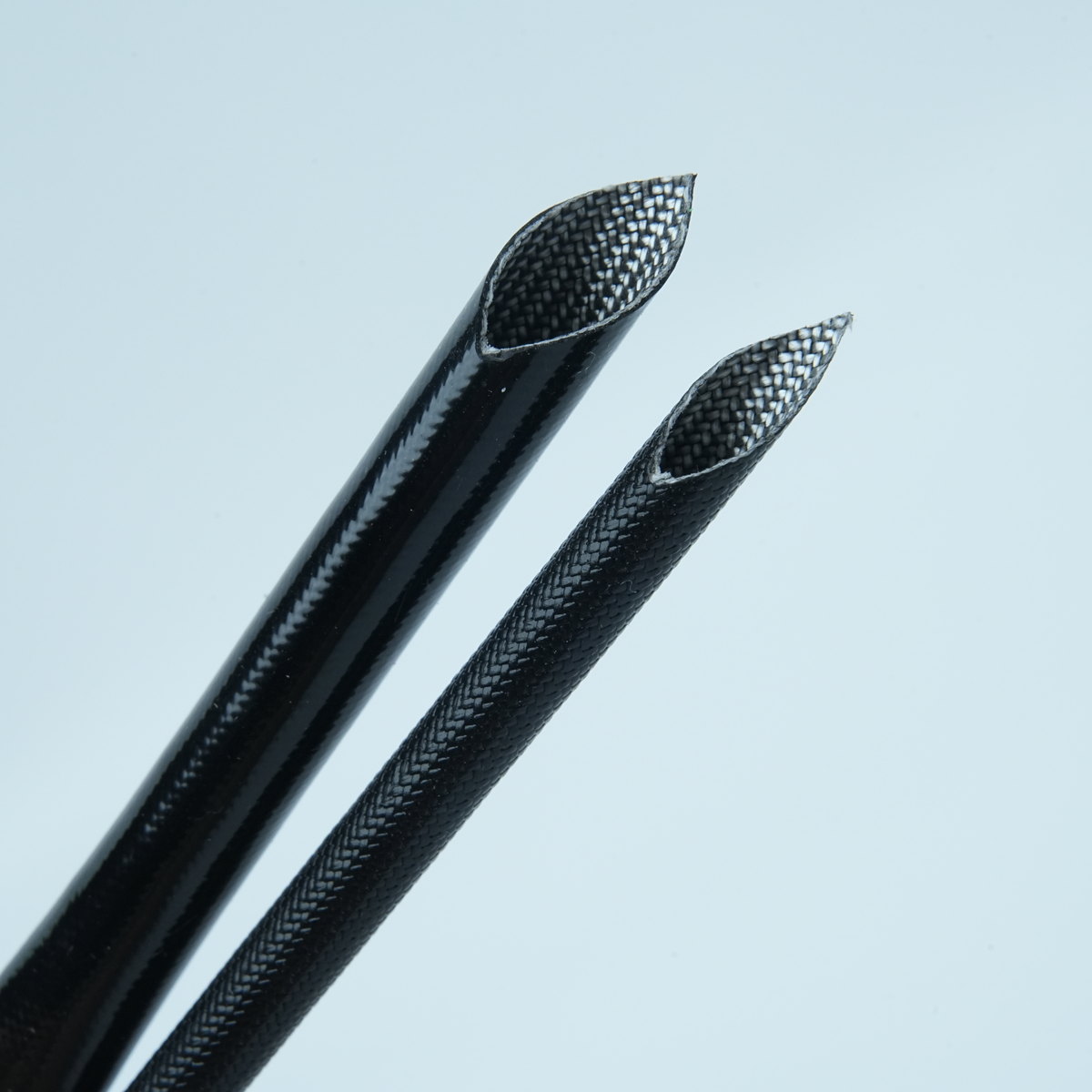
The challenge of protecting cables in demanding environments requires solutions that combine mechanical robustness with thermal stability. Fiberglass sleeving offers distinct advantages over traditional protective methods because it resists abrasion while maintaining flexibility and ease of installation. When cables run through machinery, construction sites, or industrial facilities, exposure to friction, heat, chemicals, and mechanical impact creates a harsh operating environment. Choosing appropriate electrical insulation materials ensures that your cable systems remain functional, safe, and compliant with industry standards throughout their intended service life.
Understanding Fiberglass Sleeving and Wire Protection Requirements
Core Properties of Fiberglass Sleeving Materials
Fiberglass sleeving consists of woven glass fibers bonded with resin-based coatings that create a durable protective barrier around electrical cables. The structure of fiberglass sleeving provides excellent abrasion resistance due to the hardness and durability of glass fibers combined with flexible resin systems. Unlike rigid conduit or metal tubing, fiberglass sleeving maintains the flexibility needed for routing cables through tight spaces while delivering superior wire protection compared to standard insulation. The material naturally resists cutting, tearing, and wear from contact with sharp edges, making it ideal for applications where cables face continuous mechanical stress.
Identifying Abrasion-Prone Cable Run Scenarios
Abrasion-prone cable runs occur in environments where wires experience frequent contact with harsh surfaces, moving machinery, or environmental hazards. Industrial manufacturing floors, automotive assembly plants, processing facilities, and construction sites commonly feature cable routes where abrasion risk is elevated. Cable runs near rotating shafts, conveyor systems, or areas with frequent foot traffic are especially vulnerable. Identifying these high-risk scenarios early in the design phase allows engineers to specify appropriate fiberglass sleeving and wire protection measures before cable damage occurs and creates costly downtime.
Key Selection Criteria for Fiberglass Sleeving
Temperature Rating and High Temperature Insulation Performance
High temperature insulation capability is a primary selection criterion when choosing fiberglass sleeving for cable protection. Fiberglass materials can withstand continuous exposure to elevated temperatures, with many formulations rated for operation between 200 and 260 degrees Celsius. When cable routes pass near heat sources, machinery exhaust, or industrial ovens, high temperature insulation becomes essential to prevent insulation degradation and potential cable failure. Premium fiberglass sleeving products incorporate specialized resin systems that maintain structural integrity and flexibility across extreme temperature ranges, ensuring reliable electrical insulation even in the harshest thermal environments.
Thickness and Coverage Specifications
Fiberglass sleeving thickness directly affects its ability to provide wire protection against abrasion. Thicker materials offer greater resistance to cutting and tearing but may reduce cable flexibility. Standard thicknesses range from 0.5 millimeters to 3 millimeters, with selection depending on the severity of abrasion risk and cable diameter. For extremely abrasive environments, multi-layer fiberglass sleeving configurations combine thin outer protective layers with reinforced backing to maximize both durability and installation convenience. Proper coverage ensures that electrical insulation remains intact along the entire cable run, eliminating weak points where damage could initiate.
Chemical and Environmental Resistance
Beyond mechanical abrasion, fiberglass sleeving must resist chemical exposure, moisture infiltration, and UV degradation depending on installation location. Cables routed through chemical plants, outdoor environments, or areas exposed to saltwater require electrical insulation materials that maintain protective performance despite harsh chemical conditions. Fiberglass sleeving formulations with enhanced chemical resistance prevent resin breakdown and fiber separation that can compromise wire protection integrity. Environmental factors like humidity, temperature cycling, and ultraviolet light exposure all influence material selection, making comprehensive assessment of operational conditions essential during the specification process.
Installation Practices and Performance Optimization
Proper Sizing and Cable Route Planning
Successful fiberglass sleeving installation begins with accurate cable diameter measurements and route planning that anticipates sharp edges, mounting points, and potential friction sources. Selecting sleeving with appropriate inside diameter ensures snug fit without gaps that compromise electrical insulation or excessive tightness that restricts cable flexibility. Route planning should identify areas where cables bend sharply, rub against frame members, or contact moving machinery components. By proactively addressing these risk areas during installation, engineers maximize the effectiveness of fiberglass sleeving as a wire protection solution and extend cable service life significantly.
Securing and Finishing Techniques
Proper securement of fiberglass sleeving prevents shifting or bunching that leaves portions of the cable exposed to abrasion. Cable ties, adhesive-backed fasteners, or specialized clamps designed for sleeving material hold the protective layer in consistent contact with the underlying wire. Finishing techniques include sealing the sleeving ends with heat-shrink tubing or adhesive to prevent moisture ingress and maintain continuous electrical insulation protection. Professional installation practices ensure that the high temperature insulation properties and wire protection benefits of fiberglass sleeving are fully realized throughout the cable's operational lifetime.
Frequently Asked Questions
How does fiberglass sleeving compare to other wire protection methods?
Fiberglass sleeving offers superior abrasion resistance compared to basic plastic jackets while maintaining flexibility advantages over rigid metal conduit. Unlike foam or rubber tubing that compress under load, fiberglass sleeving preserves its dimensional integrity and protective properties even in challenging mechanical environments. The material provides better high temperature insulation performance than many alternatives, making it suitable for use near heat sources. Cost-effectiveness combined with ease of installation positions fiberglass sleeving as an optimal wire protection solution for most industrial applications where abrasion risk exists.
What temperature ranges can typical fiberglass sleeving withstand?
Most industrial-grade fiberglass sleeving products maintain full functionality between minus 40 and 260 degrees Celsius, with specialized high temperature insulation formulations extending the upper limit to 300 degrees Celsius. Temperature rating depends on the resin system used in the sleeving construction and the specific fiber reinforcement selected. Applications near thermal sources, furnaces, or high-speed machinery requiring robust high temperature insulation should specify sleeving products with ratings matching or exceeding the maximum sustained temperature the cable will experience. Selecting materials with temperature headroom ensures reliable electrical insulation performance even during temporary thermal spikes.
Can fiberglass sleeving be retrofitted onto existing cables?
Yes, fiberglass sleeving can be retrofitted onto existing cable runs by selecting open-type or slit designs that allow installation without disconnecting cable endpoints. Retrofit applications require careful measurement and planning to ensure the protective layer provides consistent wire protection along the entire run. Existing cables showing signs of abrasion damage benefit from prompt retrofitting with fiberglass sleeving to prevent catastrophic failure. Electrical insulation condition assessment before retrofitting helps determine whether the underlying cable remains viable or replacement is necessary, optimizing maintenance resource allocation and system reliability.
 EN







