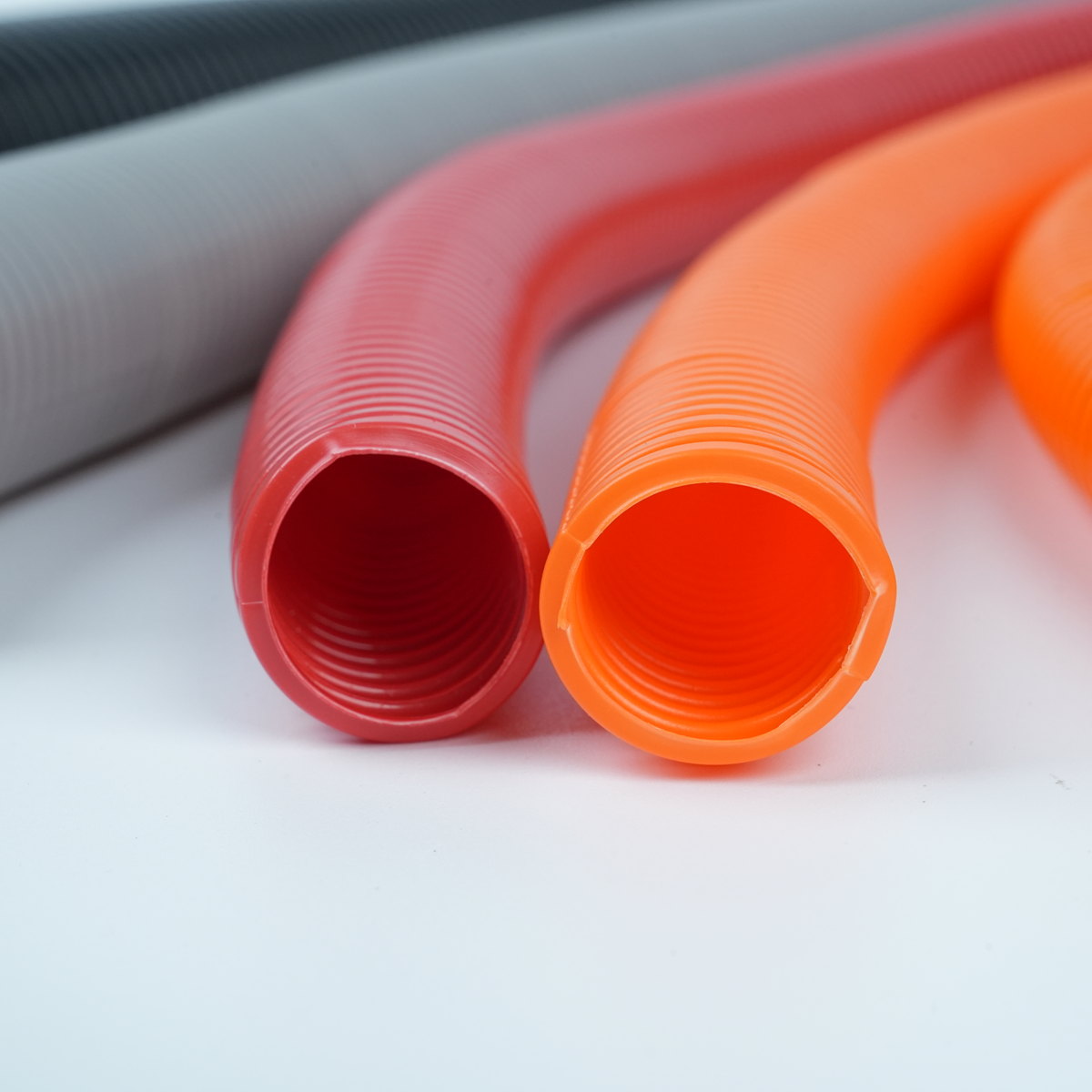
Selecting the right corrugated conduit is critical for ensuring reliable performance and longevity in branching wire harnesses. Whether you are designing automotive harness systems, industrial cable routing networks, or specialized applications, the choice of corrugated tubing directly impacts protection, flexibility, and maintenance costs. Incorrect material selection can lead to wire damage, increased downtime, and premature system failure.
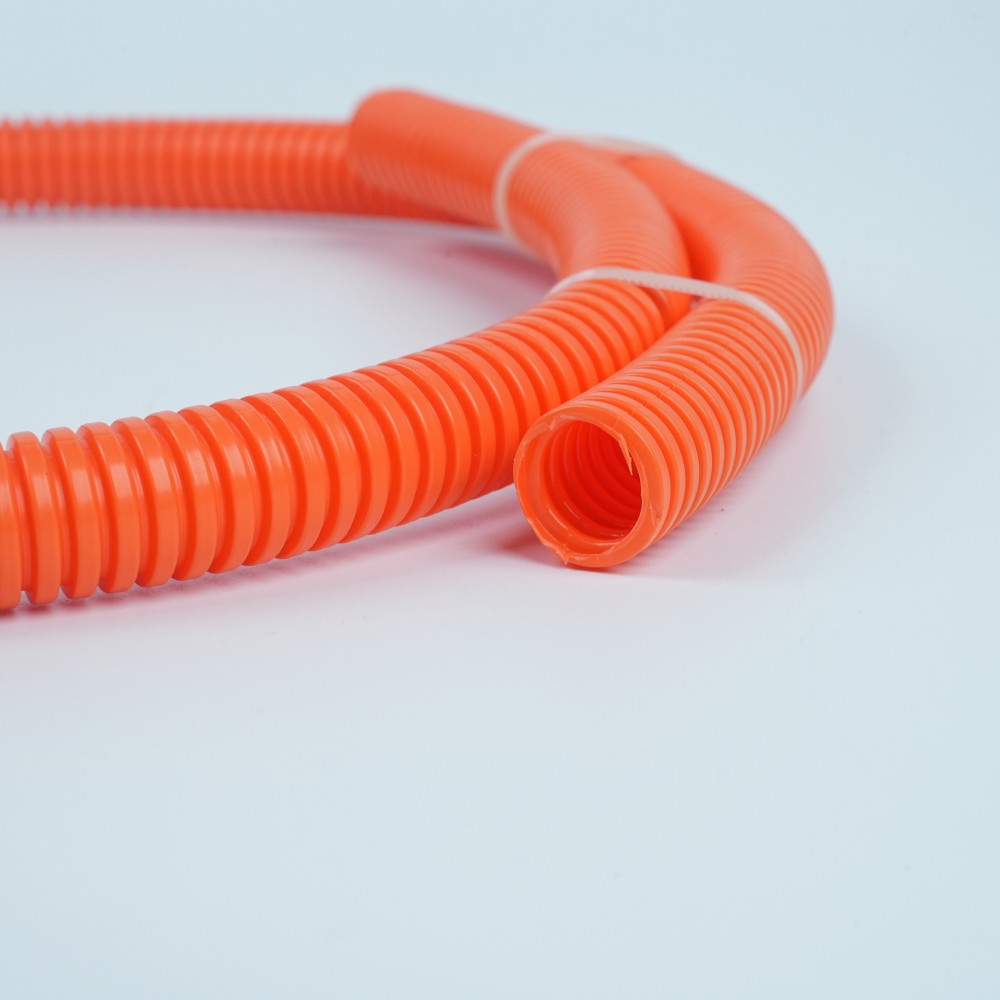
Understanding the fundamentals of corrugated tubing ensures you make informed decisions that align with your application requirements. This guide walks you through the essential criteria for evaluating and selecting corrugated conduit, from material composition to environmental resistance, ensuring your branching wire harnesses remain protected throughout their operational life.
Understanding Corrugated Conduit Materials and Construction
Material Options for Cable Routing
Corrugated conduit is manufactured from several material families, each offering distinct advantages for different cable routing scenarios. Nylon-based corrugated tubing provides excellent flexibility, chemical resistance, and cost-effectiveness for most automotive harness applications. Polyethylene options offer enhanced flame retardancy and UV resistance, making them suitable for outdoor and high-temperature automotive harness environments. Polypropylene variants deliver superior rigidity and thermal stability in demanding industrial settings.
The choice between these materials fundamentally depends on your operating environment and regulatory compliance needs. For automotive harness systems subject to underhood temperatures, flame-retardant nylon corrugated tubing is often the industry standard. In marine or outdoor applications where UV exposure is constant, polyethylene-based corrugated conduit provides superior longevity and performance consistency.
Wall Thickness and Construction Quality
Wall thickness in corrugated tubing directly correlates with abrasion resistance and protective capability. Thicker walls provide superior puncture resistance and mechanical strength, particularly important in automotive harness routing where vibration and contact with sharp surfaces occur regularly. Standard constructions range from 0.5mm to 2.0mm, with selection depending on environmental severity and cable routing complexity.
Quality corrugated conduit exhibits consistent wall thickness throughout the product length, uniform corrugation patterns, and minimal defects. When evaluating cable routing solutions, inspect samples for internal surface smoothness, proper corrugation formation, and structural integrity. Superior corrugated tubing minimizes friction during wire installation and reduces the risk of insulation damage during branching harness assembly.
Critical Performance Factors for Application Selection
Temperature and Environmental Resistance
Operating temperature range is a fundamental specification that determines corrugated conduit suitability for your specific application. Automotive harness systems often experience -40°C to +85°C temperature cycling in underhood environments, requiring corrugated tubing engineered for thermal cycling stability. Standard nylon corrugated conduit typically handles this range effectively, but high-performance variants extend upper limits to 120°C or beyond for specialized applications.
Environmental resistance encompasses chemical exposure, moisture absorption, and UV degradation—all critical for cable routing durability. Oil, coolant, and fuel exposure are common in automotive harness environments, making chemical-resistant corrugated tubing essential. Similarly, branching harness systems in outdoor cable routing applications require UV-stabilized corrugated conduit to prevent brittleness and performance degradation over extended service periods.
Flame Retardancy and Safety Compliance
Regulatory compliance is non-negotiable in automotive harness and industrial cable routing applications. Corrugated conduit must meet flammability standards such as UL 1581, UL 2054, or equivalent certifications depending on your market and application type. Flame-retardant corrugated tubing ensures that in the event of electrical fault, the protective sleeve does not propagate fire or release excessive smoke, protecting both equipment and personnel.
Specification sheets for corrugated conduit should clearly identify flame rating classifications and test methodologies. When selecting corrugated tubing for branching wire harnesses, never compromise on flame-retardant properties, as this directly impacts safety compliance and liability exposure. Many automotive harness manufacturers now require V-1 or V-0 flame ratings as minimum specifications for corrugated conduit used in their systems.
Practical Selection Criteria and Installation Considerations
Inner Diameter Matching and Flexibility
Inner diameter selection for corrugated conduit must accommodate your wire bundle diameter with appropriate clearance—typically 1.5 to 2.0 times the wire bundle outer diameter for optimal cable routing performance. Oversized corrugated tubing creates loose fit and reduces protection, while undersized variants cause installation difficulty and potential wire damage. For branching harnesses where multiple wire groups diverge, selecting corrugated conduit with appropriate flexibility is essential.
Flexibility metrics in corrugated tubing specifications indicate bend radius capability and ease of installation during cable routing. Tighter bend radii enable compact harness designs and complex routing paths, while maintaining structural integrity under vibration. When evaluating corrugated conduit for your specific application, test bend radius capability with representative wire loads to ensure performance meets installation requirements.
Cost Optimization and Long-Term Value
While corrugated conduit pricing varies significantly by material and specification, the cheapest option often proves most expensive over the product lifecycle. Inferior corrugated tubing exhibits premature brittleness, reduced abrasion protection, and higher failure rates in automotive harness or demanding cable routing applications. Investing in quality corrugated conduit reduces warranty claims, field failures, and system redesign costs associated with protective sleeve degradation.
Bulk purchasing arrangements and supply chain continuity should factor into corrugated tubing selection. Establishing relationships with reliable corrugated conduit suppliers ensures consistent quality, availability during production ramps, and technical support for troubleshooting. Long-term cost analysis must consider not only material price but also installation efficiency, failure rates, and customer satisfaction implications.
FAQ
What is the difference between corrugated conduit and split tubing for cable routing?
Corrugated conduit provides continuous protection around the entire wire bundle, offering superior abrasion resistance and environmental shielding compared to split tubing. Split tubing, designed for easier retrofit installations, sacrifices some protective continuity. For new automotive harness designs and critical cable routing applications, continuous corrugated tubing delivers better long-term performance and protection consistency.
How do I determine the correct flame rating for corrugated conduit in my application?
Consult your original equipment manufacturer specifications, regional regulatory standards, and industry guidelines specific to your application sector. Automotive harness systems typically require V-1 flame-rated corrugated conduit minimum, while aerospace and defense applications demand V-0 or higher classifications. Always verify corrugated tubing certifications match your target market's regulatory requirements before finalizing material selection.
Can corrugated conduit be used outdoors for extended periods?
Standard corrugated tubing degrades under prolonged UV exposure, typically lasting 2-5 years outdoors depending on climate and material composition. UV-stabilized corrugated conduit formulations extend outdoor life to 10+ years, making them suitable for permanent cable routing installations. When selecting corrugated tubing for outdoor applications, always specify UV-resistant variants and verify UV resistance testing data from the manufacturer.
 EN