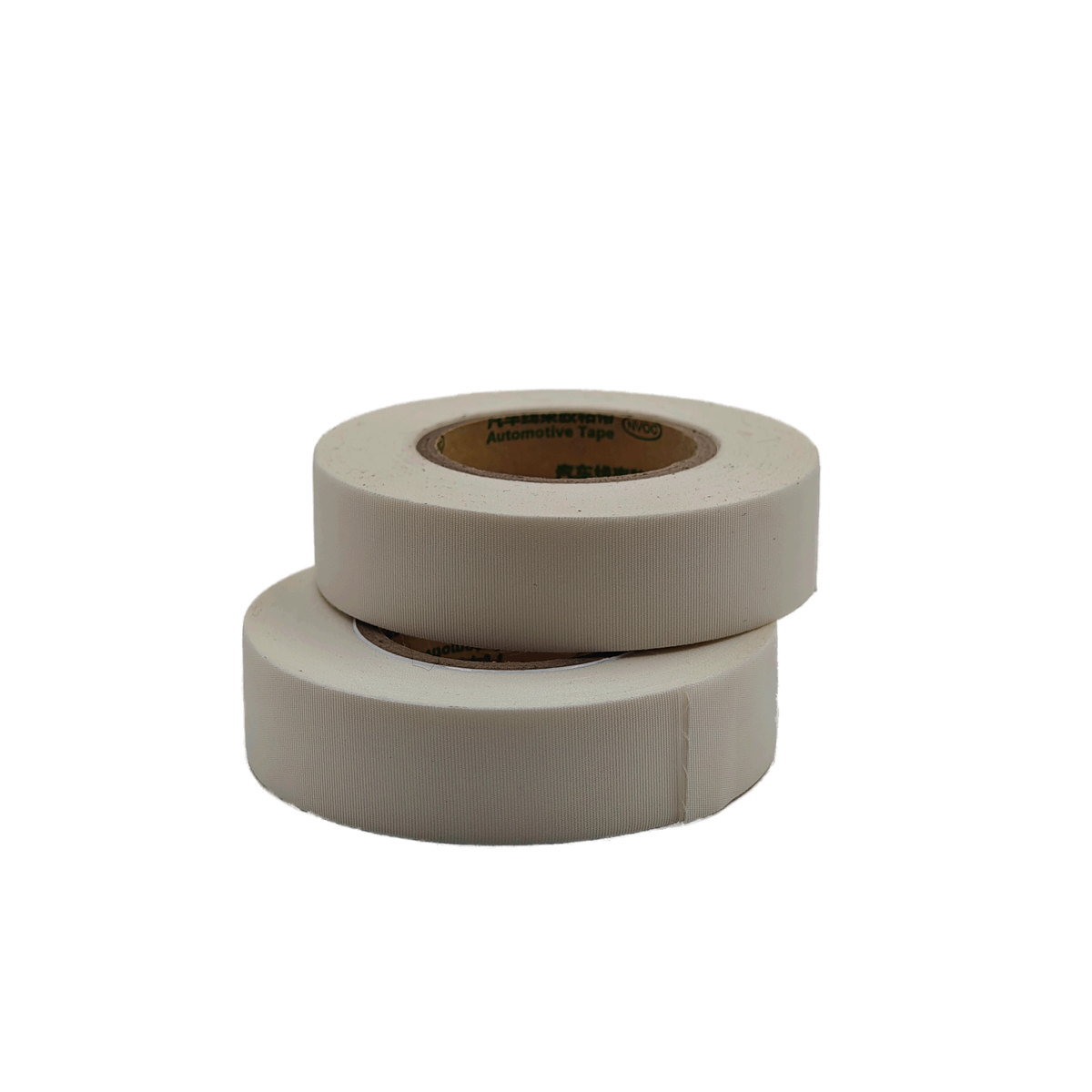
Selecting the right protective material for high-temperature wire applications demands careful consideration of multiple factors. Acetate cloth tape has emerged as a trusted solution in industries ranging from automotive manufacturing to industrial equipment assembly, offering reliable protection for sensitive electrical components exposed to elevated temperatures. Understanding how to evaluate and choose acetate cloth tape ensures your cable wrapping meets both performance requirements and regulatory standards.
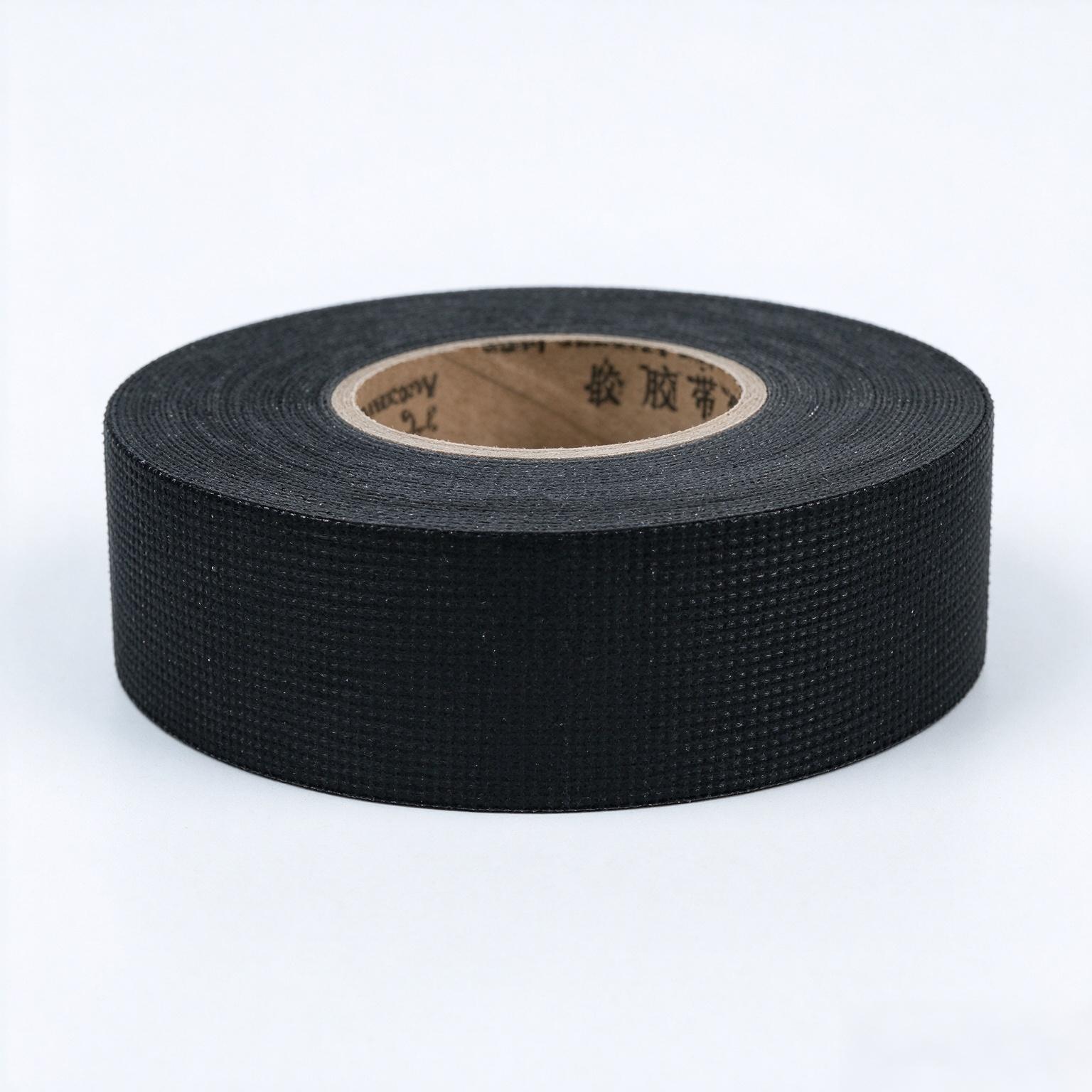
When evaluating heat resistant tape options, the choice hinges on understanding your specific application environment, temperature exposure limits, mechanical stress factors, and chemical compatibility needs. This comprehensive guide walks you through the decision-making process, helping you identify the acetate cloth tape that delivers optimal performance while maintaining cost efficiency and compliance with industry standards.
Understanding Temperature Ratings and Material Composition
Core Temperature Performance Specifications
Heat resistant tape materials vary significantly in their maximum operating temperatures and thermal stability profiles. Acetate cloth tape typically maintains structural integrity and electrical insulation properties across a temperature range that accommodates most automotive harness applications, industrial wiring systems, and equipment protection scenarios. The material composition combines a woven acetate cloth backing with a specialized adhesive formulation designed to resist thermal degradation, preventing adhesive migration or tape separation under sustained heat exposure.
Before selecting a heat resistant tape product, verify the manufacturer's published temperature rating specifications against your specific application requirements. Many cable wrapping solutions carry different maximum continuous-use temperatures versus short-term peak temperatures, requiring careful cross-referencing with your equipment operating conditions. The adhesive system in quality acetate cloth tape formulations resists breakdown at elevated temperatures while maintaining adhesion strength throughout the intended service life.
Adhesive System Compatibility Considerations
The adhesive layer in acetate cloth tape interacts with underlying wire insulation materials, protective coatings, and environmental contaminants in ways that directly influence long-term performance reliability. Premium heat resistant tape products feature adhesive systems that balance strong initial tack with stable long-term adhesion without creating permanent residue or causing underlying insulation degradation when removed. For automotive harness applications where frequent assembly or service access may be necessary, selecting acetate cloth tape with removable yet reliable adhesion properties proves particularly valuable.
Evaluating Cable Wrapping Requirements and Environmental Factors
Mechanical Stress and Abrasion Resistance
Wire bundles in automotive and industrial environments experience continuous mechanical stresses from vibration, flexing, thermal cycling, and contact with sharp edges or moving components. Acetate cloth tape provides mechanical protection through its woven fabric structure, which distributes stress across the tape surface and resists puncturing or tearing from moderate impact. When evaluating cable wrapping products, assess whether the acetate cloth tape thickness and weave density align with the expected mechanical hazard levels in your specific installation environment.
The tensile strength and tear resistance of heat resistant tape directly correlate to long-term durability in vibration-prone environments. Thicker acetate cloth tape formulations generally offer superior mechanical protection for bundles experiencing significant flex cycles or exposure to abrasive surfaces. Testing tape samples under representative mechanical stress conditions before full-scale deployment helps validate that your chosen heat resistant tape maintains integrity throughout the expected service interval.
Environmental Exposure and Chemical Compatibility
Automotive harness systems frequently encounter exposure to automotive fluids, cleaning solvents, oils, salts, and moisture that can compromise tape performance if material compatibility is overlooked. Acetate cloth tape with appropriate chemical resistance ratings protects against fluid absorption, adhesive softening, and physical degradation when exposed to common automotive environment contaminants. Verify that your selected heat resistant tape carries compatibility documentation for any fluids, lubricants, or cleaning agents present in your specific application context.
Moisture ingress represents a particular concern in cable wrapping applications where humidity fluctuations or condensation exposure may occur. Quality acetate cloth tape products incorporate moisture barriers and adhesive systems that resist swelling, delamination, or adhesive failure when exposed to humid conditions or temporary water contact. For applications in marine, coastal, or high-humidity industrial environments, selecting heat resistant tape with explicit moisture resistance ratings becomes especially important for maintaining electrical safety and mechanical integrity.
Selection Criteria and Performance Validation Methods
Standards Compliance and Certification Requirements
Automotive and industrial electrical applications typically require heat resistant tape and cable wrapping materials that meet established performance standards such as UL, IEC, or automotive-specific specifications. Acetate cloth tape products certified to relevant standards provide assurance that the material has undergone rigorous testing for temperature stability, dielectric strength, flame resistance, and other critical performance attributes. Before finalizing your selection, confirm that your chosen acetate cloth tape carries appropriate certifications for your specific regulatory environment and industry requirements.
Many aerospace, military, and automotive tier-one specifications mandate specific performance testing or material qualification procedures for cable wrapping solutions. Reviewing your application's technical requirements against manufacturer documentation for acetate cloth tape helps prevent costly rework or compliance failures. Request test reports or certificates of conformance from suppliers to document that the heat resistant tape meets your documented specifications and maintains traceability throughout your supply chain.
Practical Testing and Performance Validation
Conducting small-scale prototype testing with candidate acetate cloth tape products under representative application conditions provides valuable performance validation before committing to production-scale deployment. Simple tests evaluating tape adhesion stability at temperature extremes, mechanical stress performance, and environmental resistance help differentiate between competing cable wrapping solutions. Documentation of test results creates a reference baseline for ongoing quality assurance and supports decision justification within your organization.
Supplier collaboration in the evaluation process often yields valuable technical insights regarding acetate cloth tape application best practices, installation techniques that optimize performance, and environmental factors that may influence long-term reliability. Many heat resistant tape manufacturers provide technical support for custom application requirements or challenging environmental scenarios. Engaging with supplier resources during your evaluation phase improves the probability of successful implementation and identifies potential performance risks before production deployment.
FAQ
What temperature range is typical for acetate cloth tape used in automotive harness applications?
Most quality acetate cloth tape products maintain reliable performance across continuous temperature ranges from approximately 80°C to 120°C, with some premium formulations extending into higher temperature bands for specialized applications. Automotive harness systems typically operate comfortably within these temperature parameters, though transient peak temperatures may occasionally exceed these continuous ratings. Always verify the specific heat resistant tape product's published temperature ratings against your equipment's actual operating temperature profile, including seasonal variations and thermal transient conditions that occur during engine startup or high-load operation.
How does acetate cloth tape compare to other cable wrapping material options for heat resistance?
Acetate cloth tape offers an effective balance between thermal protection, mechanical strength, cost efficiency, and ease of application compared to alternative cable wrapping solutions. While premium materials like polyimide tape may offer extended temperature capabilities, acetate cloth tape delivers superior performance for most mainstream automotive and industrial applications at significantly lower cost. The woven fabric structure provides better mechanical protection than film-based heat resistant tape alternatives, making acetate cloth tape particularly suitable for applications requiring both thermal insulation and abrasion resistance.
What installation techniques optimize acetate cloth tape performance in cable protection applications?
Proper installation begins with clean, dry wire surfaces free from oils, solvents, or debris that might compromise adhesion of the heat resistant tape. Apply acetate cloth tape with uniform tension and overlapping wraps of approximately 50% per layer to ensure complete coverage and maximize mechanical protection in cable wrapping applications. Smooth the tape surface during application to eliminate air pockets that might trap moisture or reduce adhesive contact. For automotive harness bundles, consider applying tape in a helical pattern to accommodate flexing and thermal expansion while maintaining protective coverage throughout the service life of your wired assembly.
 EN