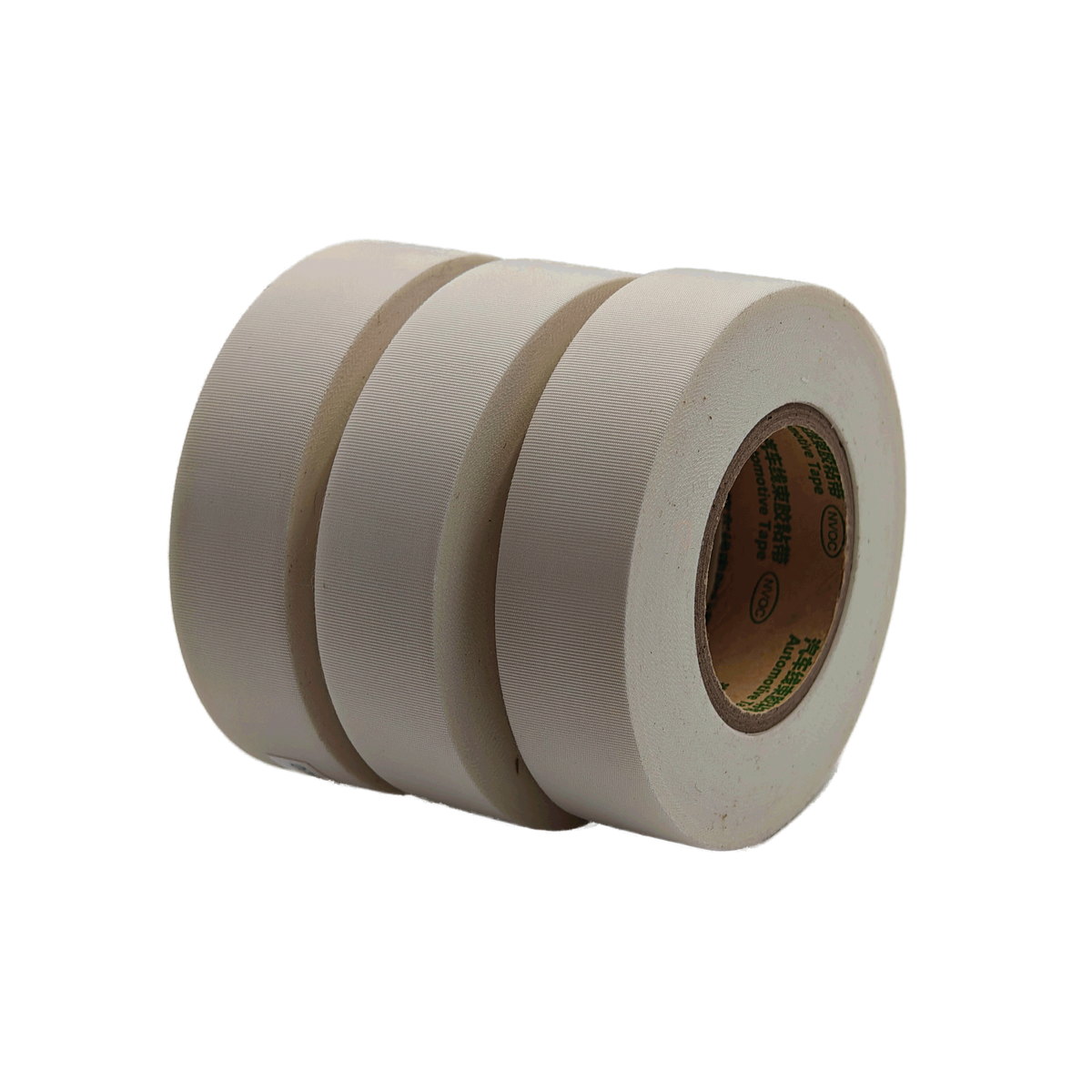
Protecting cables in demanding environments requires careful material selection, and acetate cloth tape has emerged as a reliable solution for abrasion-prone cable runs. When cables encounter friction, vibration, or contact with sharp edges, the insulation degrades quickly without proper protection. Choosing the right cloth tape directly impacts system longevity, safety, and maintenance costs. This guide walks you through the critical factors that determine whether acetate cloth tape is the optimal choice for your specific cable protection needs.
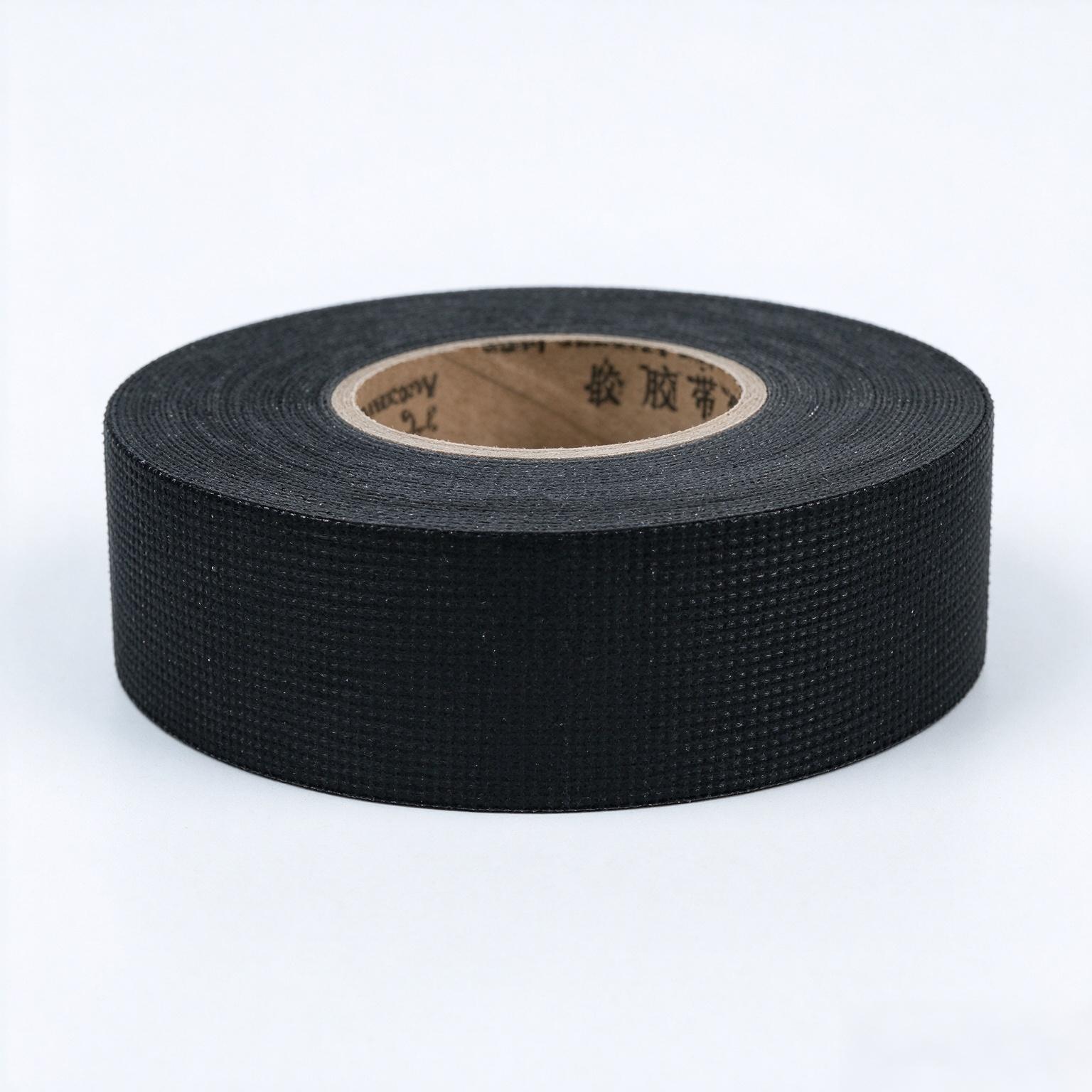
Abrasion damage in cable systems creates two immediate problems: electrical failures and safety hazards. Cable insulation compromised by abrasion exposes live conductors, increasing shock risk and fire potential. Industrial equipment, automotive harness installations, and aerospace systems all depend on protective wrapping to maintain cable integrity. Heat resistant tape combined with cloth tape substrates provides dual benefits—mechanical protection and thermal stability. Understanding how these properties interact helps you make an informed decision for your application.
Evaluating Material Composition and Abrasion Resistance
The foundation of choosing the right cloth tape lies in understanding its material structure. Acetate cloth tape uses a woven fabric backing coated with pressure-sensitive adhesive. The fabric weave density determines how effectively the tape resists tearing when cables bend repeatedly or rub against mounting hardware. A tightly woven acetate cloth provides superior protection against puncture and fraying compared to loosely woven alternatives. The adhesive layer must bond securely to cable insulation while remaining removable without leaving residue that attracts dirt and contaminants.
Assessing Weave Density and Tensile Strength
Weave density directly affects the tape's resistance to mechanical stress. Higher thread count cloth tape maintains dimensional stability under continuous vibration and flexing. Test the tape's tensile strength by checking manufacturer specifications—quality acetate cloth tape typically shows tensile strength between 20 and 40 pounds per inch. This metric tells you how much pulling force the tape can withstand before tearing. For automotive harness applications subject to constant engine vibration and temperature cycling, selecting cloth tape with proven tensile ratings ensures lasting protection. Lower-quality alternatives fail prematurely when exposed to these conditions.
Checking Adhesive Quality and Temperature Stability
The adhesive backing must remain tacky across temperature extremes while maintaining bond strength. Heat resistant tape formulations use synthetic rubber or acrylic-based adhesives engineered for thermal stability. In automotive harness installations, temperatures near engines reach 80 to 120 degrees Celsius, requiring heat resistant tape that doesn't soften or migrate away from the cable surface. Conversely, adhesive brittleness at low temperatures causes the tape to crack and separate. Look for acetate cloth tape rated for the specific temperature range your installation will experience—typically minus 10 to plus 80 degrees Celsius for general industrial use.
Matching Tape Selection to Cable Environment and Application
No single tape solution fits every situation because cable runs exist in vastly different physical environments. The location of cables, proximity to moving parts, exposure to chemicals, and temperature fluctuations all demand tailored tape selection. Acetate cloth tape excels in moderate-temperature, dry environments with mechanical abrasion risks. For automotive harness protection, cloth tape provides reliable insulation against engine bay vibration and minor thermal exposure. Understanding your specific environment prevents over-specification and unnecessary cost while avoiding under-protection that leads to failure.
Industrial and Machinery Applications
Manufacturing plants, machinery installations, and industrial equipment expose cables to oils, cutting fluids, and continuous vibration. Cloth tape in these settings must resist solvent penetration and maintain adhesion despite contamination. Acetate cloth tape with specialized adhesive formulations resists petroleum-based oils better than standard versions. The fabric weave itself provides mechanical filtration—dust and debris rest on the tape surface rather than directly contacting insulation. For applications with moderate chemical exposure and high vibration, quality cloth tape extends cable service life significantly. Inspect the tape's chemical resistance chart to confirm compatibility with fluids present in your facility.
Automotive and Thermal-Sensitive Environments
Automotive harness protection demands heat resistant tape that maintains flexibility and adhesion in engine compartments where temperatures spike rapidly. Standard cloth tape softens excessively at these temperatures, causing it to slip and bunch. Purpose-designed automotive harness cloth tape incorporates heat-resistant adhesives that remain stable at operating temperatures while preserving flexibility. The fabric must stretch slightly to accommodate vibration without cracking. When selecting cloth tape for automotive applications, verify that the product specifically targets automotive harness use, as general-purpose acetate cloth tape may fail prematurely in this demanding environment.
Installation Best Practices and Performance Validation
Proper installation determines whether selected acetate cloth tape performs as intended. The tape's effectiveness depends on uniform coverage, sufficient tension during application, and correct overlap patterns. Loose wrapping allows movement and premature tape separation, negating the protection benefit. Tight wrapping without excessive tension holds the cable securely while the adhesive bonds thoroughly. Heat resistant tape performs optimally when applied to clean cable surfaces free of dust, oils, and other contaminants that interfere with adhesion. Understanding installation requirements ensures your investment in quality cloth tape delivers reliable protection throughout the cable's service life.
Application Technique and Surface Preparation
Begin by cleaning the cable surface with a lint-free cloth and mild solvent appropriate for the insulation material. Residual dust and oils prevent proper adhesive contact and reduce tape longevity. Apply the acetate cloth tape in overlapping spirals, maintaining 50 percent overlap between successive wraps. This overlap pattern provides redundant protection—if one layer experiences minor damage, underlying tape continues protecting the cable. Avoid gaps between wraps where abrasion can directly contact insulation. For complex cable geometries with multiple layers, start with flexible cloth tape to conform to irregular shapes, then apply a protective outer wrap using higher-durability acetate cloth tape.
Testing and Long-Term Monitoring
After installation, perform visual inspection at regular intervals to identify tape degradation early. Look for separation at edges, bubbling adhesive, or visible fraying in the cloth weave. These signs indicate the tape requires replacement before insulation damage occurs. Environmental exposure accelerates cloth tape aging, especially heat resistant tape in high-temperature applications. Establish a maintenance schedule based on the harness environment and tape specifications. Thermal cycling causes cumulative stress on adhesive bonds, so yearly inspections during seasonal transitions catch problems before they cause electrical failures. Proactive monitoring transforms reactive maintenance into planned replacement, minimizing downtime and safety risks.
FAQ
What makes acetate cloth tape better than plastic alternatives for cable protection?
Acetate cloth tape provides superior conformability to irregular cable shapes and maintains flexibility across temperature ranges where plastic tape becomes brittle or excessively soft. The woven fabric structure resists puncture and tearing better than solid plastic films. Additionally, cloth tape breathes slightly, allowing moisture to dissipate rather than accumulating beneath the wrap. This moisture management prevents adhesive degradation and insulation corrosion in humid environments. For applications requiring both mechanical protection and environmental resistance, cloth tape typically outlasts plastic alternatives despite higher initial cost.
How do I know if I need heat resistant tape specifically?
Evaluate your cable's operating environment temperature range against the tape's rated specifications. If cables experience sustained temperatures above 70 degrees Celsius or rapid thermal cycling between extremes, heat resistant tape becomes necessary. Standard adhesives lose tackiness and migrate when exposed to continuous heat, causing tape separation. In automotive harness applications and industrial equipment near heat sources, investing in heat resistant tape prevents premature failure and ensures cable safety. Check manufacturer temperature ratings carefully—some products claim heat resistance at 80 degrees Celsius, while others operate reliably to 120 degrees or higher. Match the tape rating to your actual maximum operating temperature with a safety margin of at least 10 to 15 degrees Celsius.
Can acetate cloth tape be used on all cable insulation types?
Acetate cloth tape works with most standard cable insulation materials including PVC, polyethylene, and rubber compounds commonly found in industrial and automotive harnesses. However, some specialty insulation materials and cables with unusual surface properties may require compatibility testing. Certain silicone-based or heavily plasticized insulation can cause adhesive issues or tape slippage. Before full-scale application, wrap a test section and monitor for adhesion problems under your intended operating conditions. This precaution prevents discovering incompatibility after wrapping miles of cable harness. If compatibility concerns exist, contact the tape manufacturer with specific insulation material details for technical guidance.
 EN