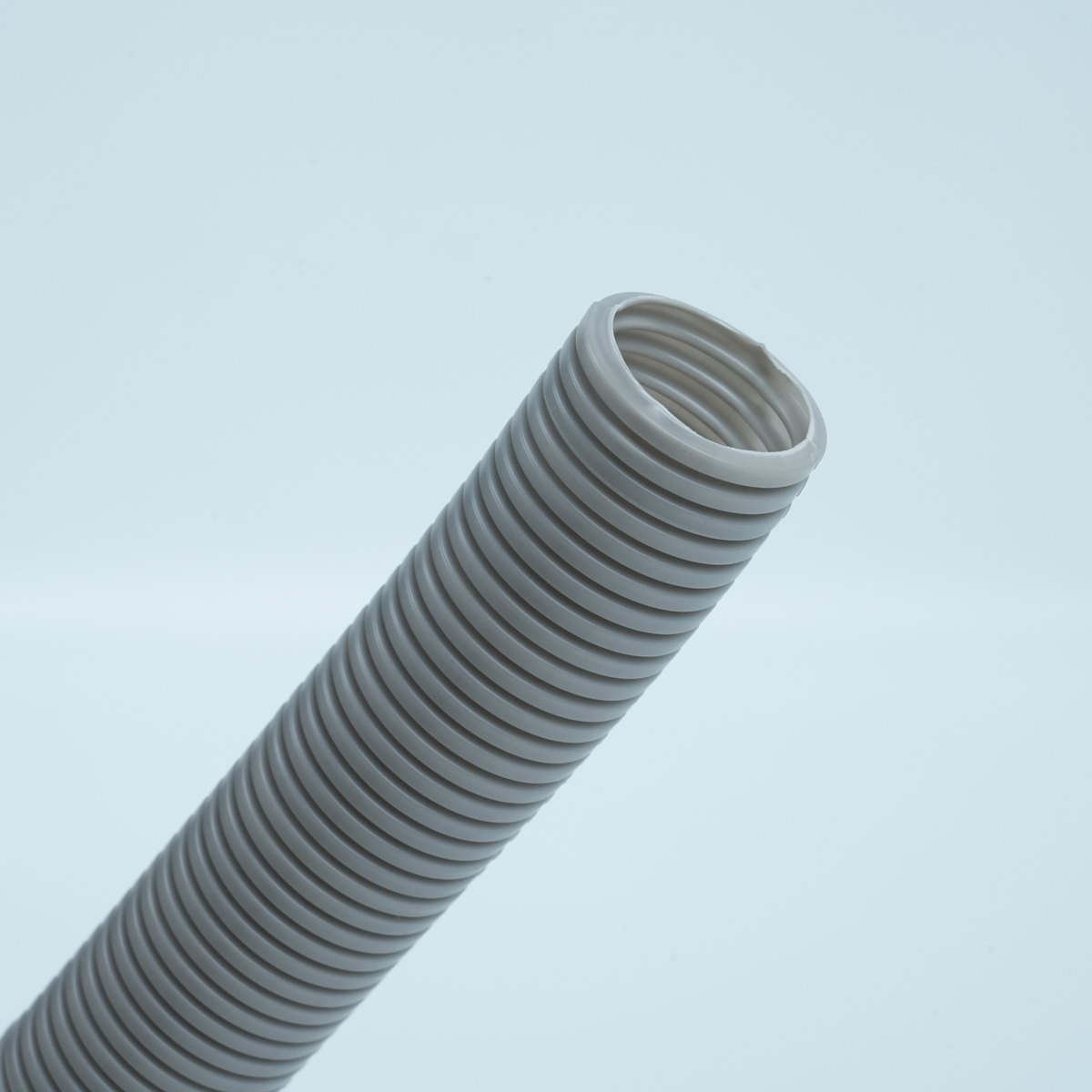
Creating a detailed wire loom conduit specification is critical for obtaining accurate supplier quotations and ensuring your cable protection meets industrial performance standards. When you approach suppliers without clear specifications, you risk receiving misaligned quotes, incompatible materials, and products that fail to meet your operational requirements. A well-structured specification bridges the gap between your engineering needs and supplier capabilities, enabling competitive bidding and reducing procurement delays.
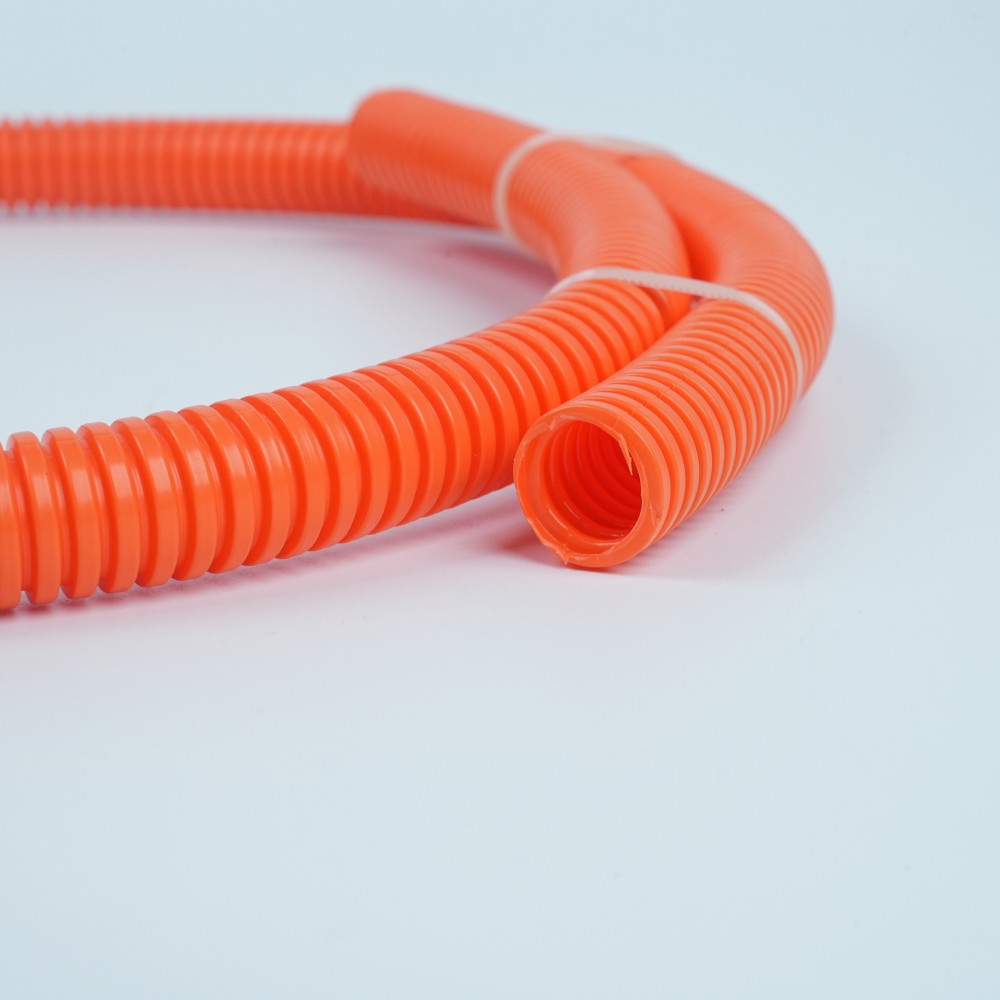
The specification process begins with understanding your application environment, cable types, routing constraints, and performance expectations. Whether you are protecting automotive wiring harnesses, industrial machine cables, or commercial HVAC systems, the foundational details you document directly influence quote accuracy and long-term cable protection reliability. This guide walks you through each essential component needed to build a professional wire loom conduit specification that suppliers can respond to confidently.
Understanding Your Core Cable and Environmental Requirements
Define Cable Dimensions and Types
Begin by documenting the exact diameter and bundle diameter of the cables that will run through your wire loom. Measure not just individual wire gauge, but the outer diameter of your complete cable assembly, including any existing protective layers. List the cable types: twisted pair, coaxial, multi-conductor, or hybrid bundles. Suppliers use this information to determine the minimum conduit bore size required for ease of installation and future maintenance. Undersizing creates installation friction and potential cable damage, while oversizing increases material cost and reduces mechanical protection.
Identify Environmental Operating Conditions
Document the temperature range your wire loom conduit must withstand during operation and storage. Include exposure to UV radiation, moisture, oils, coolants, or aggressive chemicals specific to your facility. If the application requires flame resistance or smoke suppression, state this explicitly with reference to relevant standards such as UL 94, IEC 60811, or automotive specifications. Environmental specifications prevent suppliers from suggesting unsuitable materials and ensure your protection system survives the full lifecycle of your equipment.
Specifying Material Properties and Performance Standards
Material Selection and Split Loom Considerations
Choose your conduit material based on application demands. Nylon offers lightweight flexibility and good abrasion resistance for general industrial use. Polyethylene provides superior chemical resistance for harsh environments. Fluoropolymer tubes deliver extreme temperature and chemical tolerance for aerospace or specialty applications. If your design includes a split loom structure for quick cable access or retrofit scenarios, specify this explicitly and note the split configuration: full length, partial section, or hinged design. Split loom designs affect manufacturing cost and performance characteristics, so clear communication prevents misunderstandings.
Specification of Flame Retardancy and Safety Standards
State your required flame-retardant rating and any applicable certification standards. Many industrial applications demand UL 94 V-0 or V-1 compliance to meet safety code requirements. Automotive cable routing may require compliance with ISO 6722 or manufacturer-specific thermal durability standards. Include smoke density limits if your application is in enclosed spaces or safety-critical environments. Suppliers maintain different material grades for different performance tiers, and clear standard references eliminate ambiguity and ensure quote accuracy. Document any specific testing or quality assurance requirements your organization or end-user mandates.
Establishing Cable Routing and Installation Specifications
Cable Routing Path and Conduit Length Requirements
Detail the physical cable routing path, including total length of wire loom conduit needed and any bend radius constraints. Specify whether the conduit runs in straight sections, tight radius bends, or complex 3D paths with multiple direction changes. Include the minimum bend radius your cables can tolerate; rigid conduit requires larger bend radii than split loom or accordion-style tubing. Note anchor points, strain relief locations, and any sections requiring enhanced abrasion protection at sharp edges. Suppliers use routing geometry to assess material thickness, reinforcement requirements, and manufacturing feasibility, directly impacting both cost and performance.
Attachment Methods and Installation Workflow
Specify how the wire loom conduit will attach to your equipment frame or cable tray. Include information on clip spacing, fastener compatibility, and whether you need built-in strain relief features or adhesive mounting surfaces. Describe whether technicians will pre-install the conduit before cable insertion or run cables first and slide the conduit over them. If your application uses split loom, document the reassembly process and any locking or sealing requirements after cable installation. Clear installation guidance enables suppliers to recommend appropriate features and accessories, reducing field installation errors and warranty claims.
FAQ
What information should I prioritize in my initial specification draft?
Start with cable diameter, operating temperature range, and environmental exposure details. These three elements determine material compatibility and bore size. Next, add any mandatory compliance standards or flame-retardant ratings. Finally, specify your routing length, bend radius requirements, and attachment method. This prioritized approach gives suppliers the core information needed for preliminary quotes while you refine secondary details.
How detailed should my wire loom conduit specification be before contacting suppliers?
Your specification should be detailed enough that three different suppliers quote essentially the same product configuration. If quotations vary wildly in material type, bore size, or price without clear justification, your specification lacks sufficient detail. Include drawings, dimensional sketches, and reference standards when possible. A detailed specification accelerates the quoting process and increases confidence in supplier recommendations for complex cable routing scenarios.
Can I use industry-standard references to simplify my wire loom specification?
Yes, referencing established standards such as IEC 61076, automotive industry specifications, or your organization's internal standards reduces specification length while maintaining clarity. However, always include application-specific details like cable bundle diameter, bend radius, and environmental exposure alongside standard references. Suppliers appreciate standard citations but still need your unique application context to provide accurate quotes and product recommendations.
 EN