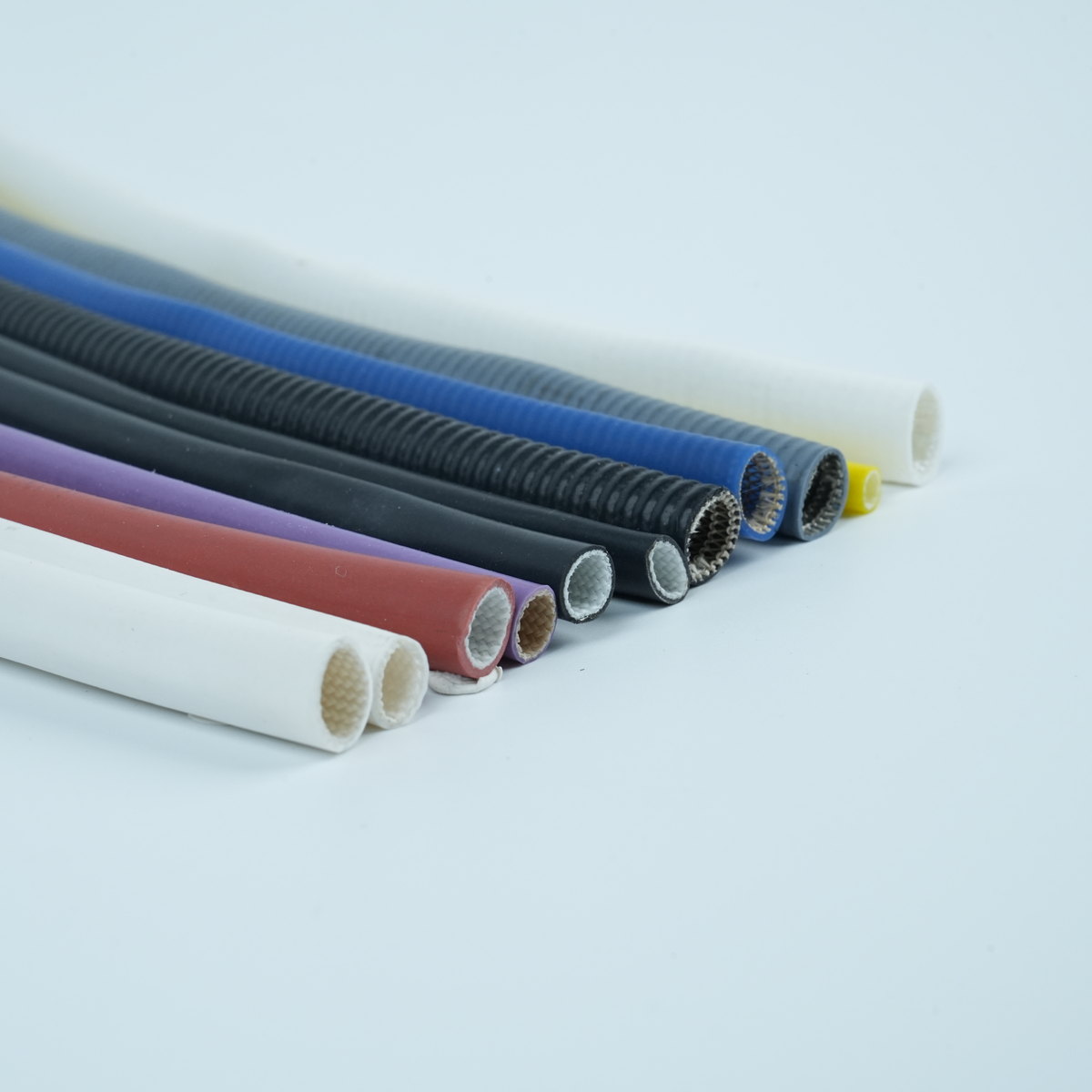
Creating a comprehensive PTFE sleeving specification is essential for obtaining accurate supplier quotations and ensuring your cable protection requirements are met. A well-defined specification eliminates ambiguity, reduces back-and-forth communication with suppliers, and helps you compare quotations on equal terms. When you send vague or incomplete specifications to suppliers, you receive inconsistent responses, inflated prices due to uncertainty, and products that may not meet your actual needs. Building a clear PTFE sleeving specification requires understanding the critical parameters that define performance, durability, and compatibility with your application.
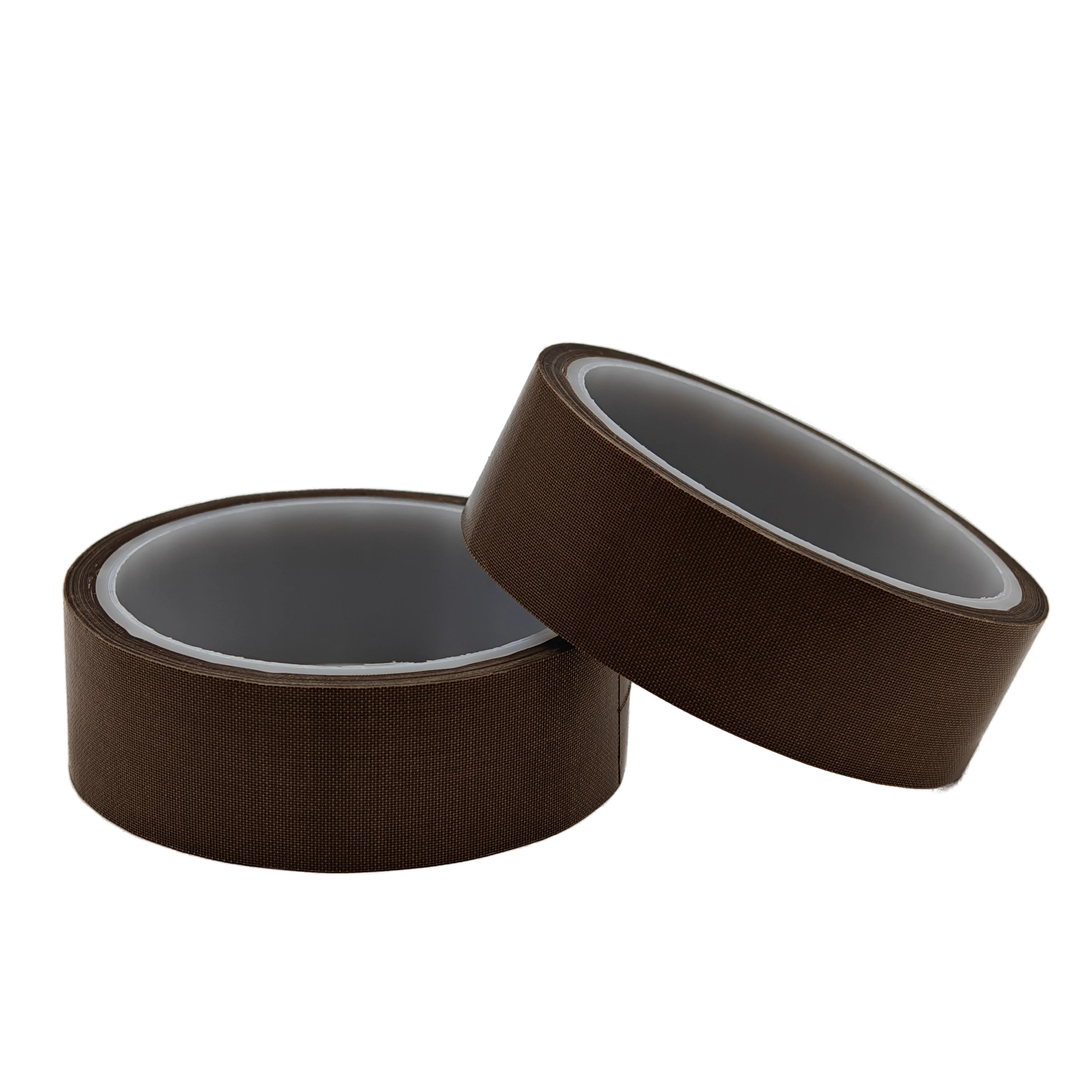
The process of developing a supplier quotation specification for PTFE tubing involves multiple technical dimensions. You must define inner diameter tolerances, wall thickness requirements, electrical insulation properties, temperature rating expectations, chemical resistance needs, and quantity volumes. Each parameter influences pricing, lead times, and whether the product delivers the cable protection your operations demand. Industrial buyers who invest time upfront to document these specifications receive better-quality responses from suppliers, negotiate more effectively, and ultimately reduce project delays and cost overruns.
Defining Core Dimensional and Material Requirements
Inner Diameter and Wall Thickness Specifications
The foundation of any PTFE sleeving specification begins with precise dimensional requirements. Inner diameter must accommodate your cable bundle without excessive compression, which can damage insulation layers. Wall thickness determines the level of cable protection your application requires. Thinner walls reduce material cost but provide minimal abrasion resistance, while thicker walls offer superior cable protection but increase expenses. Suppliers need these exact measurements expressed in metric or imperial units with explicit tolerance ranges.
When specifying PTFE tubing, provide both nominal and tolerance ranges. For example, specify an inner diameter of 6.35 mm ±0.10 mm rather than simply stating '6.35 mm'. This precision ensures consistent cable protection across all units produced. State wall thickness in similar detail, noting whether you need standard commercial tolerances or tighter specifications for critical applications. Including these dimensional parameters in your PTFE sleeving specification prevents misunderstandings and eliminates the need for costly revisions after initial quotes arrive.
Material Grade and Purity Considerations
PTFE material comes in various purity grades, each offering different performance characteristics for electrical insulation and cable protection. Standard virgin PTFE provides baseline performance, while enhanced grades incorporate additives to improve specific properties like thermal conductivity or mechanical strength. Your specification must state which grade you require and why, based on your operating environment and performance expectations. For pharmaceutical, semiconductor, or food processing applications, higher purity PTFE tubing may be mandatory to prevent contamination.
When defining your PTFE sleeving specification, consider whether virgin material or recycled PTFE meets your needs. Virgin PTFE generally offers superior electrical insulation properties and cleaner performance, while recycled material can reduce costs in less demanding applications. Specify any required certifications, such as FDA compliance for food contact or UL ratings for electrical safety. These material distinctions directly impact supplier pricing and the quality of electrical insulation delivered to your application.
Establishing Performance and Environmental Parameters
Temperature Rating and Thermal Stability
Your PTFE tubing operates within a specific temperature range, and this parameter must be clearly defined in your quotation specification. PTFE naturally withstands continuous temperatures up to approximately 200°C, but application-specific performance depends on your operating window. If your cable protection system experiences temperatures below 0°C or above 150°C, document these extremes explicitly. Suppliers need this information to confirm their standard product meets your needs or to propose alternatives.
Temperature cycling represents another critical consideration for PTFE sleeving specifications. If your application involves repeated thermal expansion and contraction, mention the expected number of cycles and temperature differentials. This helps suppliers assess whether standard PTFE tubing offers adequate cable protection or whether reinforced variants become necessary. Thermal stress can compromise electrical insulation integrity over time, making this specification parameter essential for long-term reliability.
Chemical Resistance and Environmental Exposure
The chemical environment surrounding your cables directly affects PTFE sleeving performance. PTFE exhibits exceptional resistance to most chemicals, oils, and solvents, making it ideal for cable protection in harsh industrial settings. However, your specification should detail specific substances your tubing will contact, including coolant types, cleaning agents, or process chemicals. Strong bases and certain fluorine-containing compounds represent rare exceptions to PTFE's general chemical resistance.
Include environmental exposure details in your PTFE tubing specification, such as UV exposure, moisture immersion, or atmospheric corrosion risk. If cables run outdoors or near salt spray environments, note this requirement. Suppliers can then recommend appropriate additives or surface treatments that enhance cable protection without compromising electrical insulation characteristics. Neglecting environmental factors in your PTFE sleeving specification often results in premature degradation and unanticipated replacement costs.
Quantifying Electrical and Compliance Requirements
Dielectric Strength and Voltage Rating
Electrical insulation properties form a critical component of your PTFE sleeving specification, particularly for high-voltage applications. Specify the system voltage your cable protection must withstand, whether that represents 24 VDC industrial control circuits or 480 VAC three-phase power distribution. PTFE tubing inherently provides excellent electrical insulation, but wall thickness and material purity directly influence dielectric breakdown voltage. Your specification must state the minimum dielectric strength in volts per mil, derived from your application's safety margin requirements.
When defining electrical requirements for PTFE tubing, reference applicable industry standards such as IEC or UL specifications for cable protection. State whether you need testing documentation verifying dielectric strength compliance. Some applications require third-party verification, while others accept supplier certifications. Clarifying these expectations in your PTFE sleeving specification prevents quote delays and ensures delivered products meet your electrical insulation standards without additional testing expenses.
Regulatory Compliance and Certification Needs
Regulatory requirements vary across industries and geographic markets, affecting your PTFE tubing specification. Pharmaceutical manufacturing may require USP Class VI compliance for cable protection materials. Medical device manufacturers need biocompatibility certifications. Aerospace applications demand AS9100 or equivalent quality system documentation. Your specification must explicitly state which certifications and compliance documentation suppliers must provide alongside PTFE sleeving quotations.
Include lead time and documentation requirements in your specification to allow suppliers accurate quotation preparation. If you need test reports, material certifications, or compliance documentation delivered with samples before production, state this clearly. Addressing regulatory needs upfront in your PTFE sleeving specification prevents disqualification of otherwise suitable suppliers and ensures your entire supply chain aligns with applicable regulations. This proactive approach saves months of potential complications after award.
FAQ
What minimum information must appear in a PTFE sleeving specification?
A complete PTFE sleeving specification must include inner diameter with tolerances, wall thickness, material grade, continuous operating temperature range, application environment, required certifications, and desired quantity. Additionally specify electrical insulation requirements, chemical exposure conditions, any required testing or documentation, and delivery schedule expectations. This comprehensive approach ensures suppliers provide comparable quotations that truly match your cable protection needs.
How does PTFE tubing differ from other cable protection materials?
PTFE tubing offers superior electrical insulation, broader chemical resistance, and higher temperature capability compared to common alternatives like polyethylene or nylon. PTFE maintains flexibility across temperature extremes while resisting degradation from oils, solvents, and most chemicals. These properties make PTFE sleeving ideal for demanding industrial applications where cable protection must survive harsh environmental exposure without frequent replacement.
How can I compare PTFE sleeving quotations from different suppliers?
A clear specification enables direct comparison of PTFE tubing quotations based on price per unit, delivery timeline, and certification compliance. Request that suppliers reference your specification document in their quotation response, confirming they understand your requirements for cable protection, electrical insulation, and other parameters. Identical specifications allow you to focus negotiations on volume discounts and delivery terms rather than debating product suitability.
 EN