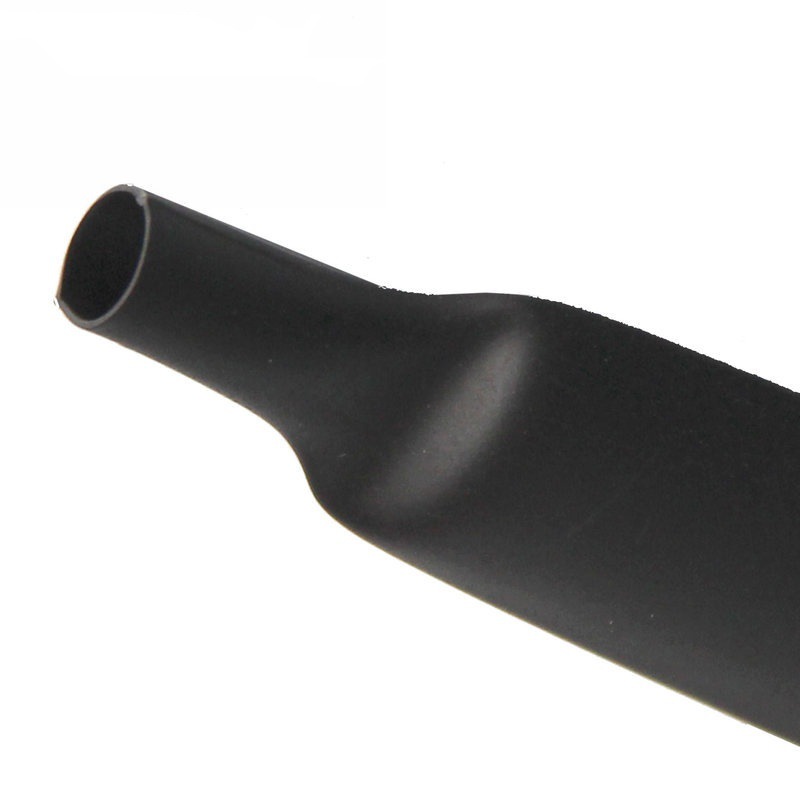
Creating a comprehensive specification for a heat shrinkable tube is essential when you need accurate supplier quotations for your industrial wiring projects. A well-defined specification ensures that vendors understand your exact requirements, deliver the correct product, and provide competitive pricing based on apples-to-apples comparison. Without clear specifications, you risk receiving mismatched products, facing production delays, or paying inflated prices due to miscommunication.
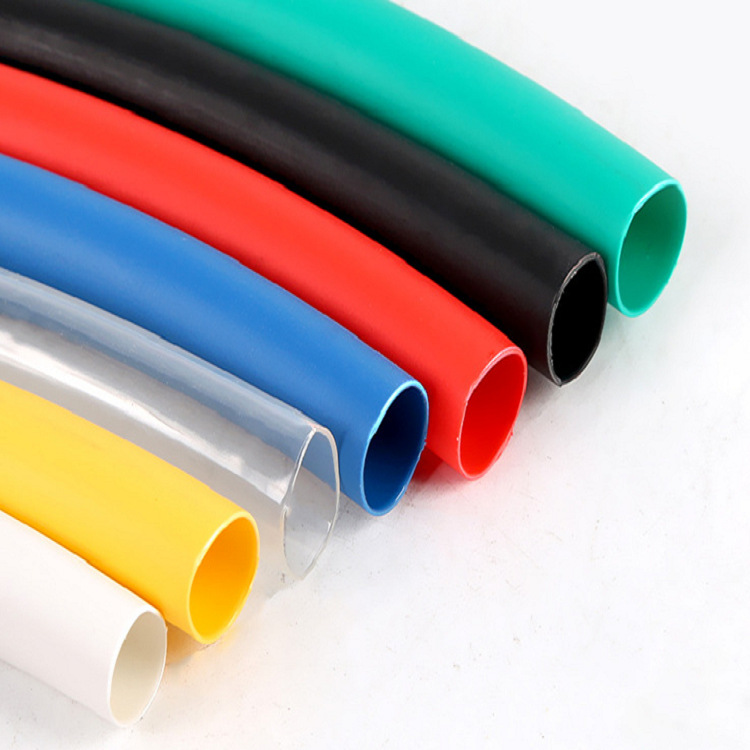
A heat shrink tubing specification must address multiple technical dimensions, including material composition, dimensional tolerances, performance characteristics, and compliance standards. Industrial wiring applications demand precise documentation because heat shrinkable tube products directly impact electrical insulation quality, product reliability, and safety compliance. Building such a specification requires understanding both your application needs and how suppliers evaluate technical requests.
Understanding Core Technical Requirements
Material Composition and Heat Shrink Tubing Standards
The foundation of any heat shrinkable tube specification begins with material selection. Most industrial wiring applications require either polyolefin or cross-linked polyolefin (XLPE) materials for the base, each offering distinct advantages. Polyolefin provides cost-effectiveness and ease of application, while XLPE offers superior thermal resistance and mechanical strength. Your specification must clearly state the base material, any additives required for flame retardancy, and the electrical insulation properties needed for your voltage class. Suppliers cannot provide accurate quotations without knowing whether you need standard grades or specialized formulations with UV resistance, chemical resistance, or enhanced flexibility.
Dimensional Specifications and Tolerance Management
Dimensional accuracy directly affects the fit and performance of heat shrink tubing on your components. Your specification should define the inner diameter (ID), outer diameter (OD), wall thickness, and shrink ratio precisely. For industrial wiring applications, specify whether you need 2:1, 3:1, or 4:1 shrink ratios, as this determines the range of conductor sizes the tubing can accommodate. Including tolerance bands—such as ±0.010 inches on ID—prevents suppliers from delivering products that slip off wires or create loose coverage. Length requirements, whether you need continuous lengths or pre-cut segments, also significantly impact supplier pricing and production planning.
Defining Performance and Compliance Criteria
Electrical Insulation and Voltage Class Specifications
Electrical insulation requirements are non-negotiable for industrial wiring heat shrinkable tube applications. Your specification must state the voltage class your product must withstand, typically ranging from 300V to 150kV depending on your end use. Include electrical insulation breakdown test voltages, dielectric strength values, and any required certifications such as UL, CSA, or IEC standards. If your application involves power transmission or high-voltage equipment, the heat shrink tubing must meet specific dielectric constant and dissipation factor requirements. Suppliers use voltage class information to select appropriate material grades and thicknesses, directly affecting the final quotation.
Temperature Rating and Environmental Performance
Temperature performance is critical for heat shrinkable tube specifications because operating conditions determine material suitability and long-term reliability. Specify both the continuous operating temperature and maximum short-term exposure temperature your industrial wiring will experience. Most standard heat shrink tubing operates safely between -40°C and 125°C, but specialized applications may require extended ranges. If your project involves thermal cycling, chemical exposure, or outdoor installation, document these environmental stressors explicitly. Suppliers need this information to recommend materials with appropriate thermal stability and to calculate realistic product lifespan estimates.
Structuring Your Specification for Supplier Communication
Organization and Documentation Format
A well-organized specification document dramatically improves supplier response quality and accuracy. Structure your requirements using clear sections: product identification, material properties, dimensional specifications, performance requirements, packaging details, and applicable standards. For each heat shrinkable tube product category, create a reference table showing inner diameter, outer diameter, shrink ratio, and standard lengths. Include visual references or drawings whenever possible, showing how the heat shrink tubing will be applied to your specific conductor configuration. Suppliers appreciate specifications that separate mandatory requirements from preferred options, allowing them to propose alternatives when standard products don't exactly match your needs.
Testing and Quality Assurance Documentation
Your specification should outline which tests and certifications suppliers must provide with their quotations and deliveries. Common tests for industrial wiring heat shrinkable tube products include shrink force measurement, tensile strength evaluation, electrical insulation breakdown testing, and temperature cycling endurance tests. Specify whether you require certificates of conformance, third-party testing validation, or full material test reports. If your project requires traceability documentation, batch numbers, or production date codes on heat shrink tubing, state this requirement clearly. These documentation expectations directly influence supplier selection, quality assurance costs, and delivery timelines.
FAQ
What information should I include when requesting heat shrinkable tube quotations?
Include the material type, inner and outer diameters, shrink ratio, desired length, quantity required, voltage class, operating temperature range, applicable standards (UL, CSA, IEC), and any specialized requirements like adhesive lining or color coding. Providing this comprehensive heat shrink tubing specification enables suppliers to offer accurate pricing without requesting multiple clarifications that delay the quotation process.
How do I ensure my heat shrinkable tube specification matches industry standards?
Reference established standards such as IEC 60811 for electrical insulation materials or UL 224 for industrial wiring protection. Review your industry's specific guidelines—automotive, aerospace, and power distribution sectors each have unique heat shrink tubing requirements. Consulting with your current suppliers or industry organizations can help you align your specification with accepted practices while ensuring electrical insulation performance meets regulatory demands.
Why should I request multiple supplier quotations for heat shrinkable tube?
Multiple quotations reveal market pricing variations, alternative material options, and delivery capability differences among heat shrink tubing vendors. Clear specifications ensure each supplier quotes the same product, allowing genuine price comparison. Additionally, multiple quotes identify suppliers who can provide technical alternatives or accommodate special requests, improving your negotiating position and supply chain resilience for industrial wiring projects.
 EN